Mortgage Application
Learn what a mortgage application is in Canadian real estate, what information is required, and how it influences your ability to secure home financing.

May 30, 2025
What is a Mortgage Application?
A mortgage application is the formal process by which a borrower submits financial, personal, and property information to a lender for the purpose of obtaining a mortgage loan.
Why Mortgage Applications Matter in Real Estate
In Canadian real estate, the mortgage application is a critical step in securing financing. It determines whether the borrower qualifies for a loan and on what terms.
The application includes:
- Income and employment verification
- Credit history and score
- Assets, liabilities, and monthly obligations
- Details of the property to be purchased or refinanced
Borrowers must also provide documentation such as pay stubs, T4s, notices of assessment, and bank statements. Errors or omissions can delay approval or lead to denial.
Understanding the mortgage application process helps buyers prepare the necessary documents and avoid financing delays.
Example of a Mortgage Application
A couple submits a mortgage application with supporting documents to a lender, including income verification and a purchase agreement for their new home.
Key Takeaways
- Official request for mortgage financing.
- Requires detailed financial disclosure.
- Reviewed by lender through underwriting.
- Errors can delay or block approval.
- Crucial step in home buying.

 Mondria One, set for 1607 King Street East in Clarington, Ontario. (ICON Architects Inc., Monde Development Group)








 Via STOREYS Editorial team

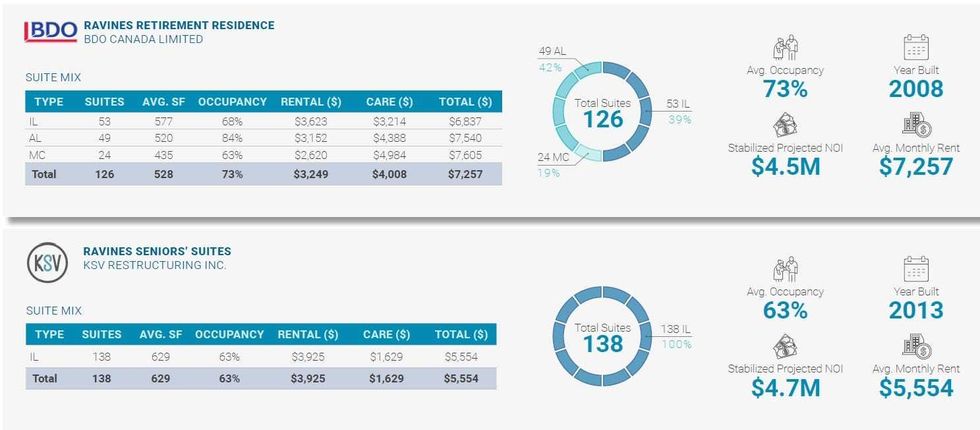 An overview of the two Ravine buildings. (Newmark)
 95 Clegg Road in Markham, Ontario. (Colliers)
 95 Clegg Road (centre) in Markham, Ontario. (Colliers)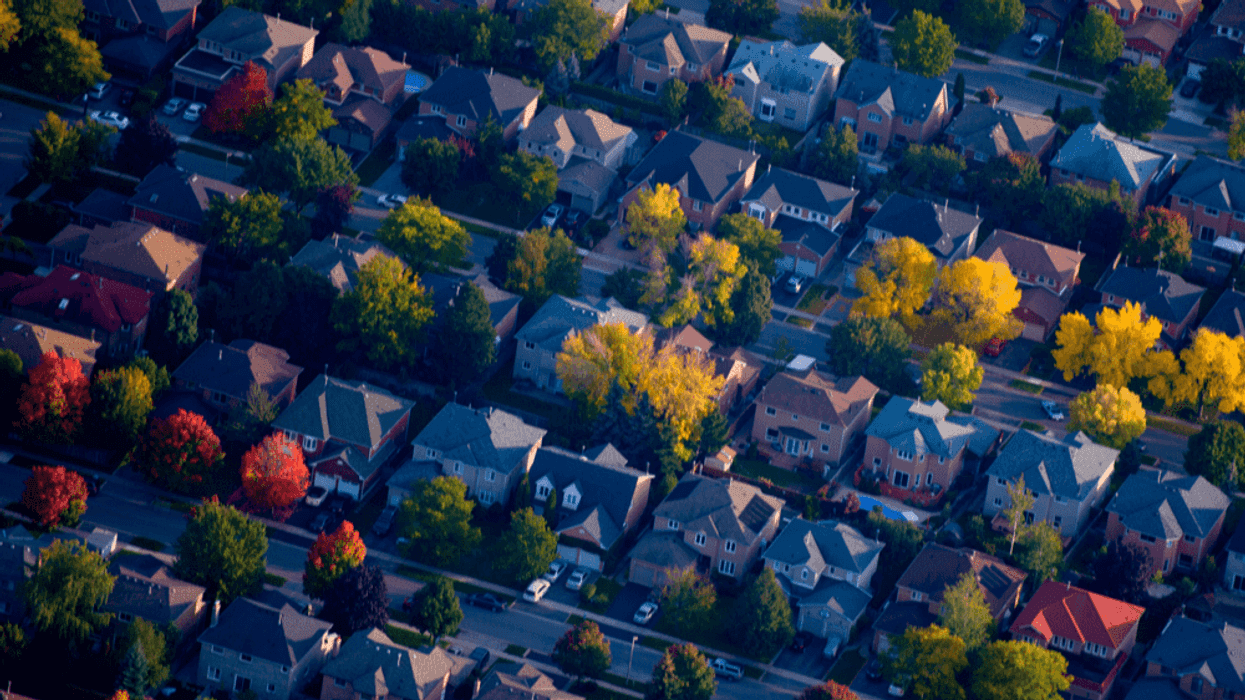
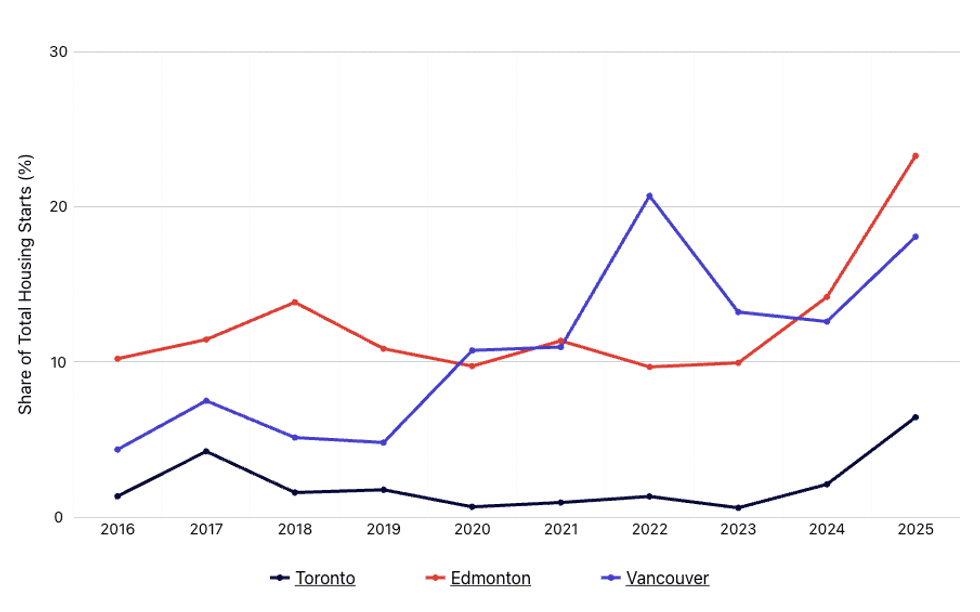 Small-scale infill share of housing starts in Toronto, Vancouver, and Edmonton/CMHC
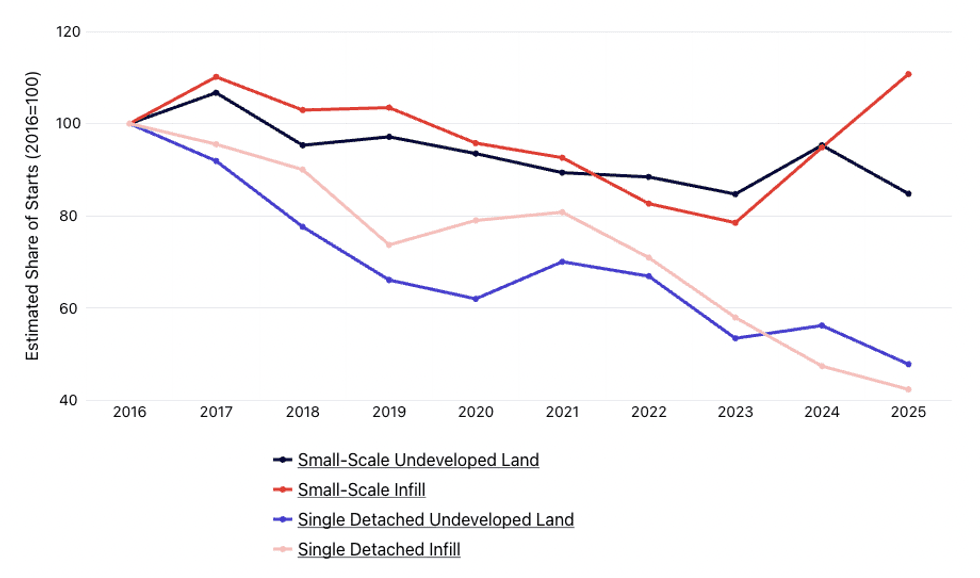 Housing starts for one to eight unit developments/CMHC