Net Lease
Understand net leases in Canadian commercial real estate: how they work, what tenants pay, and why they matter to landlords and investors.

June 16, 2025
What is a Net Lease?
A net lease is a type of commercial lease where the tenant pays base rent plus one or more additional operating expenses such as property taxes, insurance, or maintenance.
Why Net Leases Matter in Real Estate
In Canadian commercial real estate, net leases shift certain property expenses to tenants, reducing financial responsibility for landlords while offering predictable occupancy costs.
Common types of net leases:
- Single Net (N): tenant pays property taxes
- Double Net (NN): tenant pays taxes and insurance
- Triple Net (NNN): tenant pays taxes, insurance, and maintenance
Net leases are popular in retail and industrial spaces and are often used for long-term leases with corporate tenants.
Understanding net lease structures helps both landlords and tenants negotiate fair, transparent agreements aligned with investment goals.
Example of a Net Lease in Action
The tenant signs a triple net lease, agreeing to cover all property taxes, insurance premiums, and maintenance for the warehouse space.
Key Takeaways
- Tenant pays rent plus property expenses
- Varies by number of responsibilities (N, NN, NNN)
- Common in retail, industrial, and office leases
- Reduces landlord risk and costs
- Requires detailed agreement documentation
Related Terms
- Triple Net Lease
- Operating Costs
- Commercial Lease
- Lease Agreement
- Tenant Improvements
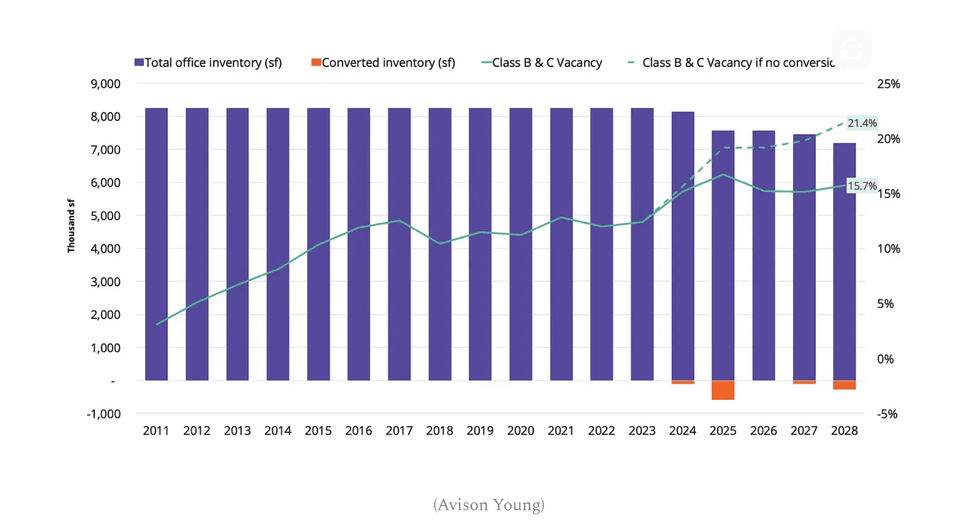 (Avison Young)
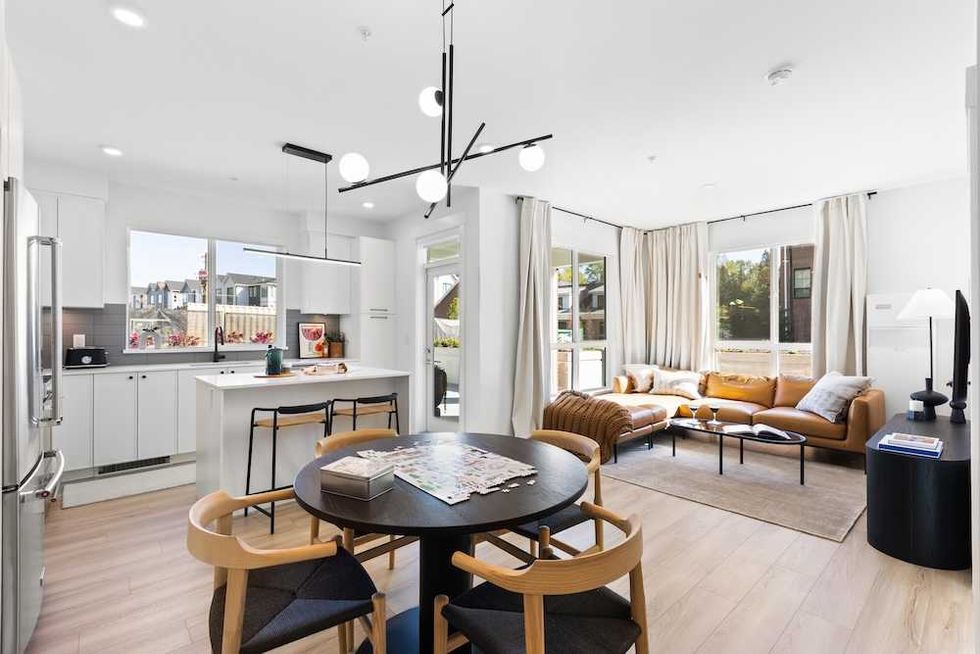 The Mason Suite Interior (Infinity Properties)
 The Mason Suite Interior (Infinity Properties)
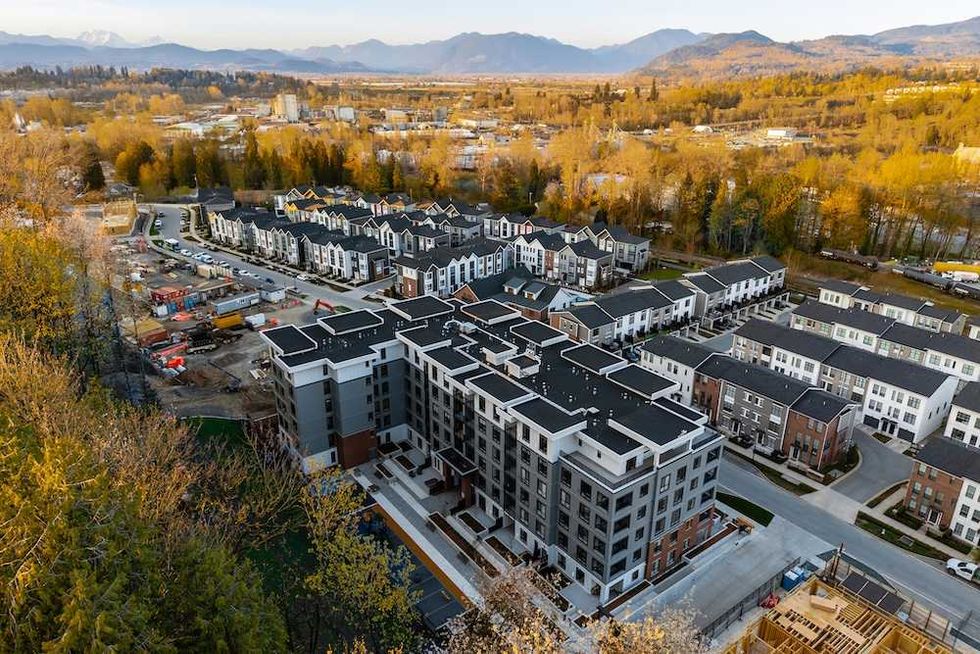 Rail District aerial (Infinity Properties)
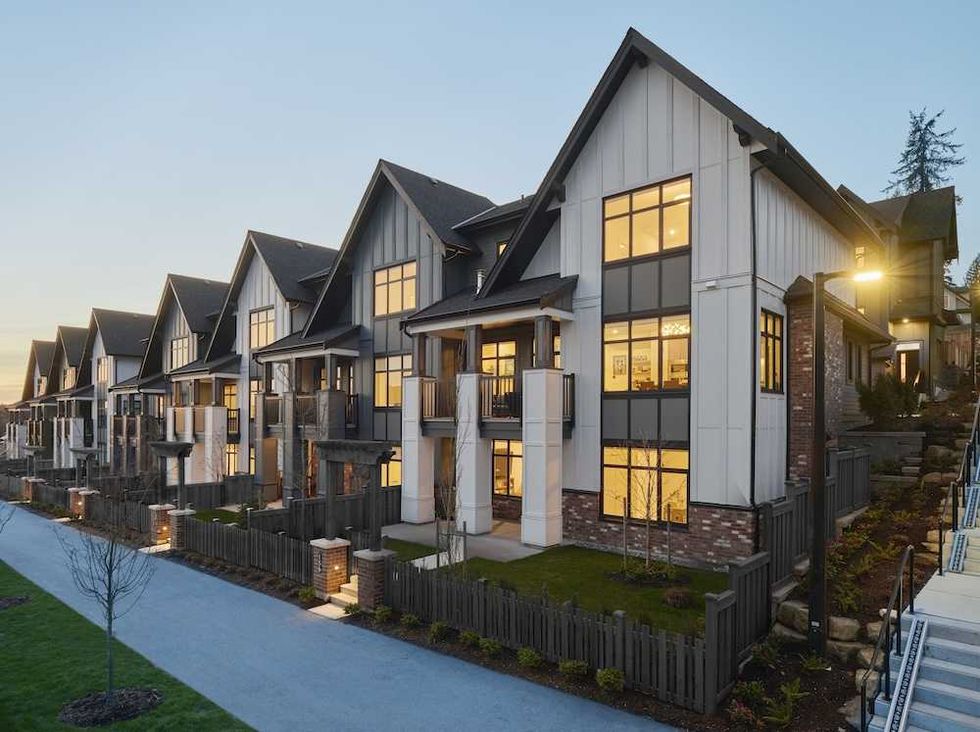 Versant (Infinity Properties)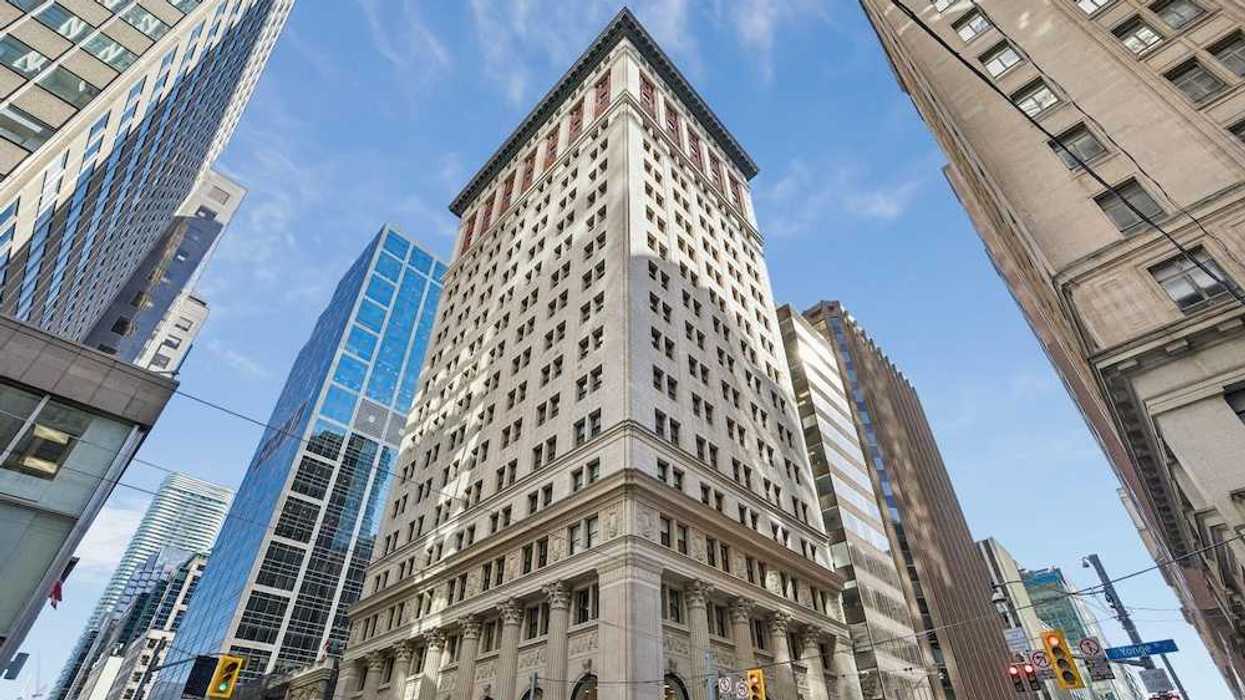



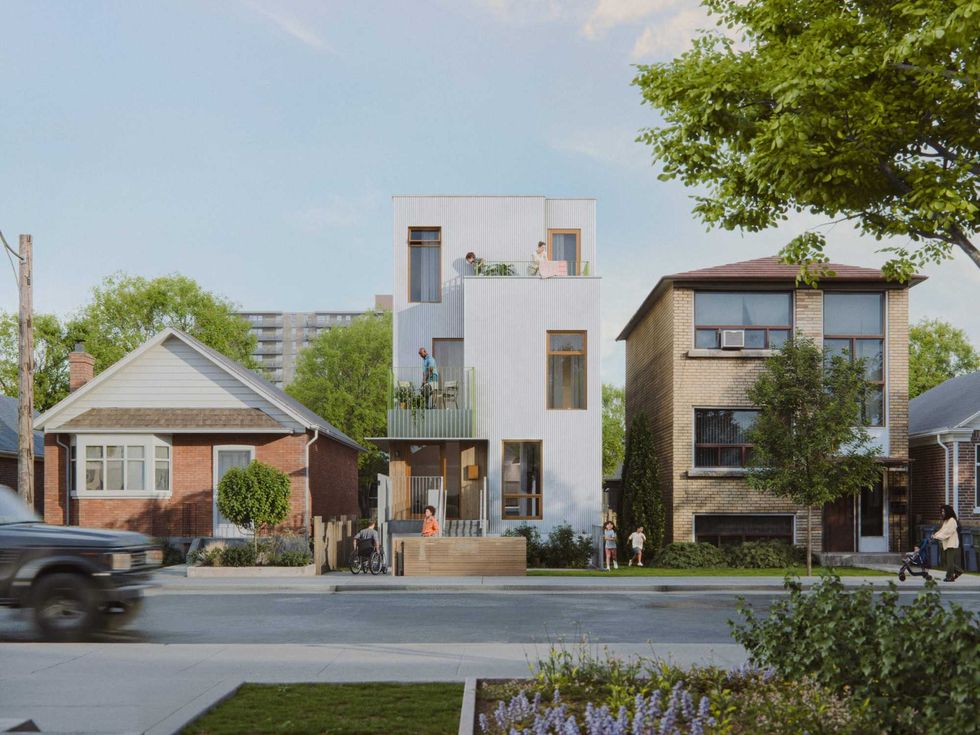 Narrow Fourplex (City of Toronto)
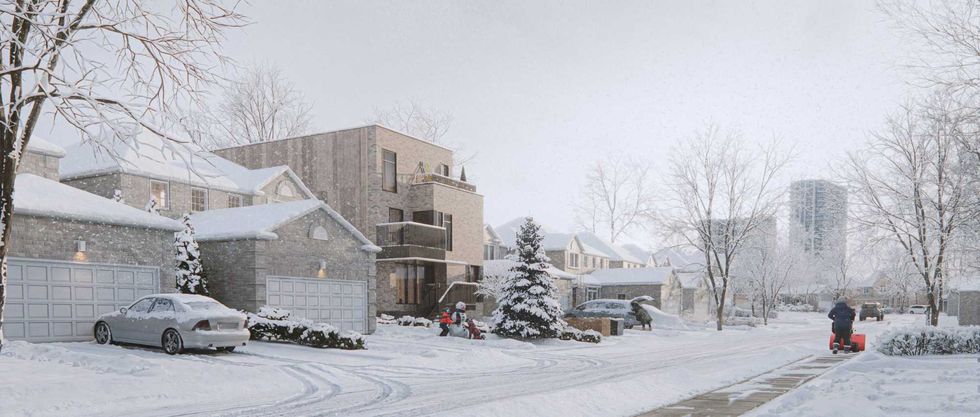 Wide Sixplex - Side View (City of Toronto)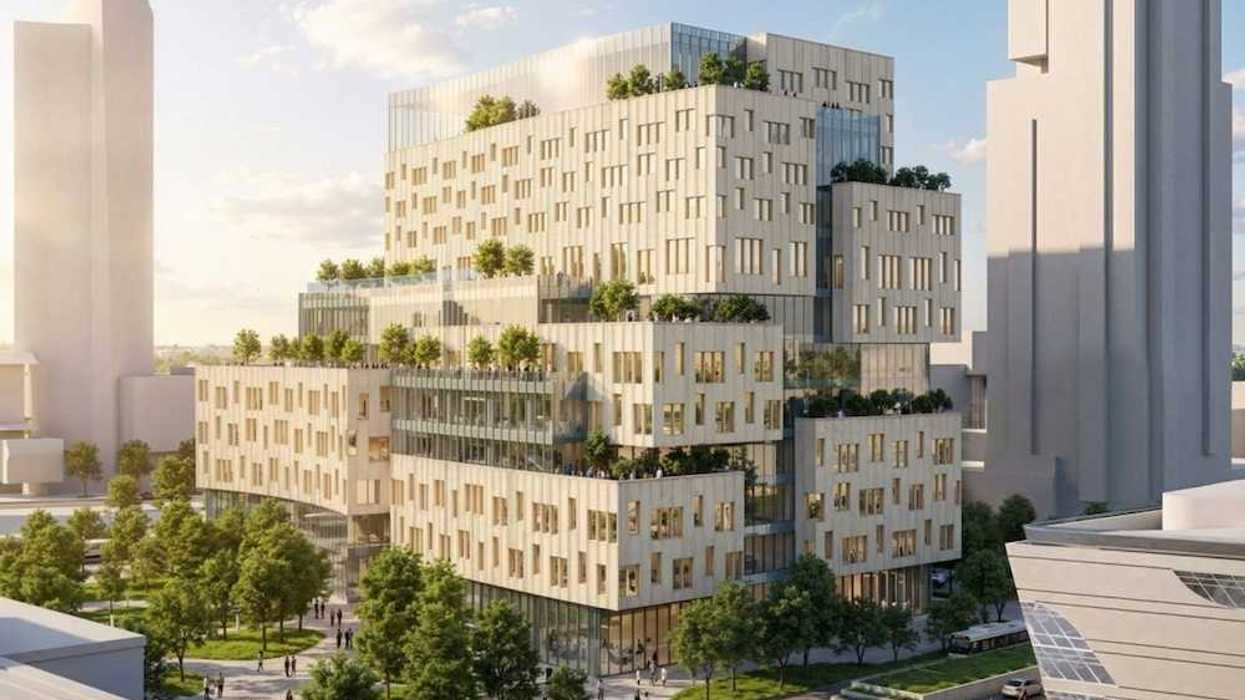
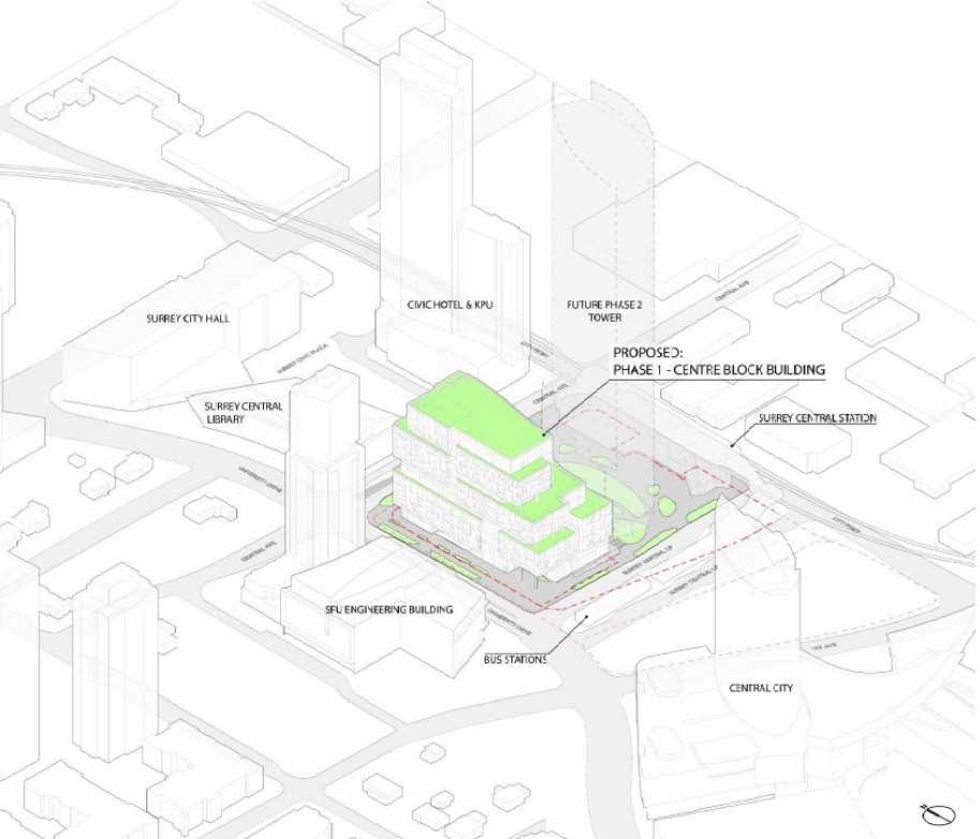 Centre Block and its surrounding context. (Stantec-Revery, SCDC)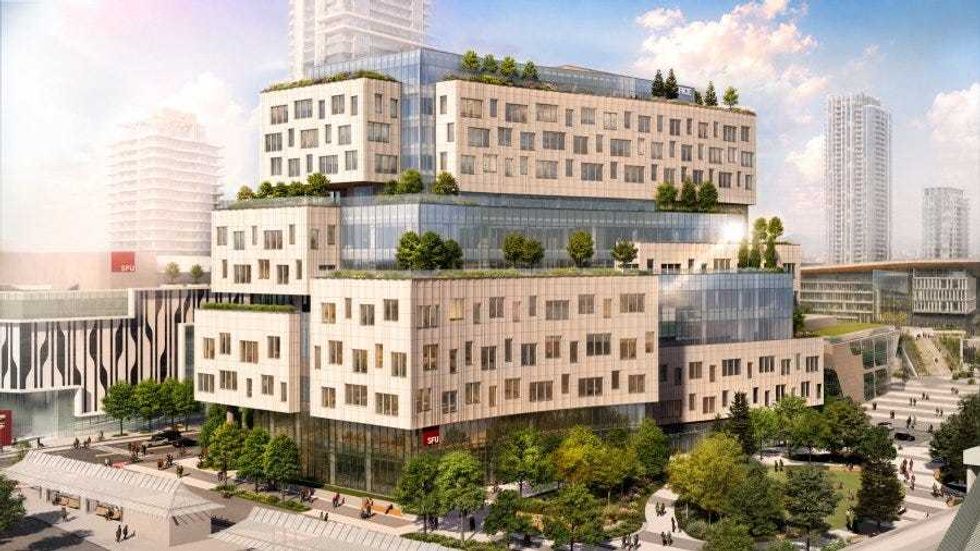
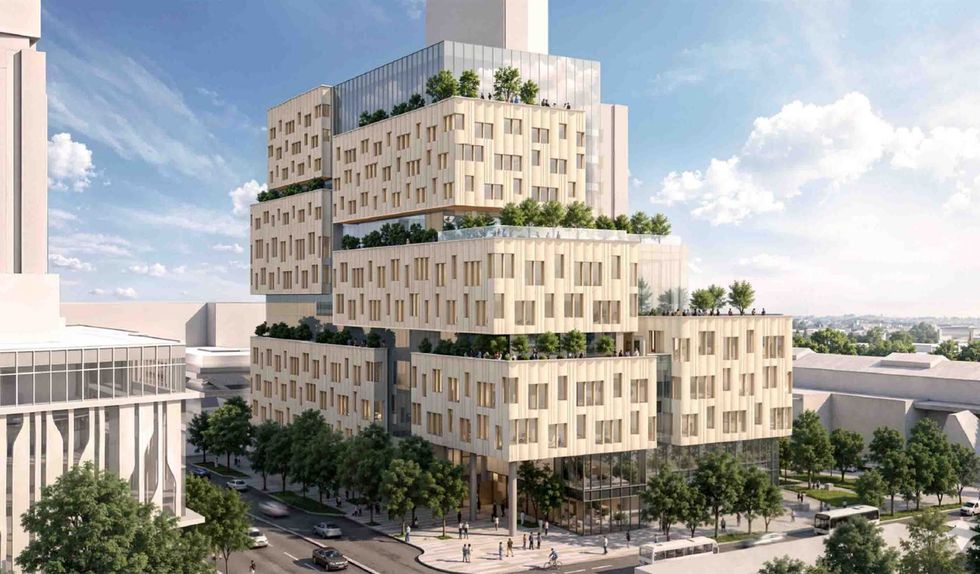 The 12-storey Phase One of Centre Block. (Stantec-Revery, SCDC)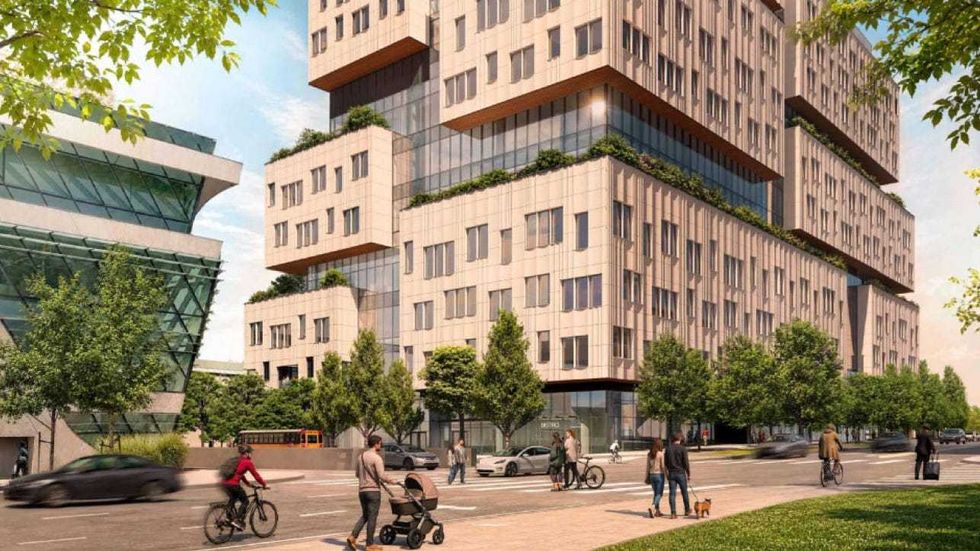
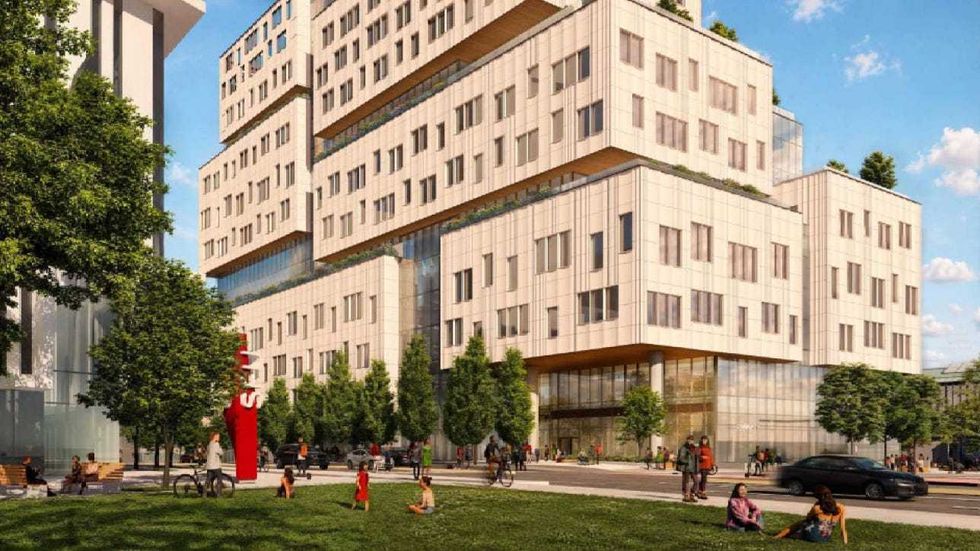 The 12-storey Phase One of Centre Block. (Stantec-Revery, SCDC)
 Mondria One, set for 1607 King Street East in Clarington, Ontario. (ICON Architects Inc., Monde Development Group)