Sustainability
Understand sustainability in Canadian real estate — what it means, why it matters, and how it enhances long-term value.

August 01, 2025
What is Sustainability?
Sustainability in real estate refers to designing, constructing, and operating properties in ways that minimize environmental impact, support social well-being, and ensure long-term economic viability.
Why Sustainability Matters in Real Estate
In Canadian real estate, sustainability is increasingly a priority for developers, investors, and municipalities seeking to reduce carbon emissions and support resilient communities.
Key considerations:
- Energy efficiency and water conservation
- Use of renewable materials and resources
- Proximity to transit and services
- Social equity and health impacts
Understanding sustainability supports compliance with environmental standards and can enhance property value.
Example of Sustainability in Action
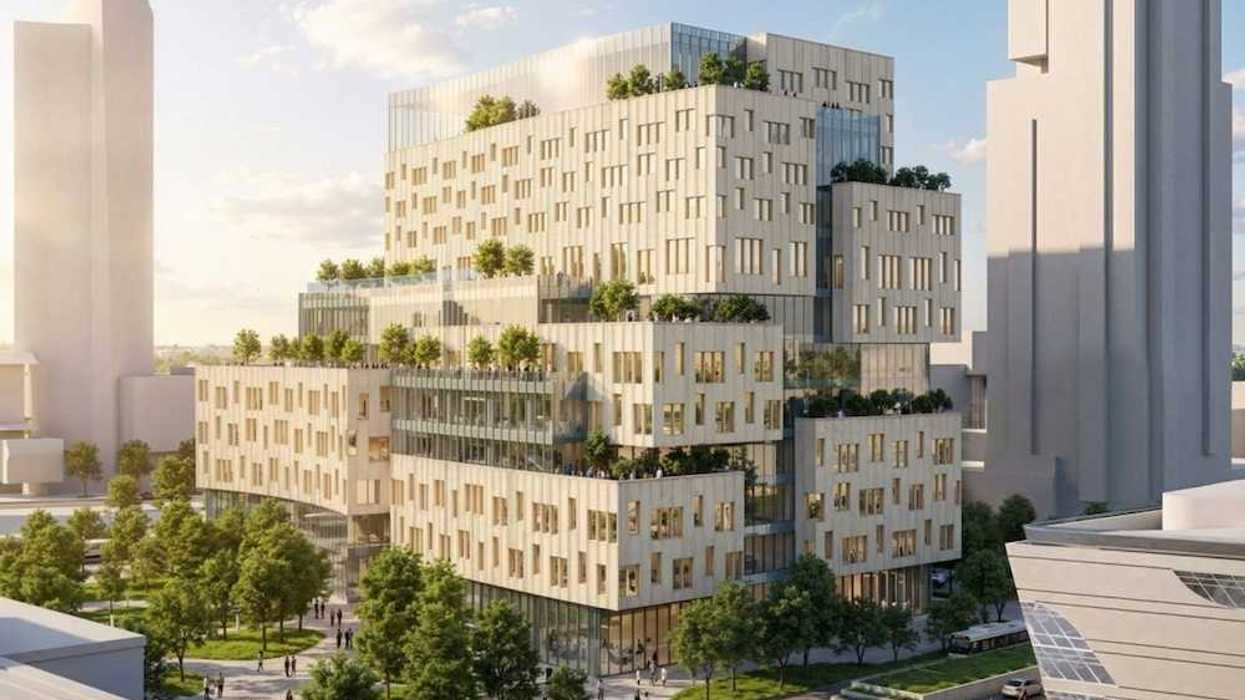
The office tower was designed with sustainability in mind, earning LEED Platinum certification for its energy and water-saving features.
Key Takeaways
- Focuses on minimizing environmental and social impacts
- Includes energy, water, and material efficiency
- Improves resilience and reduces long-term costs
- Can enhance brand and market appeal
- Supported by certifications like LEED and BOMA BEST
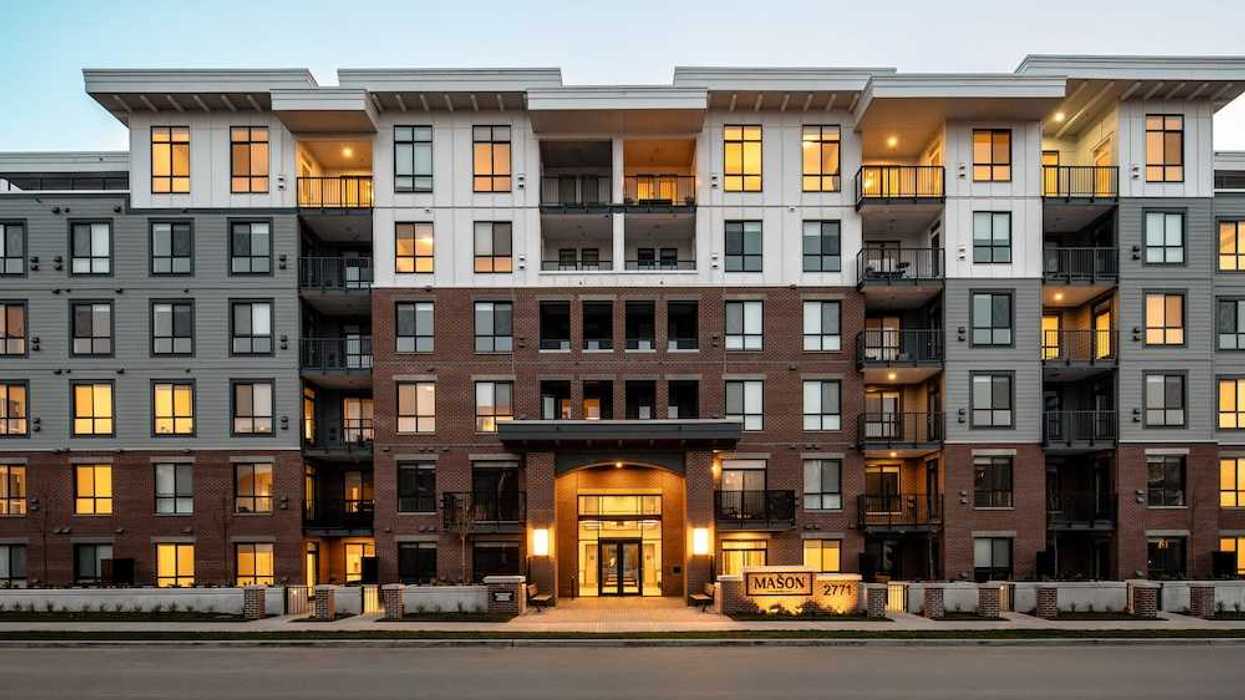
 The Mason Suite Interior (Infinity Properties)
 The Mason Suite Interior (Infinity Properties)
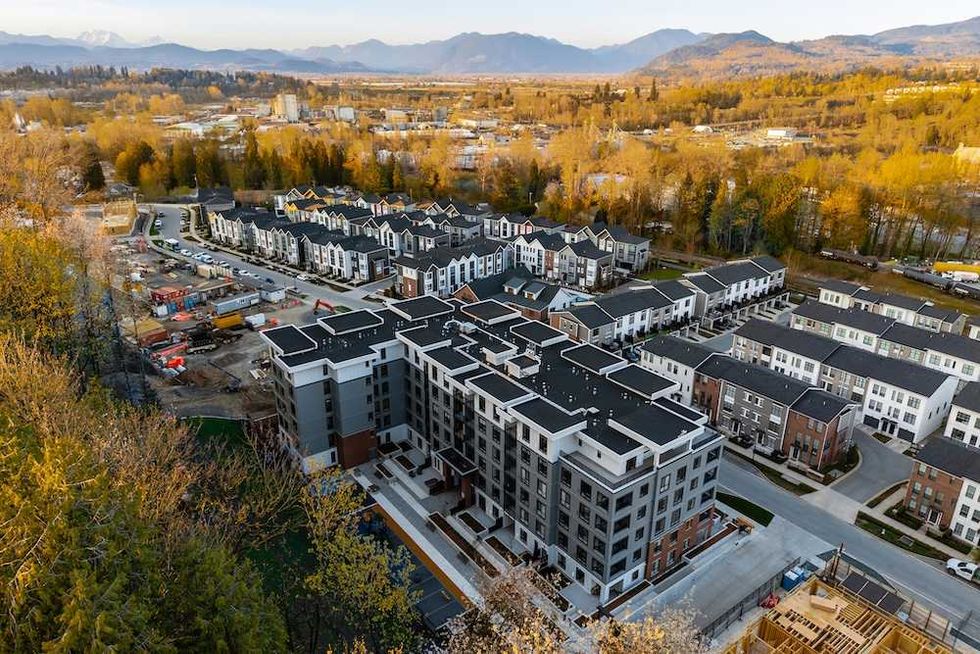 Rail District aerial (Infinity Properties)
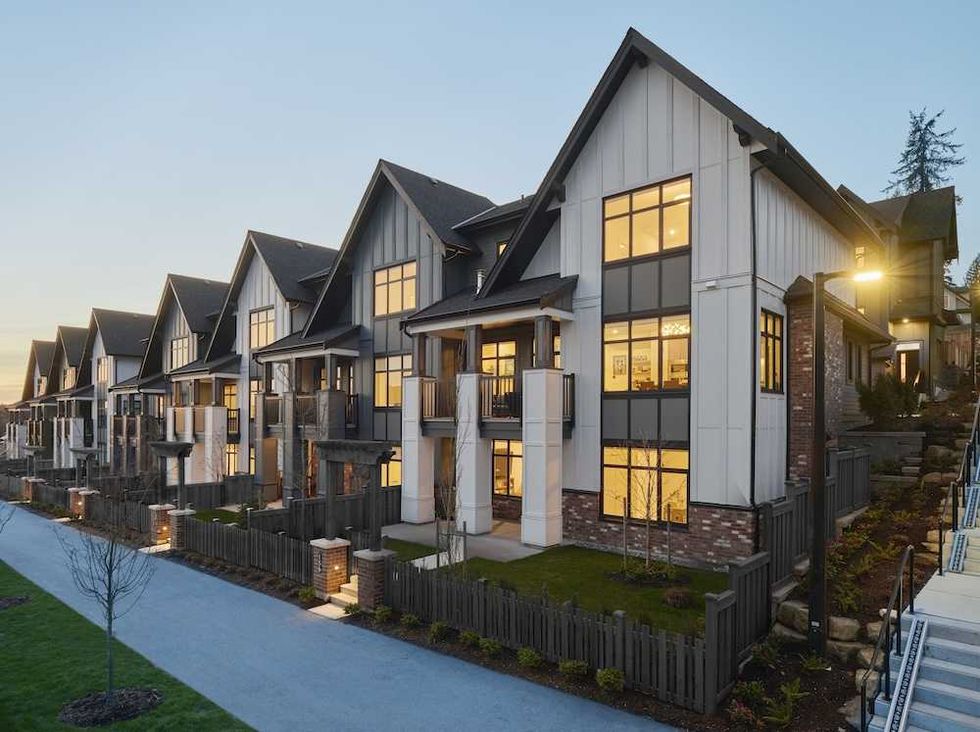 Versant (Infinity Properties)
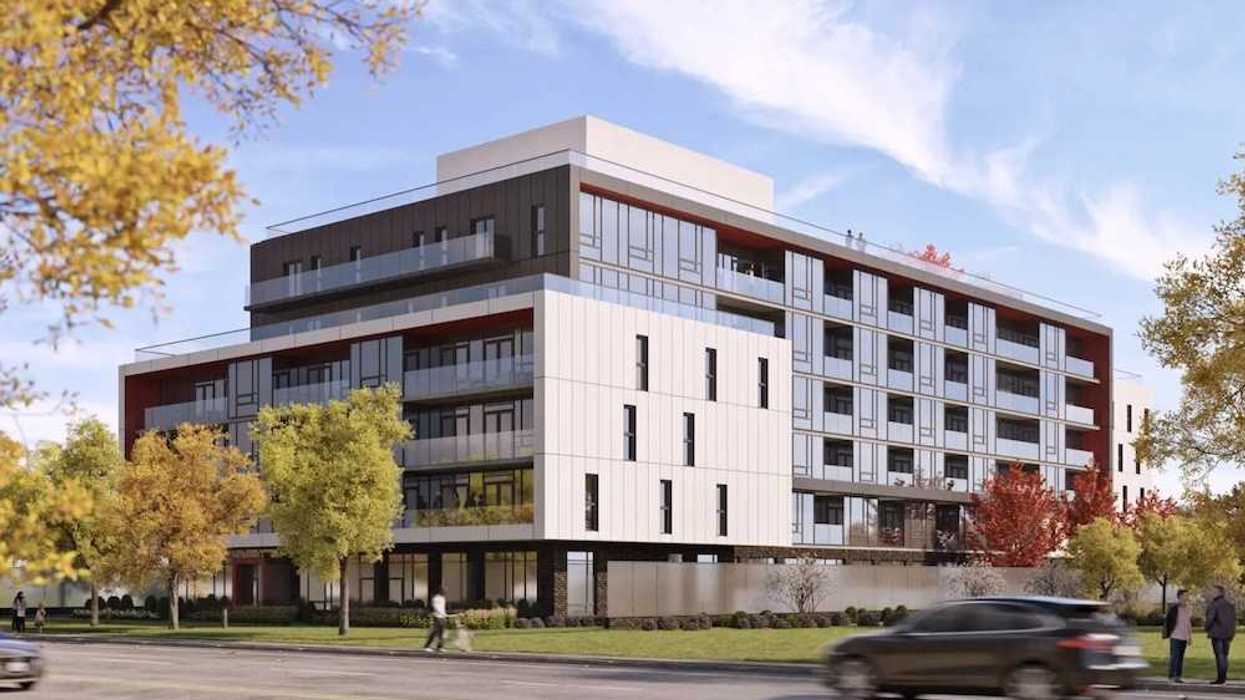



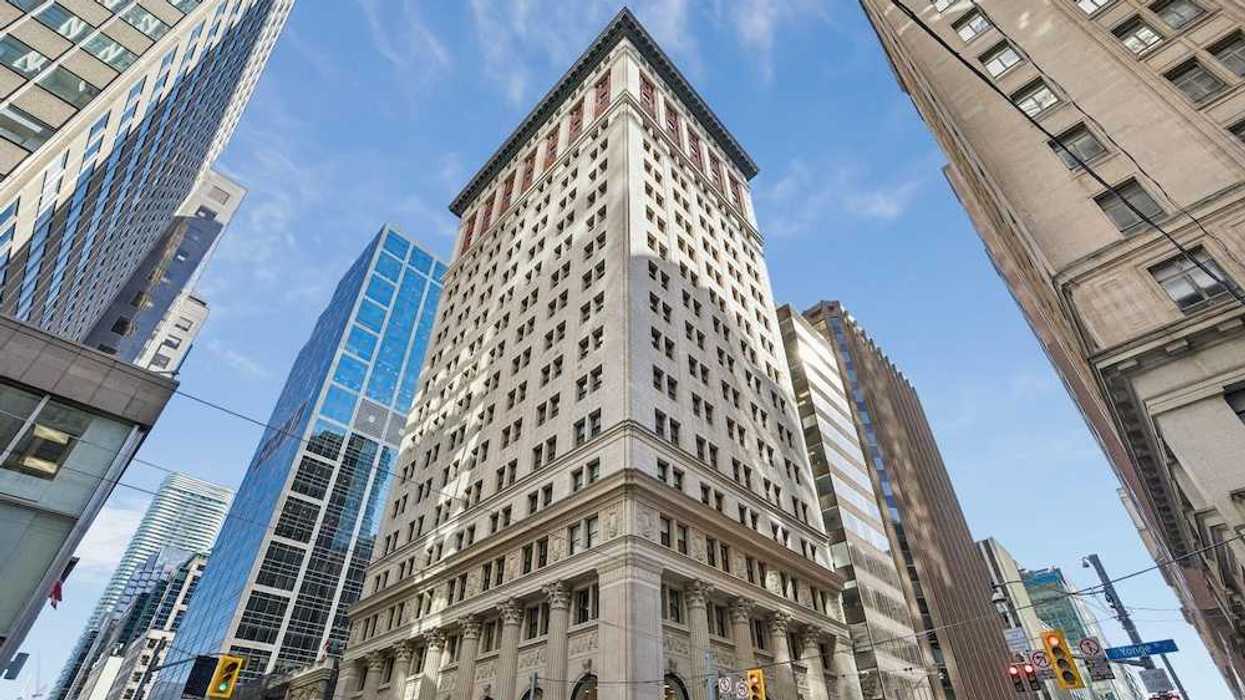
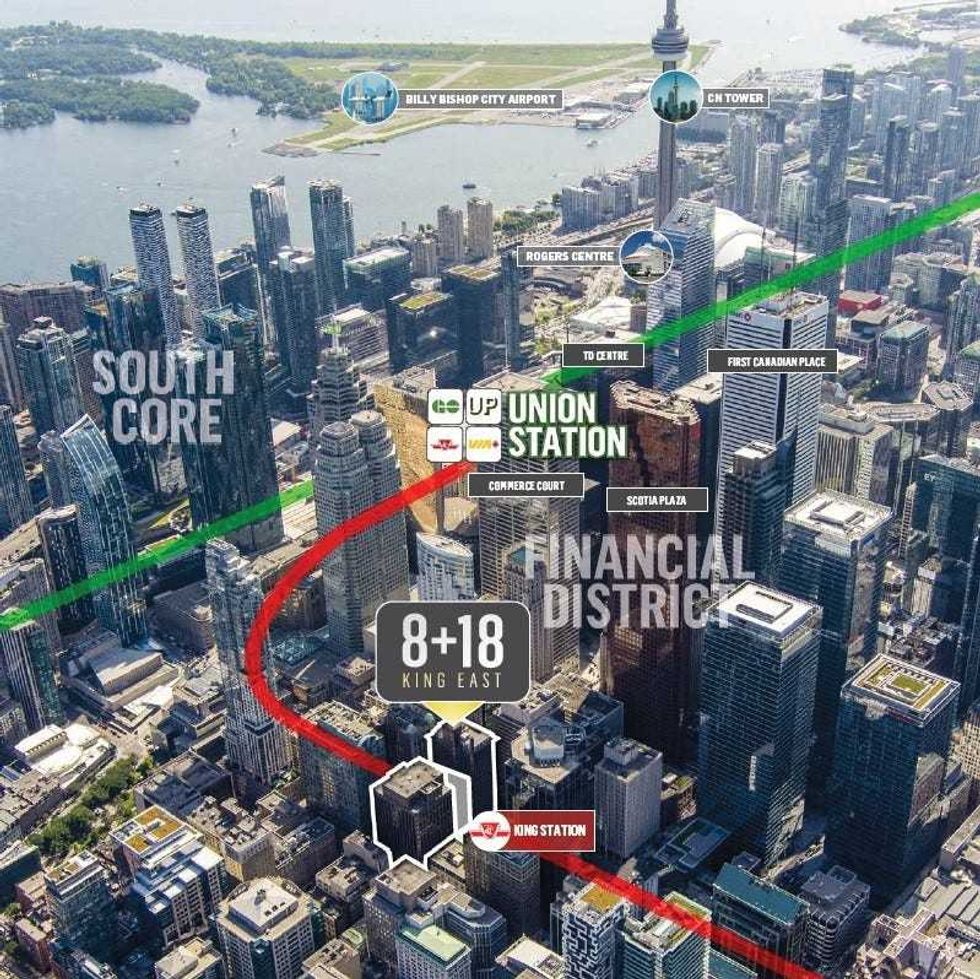 8 and 18 King Street East in Toronto. (RBC Capital Markets Realty)
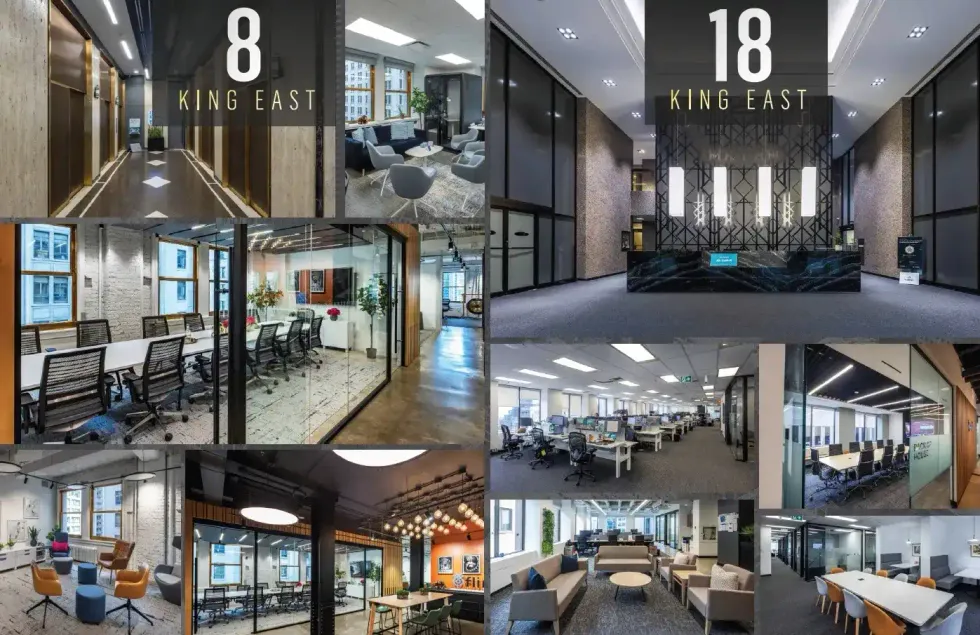 Interior photos of 8 and 18 King Street East. (RBC Capital Markets Realty)
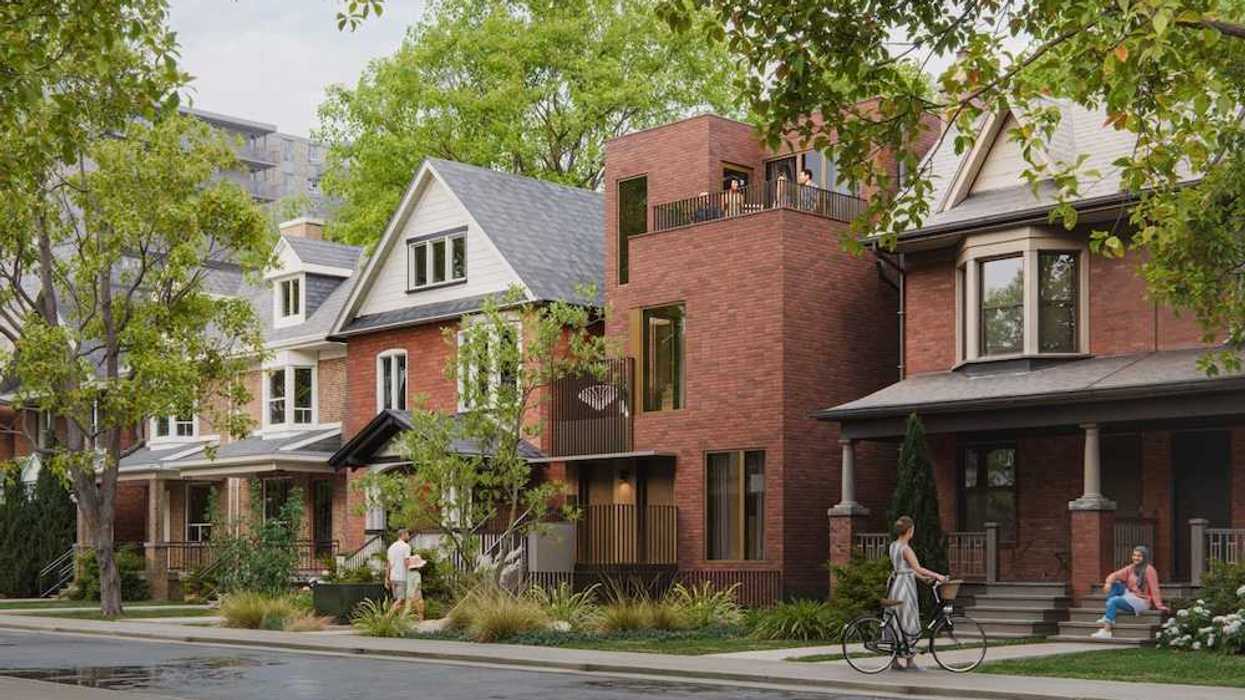
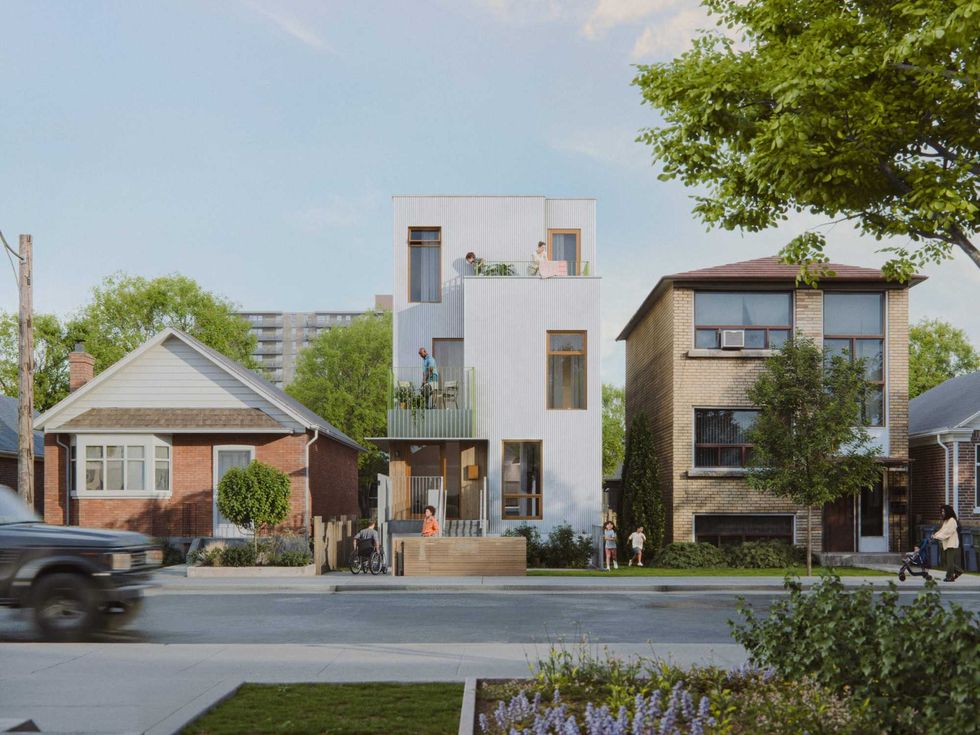 Narrow Fourplex (City of Toronto)
 Wide Sixplex - Side View (City of Toronto)