Urban Planning
Explore urban planning in Canadian real estate — how it affects zoning, growth, development, and long-term investment strategy.

June 23, 2025
What is Urban Planning?
Urban planning is the process by which municipalities and regional governments design and regulate land use, infrastructure, and community development to support orderly growth and sustainability.
Why Urban Planning Matters in Real Estate
In Canadian real estate, urban planning determines what can be built where, influencing zoning, density, transportation, green space, and housing supply.
Urban planning includes:
- Official community plans (OCPs)
- Zoning bylaws and overlays
- Transit-oriented development (TOD)
- Infrastructure and amenity planning
- Environmental and heritage preservation
It guides development timelines, shapes neighbourhood character, and impacts long-term property values.
Understanding urban planning is essential for developers, investors, and buyers who want to anticipate land use changes or future growth potential.
Example of Urban Planning in Action
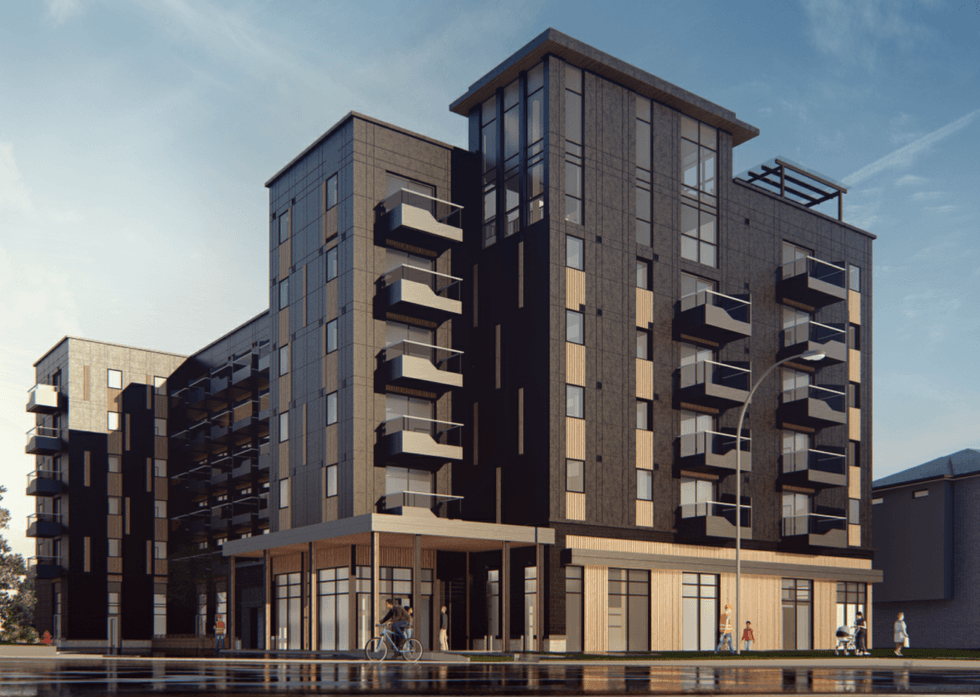
The city’s urban planning strategy includes new zoning to support mid-rise buildings near light rail stations, enabling denser residential development.
Key Takeaways
- Shapes land use and community growth
- Includes zoning, infrastructure, and density plans
- Affects housing supply and property values
- Key for developers and long-term investors
- Implemented by municipal and regional governments
Related Terms
- Zoning
- Official Plan
- Transit-Oriented Development
- Land Use Bylaws
- Housing Supply









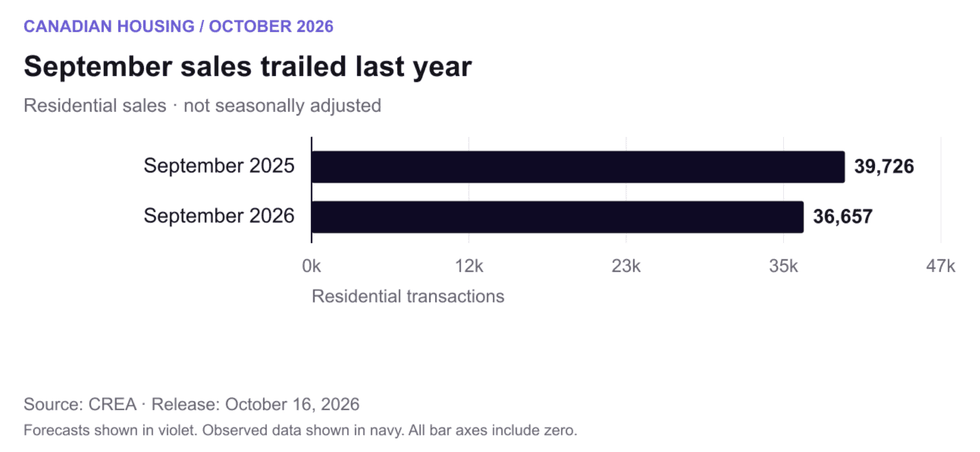 September residential sales, not seasonally adjusted; the annual comparison uses CREA’s revised figures. Chart:
 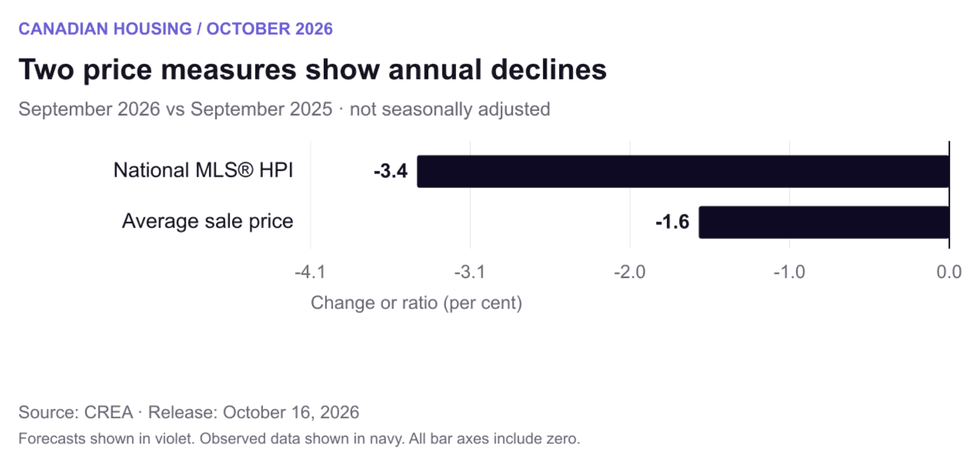 Annual changes in the unadjusted national MLS® HPI and average sale price. The average is affected by the mix of transactions. Chart:
 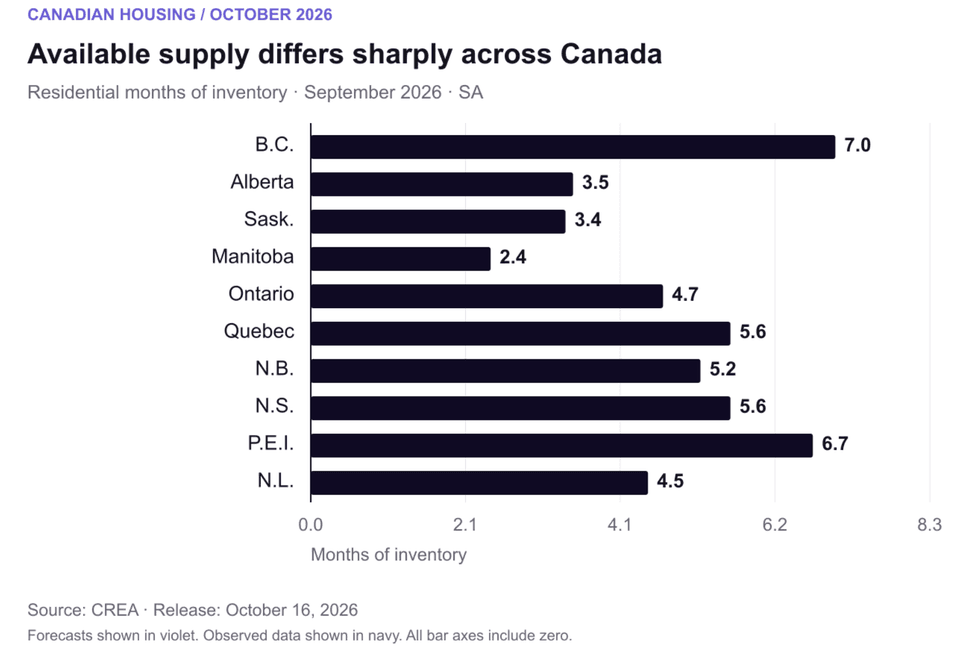 Seasonally adjusted residential months of inventory by province. Local property types can differ substantially. Chart:
 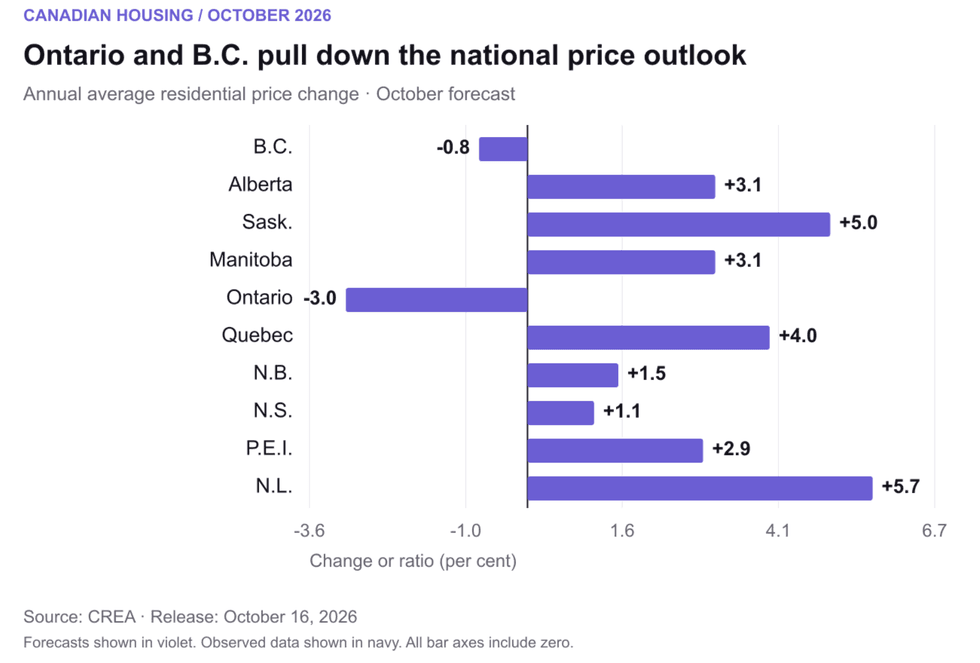 Ontario and B.C. are the two provinces with forecast annual average-price declines in 2026. Chart:
 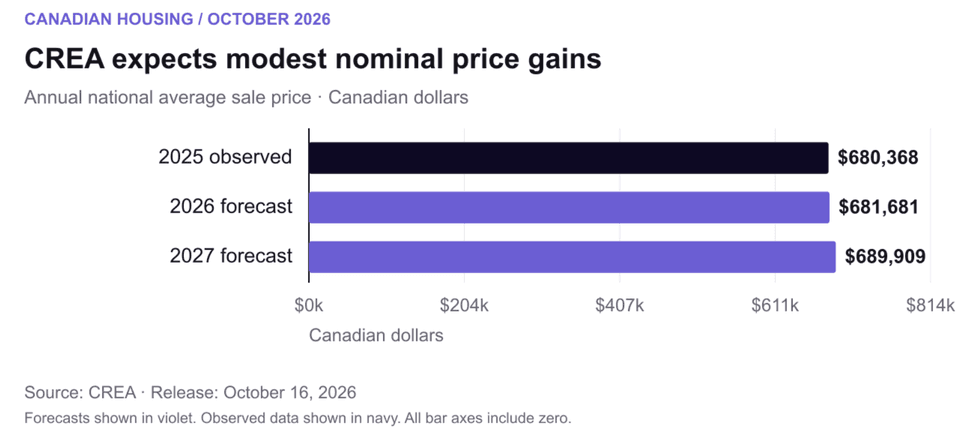 Annual average transaction prices in Canadian dollars. Forecast values are not December price targets. Chart:
 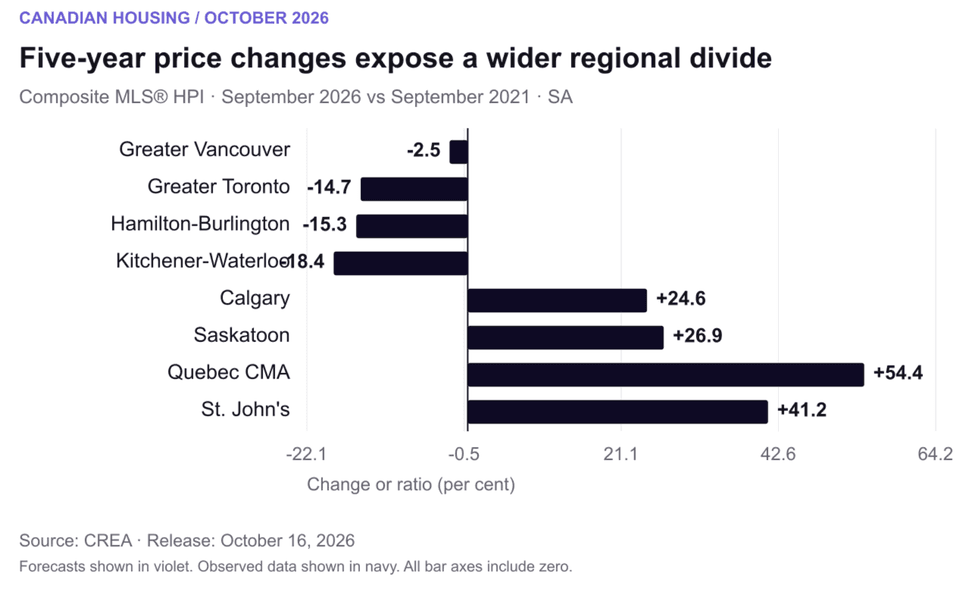 Five-year changes in seasonally adjusted composite MLS® HPI benchmarks, September 2021 to September 2026. Chart: