Land Use Bylaws

Learn how land use bylaws shape real estate development in Canadian municipalities, and why buyers and builders must understand local regulations.
Land Use Bylaws


What is a Land Use Bylaw?

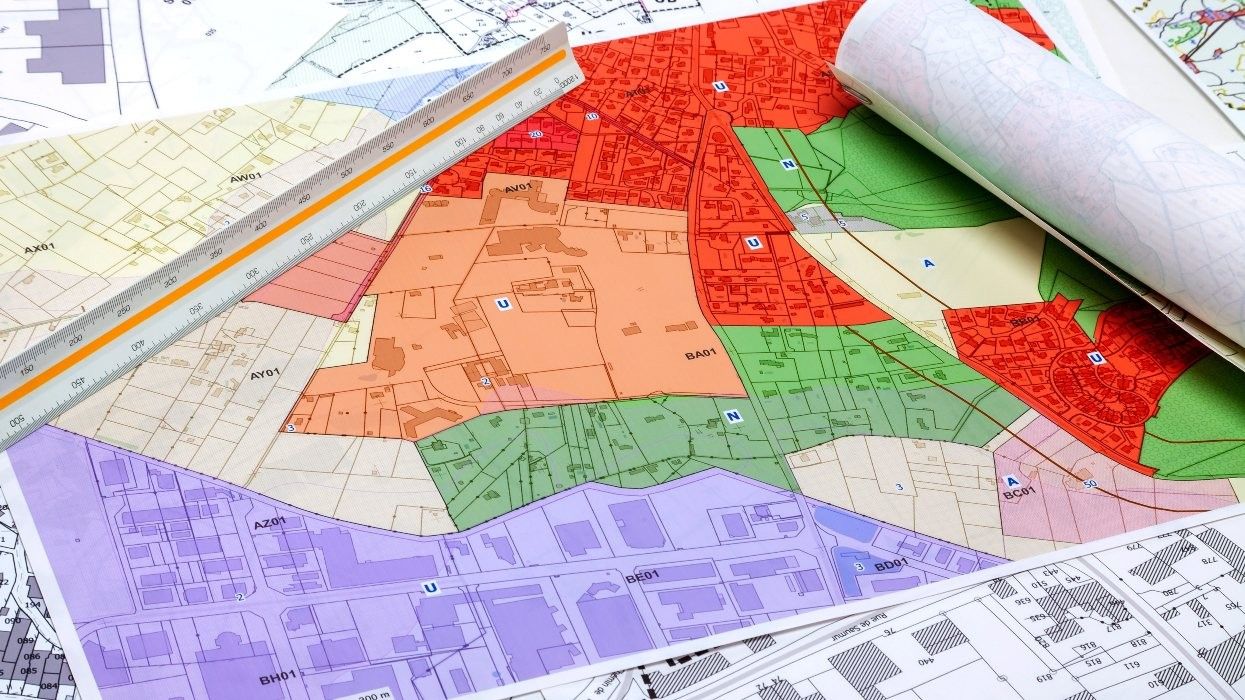
Land use bylaws are municipal regulations that govern how land within a city or town can be developed, used, and subdivided.

Why Land Use Bylaws Matters in Real Estate

In Canadian real estate, land use bylaws are essential tools for urban planning. They determine:
  • What types of buildings are permitted in each area (e.g., residential, commercial, industrial)
  • Density limits and building height restrictions
  • Setbacks, lot sizes, and green space requirements
  • Parking rules and signage regulations

Homeowners and developers must ensure their plans comply with local land use bylaws before beginning construction, renovation, or applying for a building permit. Municipal planning departments enforce these bylaws through permit reviews, zoning checks, and inspections.

Failing to comply can lead to project delays, fines, or forced demolition of unauthorized structures. Buyers should investigate land use bylaws when evaluating development potential or restrictions on a property.

Understanding land use bylaws empowers homeowners, investors, and builders to make informed decisions about property use and development potential.

Example of a Land Use Bylaw

A developer planning to build a multi-unit rental building checks the city’s land use bylaw and discovers the zoning only permits low-density single-family homes. They apply for a zoning variance.

Key Takeaways

  • Govern what types of buildings and uses are allowed.
  • Enforced by municipalities to guide development.
  • Essential for permit and project approvals.
  • Non-compliance can halt construction.
  • Impacts development feasibility and value.

Related Terms

  • Zoning
  • Municipal Planning
  • Building Permit
  • Official Plan
  • Variance

Additional Terms

Public Realm Improvements

Public realm improvements are enhancements to public spaces such as sidewalks, parks, plazas, and streetscapes, often funded or contributed by. more

Mortgagee in Possession

A mortgagee in possession is a lender who takes control of a property after borrower default, but before foreclosure or power of sale. The lender. more

Lease Surrender Agreement

A lease surrender agreement is a negotiated contract between a landlord and tenant that ends a lease before its scheduled expiration. Terms may. more

Green Infrastructure

Green infrastructure refers to natural or engineered systems that manage stormwater, reduce heat, and improve sustainability in developments.. more

Escrow Holdback

An escrow holdback is a portion of funds withheld at closing and held in escrow until specific conditions are met, such as completion of repairs,. more

Underused Housing Tax

The Underused Housing Tax (UHT) is a federal annual 1% tax on the value of vacant or underused residential property owned by non-resident,. more

More For You

Buy Now, Pay Later Down Payment Lands In Downtown Hamilton

The Rebecca Residence (rendering)

As sales continue to stagnate and homeownership remains unattainable for many in the GTHA, one housing developer is offering a unique new way for aspiring homeowners to get into the market.

The Rebecca Residences in downtown Hamilton is an upcoming 23-storey condo building from Ontario developer Rosehaven Homes. It’s currently offering a range of preconstruction units starting in the $300,000s, but interested buyers are not required to shell out a hefty downpayment. At least not outright.

Keep ReadingShow less
Ontario Agriculture Is “In Crisis”, And It’s Giving Way To A New Age For Farmland
Cambium Farms in Caledon/Photography by Nathan Cyprys

When the Williamses hosted a family wedding at their Cambium Farms property in 2011, they weren’t thinking about adaptive reuse or rural tourism, but the event ended up being pivotal, setting in motion a years-long transformation that would expand the farm’s use well beyond agriculture.

“Facebook had come around, so pictures of the wedding were online, and people were asking to rent the space out. We thought, maybe this is a business opportunity,” says Colin Williams, who has been Cambium Farms’ President since 2013.

Keep ReadingShow less
GTA Home Sales Rose, New Listings Shrunk In April: TRREB

The GTA housing market logged a mixed April, with home sales rising 7% year-over-year as new listings pulled back — a combination that suggests tighter conditions are beginning to take hold this spring.

Average prices dipped again, but early signs of month-over-month stabilization may give fence-sitters something to think about.

Keep ReadingShow less
Ontario Doesn't Have A Land Problem, It Has A Policy Problem

Unsplash

For years, the conventional wisdom around housing affordability in Ontario has been built on a flawed premise: that land is scarce, and high prices are simply the inevitable result of too little space and too much demand.

But the evidence tells a different story.

Keep ReadingShow less
StreetSide Proposing 35-Storey Condo Tower, 6-Storey Rental In Burquitlam

The 400-unit project is set for 602, 606, 610 Tyndall Street and 605, 611, 615 Claremont Street in Coquitlam and consists of 339 strata units and 61 rental units.

On Monday, Coquitlam City Council advanced a new rezoning application by StreetSide Developments, a subsidiary of Qualico, for a new high-rise tower in the Burquitlam neighbourhood of Coquitlam.

The site of the project is 602, 606, 610 Tyndall Street and 605, 611, 615 Claremont Street: A 1.1-acre land assembly consisting of three single-family lots on Claremont Street and three single-family lots on Tyndall Street, on the northern side of Como Lake Avenue near the intersection with Clarke Road.

Keep ReadingShow less
Bank Of Canada Holds Rate At 2.25% As Housing Activity Stays Muted
Bank of Canada

The Bank of Canada held its overnight rate at 2.25% on April 29, keeping borrowing costs steady as the country navigates a turbulent global backdrop shaped by the conflict in the Middle East and ongoing US trade policy uncertainty.

For Canadian real estate, the decision offers little relief in the near term. The Bank's April outlook paints a cautious picture for housing: activity declined in the fourth quarter of 2025 and remains constrained by slow population growth, economic uncertainty, and affordability challenges that have yet to meaningfully ease. GDP growth is projected at a modest 1.2% for 2026, rising gradually to 1.6% in 2027 and 1.7% in 2028 — a trajectory that suggests any meaningful recovery in housing demand is still some distance away.

Keep ReadingShow less

Virginia Avenue is a quiet residential street in Danforth Village — the kind of block where many homes have been standing for decades.

Coming up in 2022, 83 Virginia Avenue made no attempt to blend in.

Keep ReadingShow less
Demand-Side Interventions Can Reduce Housing Affordability: CMHC

Sarah Baxter/Unsplash

As the housing crisis in Canada became harder (and harder) to ignore, governments big and small have started taking more (and more) action. But not all actions are equal, and some may actually have a negative impact on housing affordability.

As complicated as the housing crisis may be, it really comes down to the basic law of supply and demand: If demand increases while supply stays flat, prices will increase.

Keep ReadingShow less
CMHC: Demand-Side Interventions Can Reduce Housing Affordability