Construction Loan
Learn about construction loans in Canadian real estate — how they work, who uses them, and their role in development financing.

July 11, 2025
What is a Construction Loan?
A construction loan is a short-term, interim financing option used to fund the building or major renovation of a property, with funds disbursed in stages as work progresses.
Why Construction Loans Matter in Real Estate
In Canadian real estate development, construction loans provide liquidity during the build phase and are typically replaced with permanent financing at completion.
Key features:
- Interest-only payments during construction
- Draw schedule tied to inspection milestones
- Higher risk, higher interest rates
Understanding construction loans helps builders, developers, and lenders manage financing risk and cash flow.
Example of a Construction Loan in Action
The developer secured a construction loan to fund the phased build of a 20-unit townhouse project, with draws released after inspections.
Key Takeaways
- Funds new construction or major renovation
- Short-term, interest-only during build
- Replaced by permanent loan at completion
- Disbursed in stages tied to progress
- Involves higher risk and lender oversight
Related Terms
- Permanent Financing
- Loan-to-Value Ratio (LTV)
- Refinance
- Mortgage
- Draw Schedule

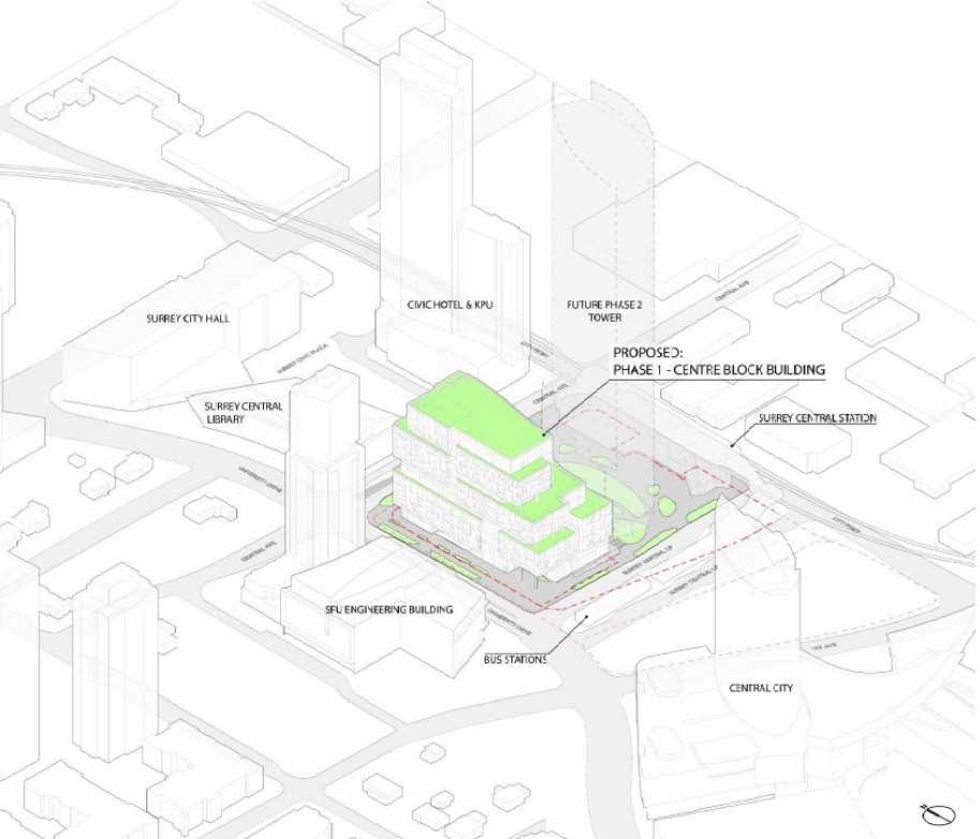 Centre Block and its surrounding context. (Stantec-Revery, SCDC)
 The 12-storey Phase One of Centre Block. (Stantec-Revery, SCDC)
 The 12-storey Phase One of Centre Block. (Stantec-Revery, SCDC)
 Mondria One, set for 1607 King Street East in Clarington, Ontario. (ICON Architects Inc., Monde Development Group)








 Via STOREYS Editorial team

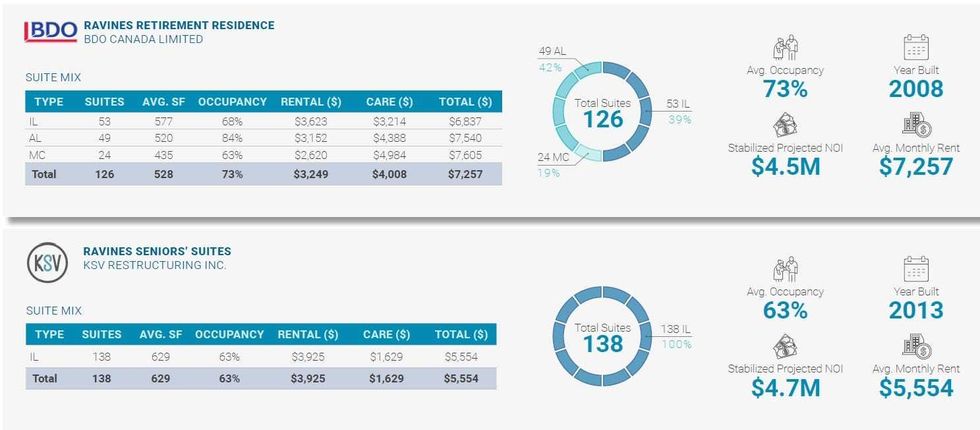 An overview of the two Ravine buildings. (Newmark)
 95 Clegg Road in Markham, Ontario. (Colliers)
 95 Clegg Road (centre) in Markham, Ontario. (Colliers)