New Construction

Explore how buying new construction works in Canadian real estate, including timelines, warranty coverage, and key legal and financial considerations.
New Construction
Escrow – Definition, Meaning, and Examples in Canadian Real Estate


What is New Construction?

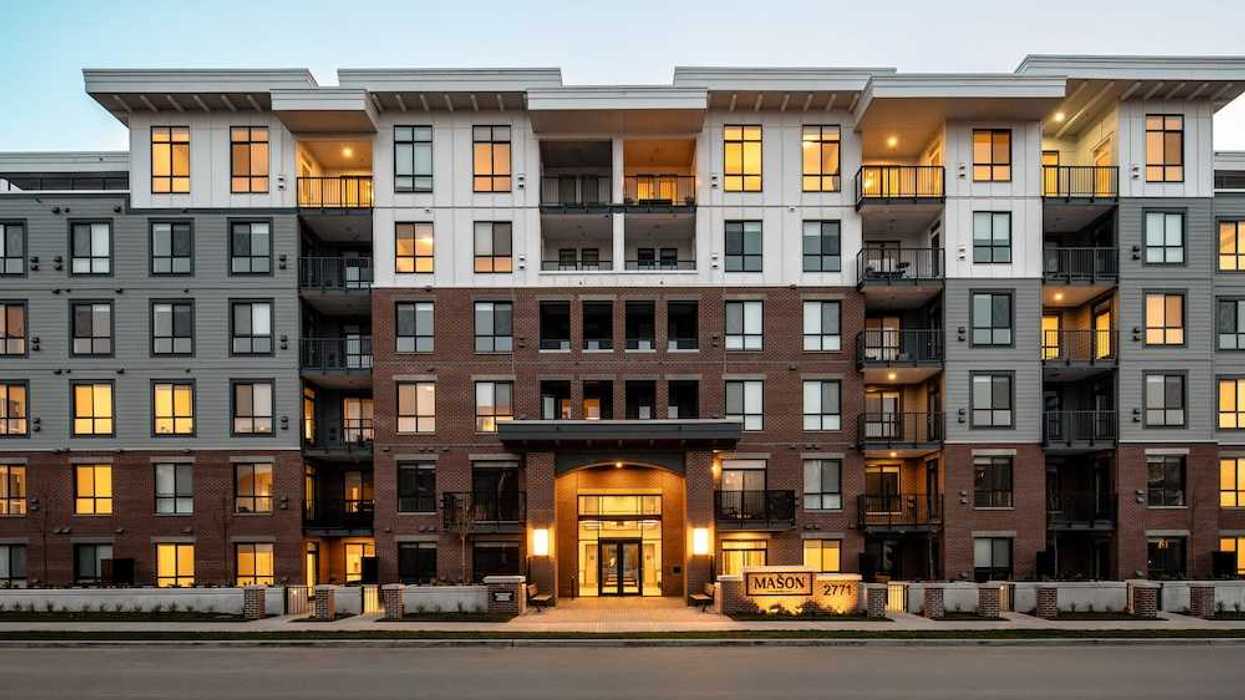
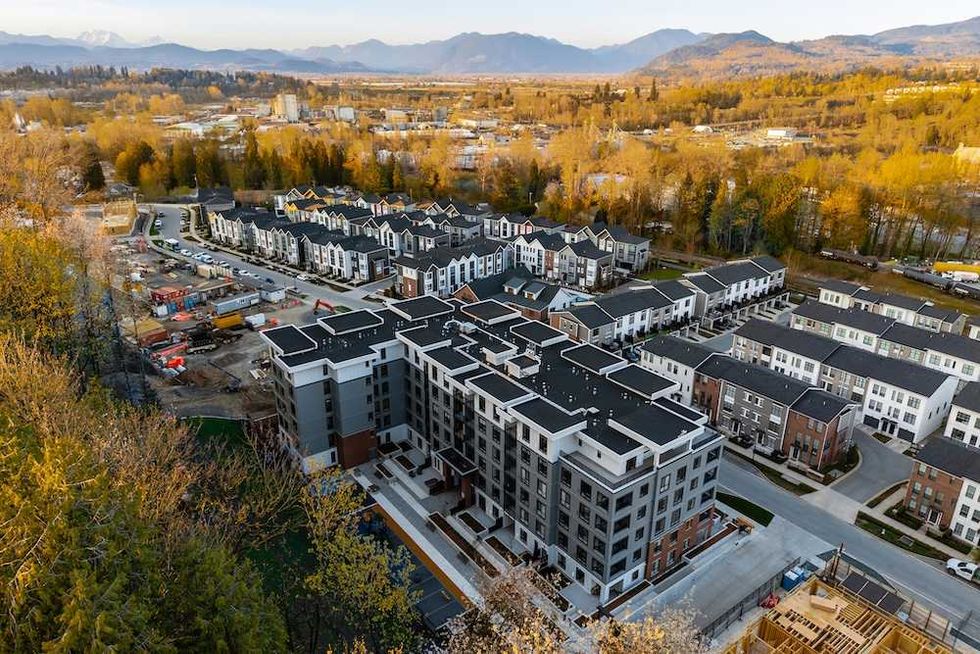
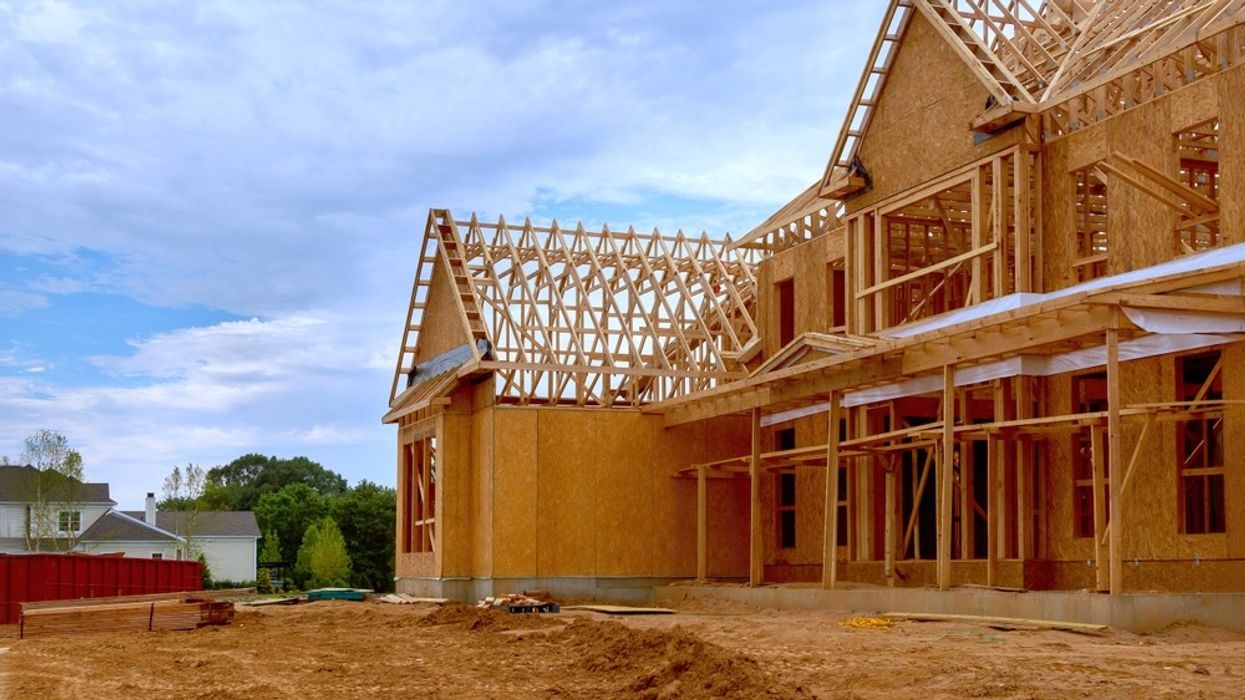
New construction refers to properties that are recently built or in the process of being built, typically offered by developers or homebuilders before or just after completion.

Why New Construction Matters in Real Estate

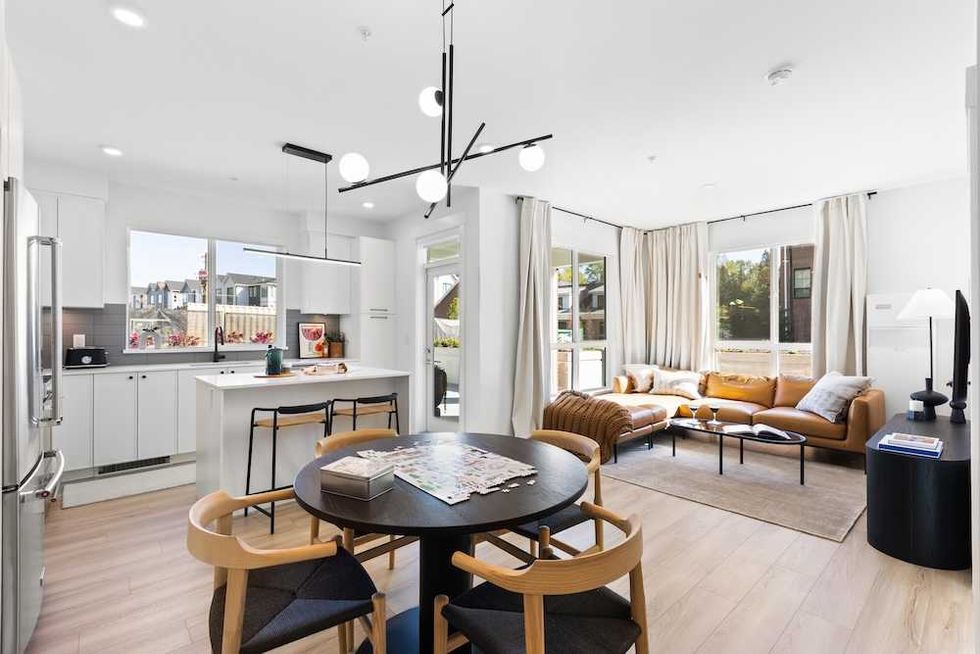
In Canadian real estate, buying new construction can offer customization options, modern layouts, and energy-efficient features. It also involves unique financial and legal considerations compared to resale properties.

Key characteristics include:

  • Purchase via builder or developer contract
  • Pre-construction or quick possession availability
  • GST/HST applicability on new homes
  • Coverage under provincial home warranty programs (e.g., Tarion in Ontario)
Buyers typically pay a deposit in stages and may wait months or years for possession. Interim occupancy may occur before final closing in condo developments. Legal advice is critical to review the Agreement of Purchase and Sale, builder obligations, and timelines.Understanding new construction ensures that buyers are prepared for long build cycles, staged payments, warranty protections, and post-completion responsibilities like deficiency review.

Example of New Construction

A buyer purchases a new construction townhouse with an estimated occupancy in 18 months and selects finishes like cabinetry and flooring upgrades during the design phase.

Key Takeaways

  • Involves purchase of newly built homes.
  • Requires staged payments and longer timelines.
  • Includes warranties and GST/HST.
  • Legal review of contracts is essential.
  • Buyers often choose design features.

Related Terms

  • Builder Compliance
  • Tarion Warranty
  • Interim Occupancy
  • Deposit Structure
  • Agreement of Purchase and Sale

Additional Terms

Public Realm Improvements

Public realm improvements are enhancements to public spaces such as sidewalks, parks, plazas, and streetscapes, often funded or contributed by. more

Mortgagee in Possession

A mortgagee in possession is a lender who takes control of a property after borrower default, but before foreclosure or power of sale. The lender. more

Lease Surrender Agreement

A lease surrender agreement is a negotiated contract between a landlord and tenant that ends a lease before its scheduled expiration. Terms may. more

Green Infrastructure

Green infrastructure refers to natural or engineered systems that manage stormwater, reduce heat, and improve sustainability in developments.. more

Escrow Holdback

An escrow holdback is a portion of funds withheld at closing and held in escrow until specific conditions are met, such as completion of repairs,. more

Underused Housing Tax

The Underused Housing Tax (UHT) is a federal annual 1% tax on the value of vacant or underused residential property owned by non-resident,. more

More For You

Crestpoint Buys 145 Wellington For $50.8M, Site Slated For H&R REIT Tower

The office tower at 145 Wellington Street West in Toronto (left) and the planned 65-storey tower (right). / Sullivan Law | Partisans with Turner Fleischer

The downtown Toronto office building located at 145 Wellington Street West — that was set to be redeveloped into a 65-storey tower — has officially been sold, leaving the fate of the planned project up in the air.

The 13-storey Class A office building constructed in 1987 — located kitty-corner from Roy Thompson Hall and just one block away from the Metro Toronto Convention Centre — was formerly owned by Toronto-based H&R REIT (TSX: HR.UN), which has made various development proposals over the years.

Keep ReadingShow less
If The Future Of Toronto Depends On Density, Why Do We Punish Those Who Embrace It?
Landscape view of Toronto downtown in winter.

This article is authored by Carl Laffan, who provides architectural services in Toronto, specializing in office, residential, and mixed-use projects.

The City of Toronto’s recent “gentle-density” initiative, permitting multiplexes as-of-right across the city, was proposed as an inoffensive introduction of low-rise density within the single-family neighbourhoods that cover 70% of Toronto. Although well researched and widely supported, political pressure from local opposition groups ultimately imposed bedroom caps and size limits, effectively neutering the initiative. During a period when the Canada Mortgage and Housing Corporation reported we needed 150,000 new homes, multiplex permits issued since its adoption are reported to provide only 1,288: the equivalent of two high-rise towers.

Keep ReadingShow less
OLT Advances Condo Atop 120-Year-Old Queen West Post Office

Rendering of 1117 Queen Street West from November 2023 proposal/Giannone Petricone Associates

It’s been over two years since plans to adaptively reuse one of Toronto's oldest purpose-built postal offices were submitted to the City. Two refusals, three revisions, and an Ontario Land Tribunal (OLT) hearing later, the project finally has the go-ahead it sought back in November 2023.

The plans for 1117 Queen Street West have remained relatively true to the applicant’s original vision: a 29-storey condo tower integrated into a former Canada Post building, known as the Postal Station C. Featuring Beaux-Arts architecture and designed by Samuel George Curry in 1902, the building has been listed on the City Heritage Register since June 1973.

Keep ReadingShow less
Rental Is Having A Moment, And This Firm Is Building For It

1141 Bloor Street West, Toronto/Hazelview

For more than 25 years, Hazelview Investments has been shaping Canada’s real estate landscape.

With presence in six provinces and more than 20 cities across the country, the company has grown into a trusted partner for investors, developers, planners, and residents alike.

Keep ReadingShow less
BC Raises Taxes, Adjusts Housing Investments, And Partners With Build Canada Homes

BC Minister of Housing & Municipal Affairs Christine Boyle and federal Minister of Housing Gregor Robertson. (Government of British Columbia)

This week, a series of announcements were made that will go a long way towards shaping what the near future of government investment in housing looks like in British Columbia.

On Tuesday, right after the long weekend, the Province unveiled Budget 2026, confirming what was widely expected to be a record-setting deficit. In 2022, the Province had a $1.3 billion budget surplus. A few years later, the Province is now projecting a deficit of $13.3 billion for 2026-2027.

Keep ReadingShow less
Hyde Park Homes Purchases Berkeley Church, Cites Plans To Reopen Fall 2026

The Berkeley Church at 315-317 Queen Street East in Toronto/Google Maps

More than two years after its parent company, Berkeley Events, was placed under receivership, Toronto’s Berkeley Church has been purchased by Hyde Park Homes, with the company revealing to STOREYS that they have plans to reopen the historic event venue later this year.

Built in 1871, the three-storey, brick-faced building at 315-317 Queen Street East in Corktown was initially a Wesleyan Methodist Church. In 1999, the space was converted into an event venue, used for weddings, corporate events, parties, conferences, and even some concerts (Tegan and Sara, Feist, and the Yeah Yeah Yeahs, just to name a few). The property was designated under the Ontario Heritage Act in 1997.

Keep ReadingShow less
CREA: Winter Storms Suppress January Home Sales
Max Sandelin/Unsplash

Canadian home sales started 2026 on a colder note, with activity dampened by severe winter weather across parts of the country.

According to new data released Tuesday by the Canadian Real Estate Association (CREA), home sales recorded over Canadian MLS® Systems fell 5.8% month-over-month in January. Actual (not seasonally adjusted) sales were also 16.2% lower than in January 2025.

Keep ReadingShow less
New (Free) Guide Shows Toronto Homeowners How To Tap Into ‘Missing Middle’

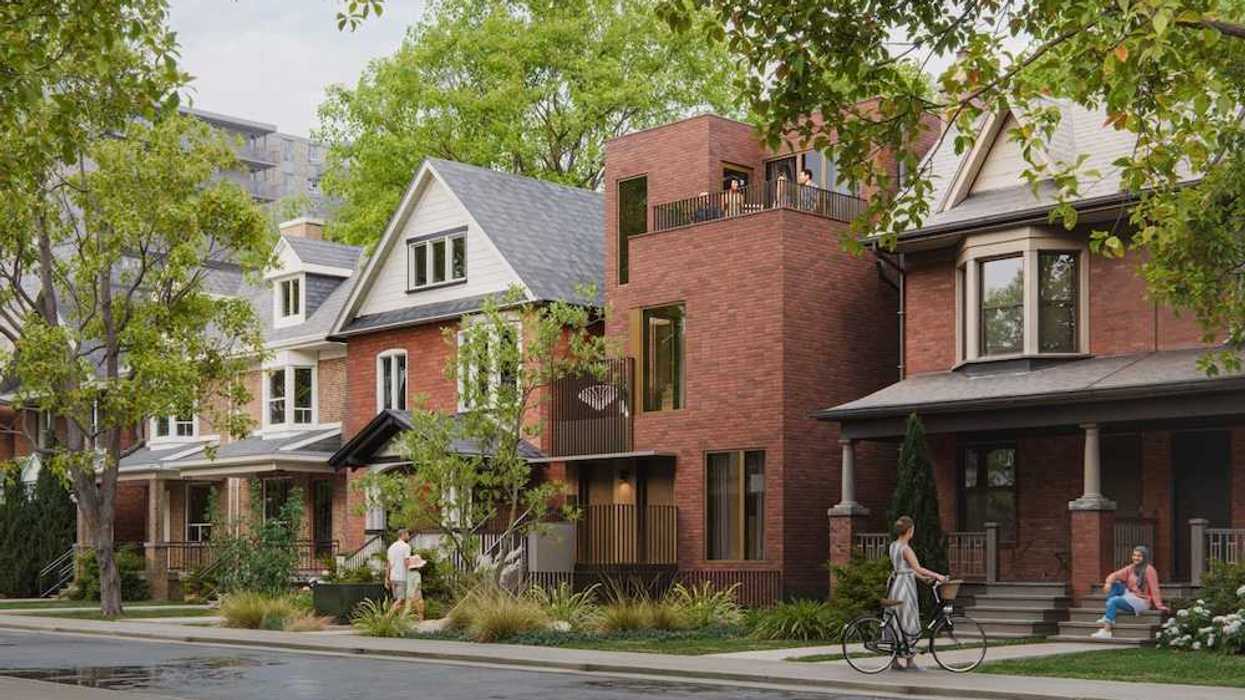
'Missing Middle' housing in Toronto

Liam Gill doesn’t describe himself as a developer, but that hasn’t stopped him from carving out a place in Toronto’s development landscape. Now, the lawyer and tech entrepreneur wants to help others do the same with his Citizen Developer’s Guide, released Wednesday morning in collaboration with More Neighbours Toronto.

The guide is designed for people like Gill — those without a formal background in real estate development, but with an interest in densifying their own home or investment property. Throughout the document, Gill walks readers through how to estimate build costs, cash flow projections, and ultimate market value, and go about the zoning, permitting, and financing processes.

Keep ReadingShow less