Investment Property
Understand what investment property means in Canadian real estate, how it generates income, and what tax and financing rules apply to investors.

May 22, 2025
What is an Investment Property?
An investment property is real estate purchased with the intention of generating income or profit, rather than being used as a primary residence.
Why Investment Properties Matters in Real Estate
In Canadian real estate, investment properties can take the form of rental homes, condos, duplexes, or multi-unit buildings. Investors purchase these properties to earn rental income, benefit from appreciation, or both.
Unlike a principal residence, investment properties are subject to capital gains tax upon sale, and rental income must be reported for tax purposes. Owners can, however, deduct certain expenses—including mortgage interest, property taxes, maintenance, and depreciation—to offset rental income.
Lenders often require larger down payments (typically 20% or more) for investment properties, and mortgage rates may be higher due to increased risk. Investors must also be prepared for vacancy periods, repairs, and property management duties.
Successful real estate investing requires understanding market trends, zoning rules, landlord-tenant laws, and financial planning strategies.
Example of an Investment Property
A buyer purchases a duplex in Hamilton and rents out both units. The monthly rental income exceeds the mortgage payment, generating positive cash flow.
Key Takeaways
- Purchased to generate income or profit.
- Subject to specific tax rules and regulations.
- Requires a larger down payment and careful financial planning.
- Offers potential for appreciation and cash flow.
- Can be held short- or long-term depending on investment goals.
Related Terms
- Principal Residence
- Capital Gains Tax
- Rental Income
- Landlord
- Cash Flow
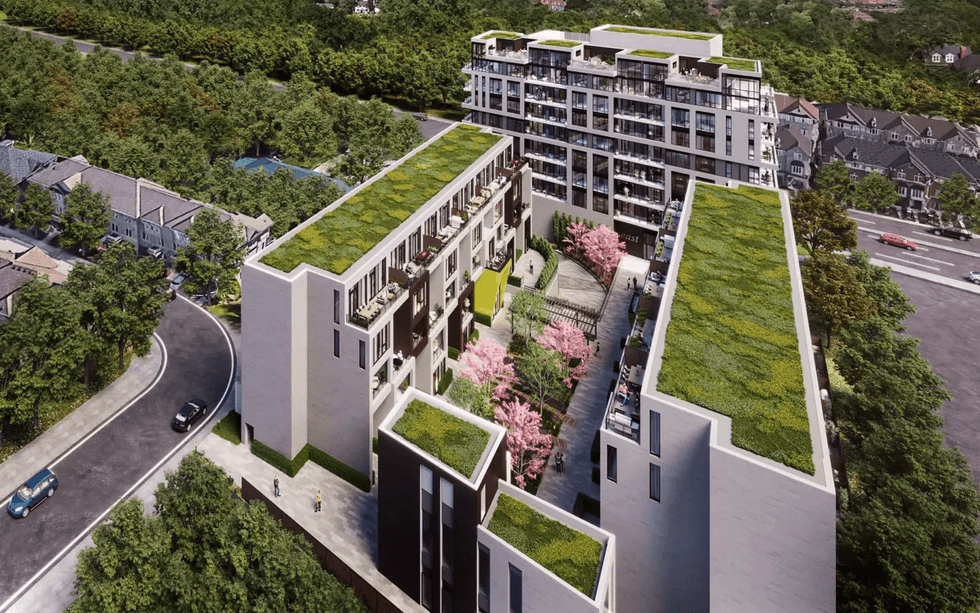 A rendering of the EverHome project. (The Sher Corporation)









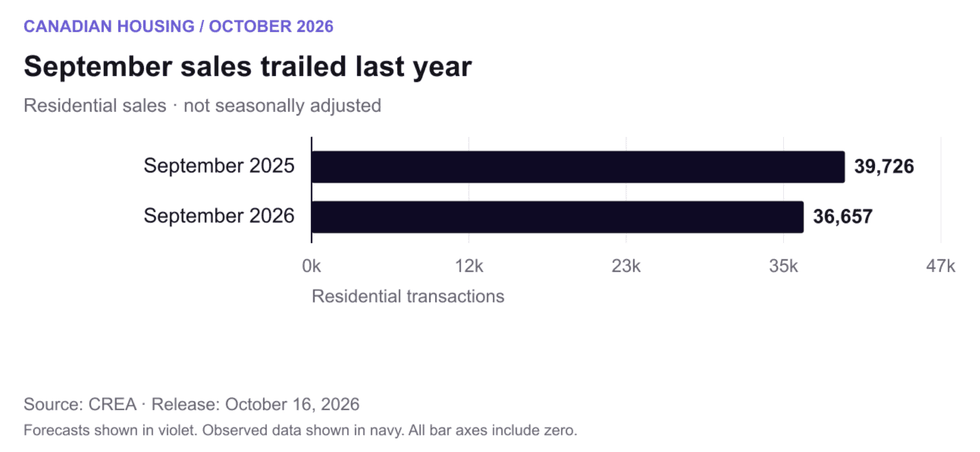 September residential sales, not seasonally adjusted; the annual comparison uses CREA’s revised figures. Chart:
 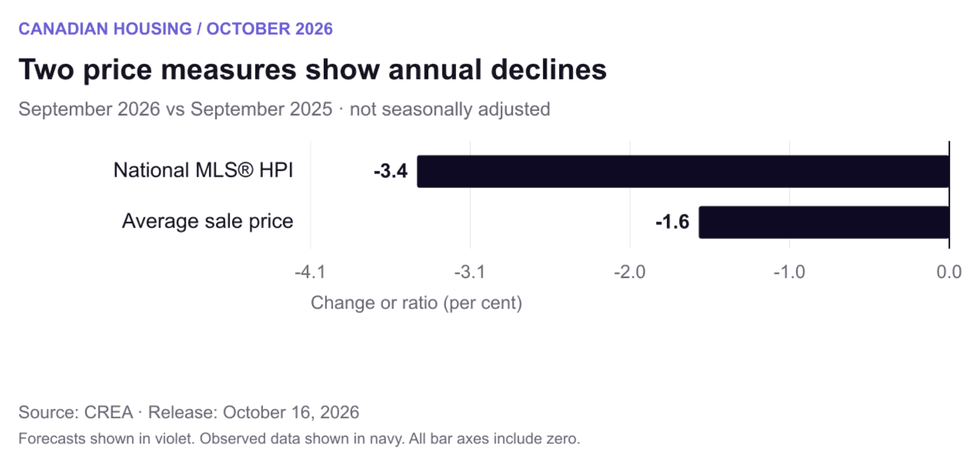 Annual changes in the unadjusted national MLS® HPI and average sale price. The average is affected by the mix of transactions. Chart:
 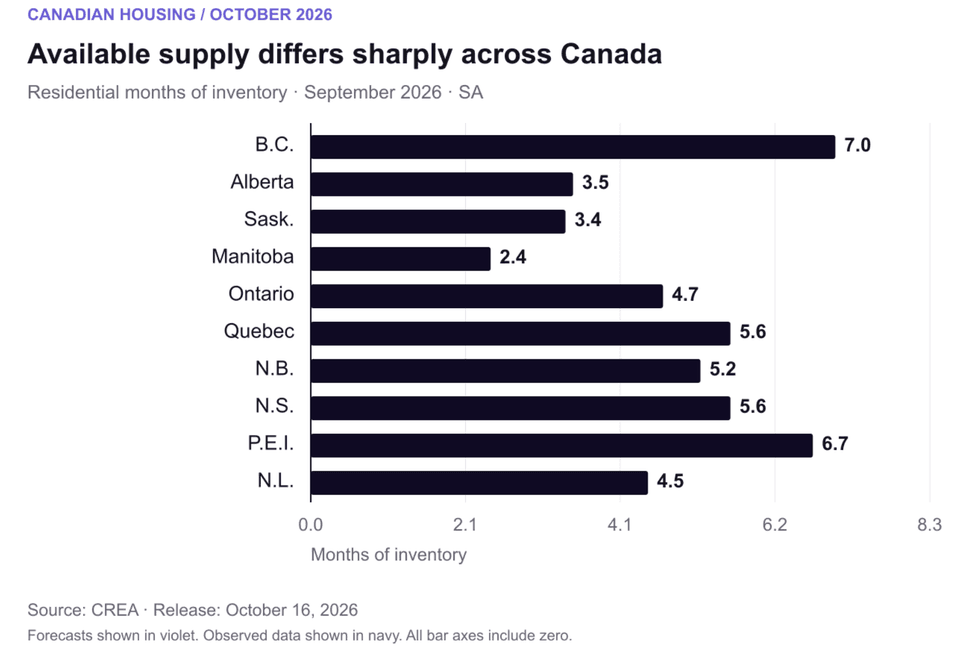 Seasonally adjusted residential months of inventory by province. Local property types can differ substantially. Chart:
 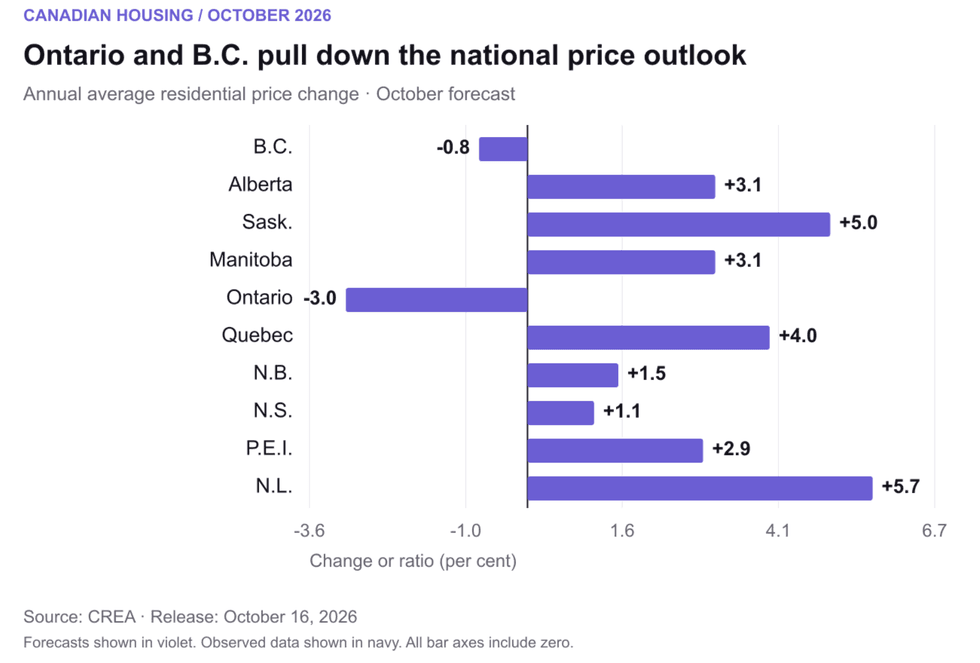 Ontario and B.C. are the two provinces with forecast annual average-price declines in 2026. Chart:
 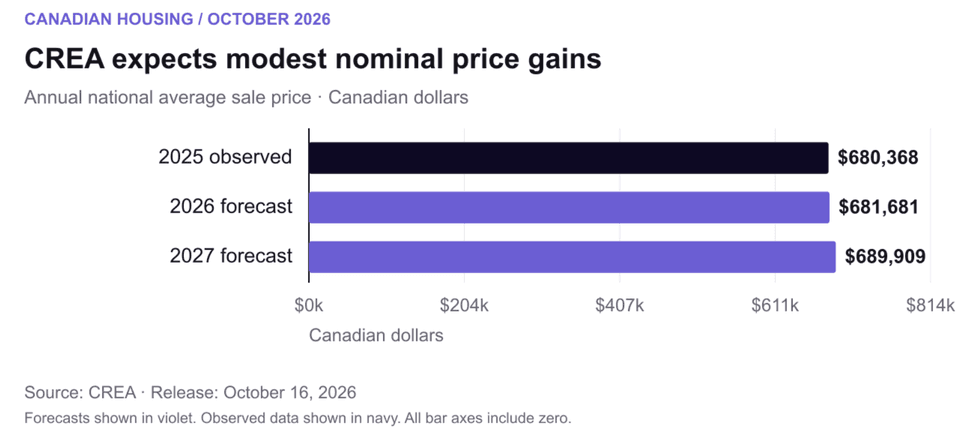 Annual average transaction prices in Canadian dollars. Forecast values are not December price targets. Chart:
 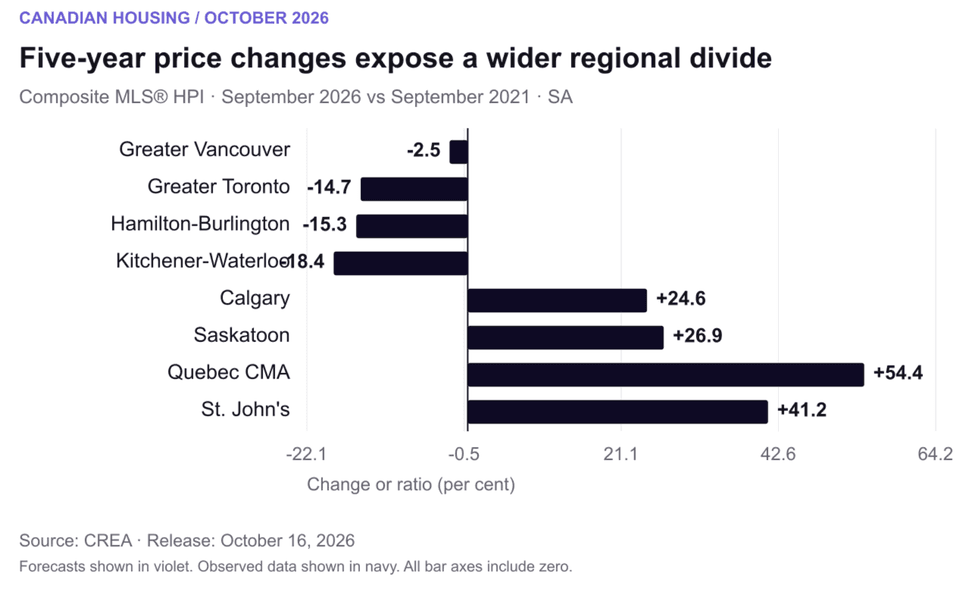 Five-year changes in seasonally adjusted composite MLS® HPI benchmarks, September 2021 to September 2026. Chart: