Principal Residence

Learn what qualifies as a principal residence in Canadian real estate, how it affects taxes, and why proper designation is key to maximizing exemptions.

Principal Residence


What is a Principal Residence?

A principal residence is the main home a person regularly inhabits and is eligible for certain tax exemptions under Canadian law.

Why Principal Residences Matter in Real Estate

In Canadian real estate, designating a property as your principal residence has significant tax implications. Most notably, it allows homeowners to claim the Principal Residence Exemption, which exempts capital gains from taxation when the home is sold.

To qualify as a principal residence:

  • The owner must live in the home regularly (even part of the year).
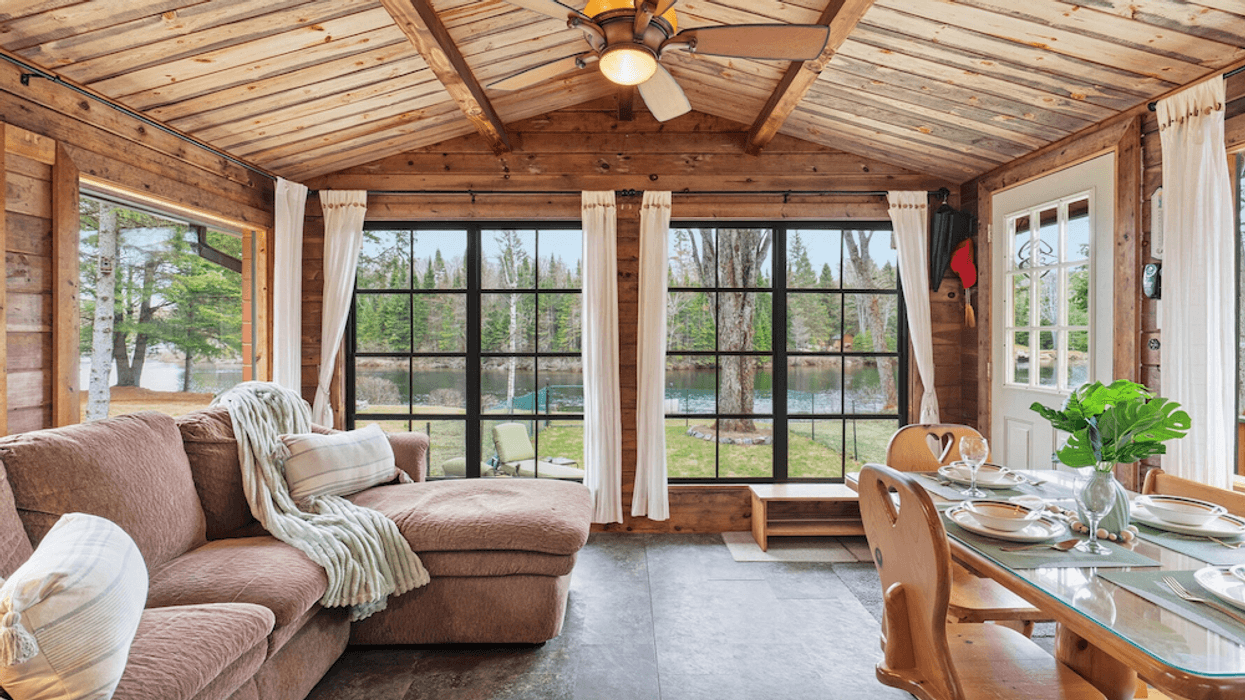
  • It can be a house, condo, cottage, or mobile home.
  • The property must be owned (not rented) and not primarily used to generate income.

Only one property per family unit (you, your spouse or common-law partner, and minor children) can be designated per year. Designations are reported to the Canada Revenue Agency (CRA) when the home is sold.

Understanding how principal residence rules work is crucial for tax planning, especially for owners of multiple properties. Incorrect or missed designations may result in unnecessary tax liabilities.

Professional advice can help homeowners optimize exemptions, especially when selling investment or vacation properties.

Example of a Principal Residence

A family sells their Toronto home for a $250,000 profit. Because it was their principal residence for the entire ownership period, they pay no capital gains tax.

Key Takeaways

  • Your primary, regularly inhabited home.
  • Eligible for capital gains tax exemption upon sale.
  • Only one property per family can be designated each year.
  • Must be reported to the CRA when sold.
  • Important for tax and estate planning.

Related Terms

Additional Terms

Public Realm Improvements

Public realm improvements are enhancements to public spaces such as sidewalks, parks, plazas, and streetscapes, often funded or contributed by. more

Mortgagee in Possession

A mortgagee in possession is a lender who takes control of a property after borrower default, but before foreclosure or power of sale. The lender. more

Lease Surrender Agreement

A lease surrender agreement is a negotiated contract between a landlord and tenant that ends a lease before its scheduled expiration. Terms may. more

Green Infrastructure

Green infrastructure refers to natural or engineered systems that manage stormwater, reduce heat, and improve sustainability in developments.. more

Escrow Holdback

An escrow holdback is a portion of funds withheld at closing and held in escrow until specific conditions are met, such as completion of repairs,. more

Underused Housing Tax

The Underused Housing Tax (UHT) is a federal annual 1% tax on the value of vacant or underused residential property owned by non-resident,. more

More For You

Canadian Housing Starts Lost Steam In March, CMHC Data Shows
Toronto homes/Shutterstock

New data from Canada Mortgage and Housing Corporation shows housing construction continued to lose momentum in March 2026, even as year-over-year comparisons painted a rosier picture.

The six-month trend in housing starts fell 2.9% to 248,378 units, while the total monthly seasonally adjusted annual rate dropped 6% to 235,852 units — down from 250,961 in February. Actual housing starts in centres with a population of 10,000 or greater were up 10% year-over-year, with 16,398 units recorded compared to 14,935 in March 2025. Year-to-date starts sit at 49,206 units, up 9% from the same period last year, led by British Columbia, Ontario, and Quebec.

Keep ReadingShow less
Mortgage Rates, Uncertainty Kept Canadian Buyers Sidelined In March
Paul Hanaoka/Unsplash

New data from the Canadian Real Estate Association shows national home sales were essentially unchanged in March 2026, ticking down just 0.1% month-over-month — but the stability masks a more complicated picture.

Actual (not seasonally adjusted) sales came in 2.3% below March 2025, while the national average home price landed at $673,084, down 0.8% year-over-year. The MLS® Home Price Index Composite fell 0.4% month-over-month and was down 4.7% compared to March 2025 — though the month-over-month decline was smaller than in February, and roughly half the drop recorded in January.

Keep ReadingShow less

Coady Avenue has a reputation in Leslieville — the kind that gets passed around at farmers' markets and mentioned in the same breath as its annual fall street party.

It's a stretch that people move to and simply don't want to leave. And 30 Coady is a good argument for why.

Keep ReadingShow less
Zenterra Breaks Ground At Clayton Crest In Surrey

Zenterra Developments

While developers across Metro Vancouver and the Fraser Valley have been pulling back — cancelling projects and stalling timelines as financing tightens and buyer demand softens — Zenterra Developments is moving forward.

The Surrey-based builder has officially broken ground at Clayton Crest, its master-planned community at 18088 72nd Avenue in West Clayton. The milestone follows a successful pre-sales launch for the community's first two buildings, Atlin and Bute, which sold enough homes to green light construction.

Keep ReadingShow less
Canadian Construction's Biggest Event Is Coming To Toronto's Waterfront

George Brown Polytechnic

If you work in construction — or anywhere adjacent to it — SiteSummit 2026 is the event to circle on your calendar.

Presented by STOREYS' sibling publication SiteNews, in partnership with EllisDon, the 2026 rendition of the can't-miss experience will land June 23-24 at George Brown College's waterfront campus in Toronto.

Keep ReadingShow less

Alto and its partner Cadence — the corporations behind Canada’s first proposed high-speed rail network — announced in late March that they would be moving forward with the next phase of the project’s environmental study, including requesting access to private properties to determine the best pathway for track laying.

The $60-$90 billion project, which was first announced last February, will span roughly 1,000 km between Toronto, Peterborough, Ottawa, Montreal, Laval, Trois-Rivières, and Quebec City. Travelling at speeds of 300 km/h or more, the electric rail network will reduce the travel time between Toronto and Montreal to just three hours.

Keep ReadingShow less
CreateTO Files Plans To Bring New Affordable Units To Strachan House Site

Strachan House at 805 Wellington Street West/CreateTO, DTAH Architects

CreateTO, the City of Toronto’s dedicated housing agency, is forging ahead with a mixed-income housing community at 805 Wellington Street West — the location of the Strachan House building in Liberty Village.

Strachan House was built in 1888 and served an 80-year stint as a major lumber planing mill under John B. Smith & Sons. In 1989, the property was converted into supportive housing, operated by the Homes First Society, but residents were displaced in early-2022 as the City toyed with redevelopment plans.

Keep ReadingShow less
GTA Home Sales Rise In March As Prices Continue To Fall

Greater Toronto Area resale housing market conditions tightened in March 2026, with sales climbing year-over-year even as selling prices declined — a dynamic that may be offering some buyers a narrowing window of affordability heading into spring.

GTA REALTORS® reported 5,039 home sales through TRREB's MLS® System last month, a 1.7% increase compared to March 2025. At the same time, new listings fell sharply — down 16.7% year-over-year to 14,442 — meaning more buyers are competing for fewer homes than this time last year.

Keep ReadingShow less