Property Tax
Learn how property tax works in Canada, how it's calculated based on assessment values, and what services it supports in your community.

May 22, 2025
What is Property Tax?
Property tax is an annual levy paid by property owners to their local municipality, calculated based on the assessed value of their property.
Why Property Tax Matters in Real Estate
In Canadian real estate, property taxes fund essential community services such as:- Schools and education boards
- Road maintenance and snow removal
- Garbage collection and recycling
- Fire, police, and emergency services
The amount of property tax owed is determined by multiplying the property's assessed value (from a municipal or provincial assessment authority) by the applicable local tax rate (mill rate).
Different property types—residential, commercial, industrial—may be taxed at different rates. Municipalities typically issue tax bills semi-annually or quarterly.
Understanding property tax is vital for budgeting ongoing homeownership costs. Buyers should always factor property tax into affordability calculations and can often estimate future taxes based on the assessment and published mill rates.
Late payments may result in interest charges or liens on the property, so timely payment is essential.
Example of Property Tax
A homeowner in Calgary receives a 2024 property tax bill of $4,200, based on their assessed home value of $700,000 and the municipal mill rate.
Key Takeaways
- Annual tax based on property assessment.
- Funds local services and infrastructure.
- Varies by location and property type.
- Calculated using assessment × tax rate.
- Must be budgeted and paid on time.
Related Terms
- Property Assessment
- Municipal Tax
- Mill Rate
- Homeownership Costs
- Tax Arrears

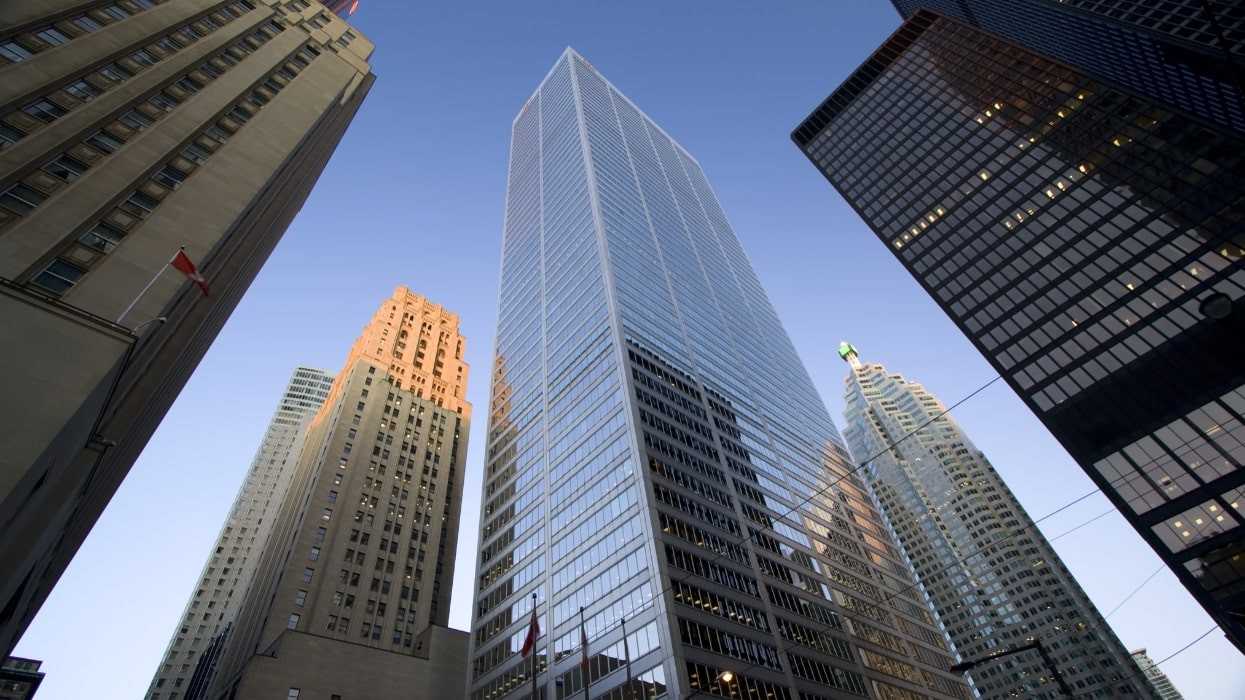
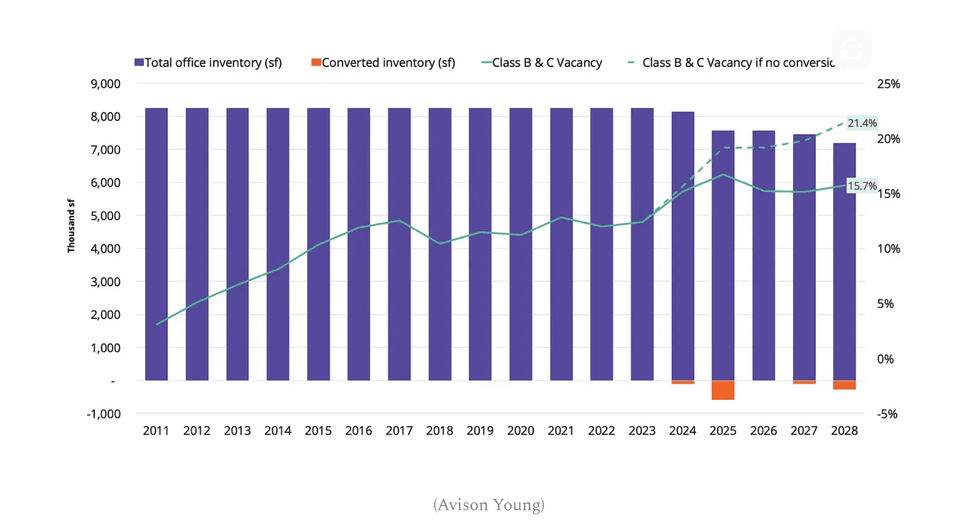 (Avison Young)



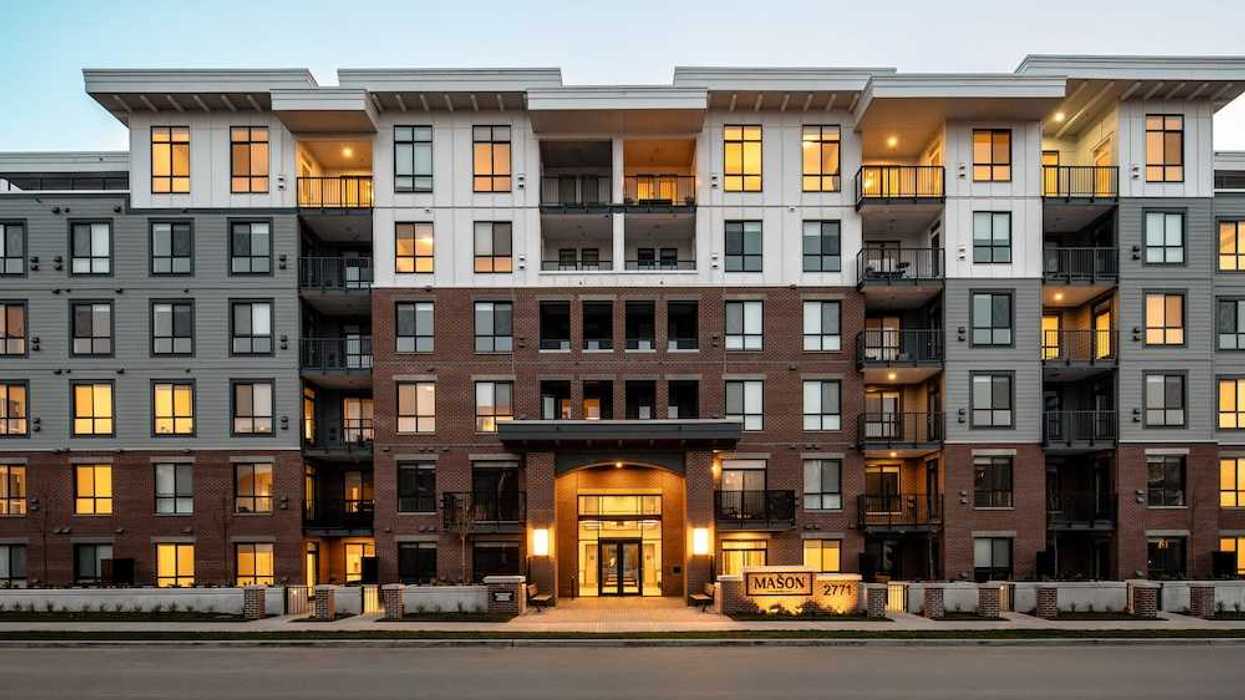
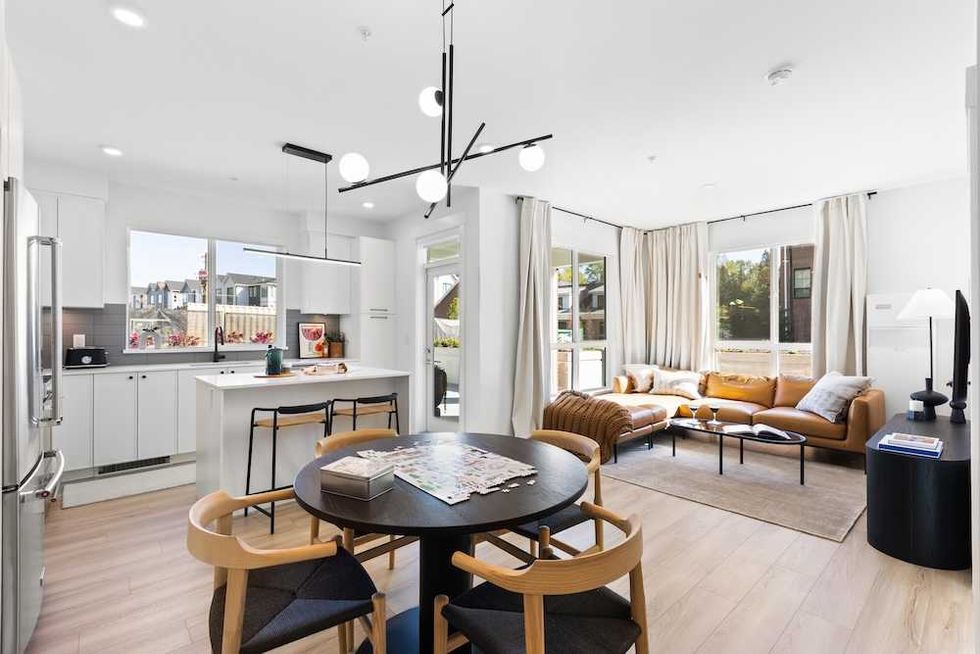 The Mason Suite Interior (Infinity Properties)
 The Mason Suite Interior (Infinity Properties)
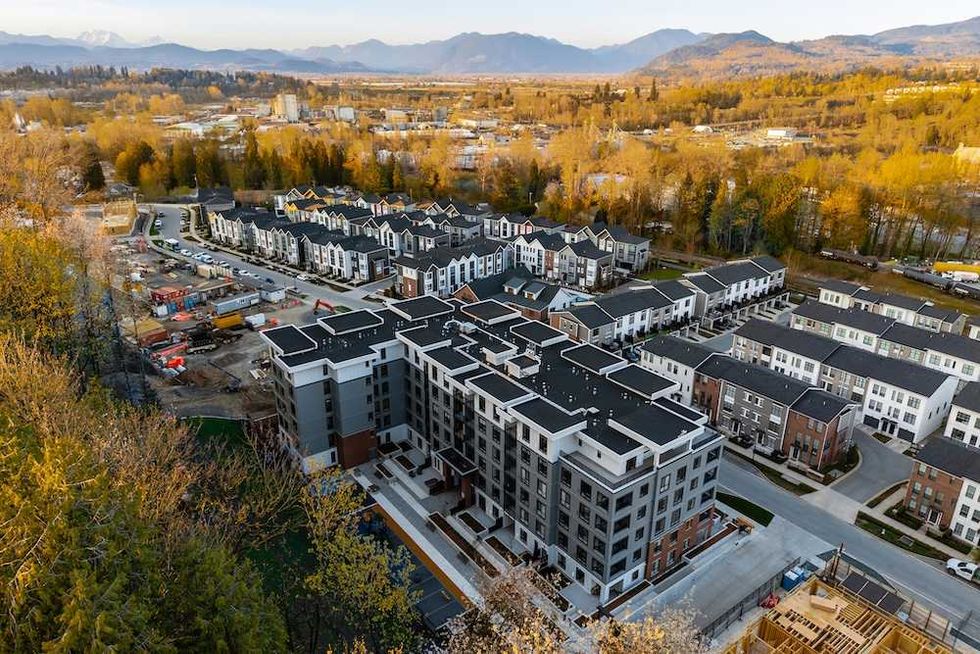 Rail District aerial (Infinity Properties)
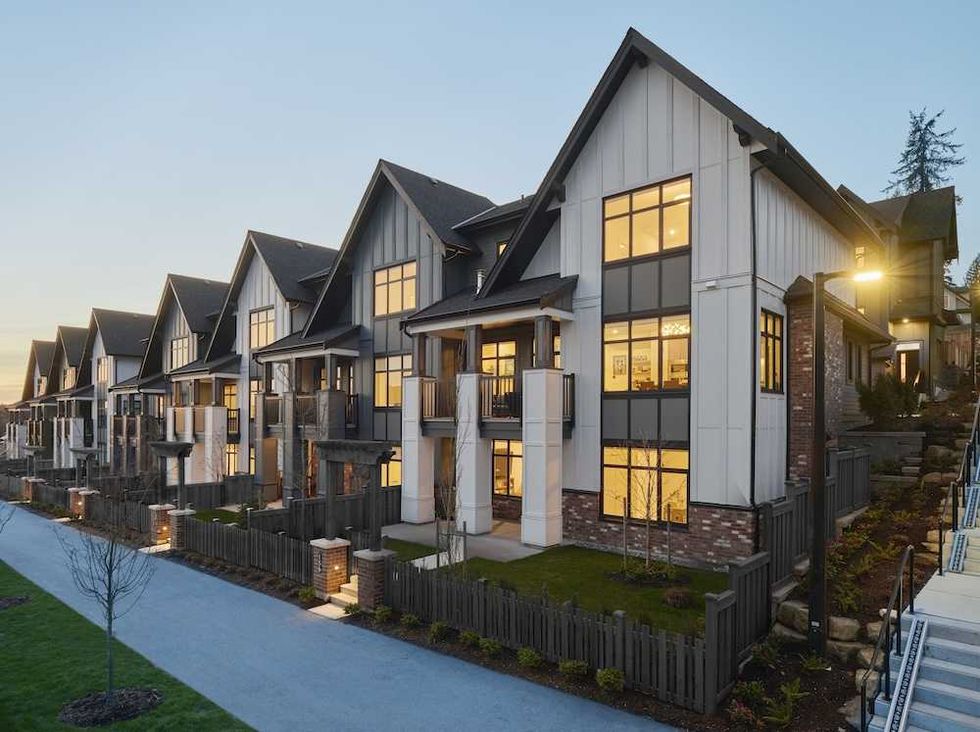 Versant (Infinity Properties)

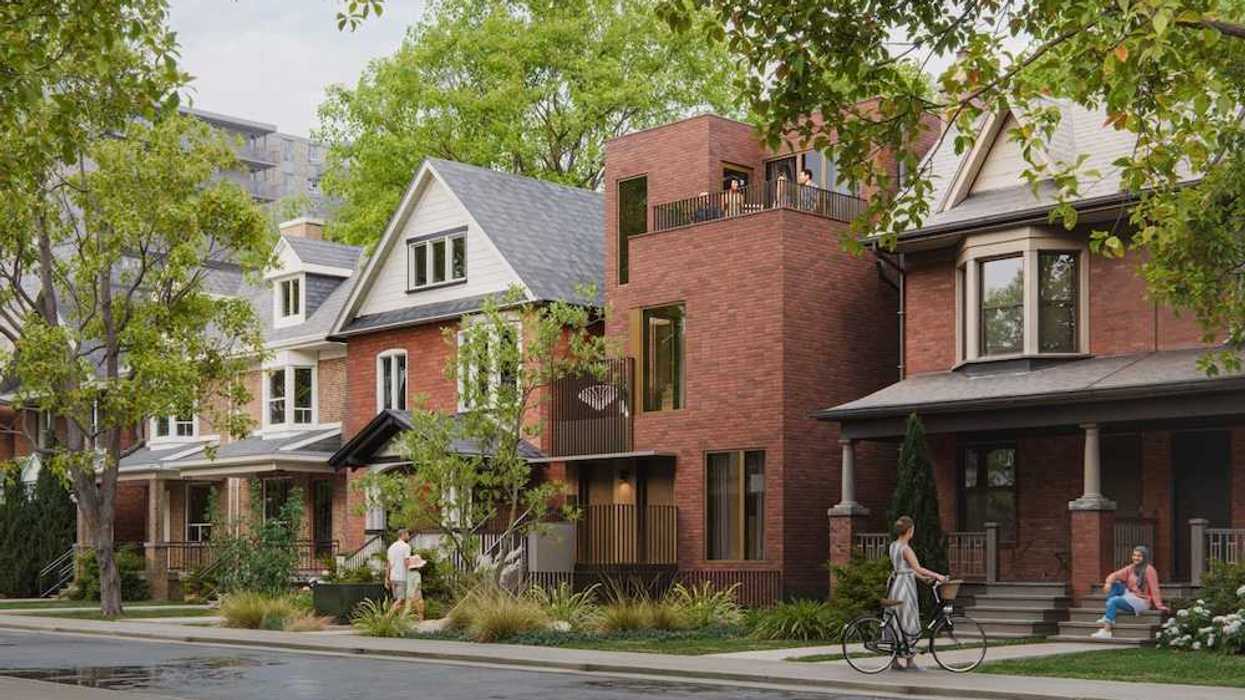
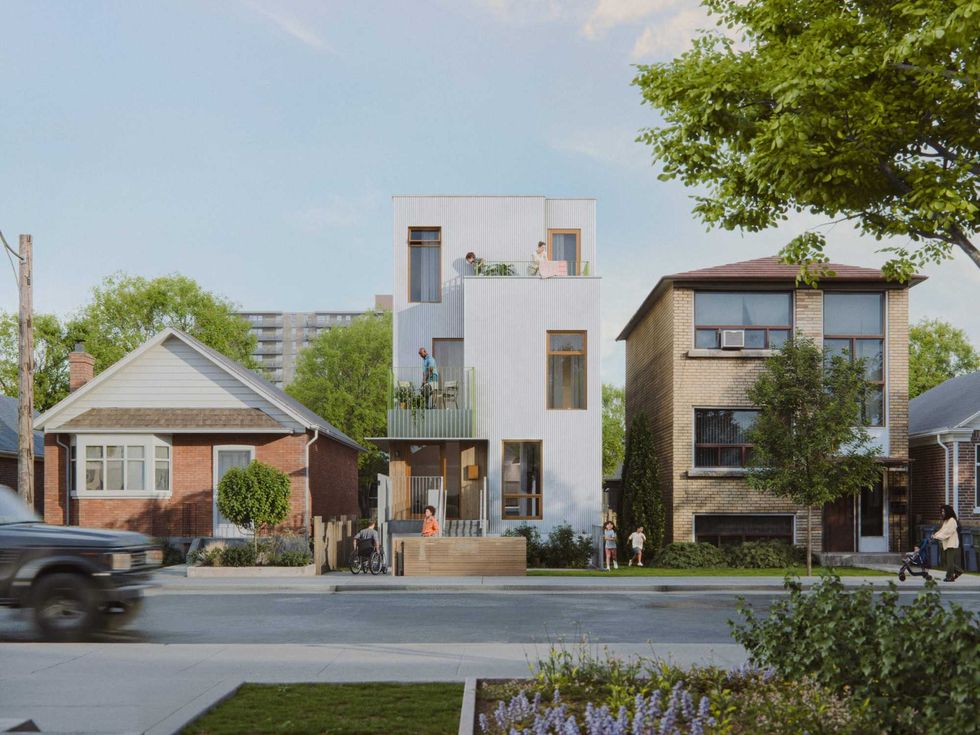 Narrow Fourplex (City of Toronto)
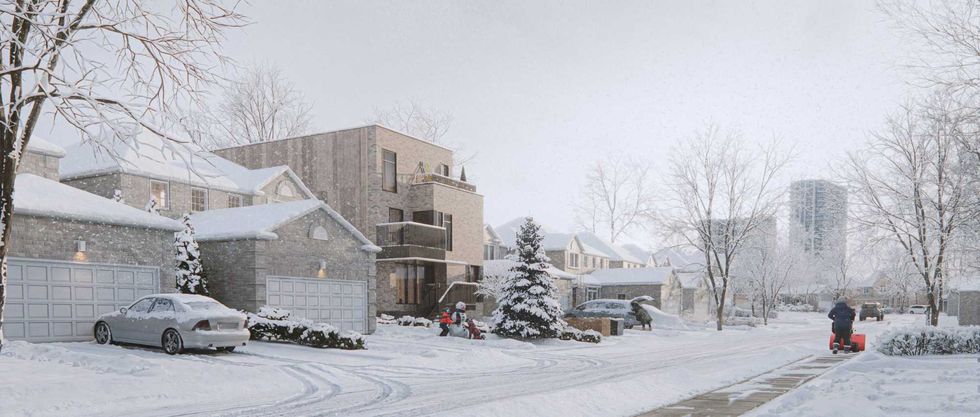 Wide Sixplex - Side View (City of Toronto)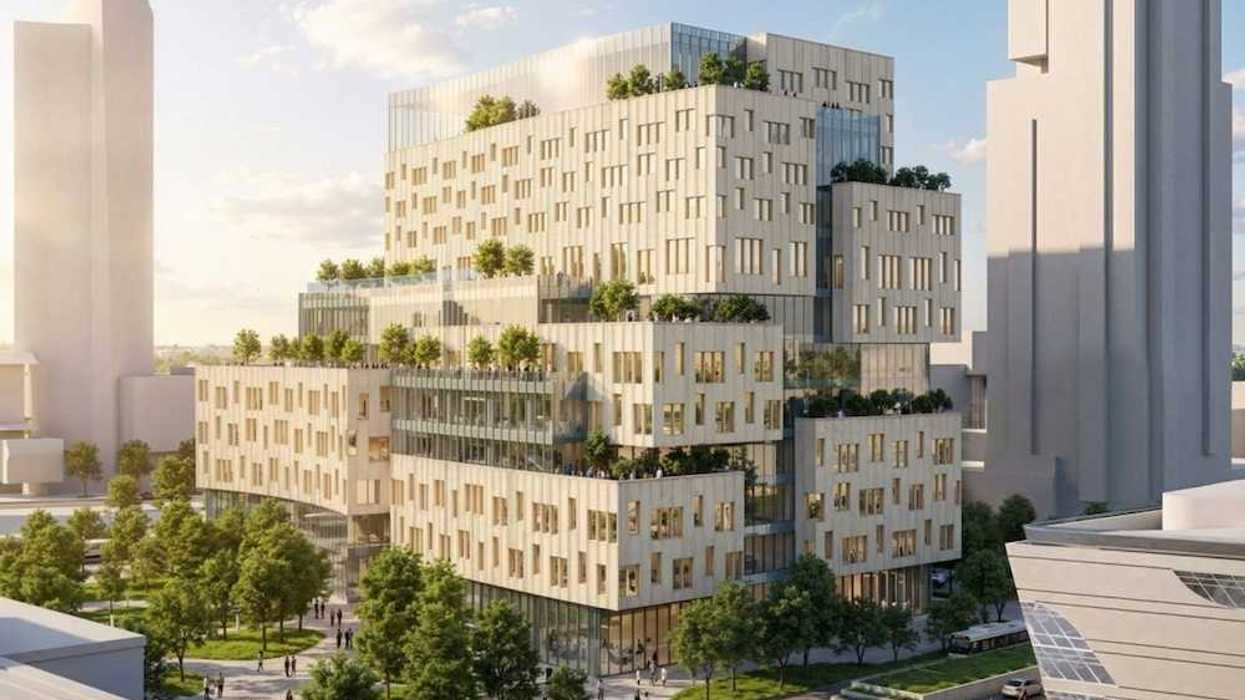
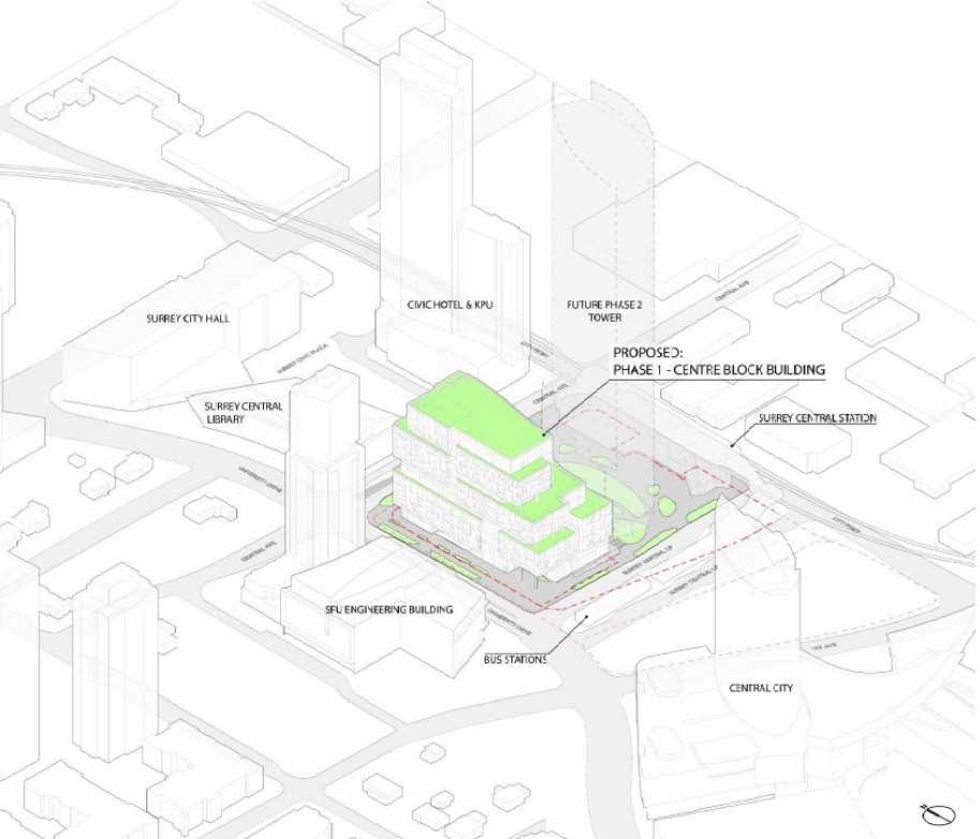 Centre Block and its surrounding context. (Stantec-Revery, SCDC)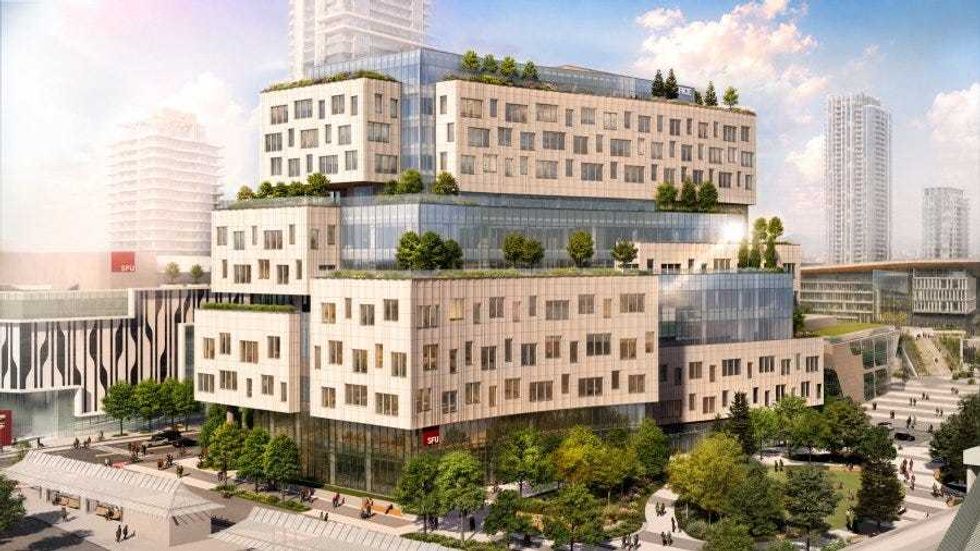
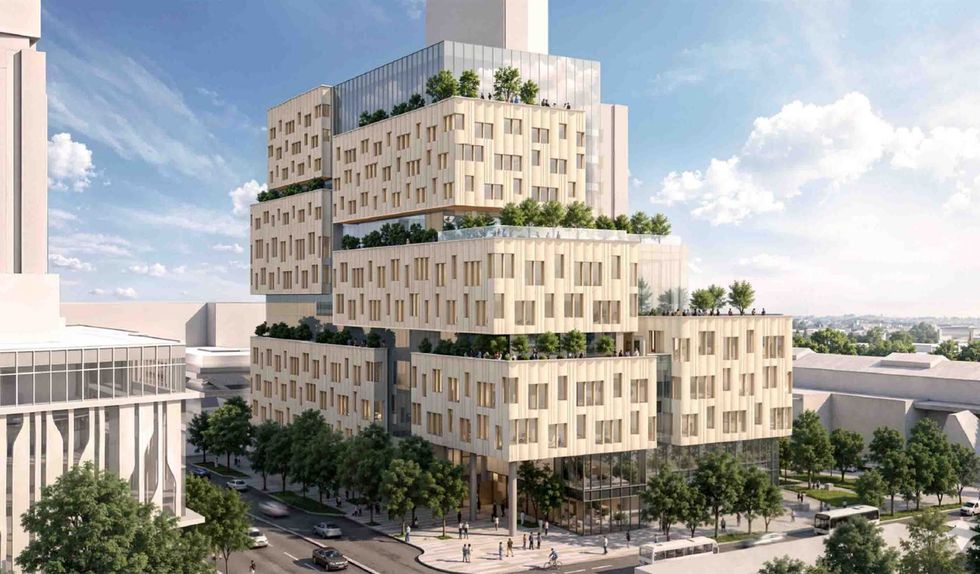 The 12-storey Phase One of Centre Block. (Stantec-Revery, SCDC)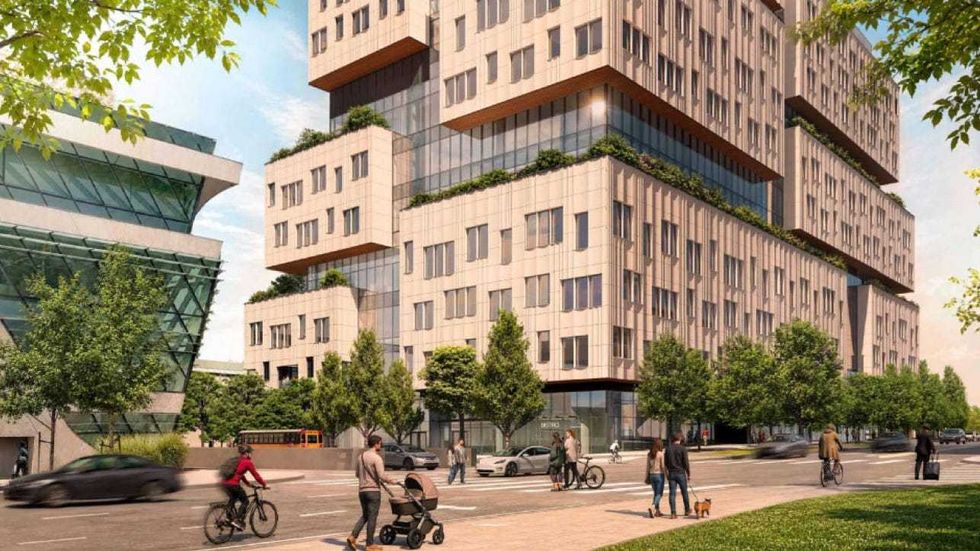
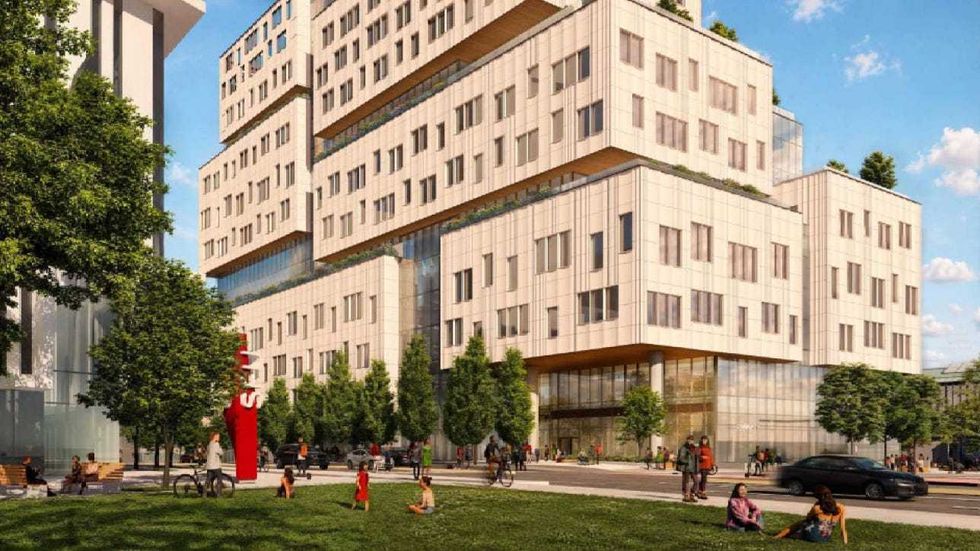 The 12-storey Phase One of Centre Block. (Stantec-Revery, SCDC)
 Mondria One, set for 1607 King Street East in Clarington, Ontario. (ICON Architects Inc., Monde Development Group)