Build-to-Rent
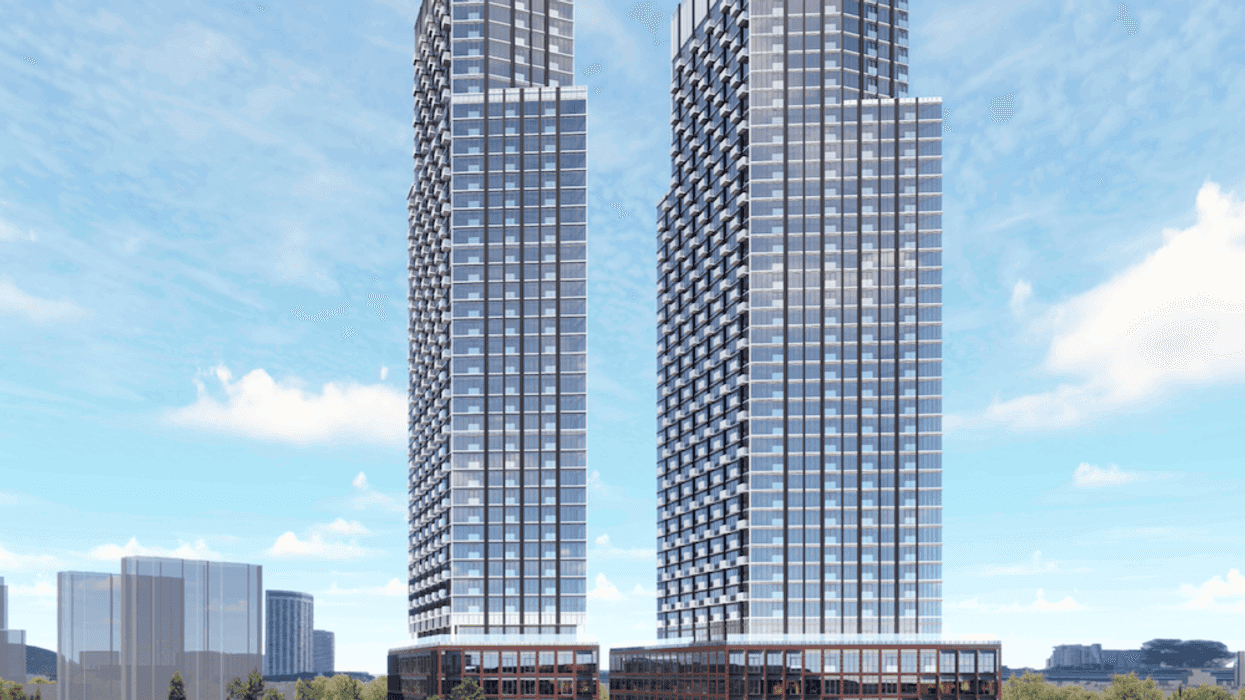
Build-to-rent developments are constructed specifically for the rental market, offering stable, managed housing supply.

September 29, 2025
What is Build-to-Rent?
Build-to-rent refers to residential developments specifically constructed for the rental market rather than for sale. These projects are typically managed by institutional landlords and designed to offer professional management and amenities.
Why Build-to-Rent Matters in Real Estate
Build-to-rent matters in real estate because it diversifies housing supply, attracts long-term investment, and provides tenants with higher-quality rental options. It supports stable rental markets and addresses housing shortages.
Example of Build-to-Rent in Action
A developer builds a 200-unit apartment complex exclusively for rental, offering shared amenities like gyms, co-working spaces, and professional property management.
Key Takeaways
- Projects designed and built exclusively for rental.
- Often backed by institutional investors and managers.
- Offer tenants professional management and amenities.
- Support long-term rental supply and market stability.
- Growing trend in urban housing strategies.
Related Terms
- Purpose-Built Rental
- Rental Market
- Multifamily Housing
- Institutional Investment
- Housing Supply

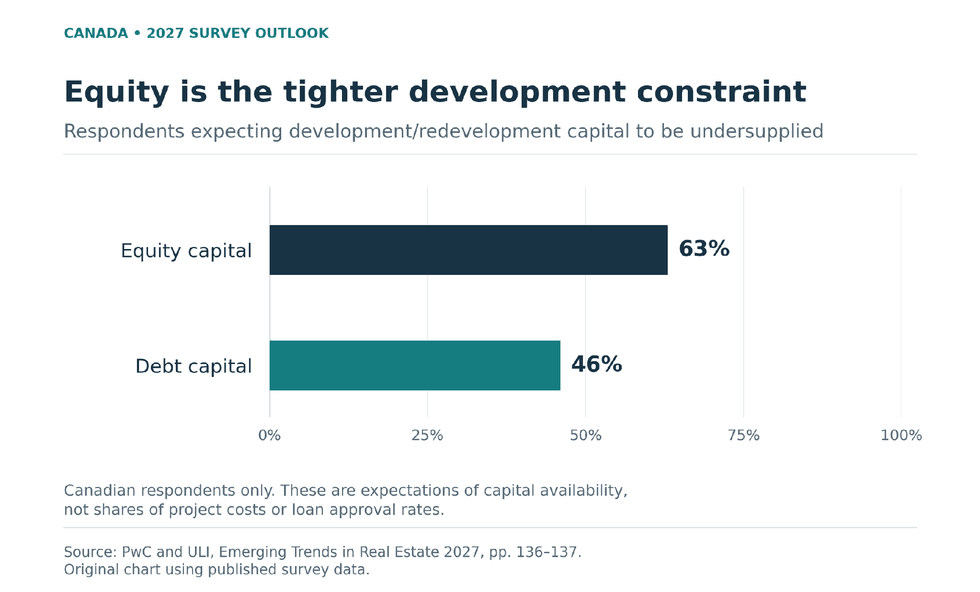 Canadian respondents were more likely to expect an undersupply of development/redevelopment equity capital (63%) than debt capital (46%) in 2027. These are survey expectations, not measured financing volumes. Source: PwC and ULI, Emerging Trends in Real Estate 2027, pp. 136–137. Original chart.
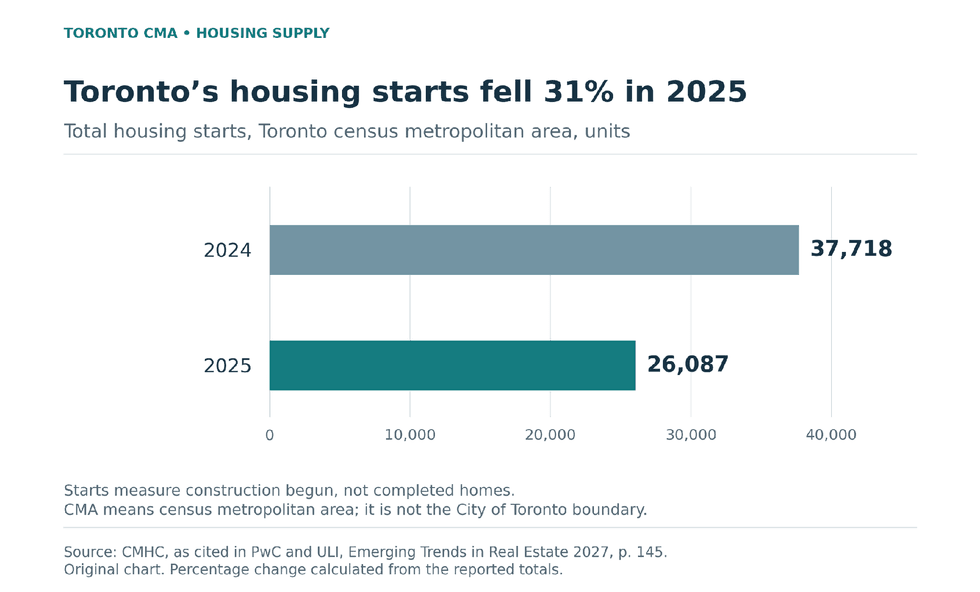 Toronto census metropolitan area housing starts fell from 37,718 units in 2024 to 26,087 in 2025, a 30.8% decline (rounded to 31%). Starts measure construction begun, not completed homes. Source: CMHC, as cited in PwC and ULI, Emerging Trends in Real Estate 2027, p. 145. Original chart.


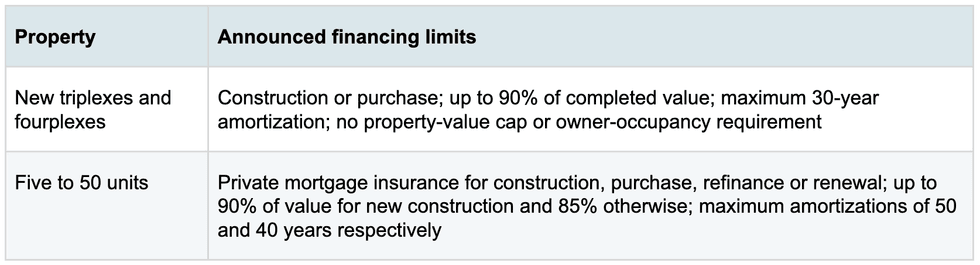
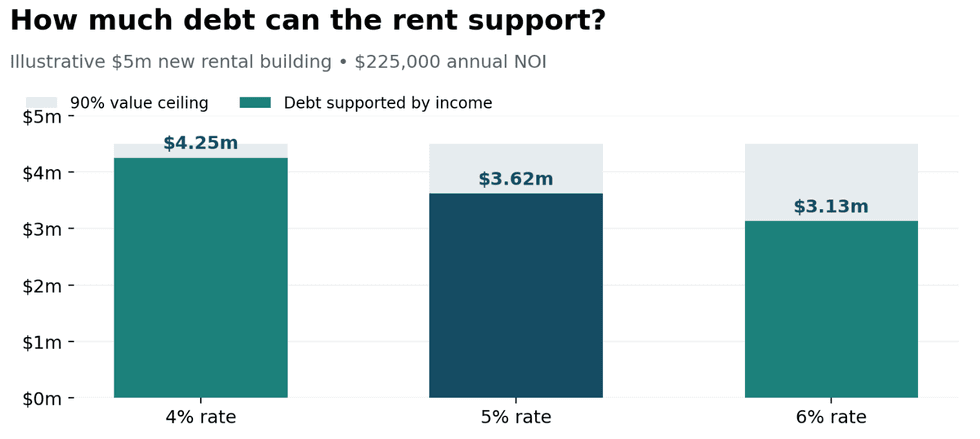 Illustrative calculation: a $4.5-million value ceiling versus income-based capacity of about $4.25 million at 4%, $3.62 million at 5% and $3.13 million at 6%. Assumes 50-year amortization and 1.15 debt coverage.
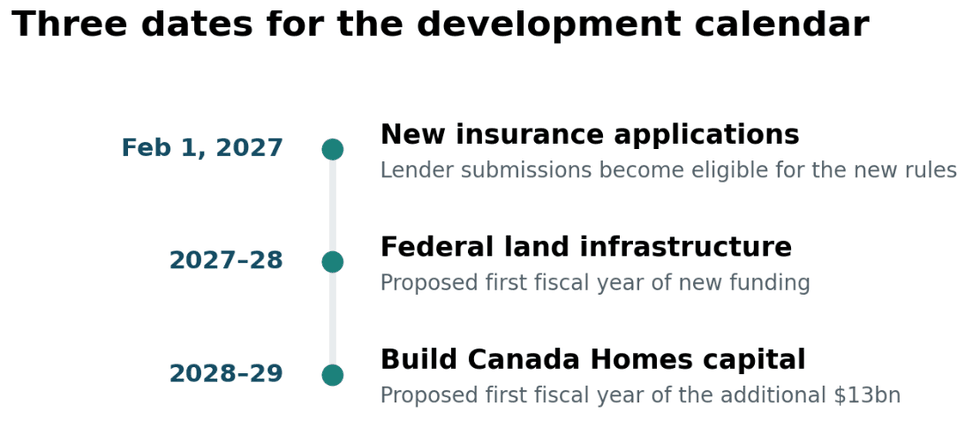 Source: Department of Finance missing-middle backgrounder and Budget 2026 Chapter 3, November 5, 2026. Fiscal-year funding starts are not home-completion dates.