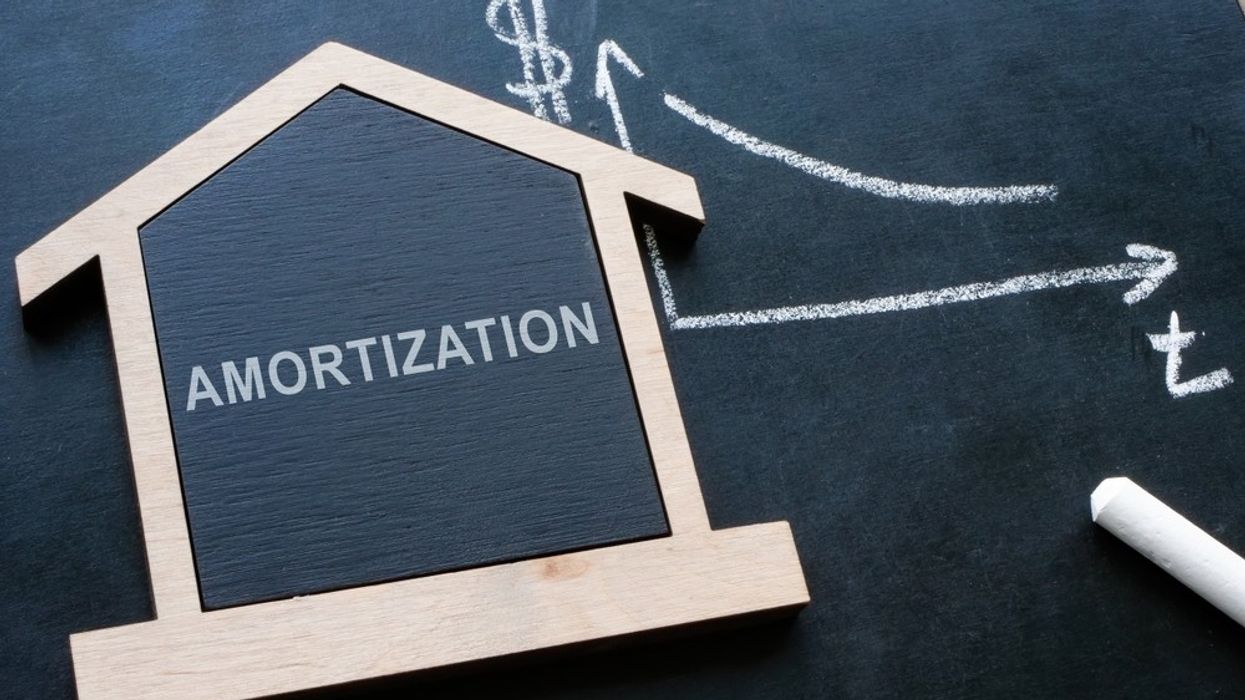
Amortization
Explore amortization in Canadian real estate, how it affects mortgage repayment, interest costs, and homeownership planning.
May 22, 2025
What is Amortization?
Amortization refers to the process of gradually repaying a mortgage through regular payments over a fixed period of time.
Why Amortization Matters in Real Estate
In Canadian real estate, the amortization period determines the length of time it will take to fully pay off a mortgage. It impacts the size of monthly payments and total interest paid over the life of the loan.
Typical amortization periods:
- 25 years for insured mortgages
- Up to 30 years for uninsured mortgages
Amortization is distinct from the mortgage term, which defines the current contract period. The mortgage is typically renewed multiple times within the amortization schedule.
Understanding amortization helps buyers compare mortgage options and manage long-term affordability.
Example of Amortization
A homeowner selects a 25-year amortization and a 5-year term. They will renew the mortgage several times until the full loan is repaid.
Key Takeaways
- Total time to repay a mortgage in full.
- Affects monthly payment size and total interest.
- Different from mortgage term.
- Can be extended or shortened with refinancing.
- Crucial for long-term budget planning.
Related Terms
- Mortgage
- Mortgage Term
- Refinance
- Interest Rate
- Loan-to-Value Ratio (LTV)

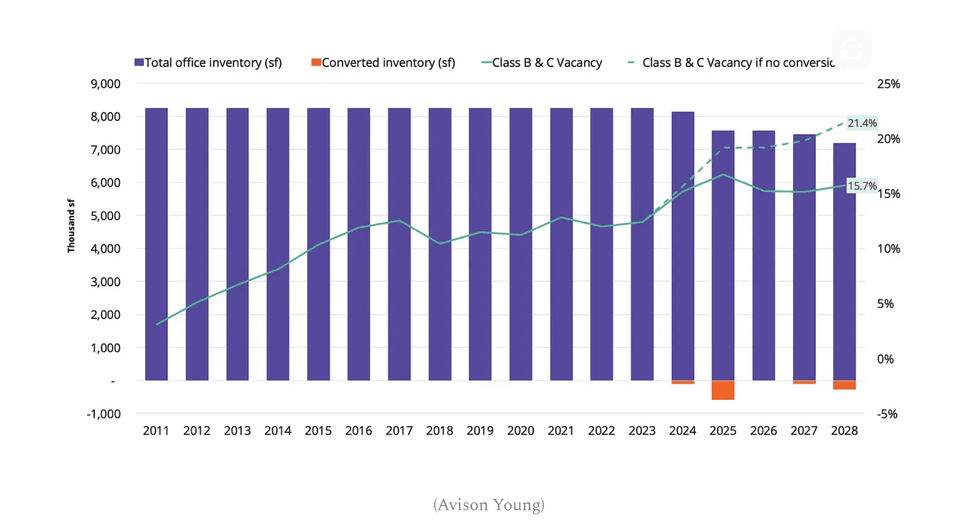 (Avison Young)


 The Mason Suite Interior (Infinity Properties)
 The Mason Suite Interior (Infinity Properties)
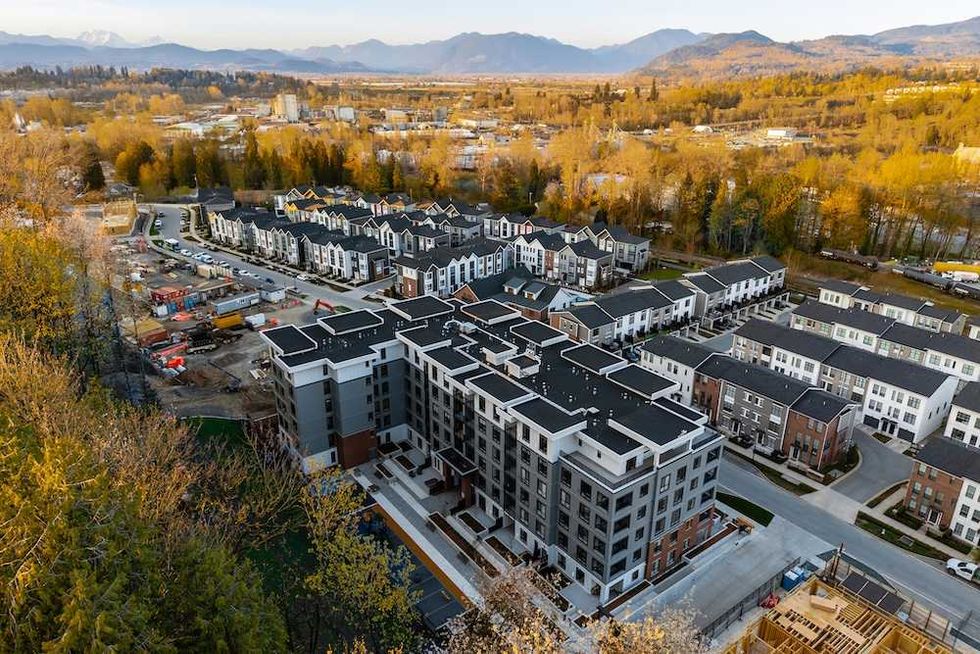 Rail District aerial (Infinity Properties)
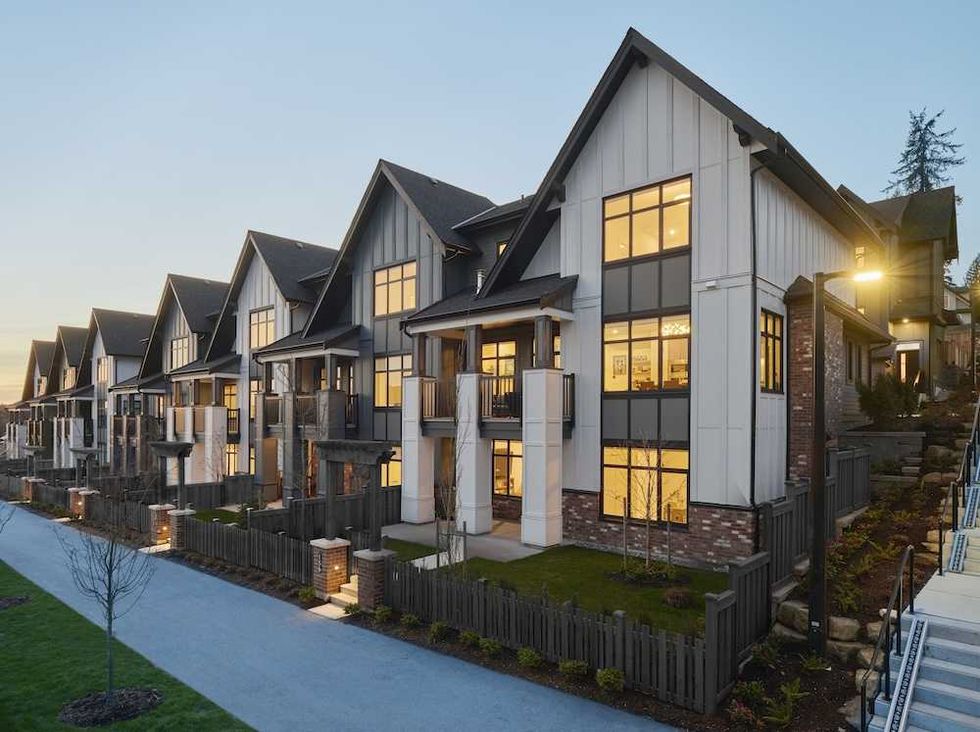 Versant (Infinity Properties)
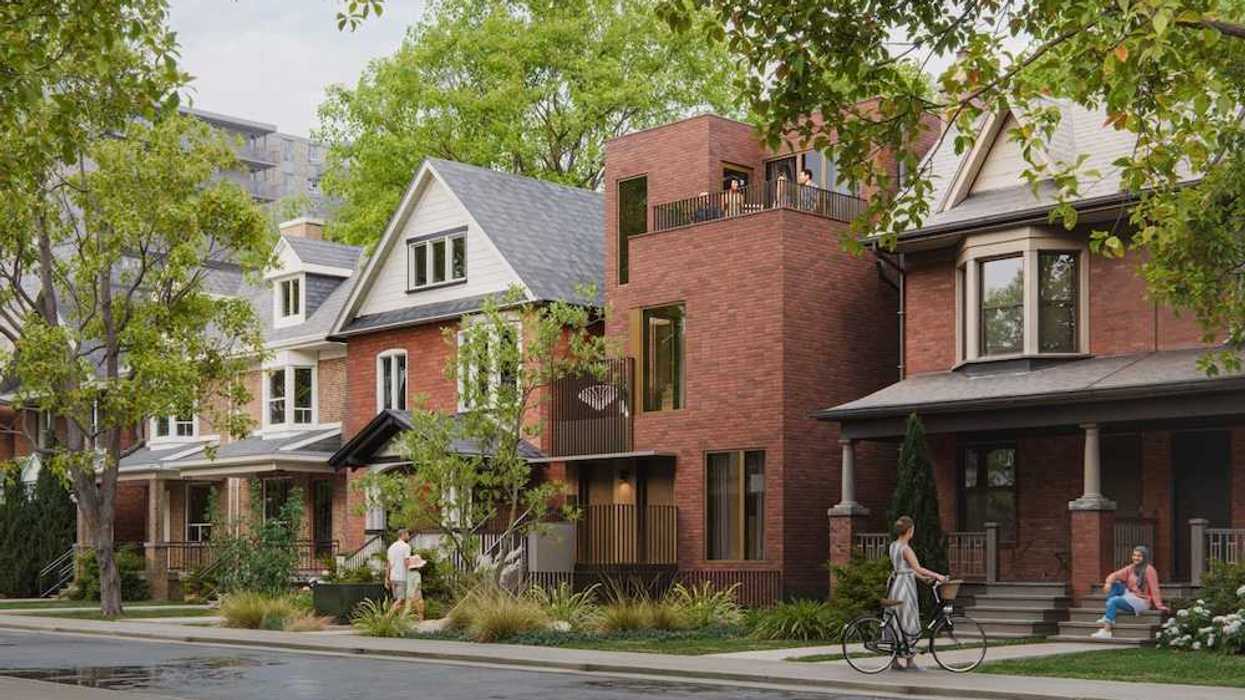
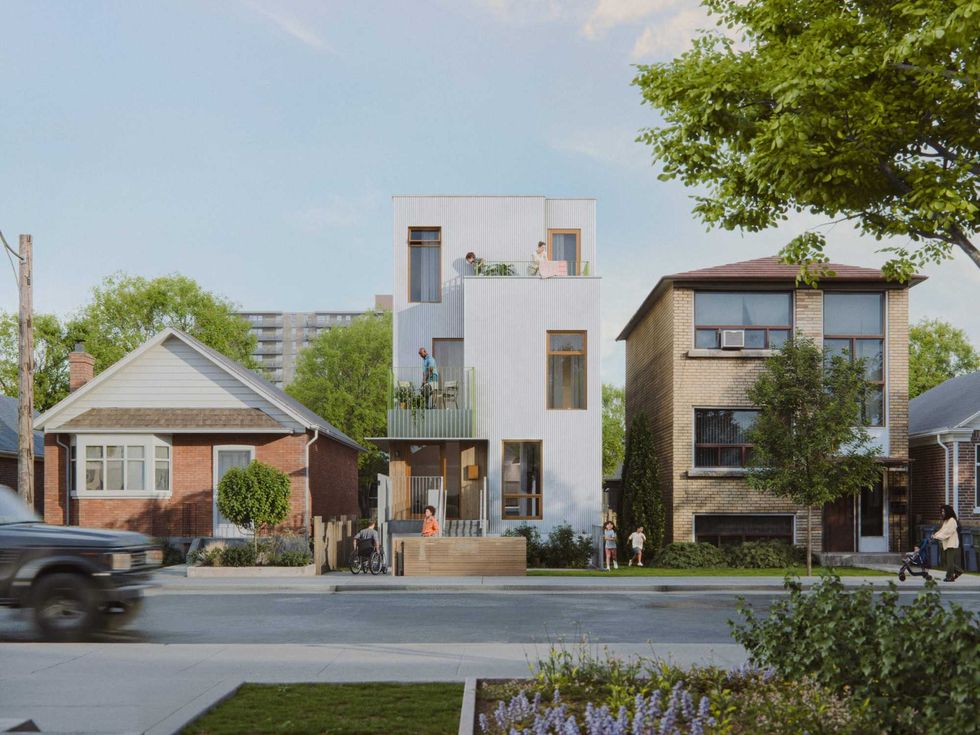 Narrow Fourplex (City of Toronto)
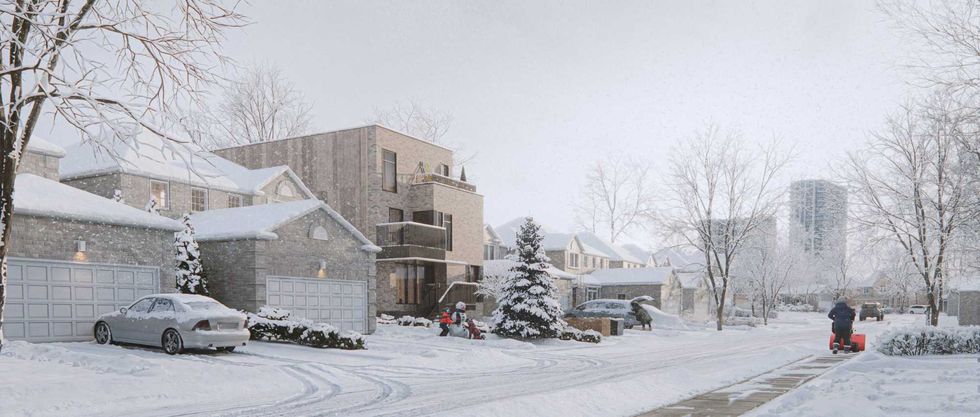 Wide Sixplex - Side View (City of Toronto)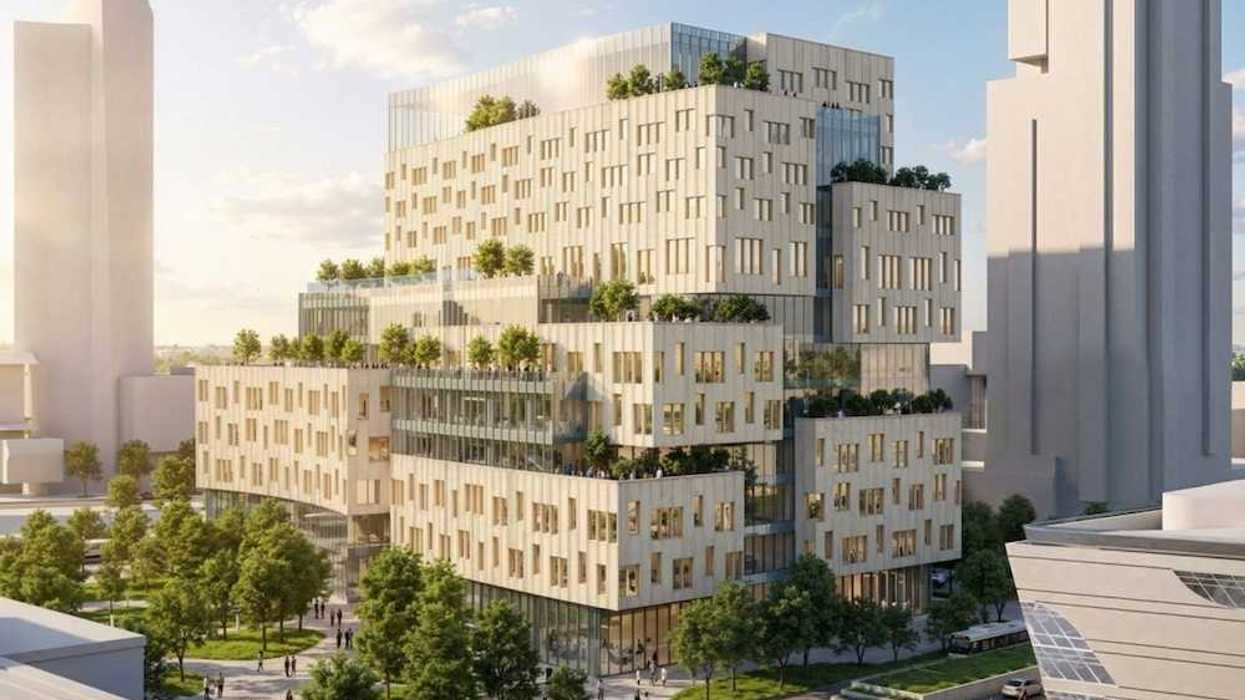
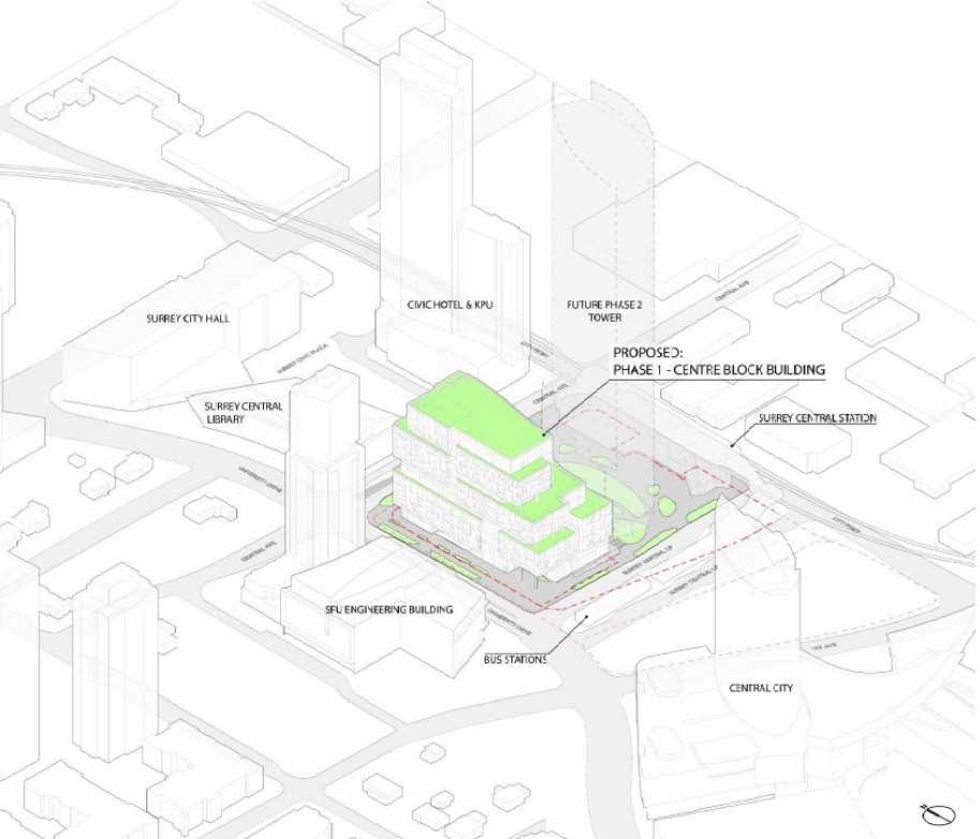 Centre Block and its surrounding context. (Stantec-Revery, SCDC)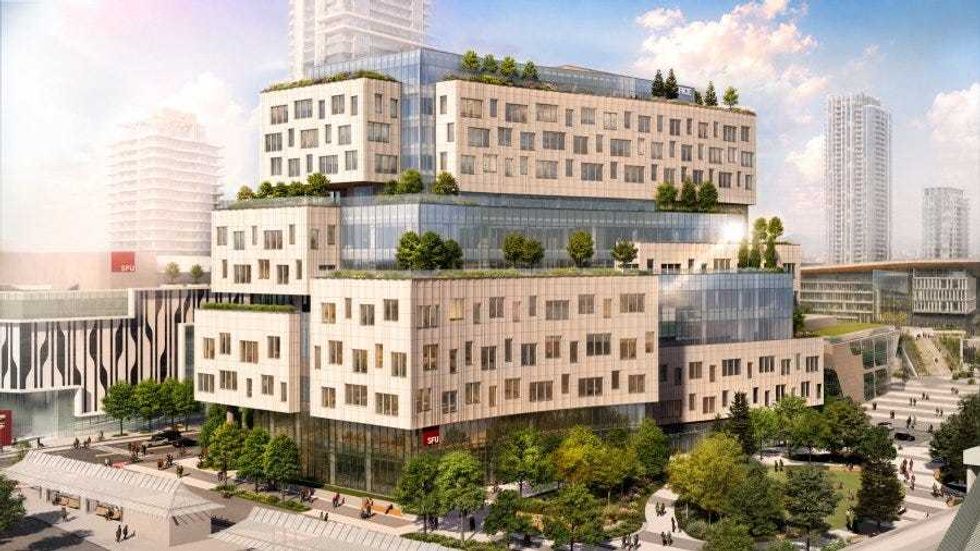
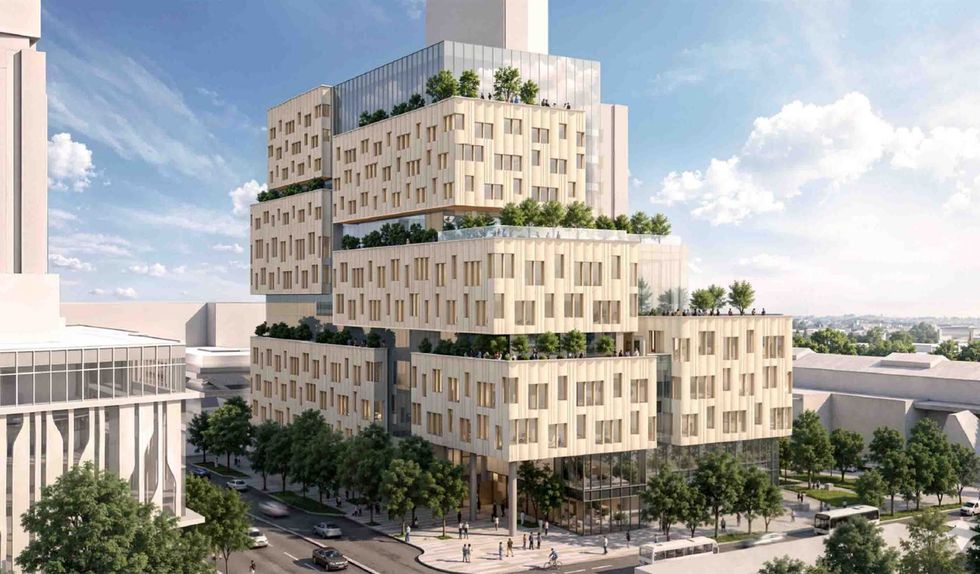 The 12-storey Phase One of Centre Block. (Stantec-Revery, SCDC)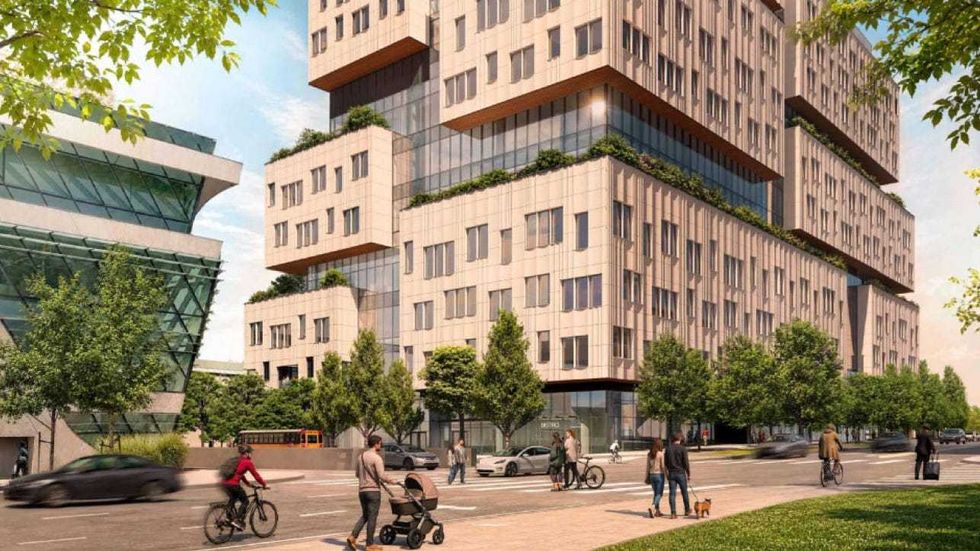
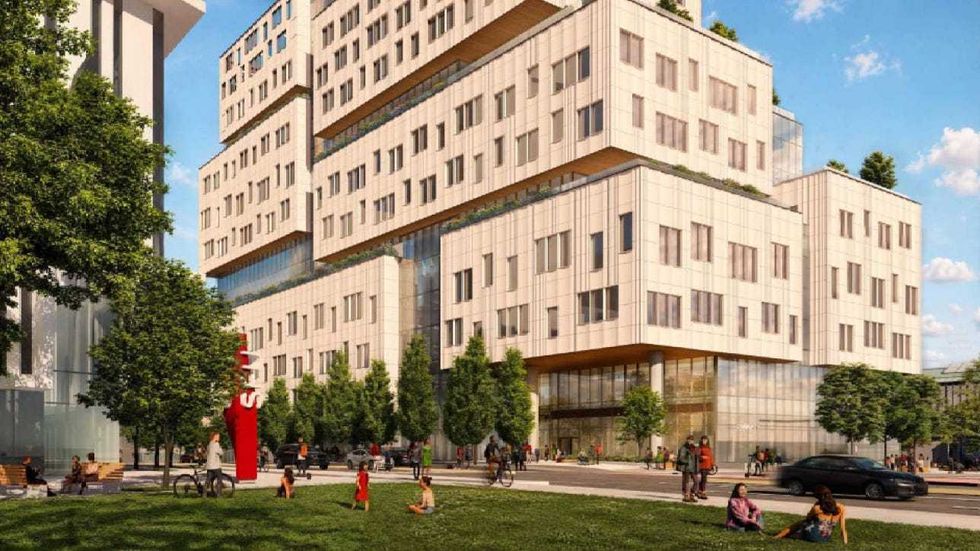 The 12-storey Phase One of Centre Block. (Stantec-Revery, SCDC)
 Mondria One, set for 1607 King Street East in Clarington, Ontario. (ICON Architects Inc., Monde Development Group)