As the October 26 Toronto mayoral election approaches, the city’s housing and affordability crisis remains one of the most pressing issues among voters, and for good reason.
Fewer than 1 in 6 Torontonians can afford to buy a home in the city, minimum wage workers have to work 145 hours per month to afford the average asking rent for a one-bedroom apartment, and while the city pledged to facilitate 285,000 new homes by 2031 in 2022, it’s only achieved 32% of that goal as of this August.
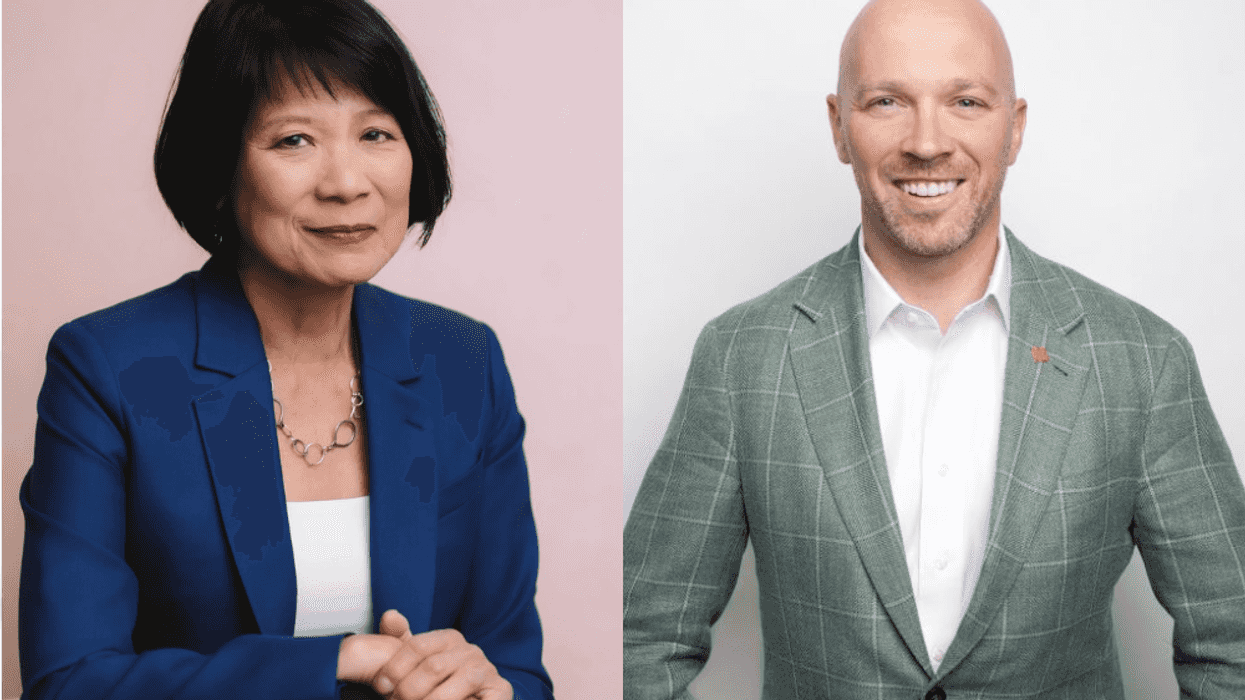
Toronto’s top mayoral candidates — Incumbent Mayor Olivia Chow, and former urban planner and City Councillor Brad Bradford — both say they can put a good dent in Toronto’s housing and affordability woes, but they differ on how to pull it off. Here’s how Bradford and Chow plan to tackle the housing file:
Olivia Chow
City-led affordable housing
Under Chow’s lead, housing has shifted out from under the domain of the private market toward a more public, city-led development model. Since Chow took office in 2023, 5,271 city-owned housing units have broken ground, including 1,680 affordable units. Her plan is to continue building affordable and rental units via her public development model, with a goal of delivering 65,000 rent-controlled homes by 2030. She also wants to encourage development through new incentive programs that cut fees for developers in exchange for affordable units.
Cutting red tape
Chow champions zoning reforms that allow for more missing middle housing, including as-of-right multiplexes, and fast tracking transit-oriented developments. She’s also working to streamline the development review process with pre-approved building plans and expanding the online application process with automated checks and submissions. Chow has said efforts like these have made Toronto 80% faster at approving new housing. She has also eliminated development charges (DCs) for projects up to six units, created an incentive program that eliminates DCs for purpose-built rental housing, and played a central role in securing the $1.5 billion tri-governmental deal to lower DCs by 40%-60% in June.
Protecting tenants
Chow has promised a $2.15-million bad landlord task force under RentSafeTO, if re-elected. The task force would use enforcement officers and lawyers to investigate reports of neglectful landlords and buildings in disrepair. Fines paid by landlords and RentSafeTO funds would pay for the initiative.
Expanding taxes
Chow says she backs increasing taxes on vacant and luxury homes to fund affordable housing and prevent speculation. It’s a stance she has been consistent on. In 2023, she created the luxury property tax and voted to increase the vacant homes tax from 1% to 3%.
Brad Bradford
Private development
Bradford disagrees with Chow’s public builder model for delivering affordable housing, favouring partnering with experienced non-profit and market builders who he believes can build housing faster and cheaper than the City has.
Cutting red tape
As the former Chair of the Planning and Housing Committee, Bradford brought forward the Housing Action Plan to legalize gentle density, update urban design rules like eliminating the angular plane, and speed up approvals. If elected, he promises to continue updating city guidelines and streamlining the development review process, in part by increasing the use of technology. Bradford has also long called for the dropping of DCs to get shovels in the ground faster. He put forward a motion to lower DCs by 25% last March, which was rejected by Chow, and voted in favour of slashing DCs by 40% or 50% this June.
Renter strategy
Bradford is proposing a three-part plan to help renters: “Keep your home. Cool your home. Build more homes.” He wants to keep the existing renoviction by-law, but improve its enforcement by implementing a public dashboard to keep track of licenses and investigations and provide more funding for enforcement. He also wants to ensure renters have at least one cool room in their house, without any rent hikes to pay for it. Finally, Bradford promises clearer rules and earlier funding for non-profit rental builders instead of one-off negotiations for each site.
No to taxation
Bradford is against raising taxes on vacant and luxury homes, and has said he wants to keep costs down for all Torontonians. If elected, Bradford also promises to eliminate Toronto's Municipal Land Transfer Tax for homes valued at or below $1.1 million.