An office-to-residential conversion project in Ottawa has been placed under receivership after the conversion commenced without the approval of the lender, according to filings in Ontario Superior Court.
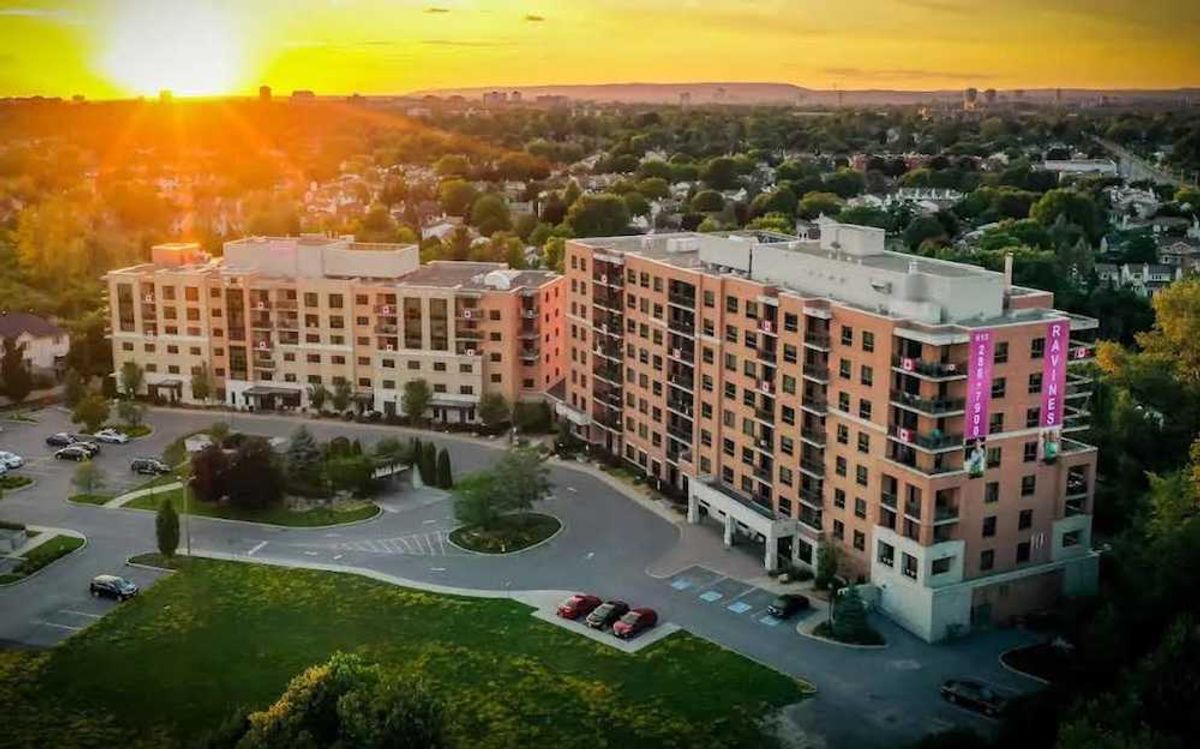
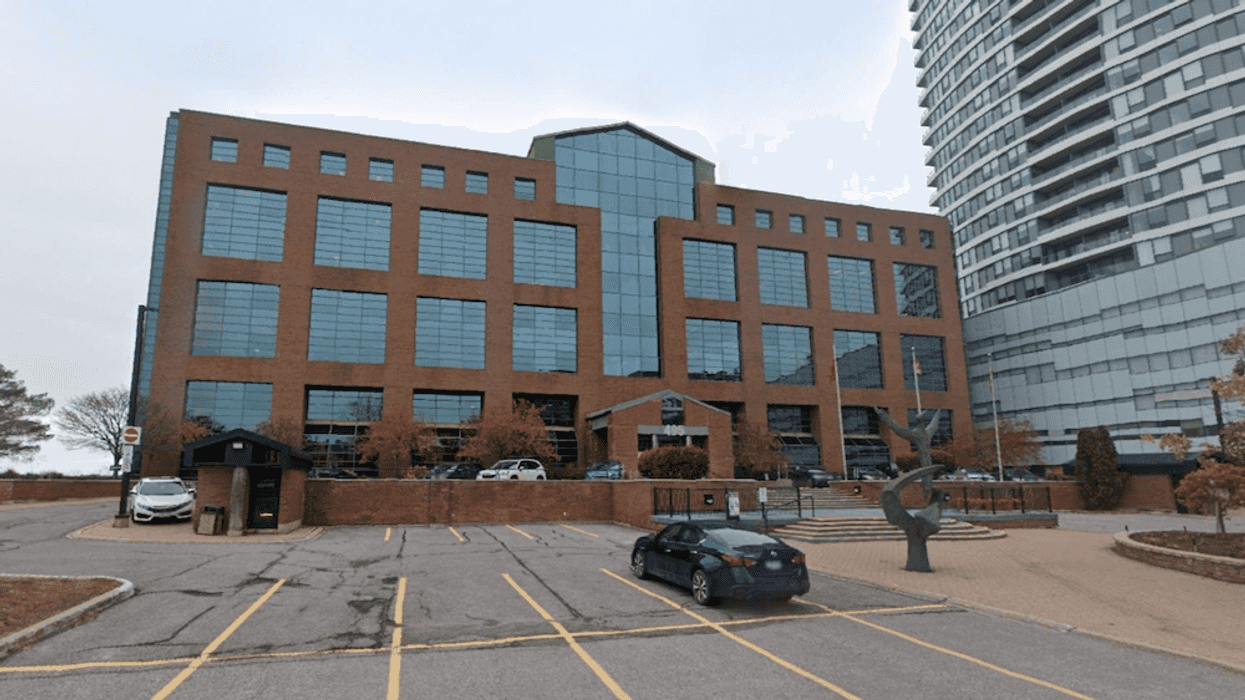
The property is a seven-storey office building with 106,195 sq. ft of leasable space, located at 495 Richmond Road in Ottawa near Westboro Beach and the Ottawa River.
The building was previously owned by Artis REIT, which sold the building in September 2019 for $39,000,000 to an undisclosed buyer. (Artis REIT was absorbed by RFA Capital Inc. earlier this year.)
That buyer was Toronto-based DOV Capital, through Dov (495 Richmond) Limited, which financed the acquisition in part via a first-ranking mortgage from Addenda Capital Inc. — a subsidiary of insurance company Co-operators — in October 2019 for the principal amount of $30,947,000.
The loan was amortized over 25 years, and had an initial five-year term with a maturity date of December 7, 2024, with the interest rate set at 3.44%, and was guaranteed — with varying liability limits — by 1263191 Ontario Limited, Adarsan Holdings Limited, AMJ London Consulting Corporation, Dazco Family Holdings ULC, Dov Capital Corporation, The Friedman Family Foundation, Harvey Katz Holdings Ltd., Lindifam Realty Inc., Rolesco Management Limited, Shutam Canada Inc., and Sea Brim Investments Limited, according to court documents.
In November 2025, Regional Group submitted a site plan control application to convert the office building into a residential building with 143 units. Regional Group, however, does not appear to have an ownership interest in the property, and is identified in court filings as a manager of the property.
The Receivership
According to an affidavit sworn by an executive at Addenda Capital on September 2, the maturity date of the loan was extended several times: to March 7, 2025, September 7, 2025, and then March 7, 2026, before Addenda agreed to a final extension to September 7, 2026 to allow DOV Capital to refinance the loan.
During this extension period, DOV Capital was required to make interest-only payments amounting to the RBC Prime Rate + 2.00%, with a minimum rate of 6.45% per annum, but failed to make the payments in June, July, and August, defaulting on the extension agreement and loan.
On June 12, Addenda issued a formal demand for payment, claiming it was owed $25,798,415.18 with interest accruing at a daily rate of $4,593.20. The lender gave the borrower a deadline of June 22, 2026 to repay the loan, after which they would seek to enforce the loan, including the commencement of a receivership proceeding.
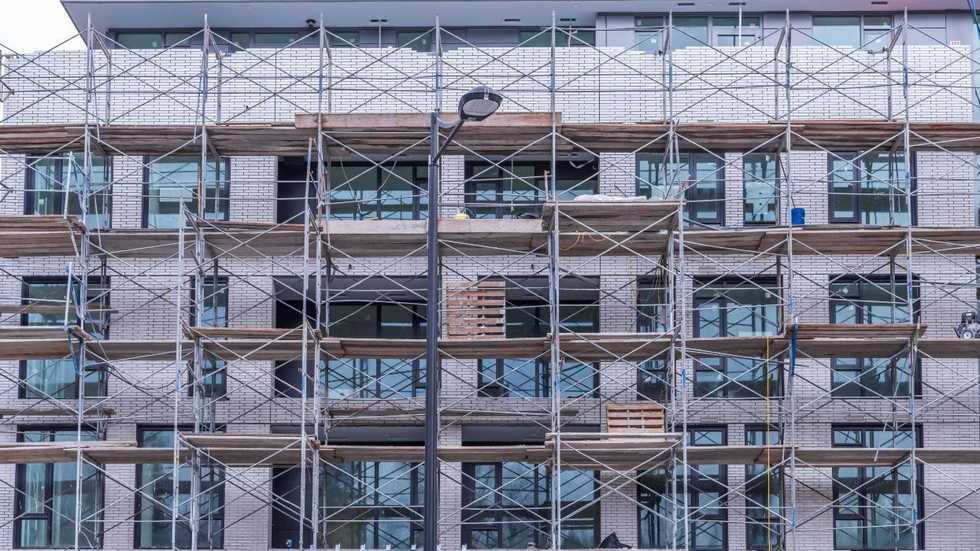
Around that same time, Addenda retained Brentwood Restructuring Services to inspect the property and assess the viability of a settlement DOV Capital had proposed. Brentwood found that the borrower had retained JBPA Developments Inc. and “The interior had been substantially altered and demolished, leaving principally only the concrete structure and building envelope intact,” according to Addenda.
Brentwood also found that JBPA had not been paid certain amounts, and that other trades had also not been properly paid.
Addenda says it “did not consent to the demolition and/or construction” and “is concerned that the conversion of the Real Property from an office building, that formed the basis of its security, to a vacant and partially demolished construction site materially affects the character, condition, marketability, and value of the Real Property.” They are also concerned about being left with a partially-demolished office building and that unpaid contractors may eventually register liens.
“Addenda has repeatedly requested financial and other information concerning the Real Property, including information regarding CMHC underwriting and the Debtor’s proposed redevelopment and financing plan for the Real Property,” they added. “The Debtor has failed to provide sufficient financial, operational, and project-specific information to date. As a result, Addenda has been unable to determine whether there is a viable alternative to enforcement that would preserve the Real Property, protect Addenda’s security, and provide for repayment of the Loan.”
Because of the above, Addenda believed the property could continue to deteriorate in value, hence the urgent need for a receivership. Addenda’s receivership application was granted on September 17, and the property is likely headed towards a court-ordered sales process.
Ottawa Office Conversions
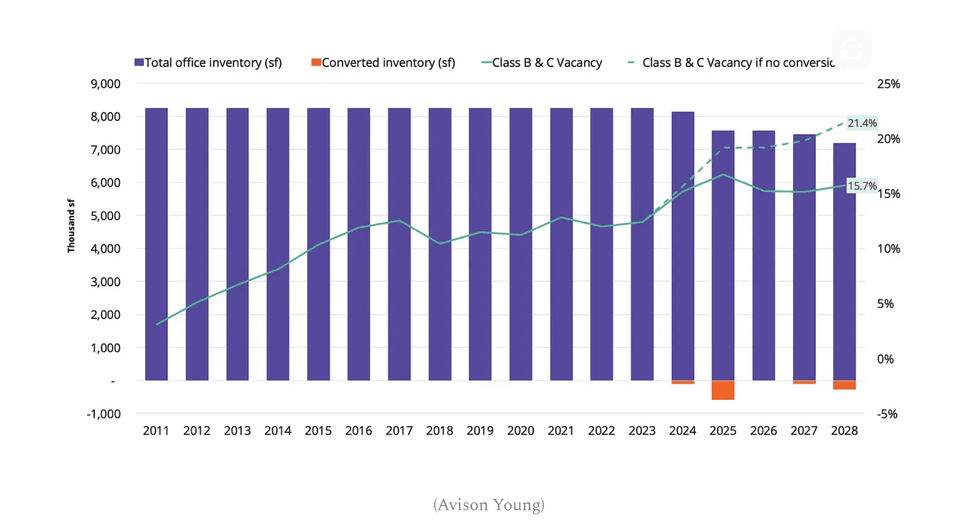
According to an analysis published by commercial real estate services firm Avison Young last week, six Ottawa office buildings totalling nearly 750,000 sq. ft have been — or are in the process of being — converted into residential uses. Another 370,000 sq. ft is pending approval from the City of Ottawa.
“This wave of conversions is helping rebalance the office market by removing some of its least competitive inventory while creating more than 1,400 housing units in the downtown core,” said Avison Young. “The influx of new residents contributes to broader downtown revitalization efforts.”
 (Avison Young)
The impact on the office market has also been “substantial,” as 9.0% of Class B and Class C office space inventory in downtown Ottawa has been removed since 2020 — a number that could further increase to 13.5%.
“Had these buildings remained in the leasing market, vacancy within the segment would likely be materially higher,” said Avison Young. “Under a scenario where a) the converted assets continued to operate at 50% occupancy; and b) absorption across Downtown Ottawa’s Class B and C inventory remained flat, vacancy rates would be roughly five percentage points higher by 2028 than current forecasts incorporating conversion activity.”
Avison Young notes that, although some office-to-residential projects have recently been put on hold or are shifting back to office uses, the conversion projects that are already underway will improve the competitiveness of existing office buildings and leave the office market as a whole on firmer footing.
With 495 Richmond Road already semi-demolished, it’s unclear whether the building can be reverted back to an office building, but a new developer that takes over the building could benefit from some of the conversion work already being completed, depending on their goals.