What makes an urban building one residents are excited to call home?
Ask that question in Toronto today, and the answer will be shaped less by price point, height, or even fine finishes than it was a few years ago. Now, an address qualifying as "luxury" comes down to how it actually feels to live there.
Toronto spent many years building for investors. The market rewarded scale — bigger towers, more units, a splashier lobby — because the buyer on the other end of the sale, oftentimes, wasn't the person who'd ultimately be moving in.
But that's not the case anymore.
"For the longest time, we were really marketing towards singles and to investors," Taya Cook, executive vice president at Urban Capital, says in FirstService Residential's Toronto episode of Skyline Sessions. "I think that market has changed quite a bit."
Neil Vohrah, president of High-Rise, North America at Great Gulf, points precisely to what replaced it: "The demographic profile is shifting to the end user," he says. "And end users demand more."
Exploring this question — what makes a building worth living in, city by city — is at the core of FirstService's Skyline Session series. In the Toronto episode, a host of the city's top developers, architects, and real estate experts explored the inquiry head-on, and what emerged could serve as a new definition of luxury. Or, it could be argued, a definition that's finally caught up with the times.
The luxuries that end users want most, evidently, are anchored to their everyday lives. "Luxury is walkability," says Cook, by way of example. "To walk out of my door and walk half an hour to my office. To pop into the art gallery on my way home, and for it not to always be a big, booked thing that you're planning in advance. Just to have the luxury to walk by establishments and have that as part of your day-to-day life... to me, that's luxury."
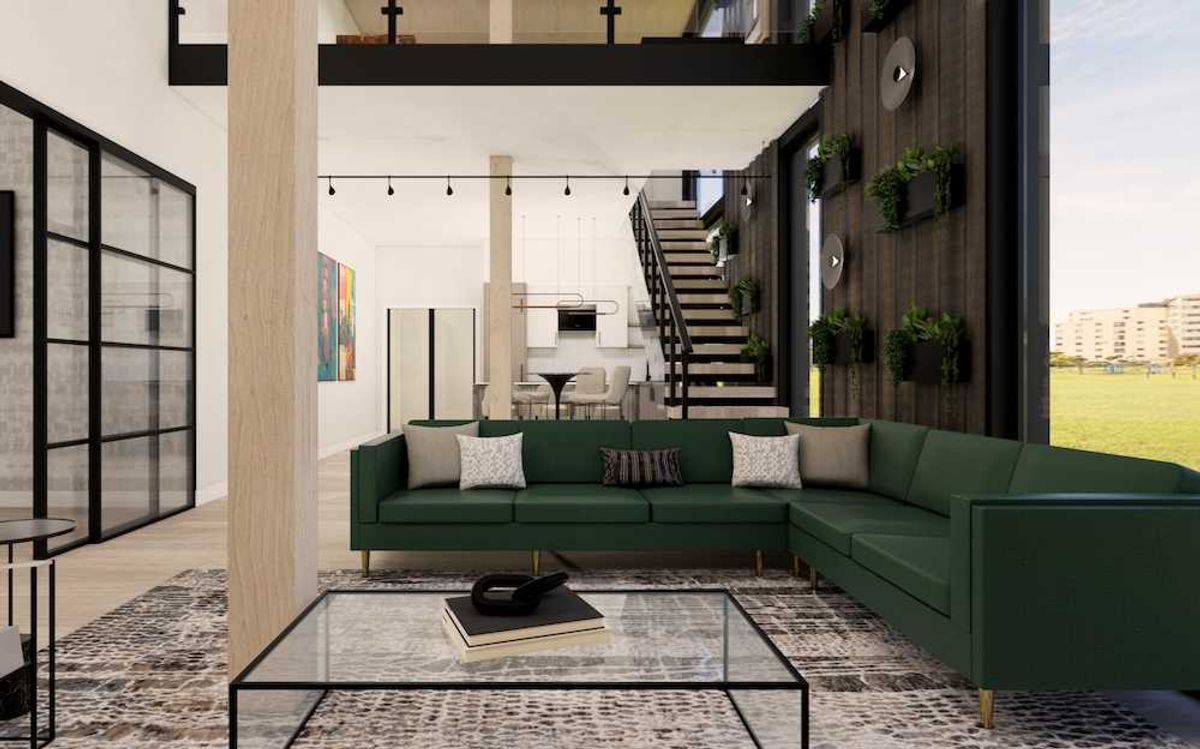
Now, a building's design might not be able to take your hand and walk you to the AGO, but this call for livability is being clearly reflected in many ways across a new-build plan, from durability to layouts to window placement.
Michael Attard, partner at Hariri Pontarini Architects, recalls when "luxury" was about the gesture — the dramatic lobby or the impressive façade. "But over [time]… you realize that it's more about permanence and precision," he says. "It's the way that things come together. Materials. It's access to light. It's the way that we actually craft these spaces, and the way that people live in them."
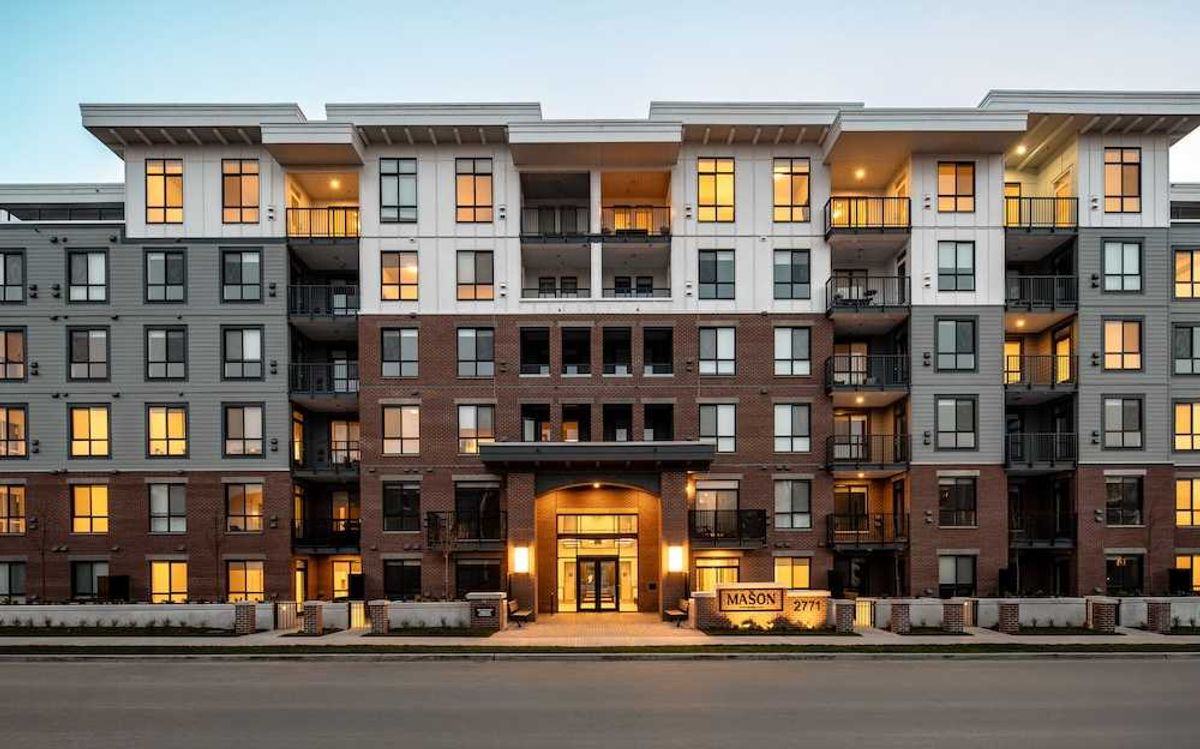
And this line of thinking extends well past the suites themselves. There's also a careful consideration of the spaces — small-owned shops, local cafés, childcare, even schools and transit access — that pepper the ground level of new buildings, and how they influence not just residents, but placemaking for the surrounding community.
"Skylines, more and more often, are responsible for branding a city, rather than creating a place," Attard says. "It's really the urban interventions at the ground and lower floors that carry the greatest responsibility, in terms of energizing a space and turning it into an experience."
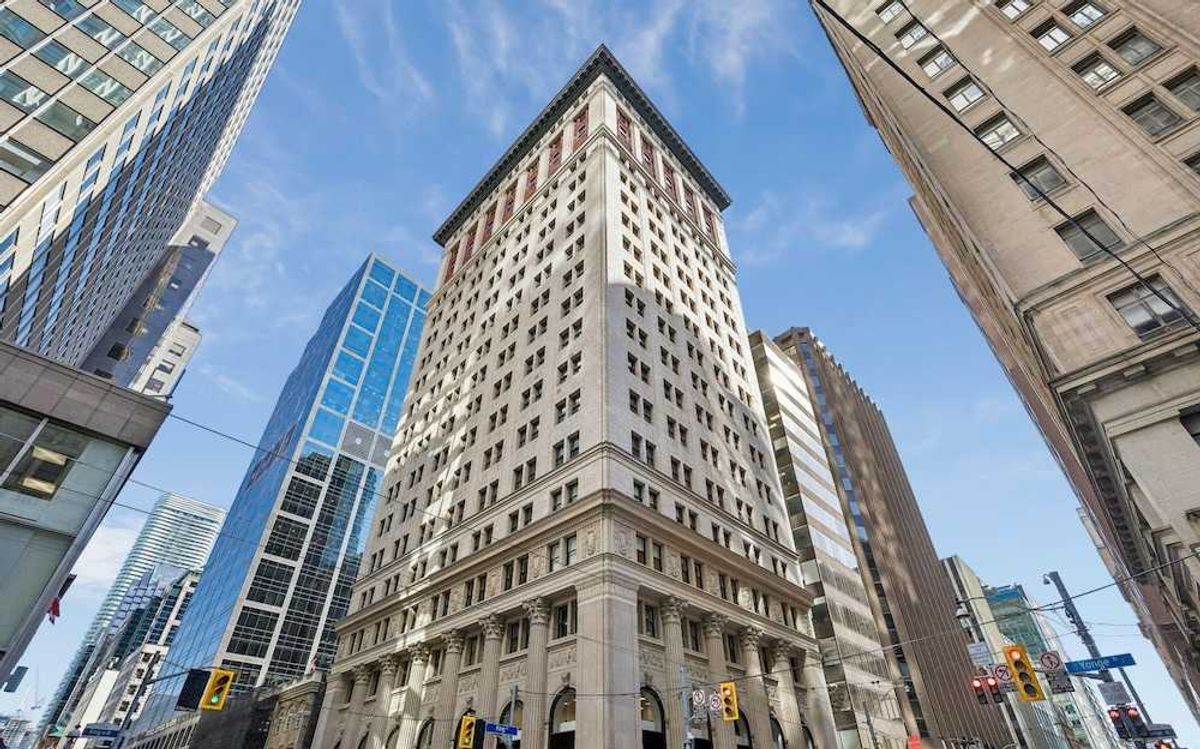
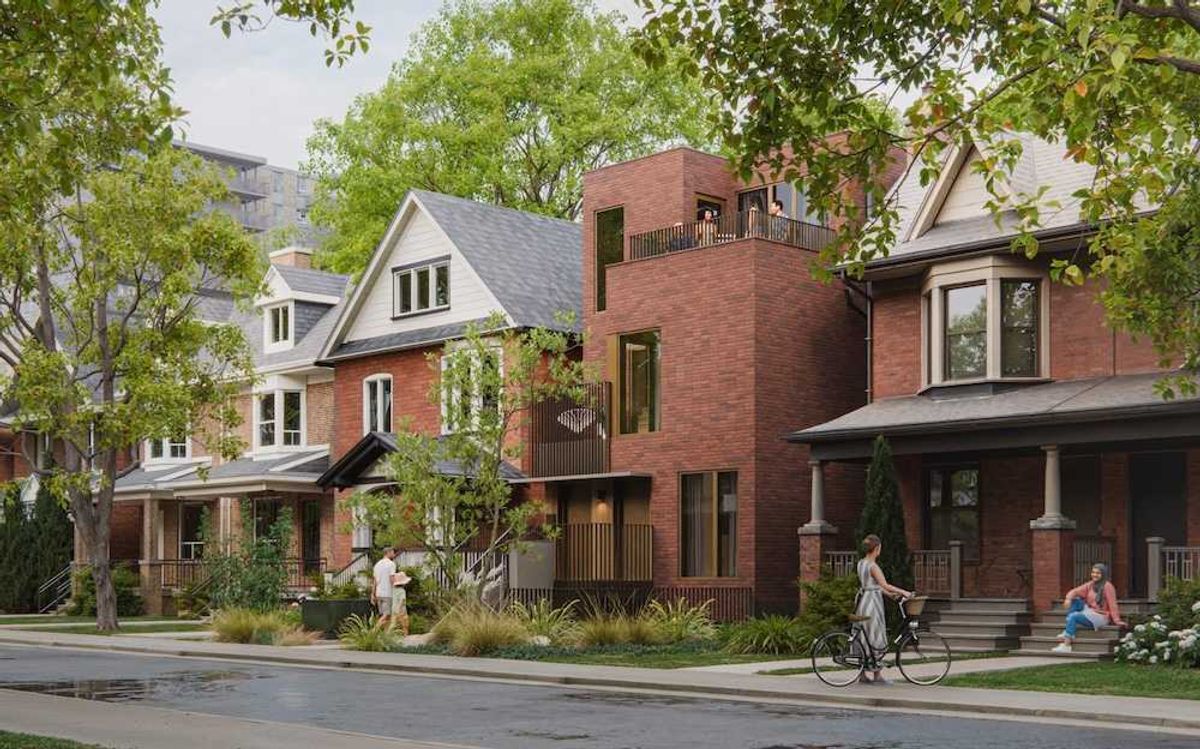
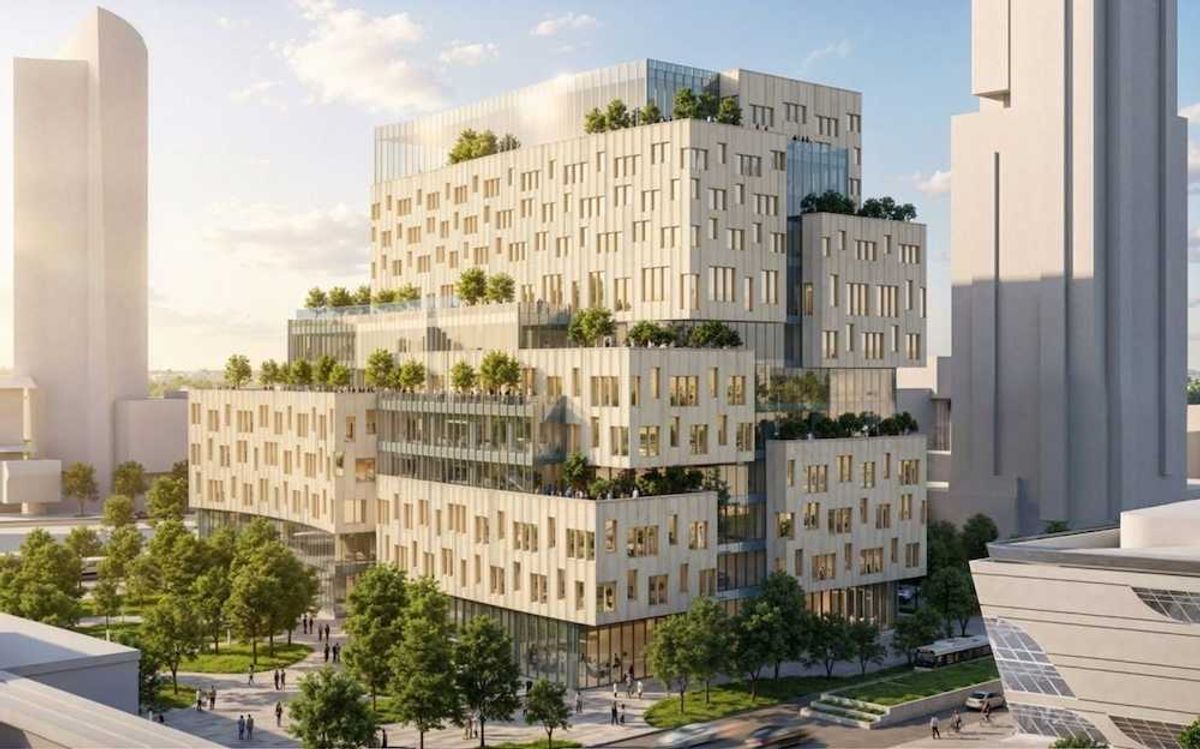
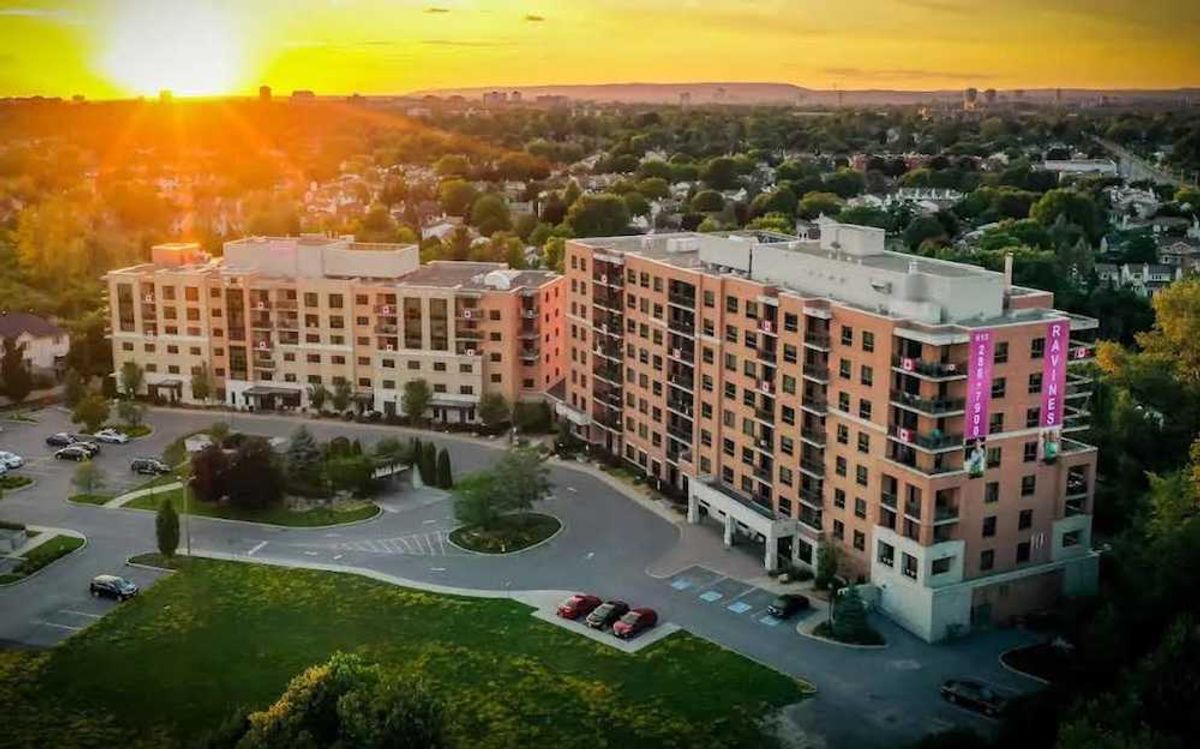
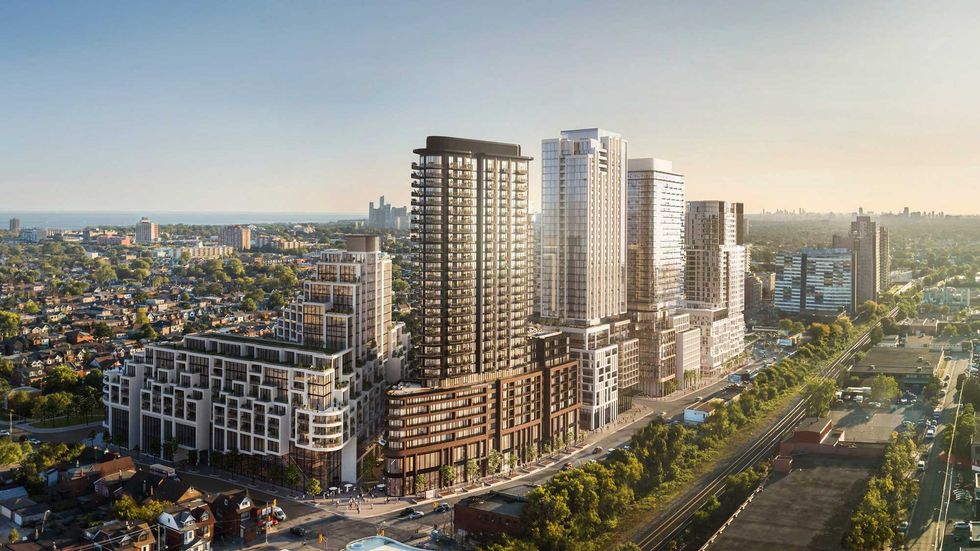 Galleria III at Galleria on the Park (Hariri Pontarini Architects)
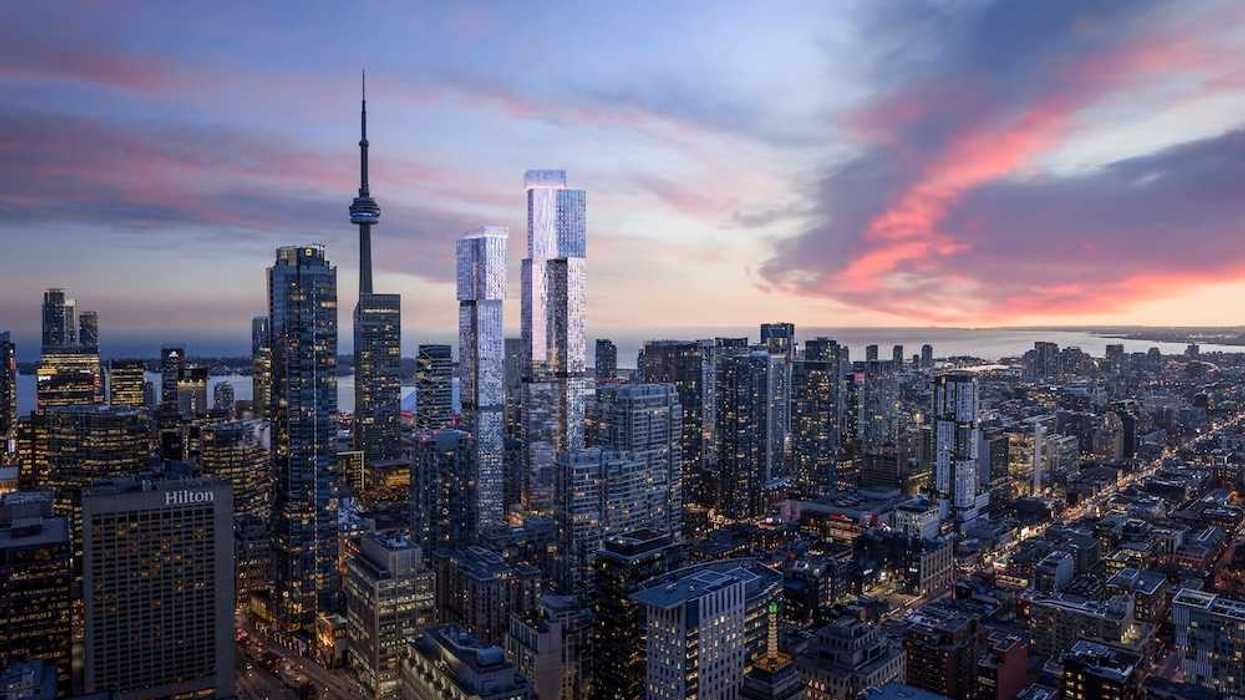
This instinct — for impact, durability, and permanence rather than spectacle — shows up even in the market's boldest bets. Vohrah points to FORMA, the company's Frank Gehry-designed tower, now nearly 90% sold. What's driving the uptake, in his telling, is the intuition that, as right as the building is for this moment, it's also poised to last.
"Buying into a Frank Gehry building is like buying a piece of art," he says. "The artistry of his creations will never be forgotten."
But none of these elements really hold without the less visible half of the equation: what happens after move-in, when the living starts. Cook frames buildings as living organisms of sorts, describing them as "their own little ecosystems" that get their own unique reputations to match. "It's very important," she says, "when you're thinking of the building and you're thinking of its longevity, what you're creating as its ecosystem right from the get-go."
And the ecosystems are created; they don't build themselves. Miles Nadal, founder, chairman and CEO of Peerage Capital, emphasizes that for this element of homebuilding, the timeline (really) matters. "The earlier you bring on the property management, they can share their decades of experience of what the consumer is looking for," he says. "It's different in Louisiana than it is in NYC. It's different in Toronto than it is in Vancouver."
What that experience actually produces, according to David Diestel, CEO of FirstService Residential, is something residents are meant to barely notice. The seamlessness itself is the opulence. "Luxury living is all about understanding the person you're serving," he says. "It is about that seamless delivery. Quiet service. It's there for you when you need it. It is proactive, it is anticipatory."
That kind of service isn't incidental to FirstService Residential's perspective on the conversation; it's the operating premise the company was built on. Founded in Toronto in 1989 and grown over 36 years into North America's largest manager of residential communities, FirstService Residential now oversees close to 900 condominium corporations, as well as multi-family rental buildings, representing more than 155,000 residential units, in Ontario alone. It's a scale that gives Diestel and his team a rare vantage point on Toronto's shift — not just watching buildings get designed but understanding what residents need from a service perspective once they're living in them. And making sure those needs are met.
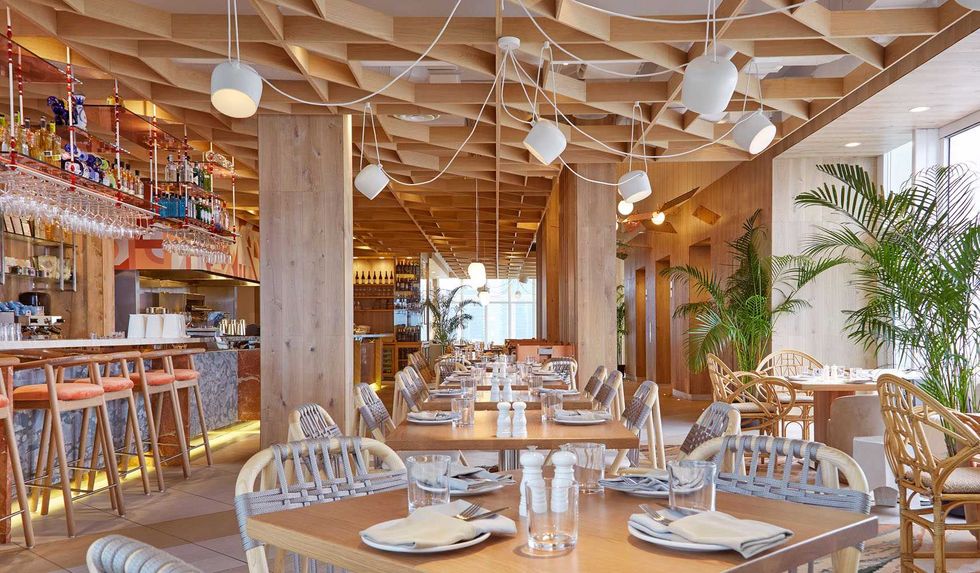 Bisha Hotel & Residences (Lifetime Developments)
The promise of quiet, easy, livable luxury is one that pays off over time. Which is precisely the point, according to Brian Brown, principal at Lifetime Developments.
"Really, luxury is about building for the future," he says. "It's about building something that's going to have longevity, that's going to be timeless, and at the same time it's going to be reflective of today."
And for Vohrah, this future has already made at least one old model obsolete. "The day of the megatower with 600 units plus... I think those days are dormant," he says. "Our end-user — the person who buys a unit in any of our buildings — is who we design and who we build for. Everything else comes second."
Pouyan Safapour, president of Devron, has a succinct description for how all of these elements cumulate: a growing up. "I would describe Toronto [as being in] its teenage years," he says. "[There's been] a lot of fast growth, and now we're starting to get to the maturation stage."
By his measure, the proof isn't found in the sales numbers — it's in whether an end-user settles into their new home, and they move past being smitten, into a true and enduring love for their space.
"What's important to us is that we create spaces, and we create homes, and we create buildings and architecture that people are going to love," he says. "If it's loved the way good design is loved, the way good art is loved, we've done what we set out to do."
Watch FirstService Residential's Skyline Sessions: Toronto
To learn more, visit fsresidential.com.
______________________________________________________________________________________________________________________________
This article was produced in partnership with SiteMedia Content Studio.