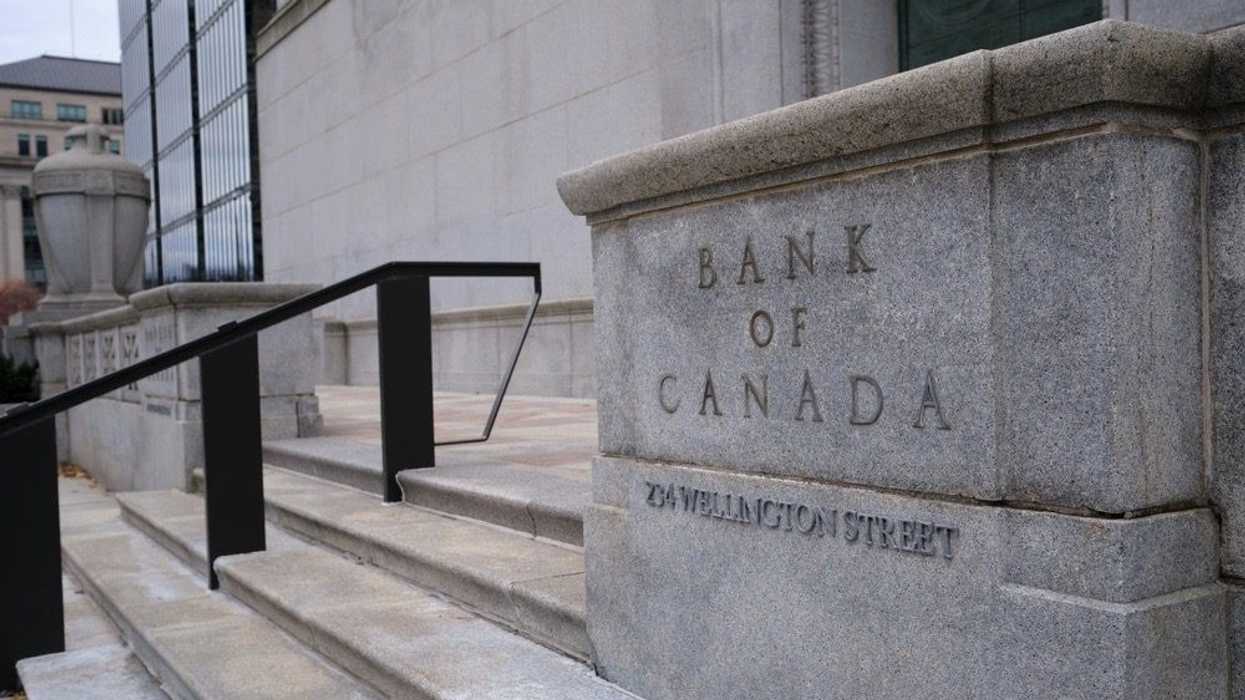
The Bank of Canada raised its target for the overnight rate by 25 basis points on Wednesday, bringing it to 2.5% and marking the first increase since July 0f 2023.
The Bank Rate now sits at 2.75%, and the deposit rate at 2.45%.
Inflation is running higher and longer than the Bank projected in July. CPI inflation has hovered around 3% since April, and the Bank expects it to climb to about 3.5% by the end of the year, largely because of persistently high oil prices.
Take gasoline out and the numbers look calmer. Inflation excluding gas was 2.2% in September, and core measures remain close to 2%. The Bank is more worried about where costs are heading. High fuel prices are raising production and transportation costs, imported industrial and electronics inputs have become more expensive, and Bank surveys suggest businesses will pass more of those costs on to customers over the next year.
The conflict in the Middle East is now in its eighth month with no clear path to resolution. The Bank expects CPI inflation to average 3% in 2027, a full percentage point above its July projection, before easing to 2% in the middle of 2028.
Governing Council said the hike is meant to reduce the risk that high energy prices spread into the prices of other goods and services. It said further increases may be needed, but that it would proceed carefully given the uncertainty.
The economy has outperformed expectations. GDP grew 3.3% in the second quarter, and recent indicators point to about 2% growth in the third, both stronger than the Bank anticipated. Consumer spending held up despite slow population growth, and business investment rebounded on oil and gas activity and machinery and equipment spending. Unemployment has held around 6.5% for several months.
New US tariffs are expected to slow growth in the fourth quarter. The Bank projects the economy will grow 1% in 2026 and 2% in both 2027 and 2028, a somewhat stronger outlook than July’s, though Canada-US trade relations remain a major source of uncertainty.
Business investment, exports and fiscal measures are expected to drive the 2027 rebound. Housing, however, isn’t on that list. The Bank expects it to remain relatively weak, with consumption growth moderating as well.