Insolvency
Learn what insolvency means in Canadian real estate: how it’s defined, how it differs from bankruptcy, and what legal frameworks manage it.

June 16, 2025
What is Insolvency?
Insolvency refers to the financial state in which an individual or business cannot pay its debts as they become due or has liabilities exceeding assets.
Why Insolvency Matters in Real Estate
In Canadian real estate and finance, insolvency may trigger legal remedies under the Bankruptcy and Insolvency Act or the CCAA, including restructuring, receivership, or asset liquidation.
Indicators of insolvency:
- Missed loan payments or payroll
- Creditor collection actions
- Insufficient cash flow to meet obligations
- Negative net worth
Insolvency does not always lead to bankruptcy. Options include refinancing, consumer proposals, Division I proposals, or strategic asset sales.
Understanding insolvency helps stakeholders mitigate risk, assess borrower health, and pursue appropriate financial restructuring.
Example of Insolvency in Action
The property developer became insolvent after interest rate hikes made refinancing impossible, prompting negotiations under the Bankruptcy and Insolvency Act.
Key Takeaways
- Financial inability to pay debts or cover liabilities
- May lead to legal restructuring or liquidation
- Handled through federal laws like BIA or CCAA
- Not always equivalent to bankruptcy
- Impacts real estate loans and asset sales
Related Terms
- Bankruptcy and Insolvency Act
- CCAA
- Receivership
- Consumer Proposal
- Foreclosure






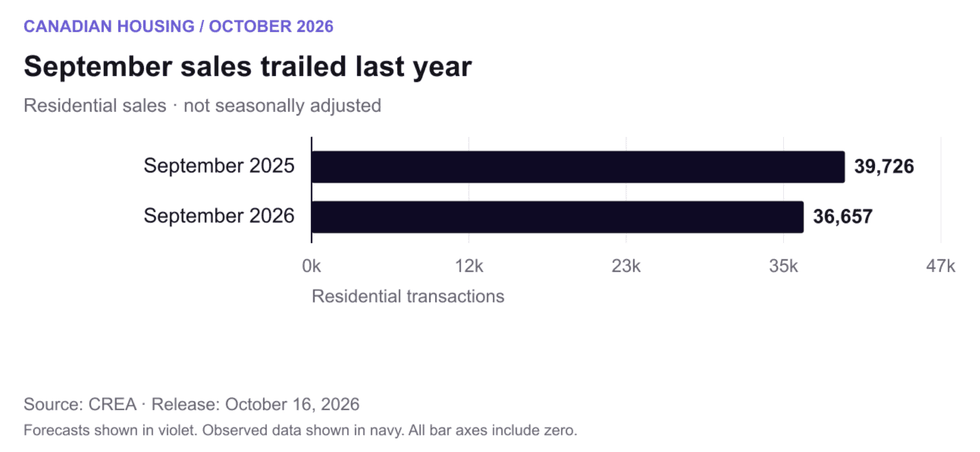 September residential sales, not seasonally adjusted; the annual comparison uses CREA’s revised figures. Chart:
 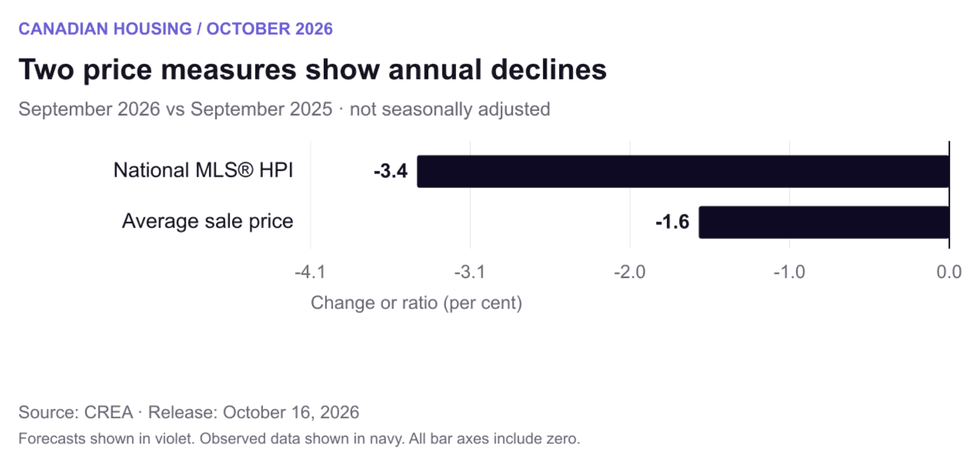 Annual changes in the unadjusted national MLS® HPI and average sale price. The average is affected by the mix of transactions. Chart:
 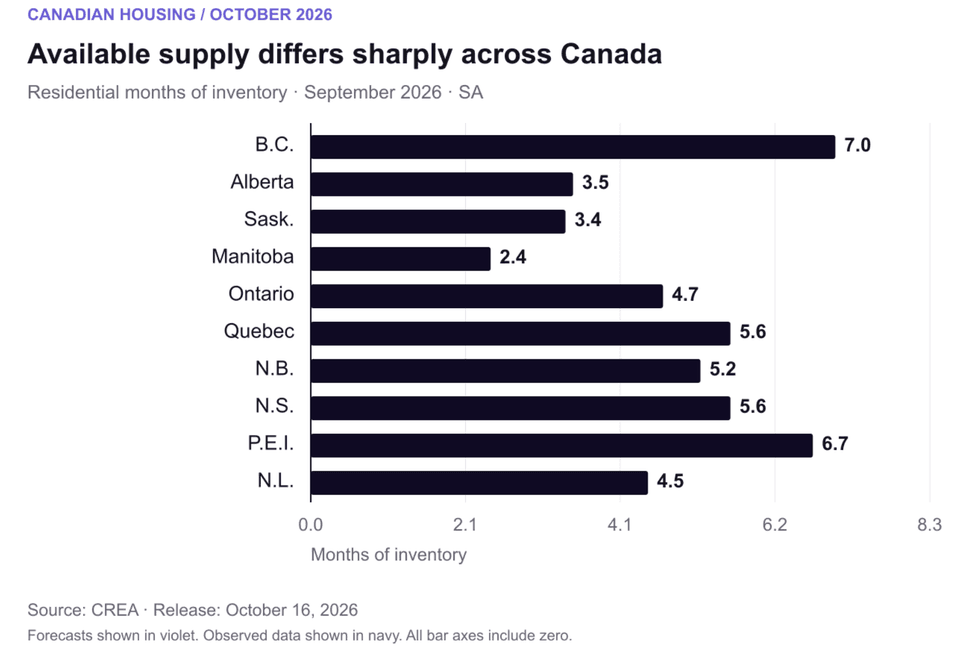 Seasonally adjusted residential months of inventory by province. Local property types can differ substantially. Chart:
 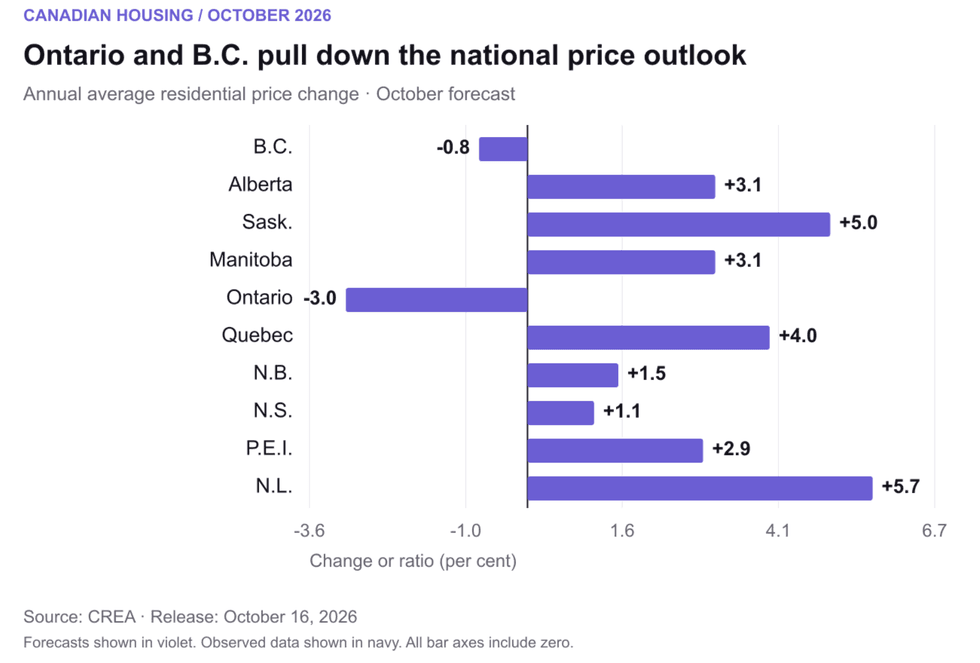 Ontario and B.C. are the two provinces with forecast annual average-price declines in 2026. Chart:
 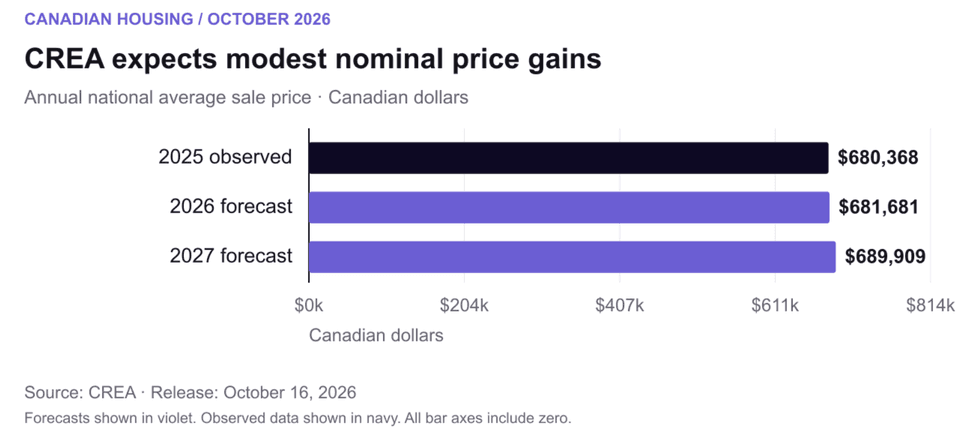 Annual average transaction prices in Canadian dollars. Forecast values are not December price targets. Chart:
 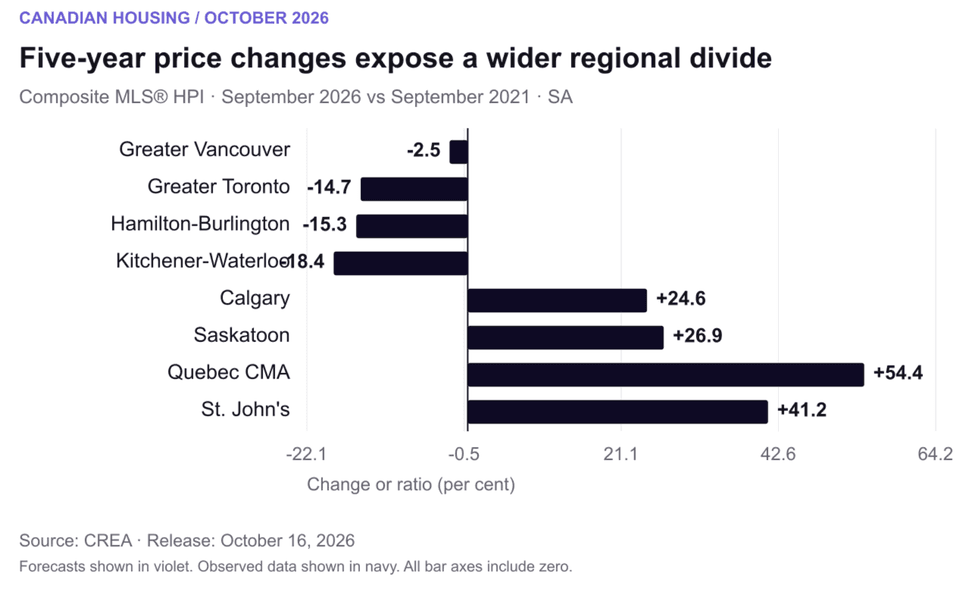 Five-year changes in seasonally adjusted composite MLS® HPI benchmarks, September 2021 to September 2026. Chart:



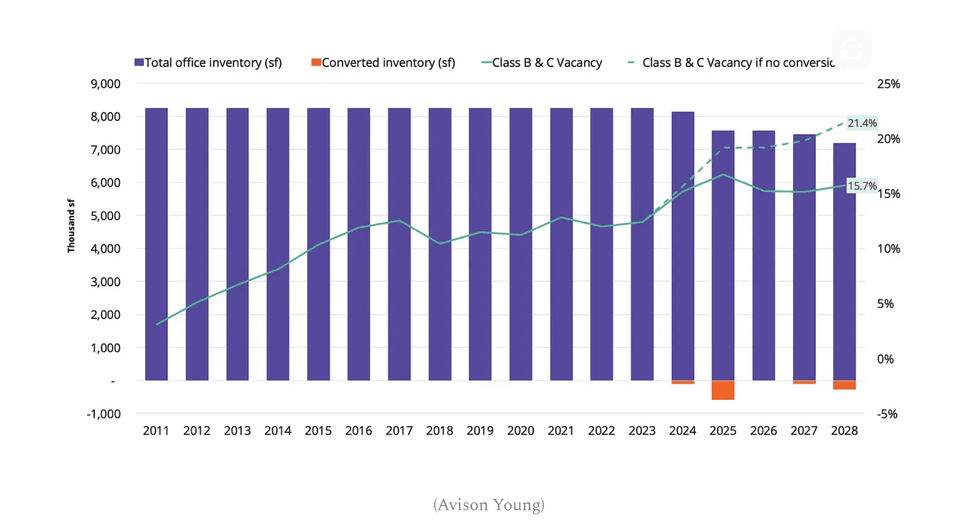 (Avison Young)
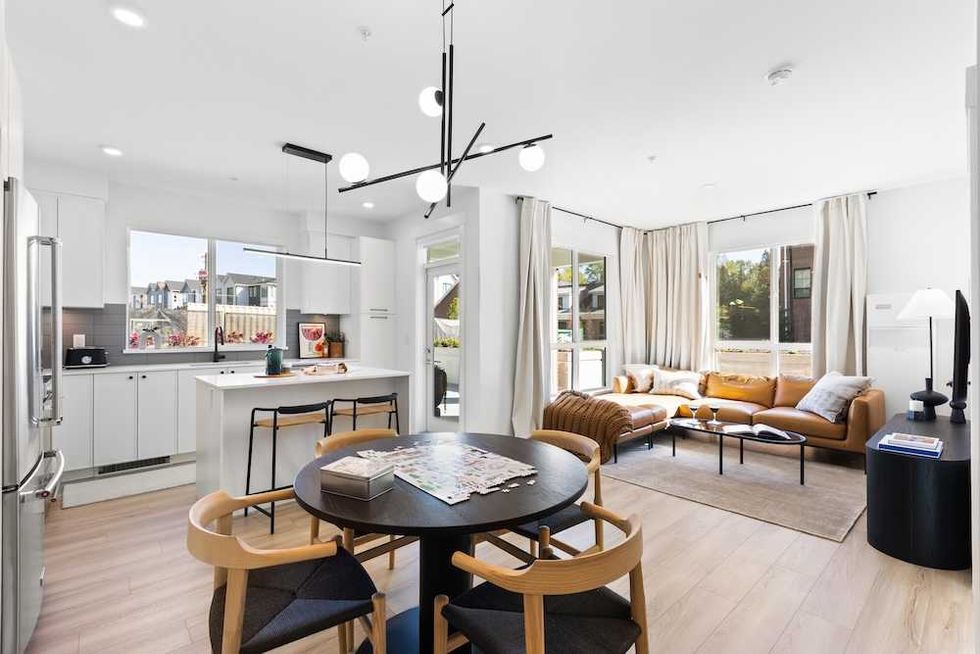 The Mason Suite Interior (Infinity Properties)
 The Mason Suite Interior (Infinity Properties)
 Rail District aerial (Infinity Properties)
 Versant (Infinity Properties)