Density Bonus
Learn about density bonuses in Canadian real estate — how they work, what benefits they require, and their role in urban growth.

July 27, 2025
What is a Density Bonus?
A density bonus is a planning incentive that allows developers to build more units or additional floor area than zoning normally permits, in exchange for providing community benefits.
Why Density Bonuses Matter in Real Estate
In Canadian real estate development, density bonuses encourage developers to support public policy goals such as affordable housing, parks, or enhanced urban amenities.
Community benefits that may qualify:
- Affordable or below-market units
- Public parks or recreational facilities
- Streetscape improvements or transit-oriented features
Understanding density bonuses helps developers maximize site potential while municipalities achieve planning objectives.
Example of a Density Bonus in Action
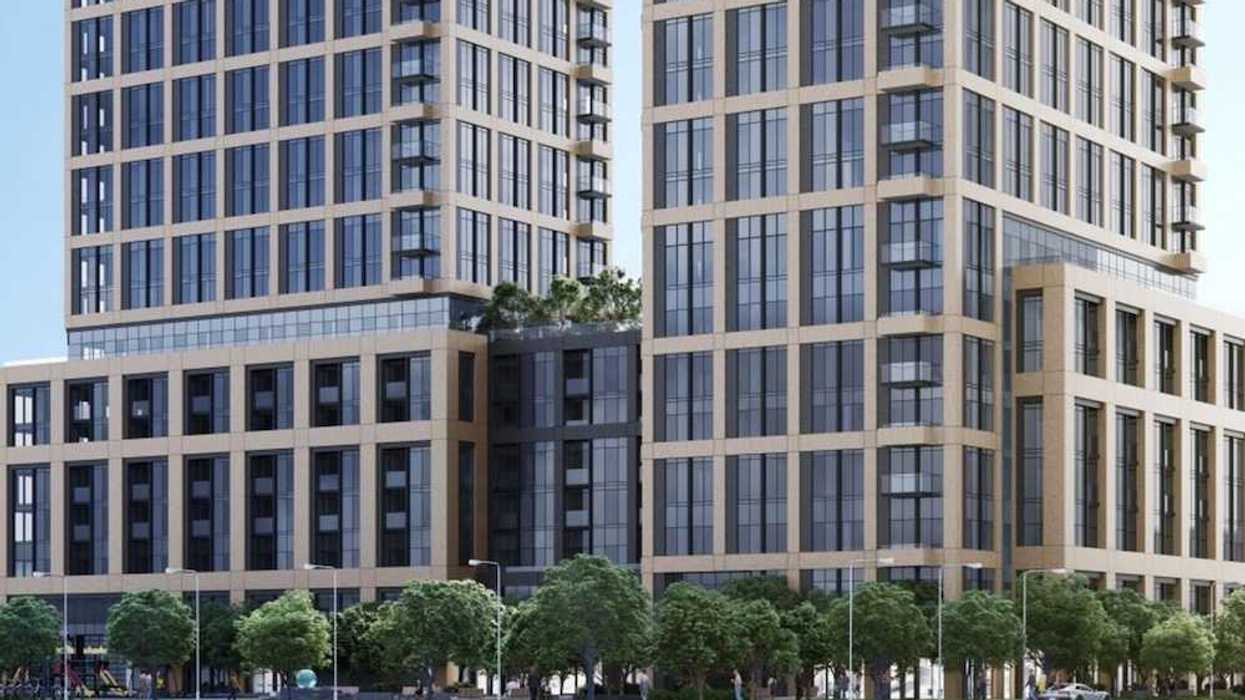
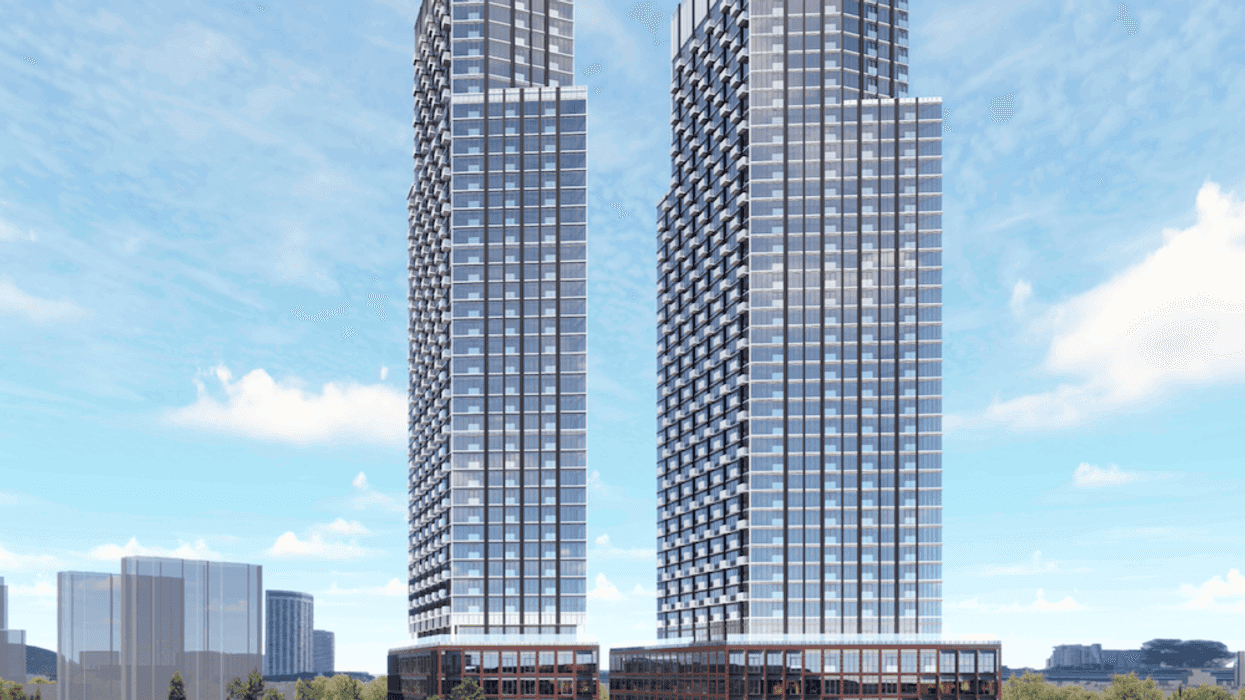
The developer received a density bonus allowing two additional storeys by including affordable rental units in the condominium project.
Key Takeaways
- Provides additional development rights
- Requires public benefits in return
- Encourages affordable housing and urban amenities
- Negotiated with municipal approval
- Supports smart growth policies
Related Terms
- Zoning
- Inclusionary Zoning
- Official Plan
- Urban Planning
- Transit-Oriented Development
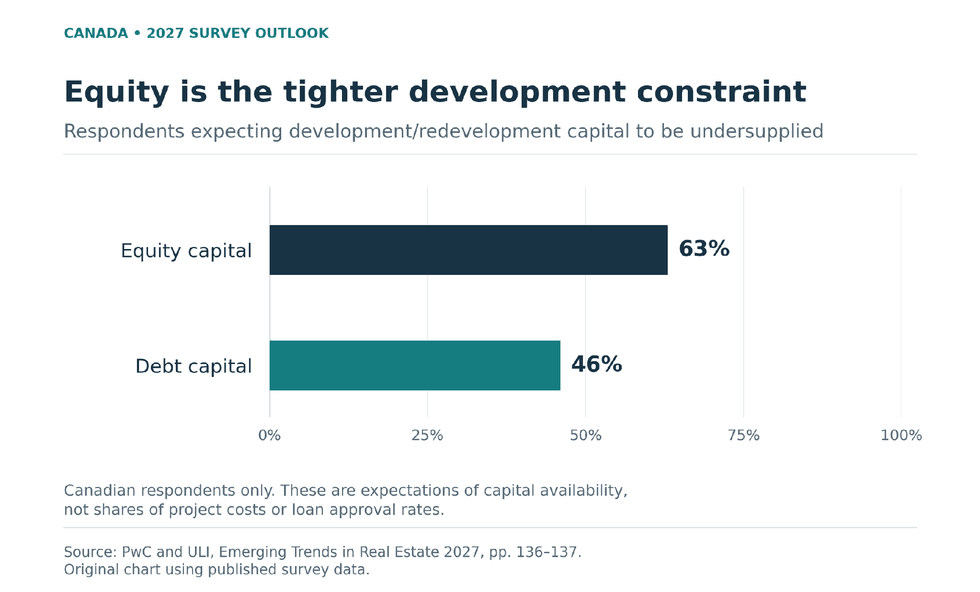 Canadian respondents were more likely to expect an undersupply of development/redevelopment equity capital (63%) than debt capital (46%) in 2027. These are survey expectations, not measured financing volumes. Source: PwC and ULI, Emerging Trends in Real Estate 2027, pp. 136–137. Original chart.
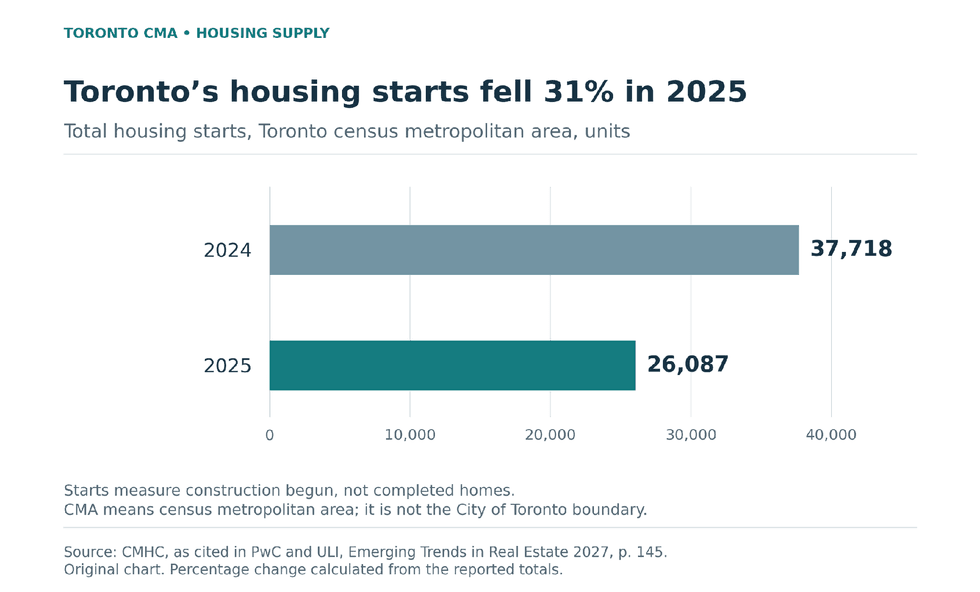 Toronto census metropolitan area housing starts fell from 37,718 units in 2024 to 26,087 in 2025, a 30.8% decline (rounded to 31%). Starts measure construction begun, not completed homes. Source: CMHC, as cited in PwC and ULI, Emerging Trends in Real Estate 2027, p. 145. Original chart.


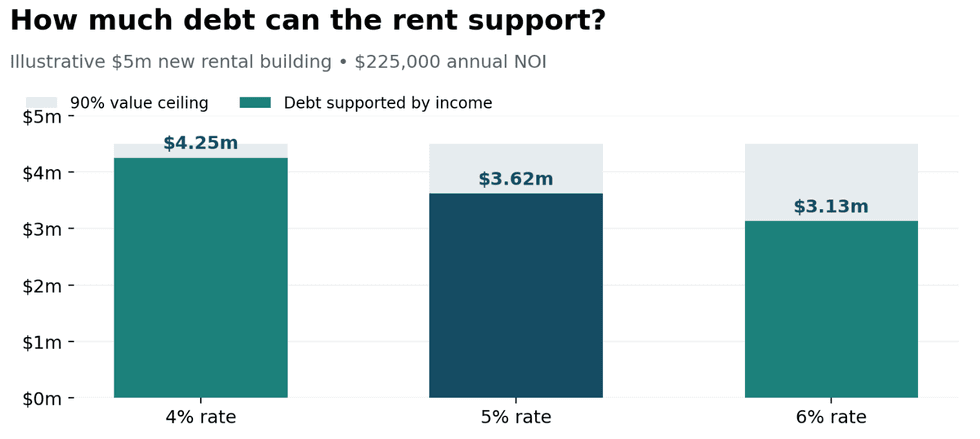 Illustrative calculation: a $4.5-million value ceiling versus income-based capacity of about $4.25 million at 4%, $3.62 million at 5% and $3.13 million at 6%. Assumes 50-year amortization and 1.15 debt coverage.
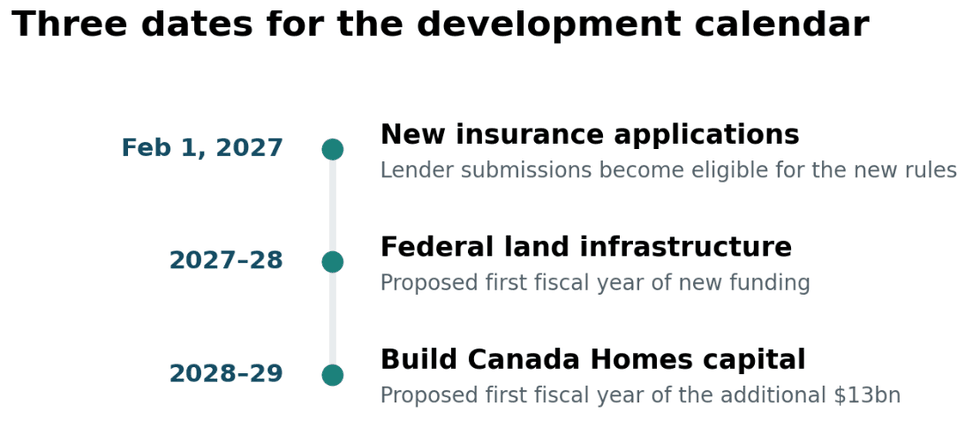 Source: Department of Finance missing-middle backgrounder and Budget 2026 Chapter 3, November 5, 2026. Fiscal-year funding starts are not home-completion dates.