Transit-Oriented Development
Explore transit-oriented development in Canadian real estate — how walkable, transit-linked projects shape urban growth and boost property value.

June 09, 2025
What is Transit-Oriented Development?
Transit-oriented development (TOD) is a planning strategy that concentrates residential, commercial, and recreational buildings near public transit hubs to encourage sustainable, walkable communities.
Why Transit-Oriented Development Matters in Real Estate
In Canadian real estate, TOD is a growing trend in urban planning that boosts accessibility, reduces car dependency, and increases land value.
Key elements of TOD include:
- Mixed-use zoning near transit stations
- Pedestrian-friendly design and density
- Reduced parking requirements
- Proximity to rail, bus, or LRT lines
Properties near transit hubs often see faster appreciation and strong rental demand. Municipal governments may offer incentives or upzone TOD areas.
Understanding TOD helps developers and buyers identify high-growth areas with long-term sustainability benefits.
Example of Transit-Oriented Development in Action
A condo developer secures land near a new light rail station, capitalizing on TOD policies that allow higher density and reduced parking mandates.
Key Takeaways
- Focuses development near transit hubs
- Encourages walkable, mixed-use areas
- Increases land value and rental demand
- Supported by city policies and incentives
- Appeals to sustainability-focused buyers
Related Terms
- Zoning
- Urban Planning
- Walkability
- Land Value
- Housing Supply

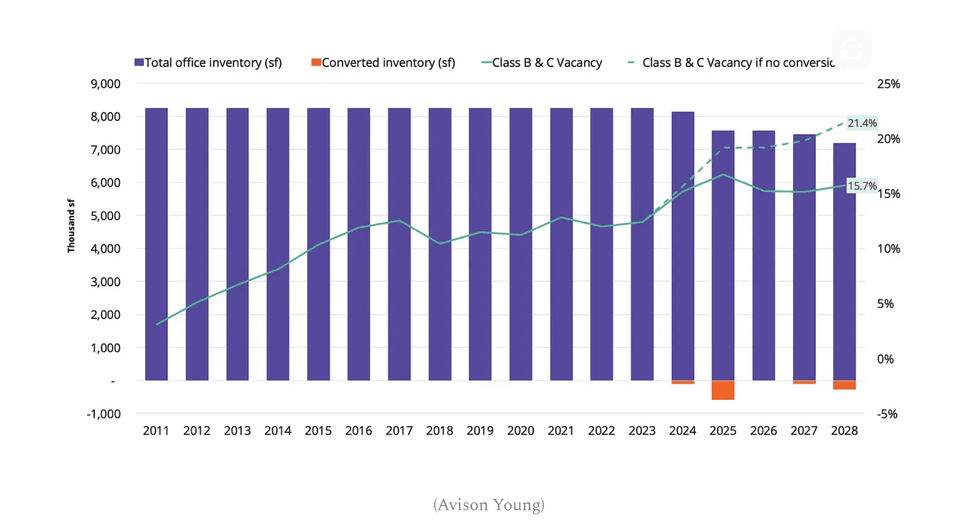 (Avison Young)

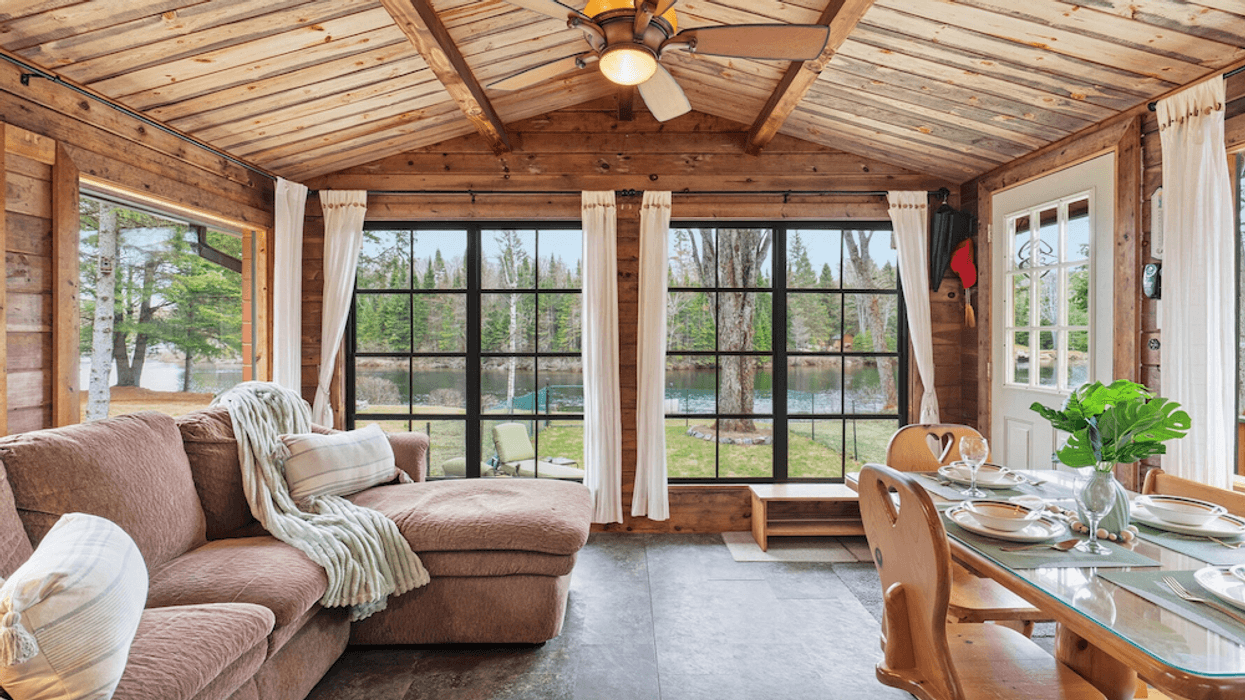



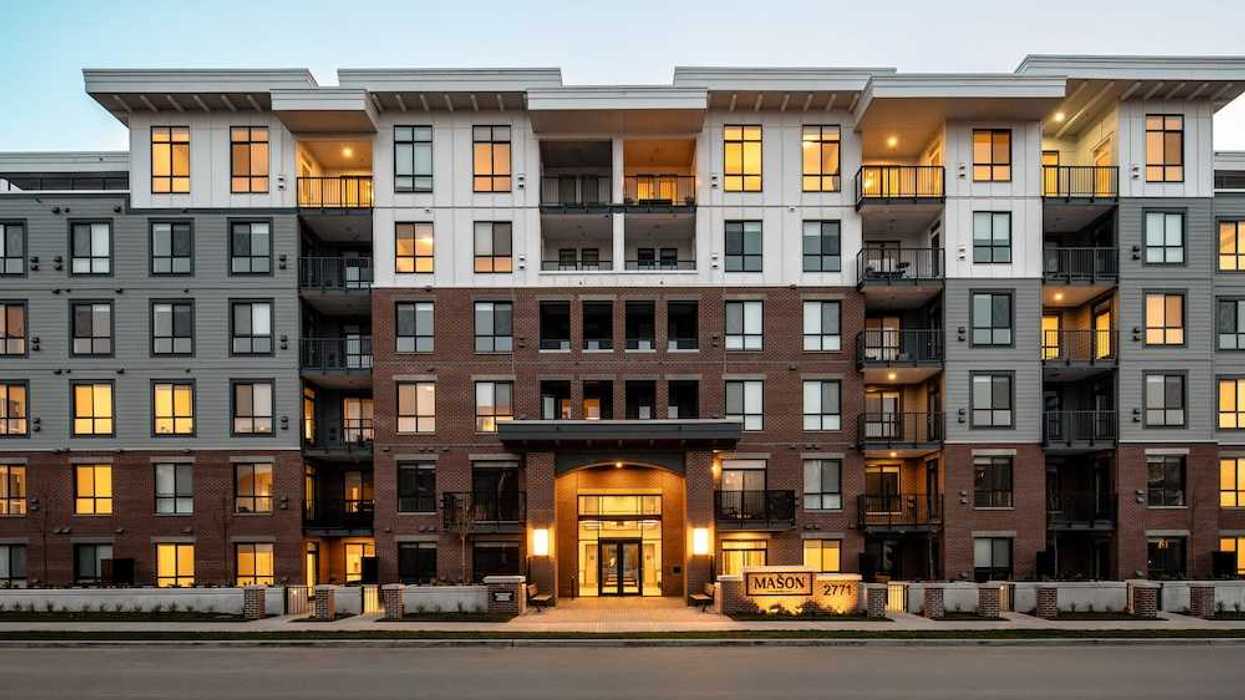
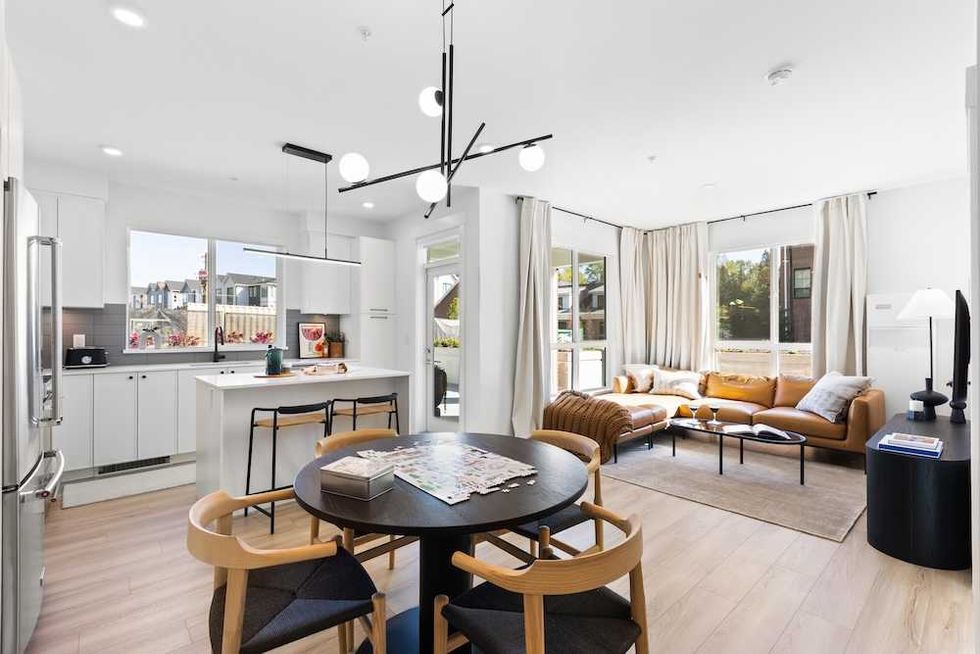 The Mason Suite Interior (Infinity Properties)
 The Mason Suite Interior (Infinity Properties)
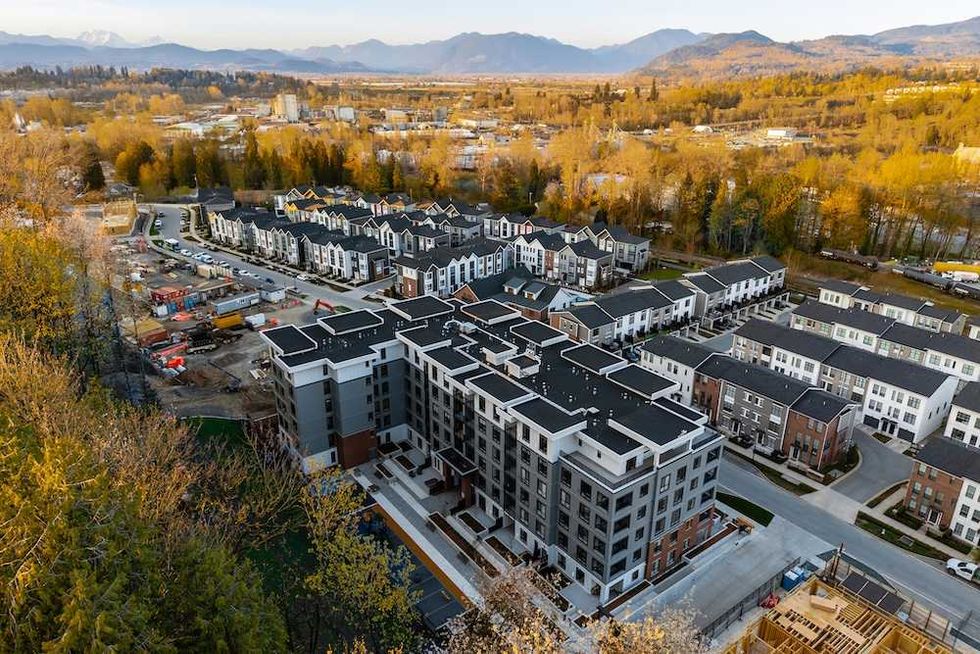 Rail District aerial (Infinity Properties)
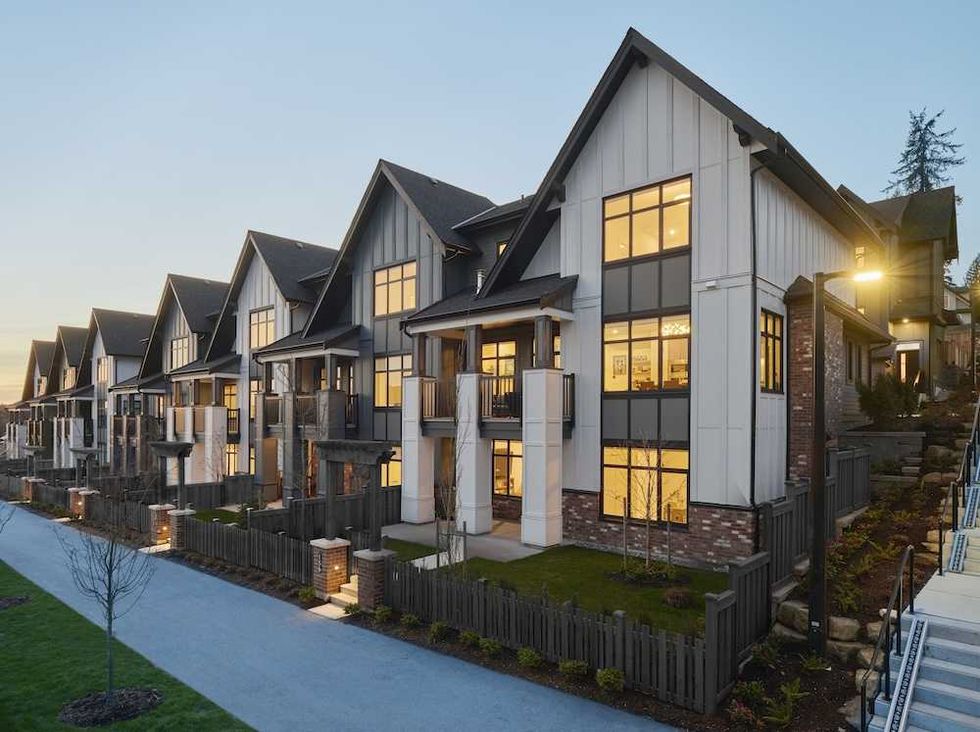 Versant (Infinity Properties)

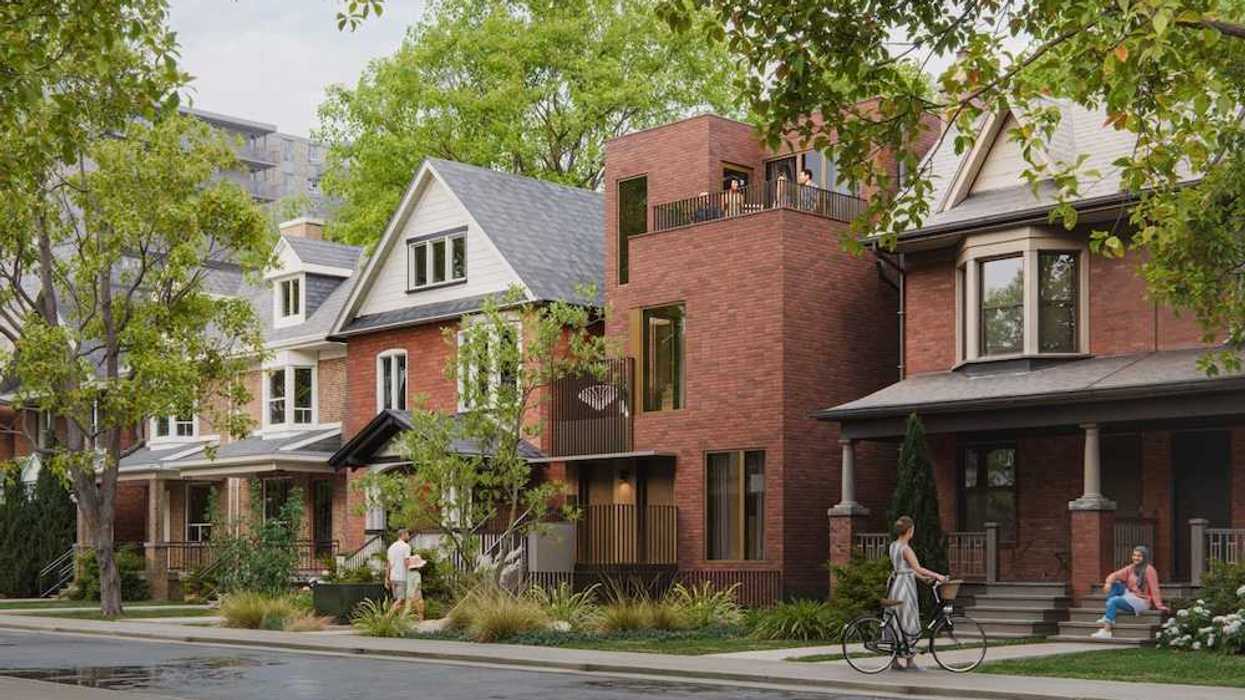
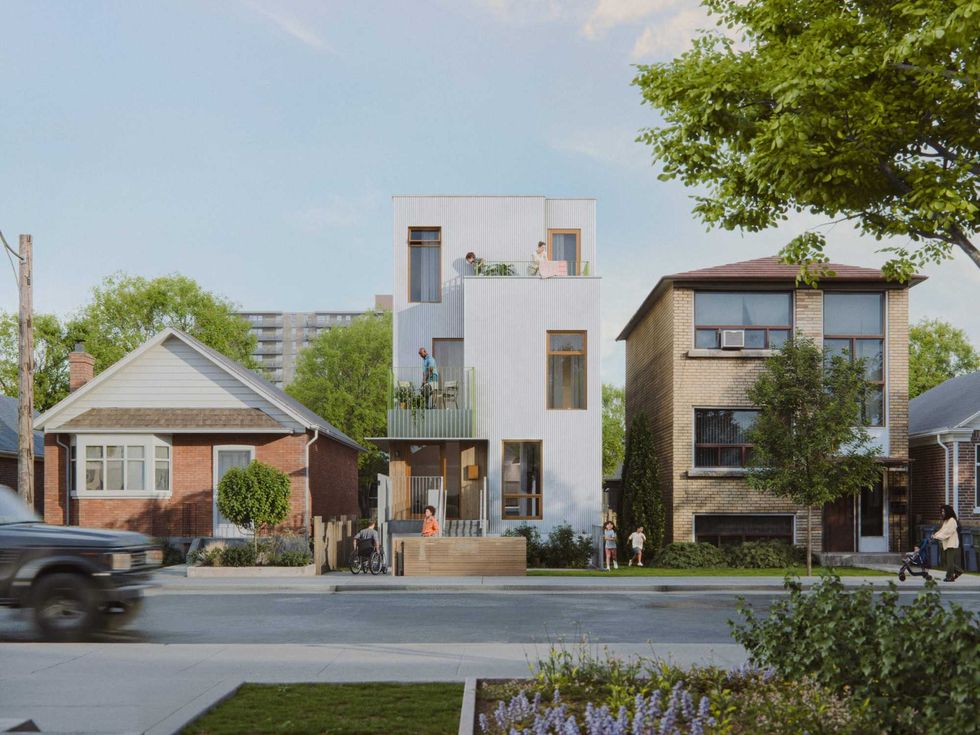 Narrow Fourplex (City of Toronto)
 Wide Sixplex - Side View (City of Toronto)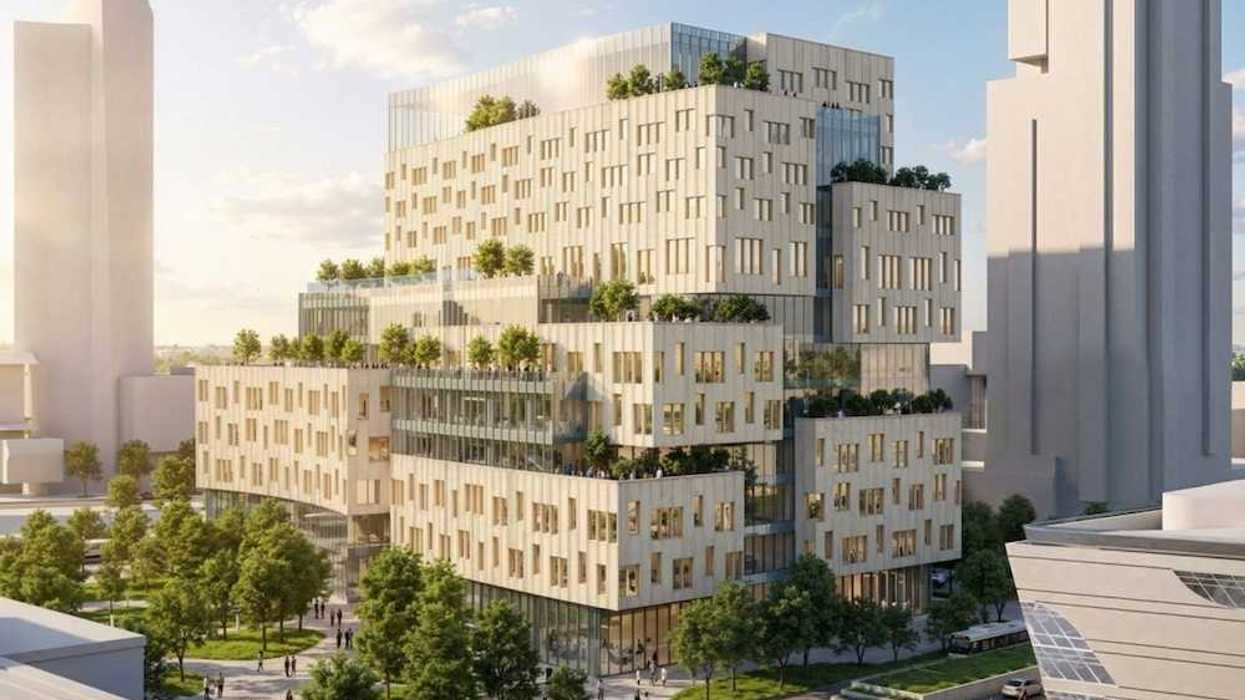
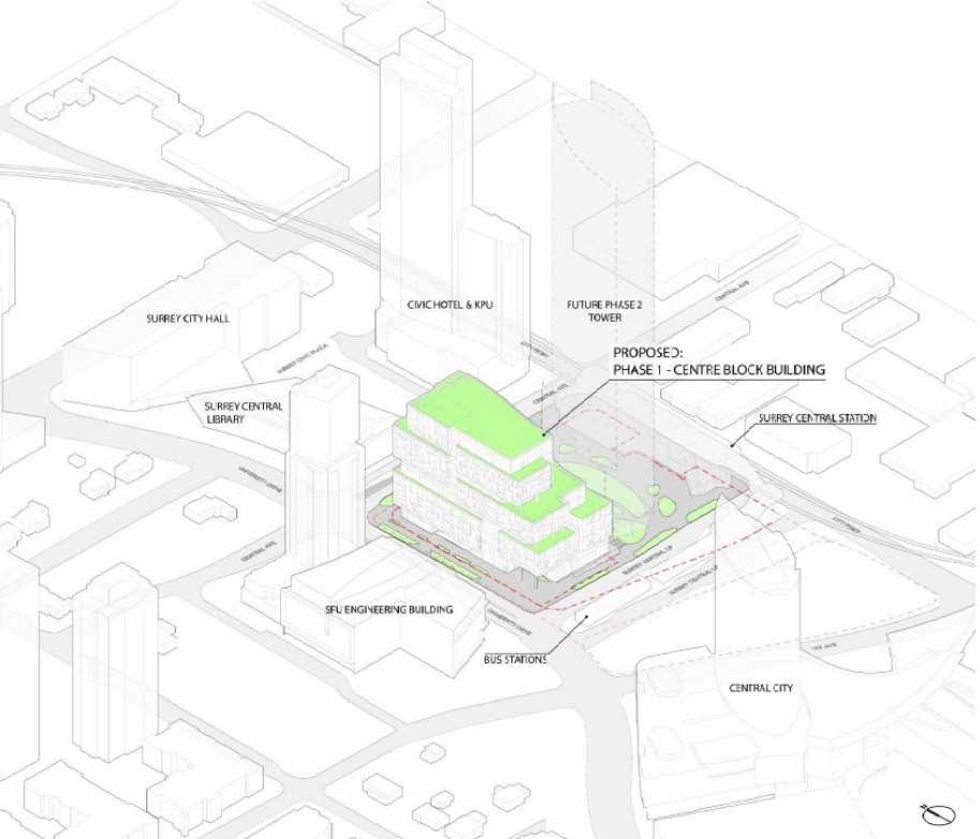 Centre Block and its surrounding context. (Stantec-Revery, SCDC)
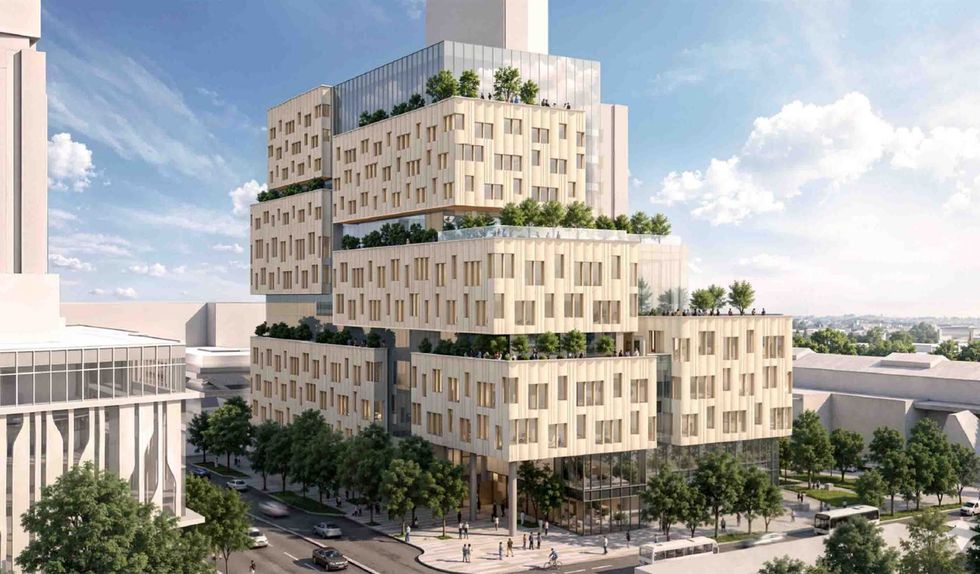 The 12-storey Phase One of Centre Block. (Stantec-Revery, SCDC)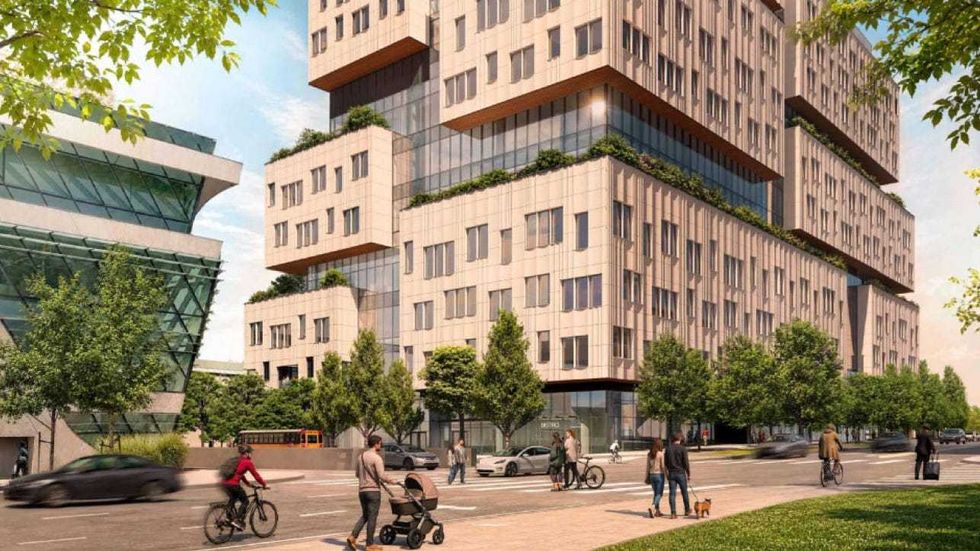
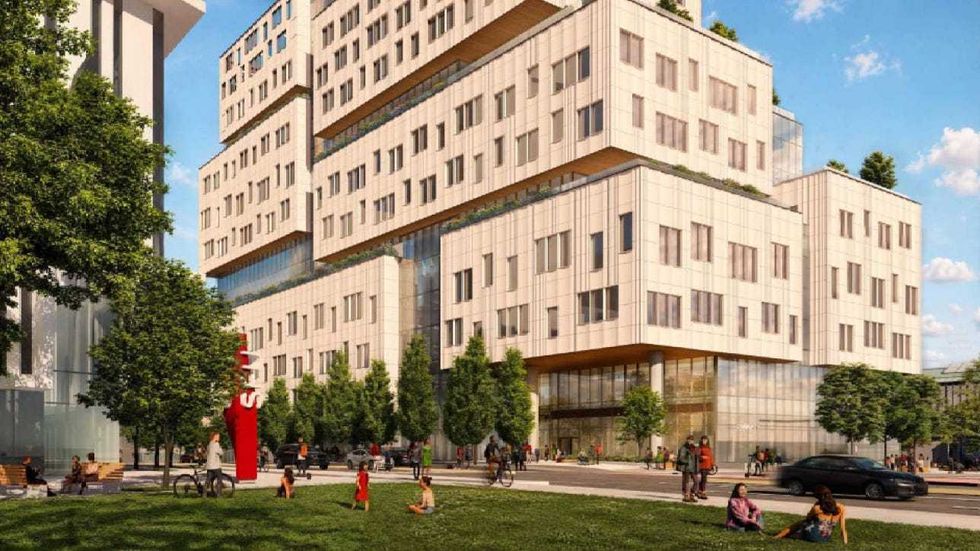 The 12-storey Phase One of Centre Block. (Stantec-Revery, SCDC)
 Mondria One, set for 1607 King Street East in Clarington, Ontario. (ICON Architects Inc., Monde Development Group)