Housing Supply
Understand housing supply in Canadian real estate — how it's shaped, why shortages happen, and what it means for affordability and planning.
June 09, 2025
What is Housing Supply?
Housing supply refers to the total number of homes — both for sale and under construction — available to meet the housing needs of a population in a specific area.
Why Housing Supply Matters in Real Estate
In Canadian housing policy and real estate, the balance between housing supply and demand determines affordability, vacancy rates, and development trends.
Factors influencing housing supply:
- New home construction and zoning approvals
- Demolition or redevelopment projects
- Government incentives or regulations
- Availability of land and infrastructure
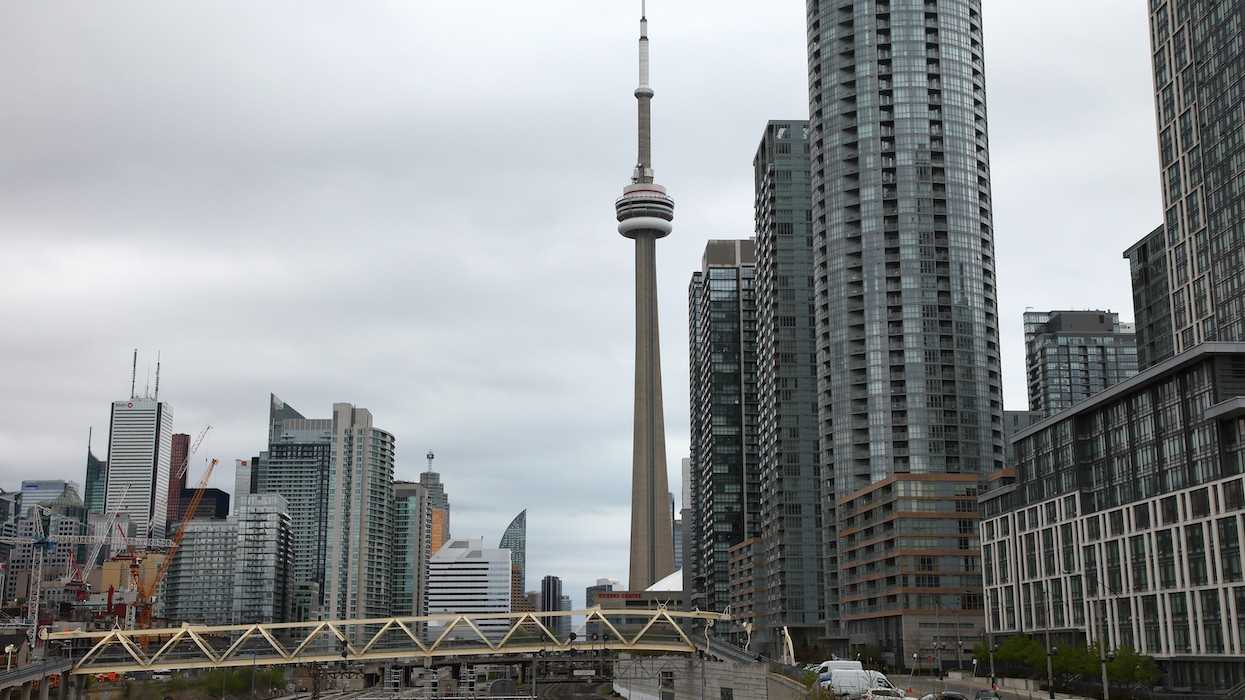
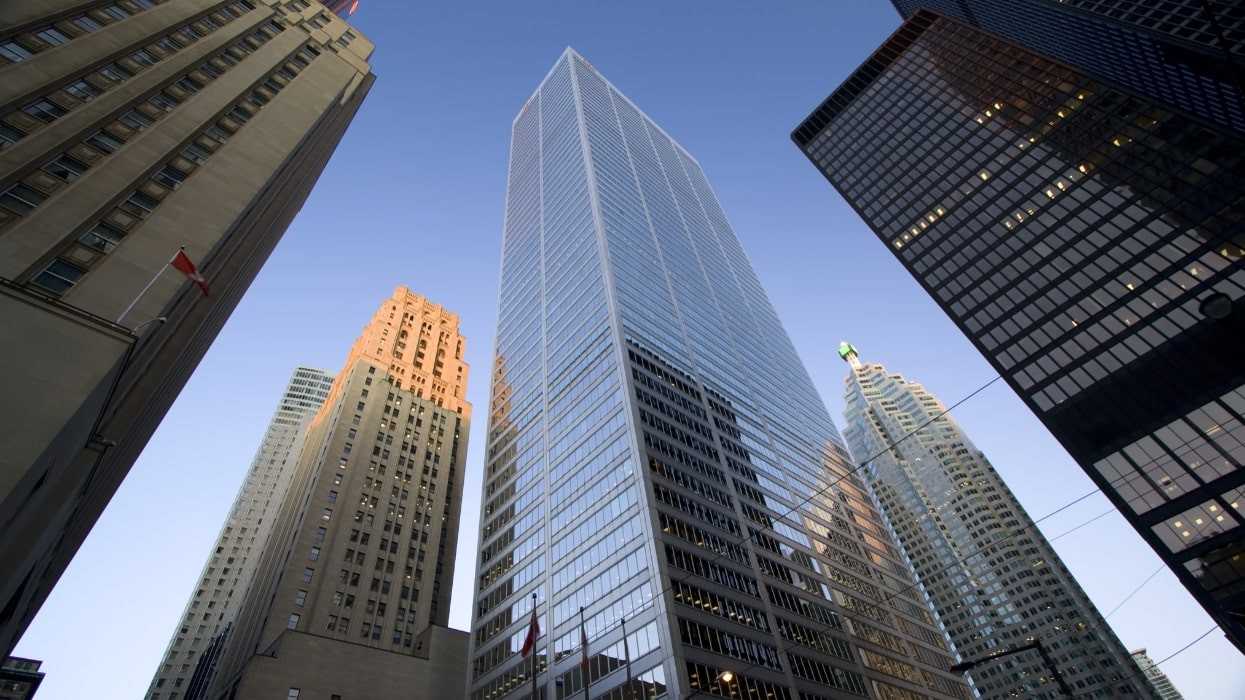
A shortage in housing supply contributes to affordability crises in cities like Toronto and Vancouver, prompting new municipal and federal strategies.
Understanding housing supply dynamics is vital for real estate professionals, policymakers, and planners focused on equitable growth.
Example of Housing Supply in Action
To address housing supply shortages, the city announced a policy to fast-track approvals for multi-unit residential developments.
Key Takeaways
- Reflects total homes available and being built
- Affects affordability and rental vacancy
- Influenced by planning and regulation
- Shortages drive market pressure
- Central to housing policy debates
Related Terms
- Housing Affordability
- Zoning
- New Construction
- Market Type
- Housing Inventory
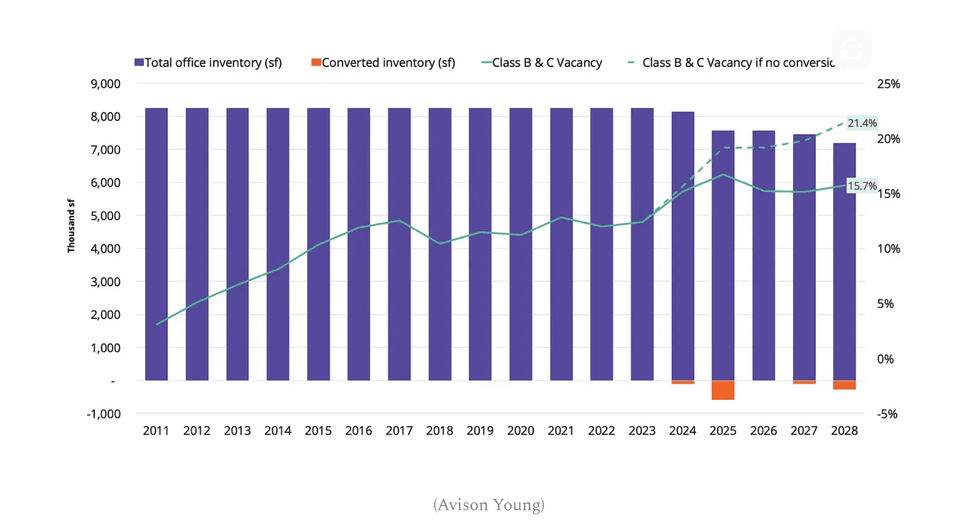 (Avison Young)
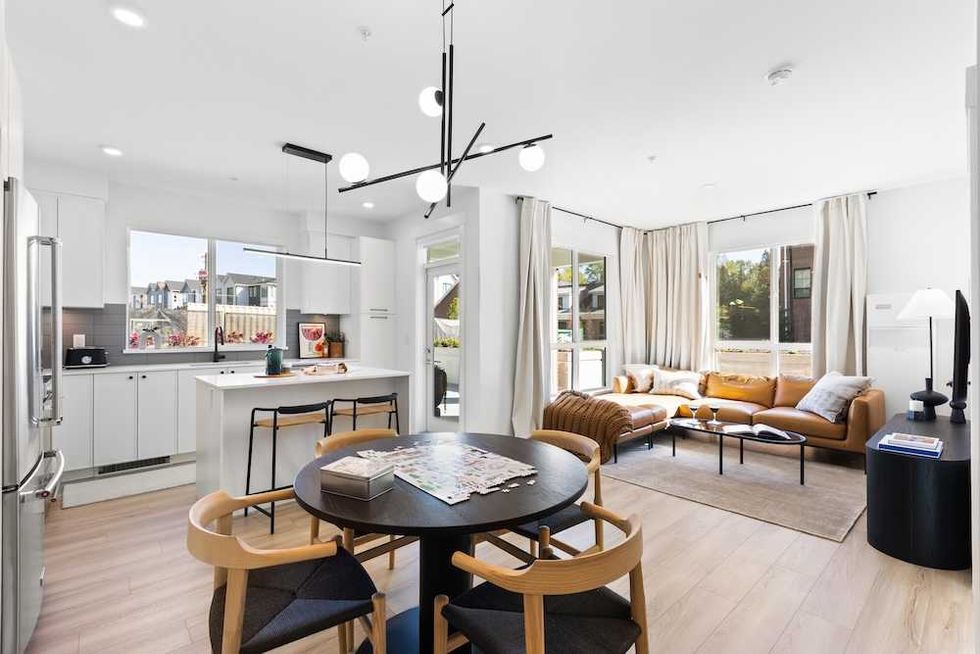 The Mason Suite Interior (Infinity Properties)
 The Mason Suite Interior (Infinity Properties)
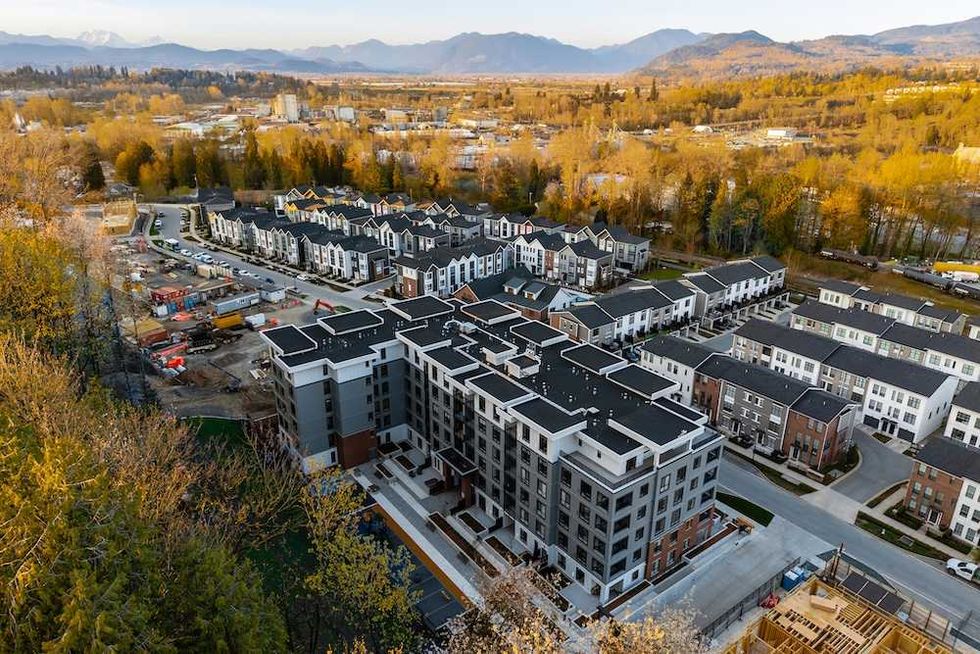 Rail District aerial (Infinity Properties)
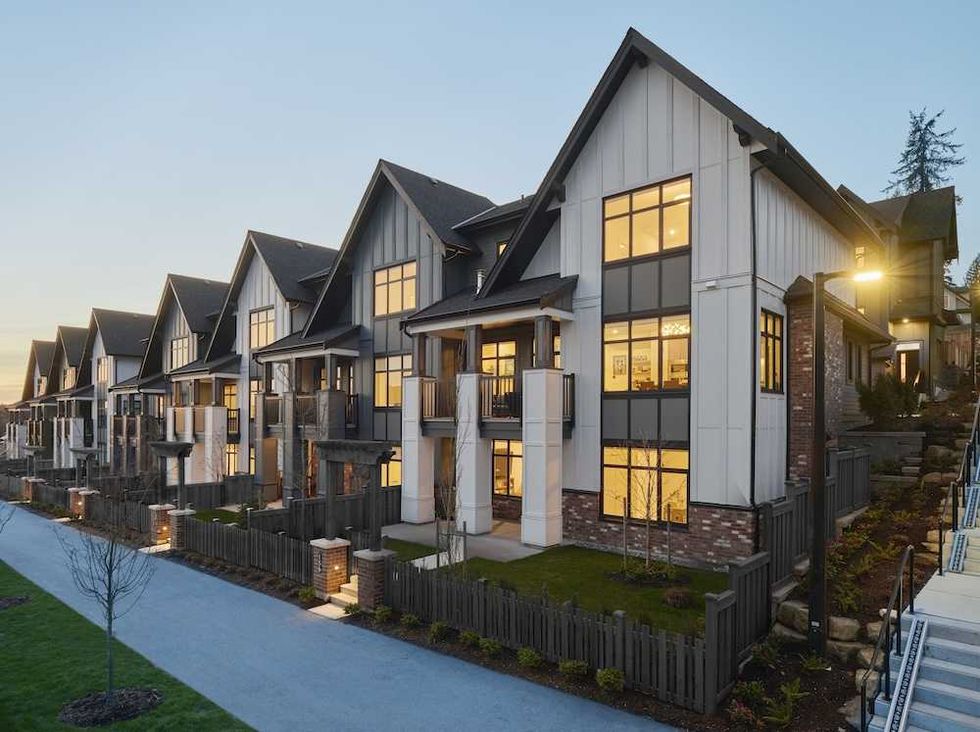 Versant (Infinity Properties)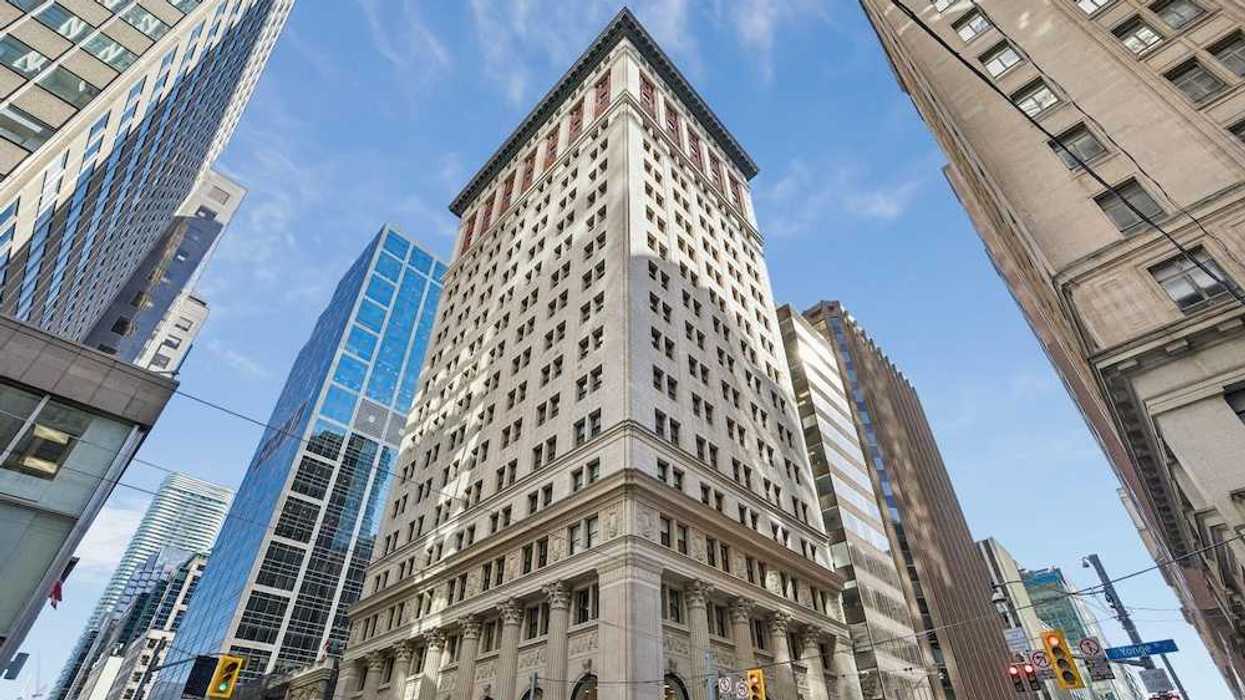



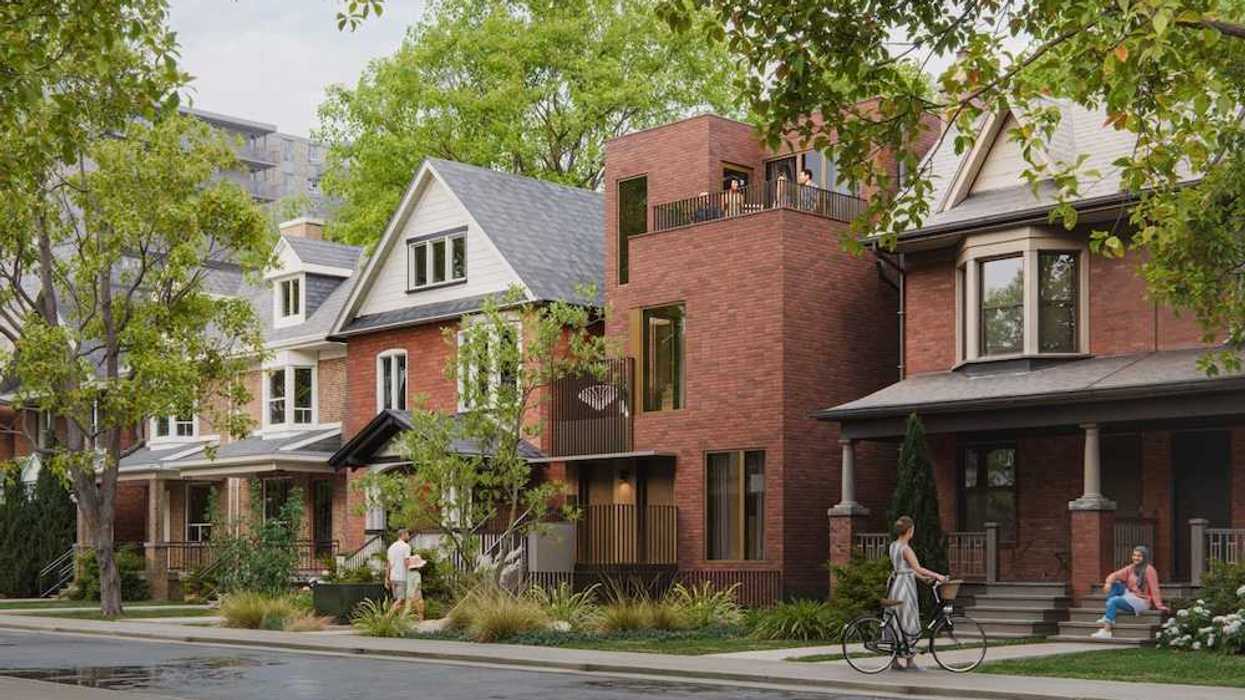
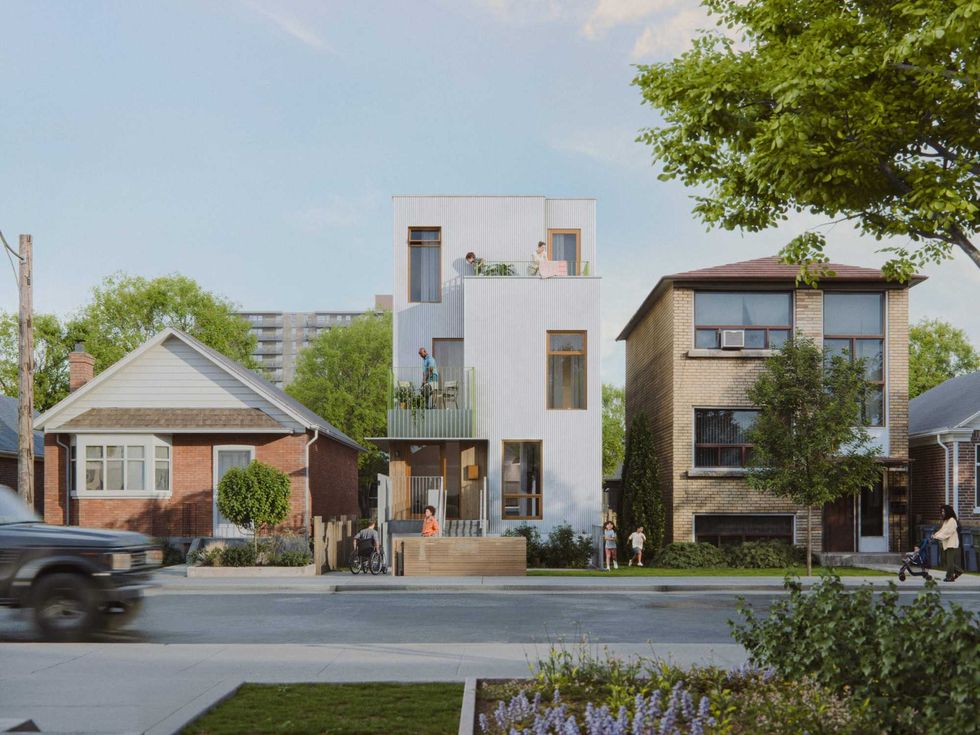 Narrow Fourplex (City of Toronto)
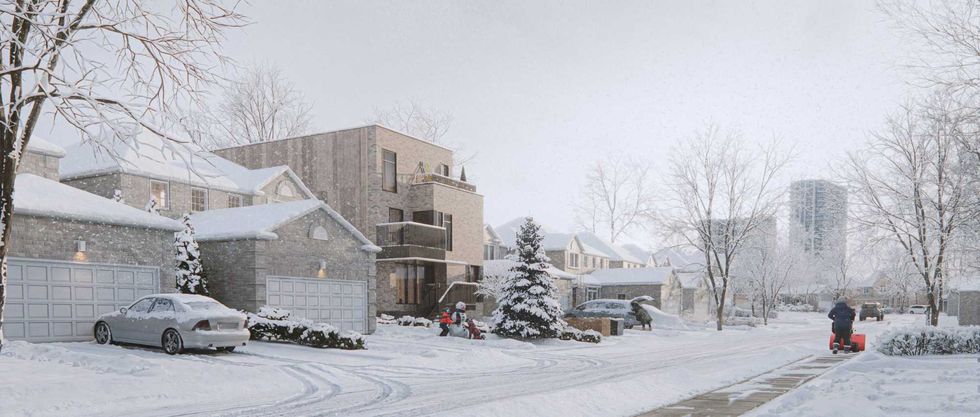 Wide Sixplex - Side View (City of Toronto)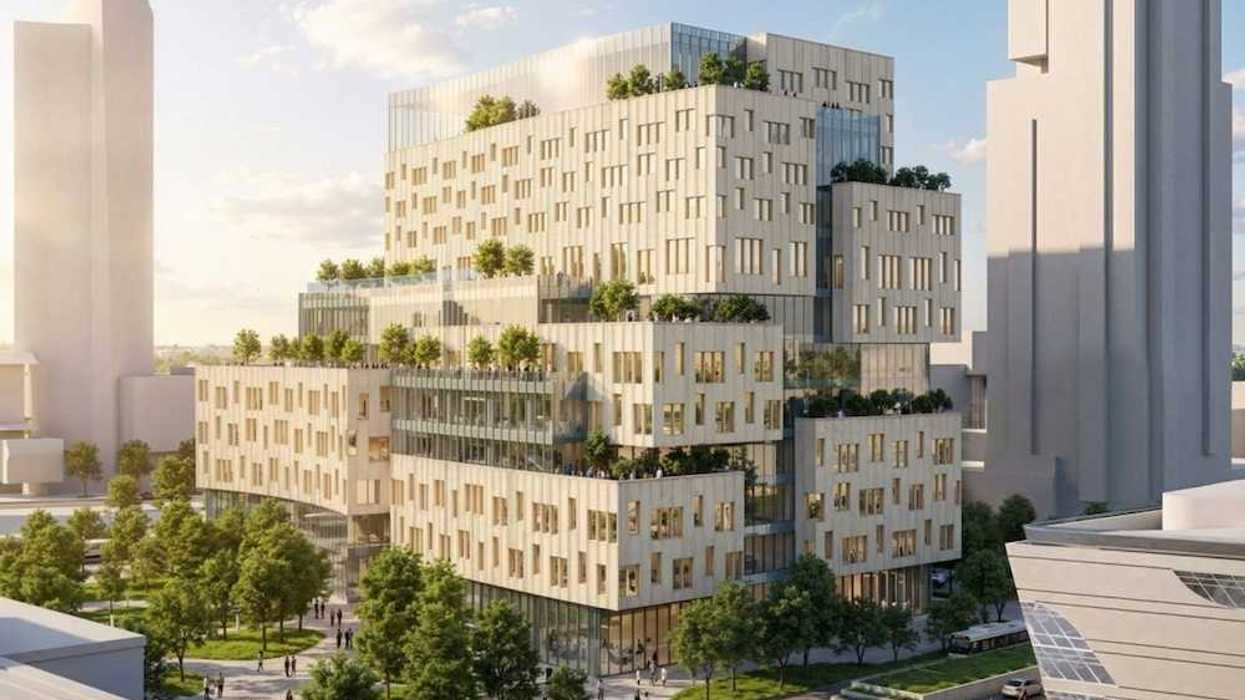
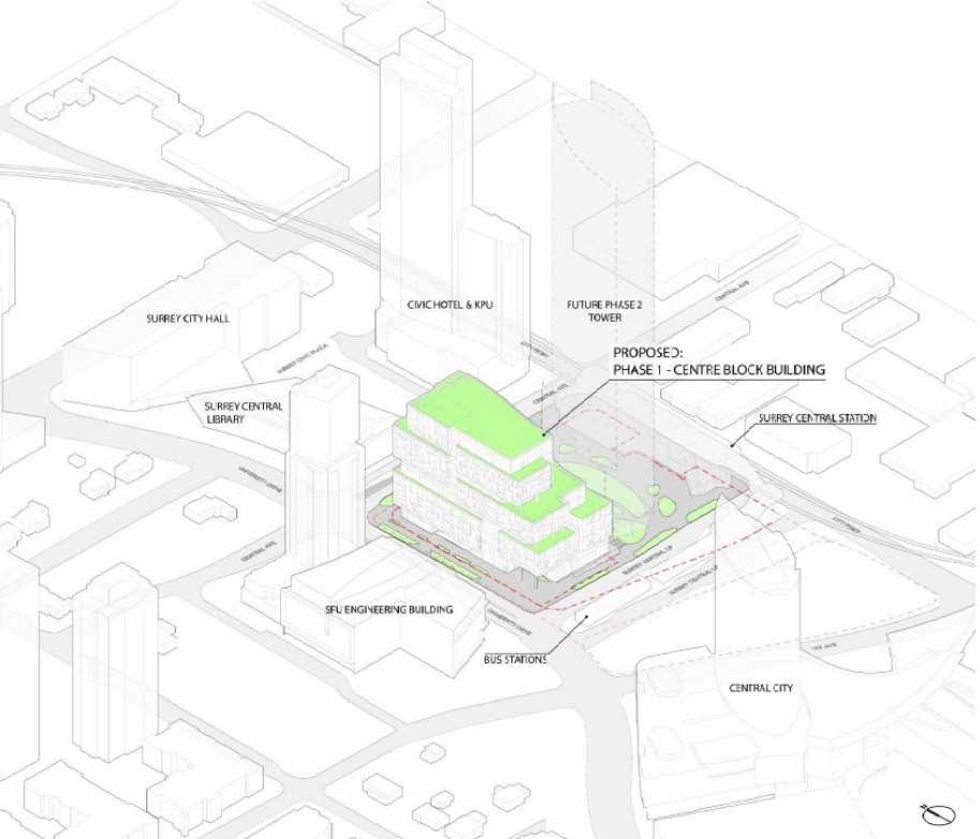 Centre Block and its surrounding context. (Stantec-Revery, SCDC)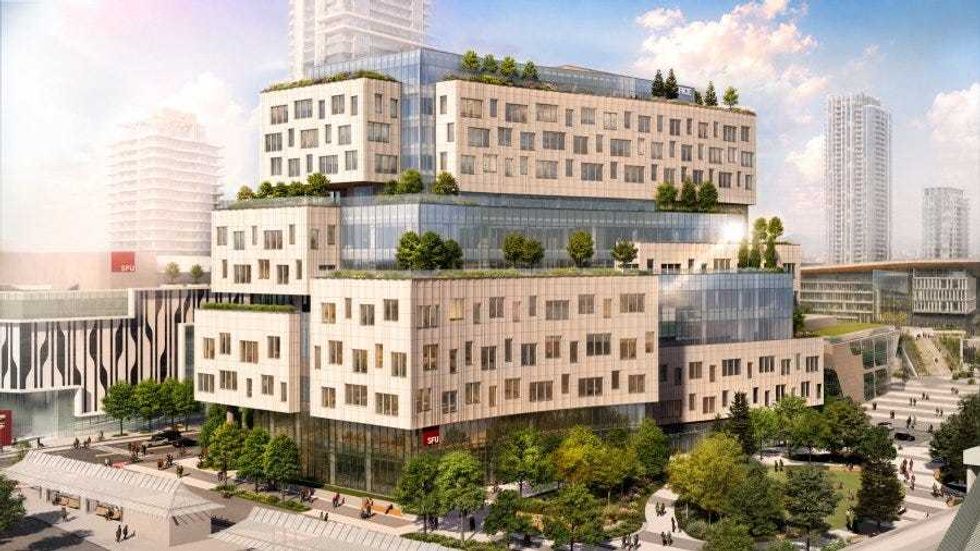
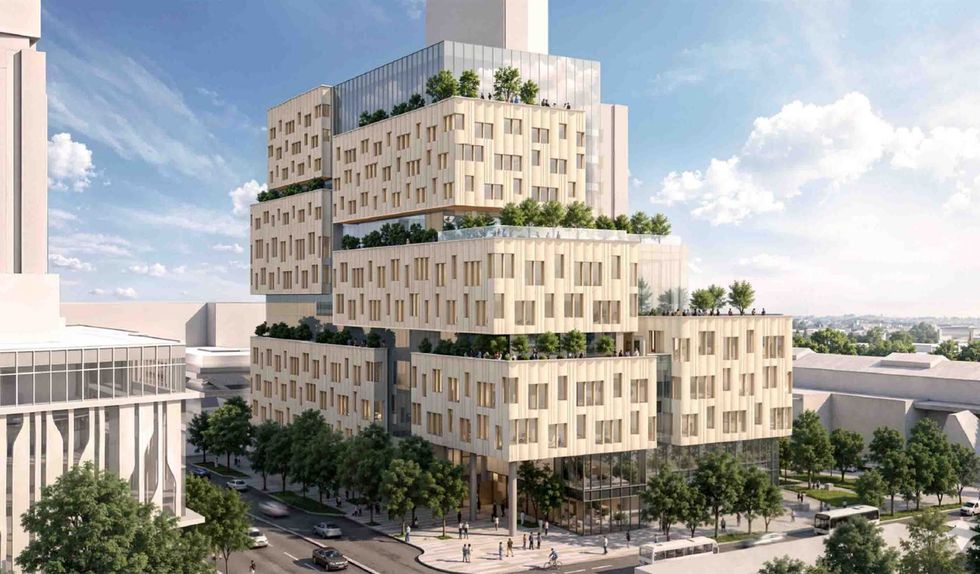 The 12-storey Phase One of Centre Block. (Stantec-Revery, SCDC)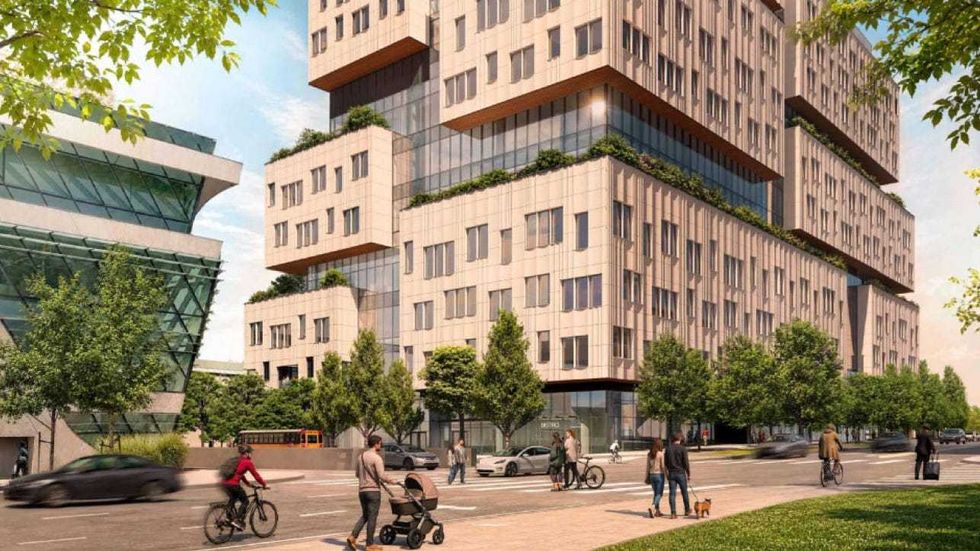
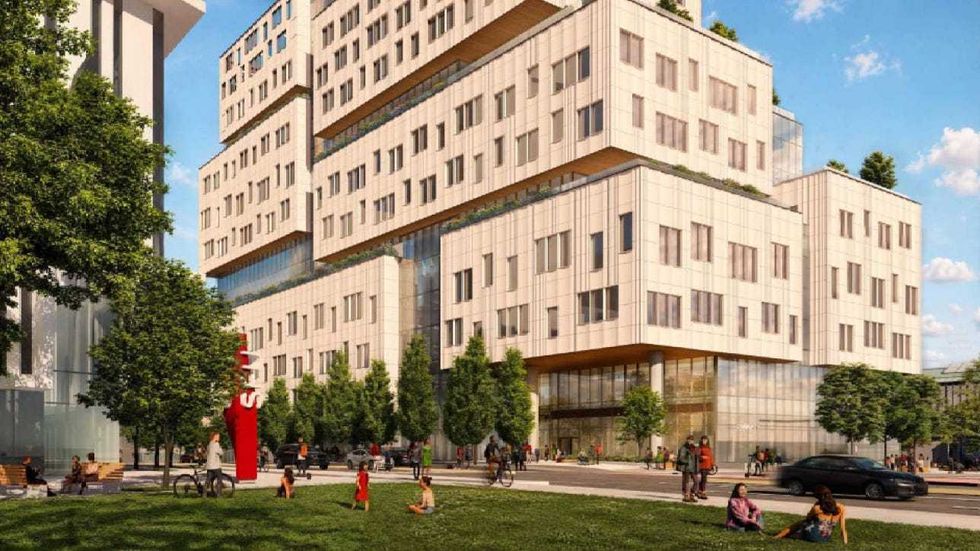 The 12-storey Phase One of Centre Block. (Stantec-Revery, SCDC)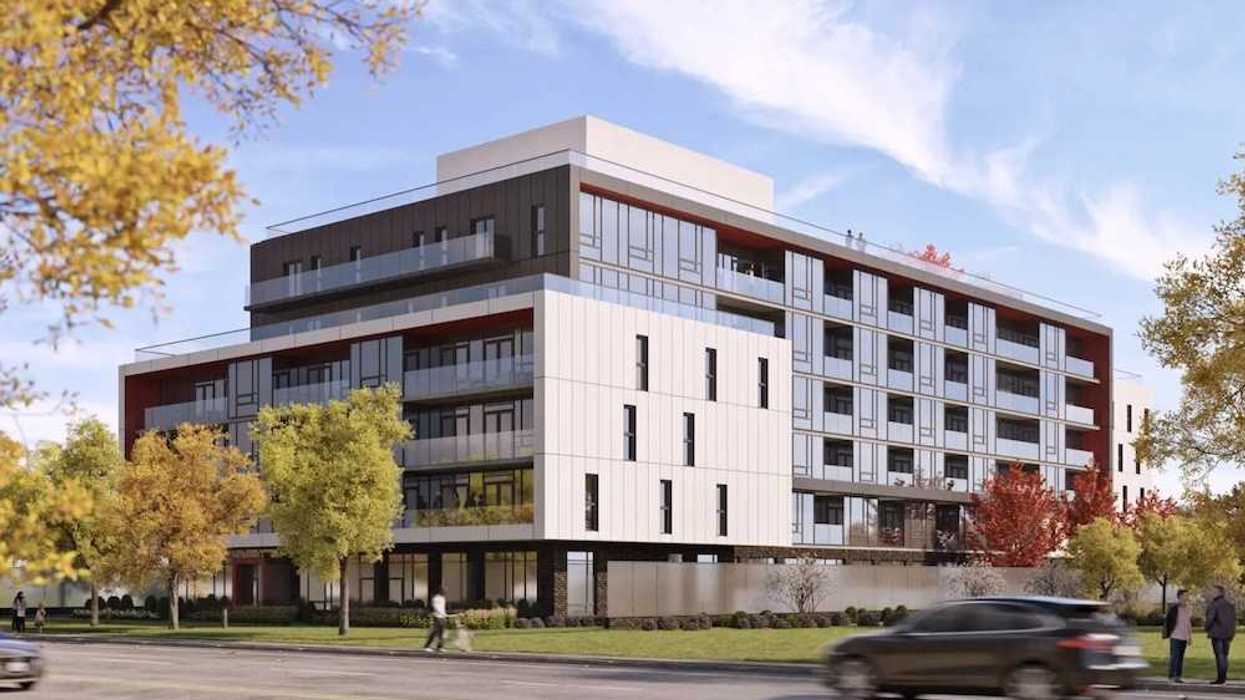
 Mondria One, set for 1607 King Street East in Clarington, Ontario. (ICON Architects Inc., Monde Development Group)