Housing Inventory
Explore housing inventory in Canadian real estate — why it matters, how it's measured, and how it affects market conditions and strategy.
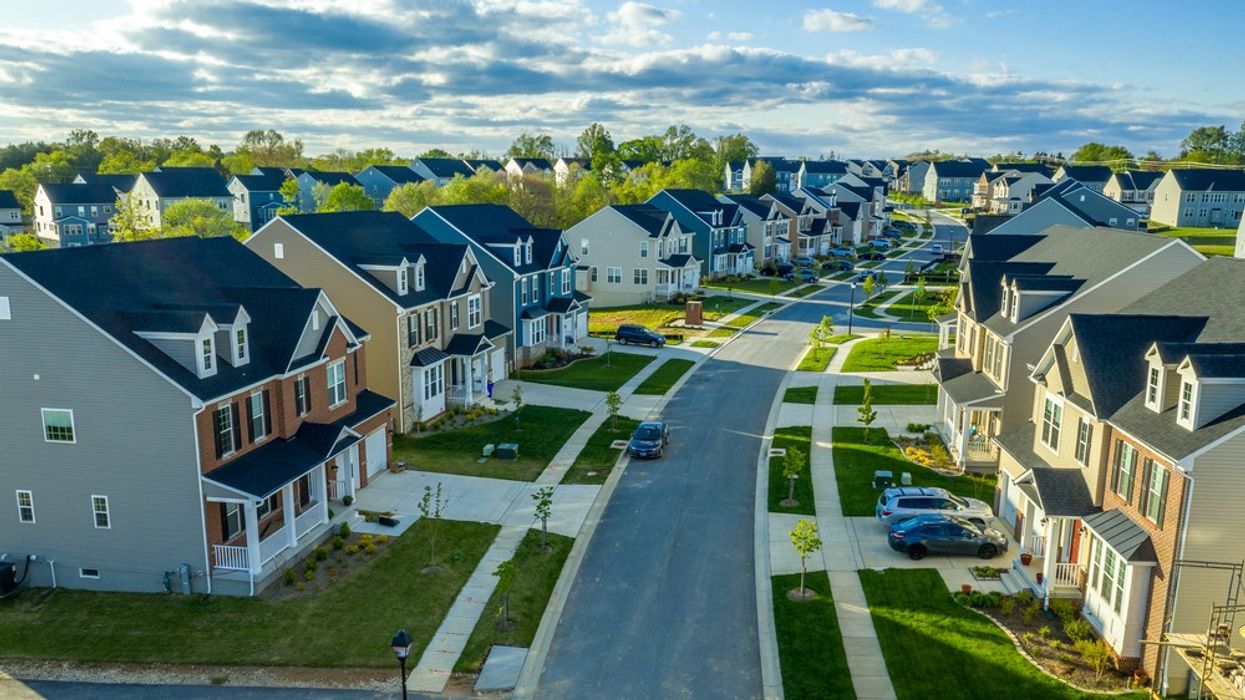
June 09, 2025
What is Housing Inventory?
Housing inventory refers to the total number of homes available for sale in a specific real estate market at a given time.
Why Housing Inventory Matters in Real Estate
In Canadian real estate, housing inventory is a critical factor in determining market conditions, such as whether it's a buyers’ or sellers’ market.
Low inventory typically leads to:
- Increased competition among buyers
- Higher sale prices and bidding wars
- Reduced time on market
High inventory, on the other hand, gives buyers more options and negotiating power. Inventory levels are tracked by real estate boards and influence pricing, development, and marketing strategies.
Understanding housing inventory trends helps buyers, sellers, and investors make informed decisions about timing and pricing.
Example of Housing Inventory in Action
With only a two-month supply of homes in the region, analysts flagged a record low in housing inventory, pushing average prices upward.
Key Takeaways
- Reflects number of homes actively for sale
- Helps determine market competitiveness
- Low inventory drives prices up
- Influences seller strategy and buyer urgency
- Used in industry reporting and analysis
Related Terms
- Buyers' Market
- Sellers' Market
- Sales-To-New-Listings Ratio (SNLR)
- Market Type
- Housing Supply


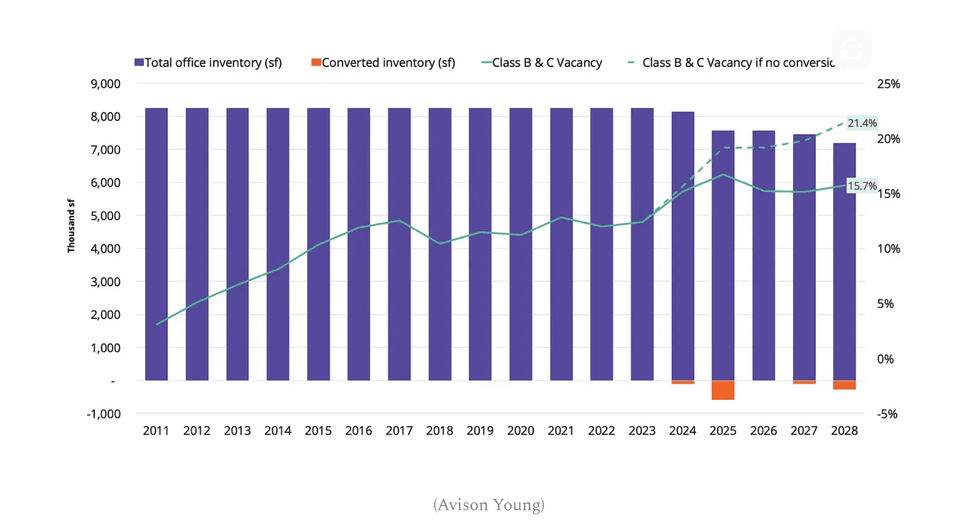 (Avison Young)





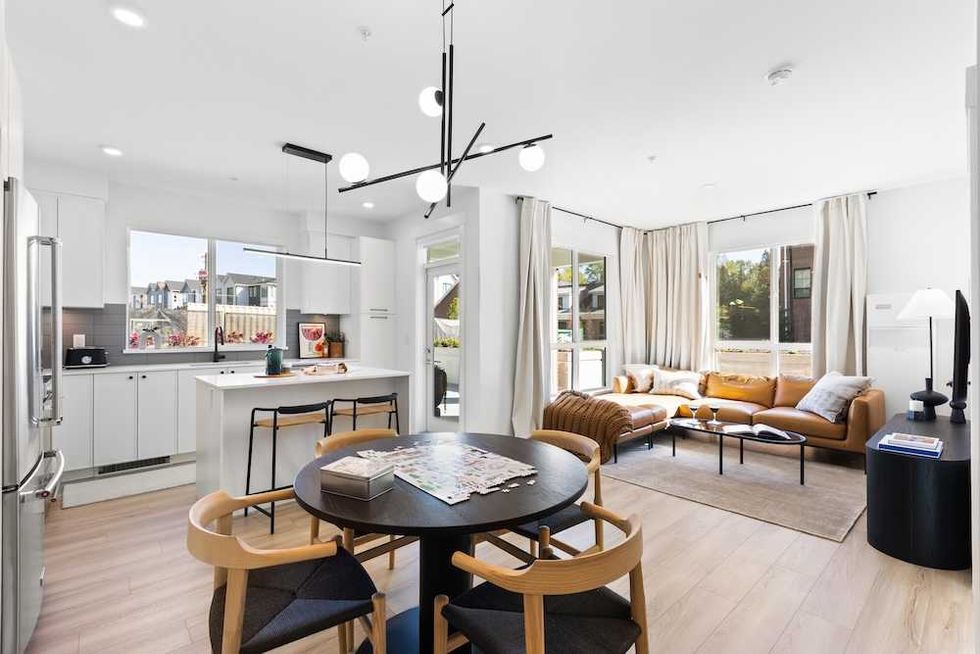 The Mason Suite Interior (Infinity Properties)
 The Mason Suite Interior (Infinity Properties)
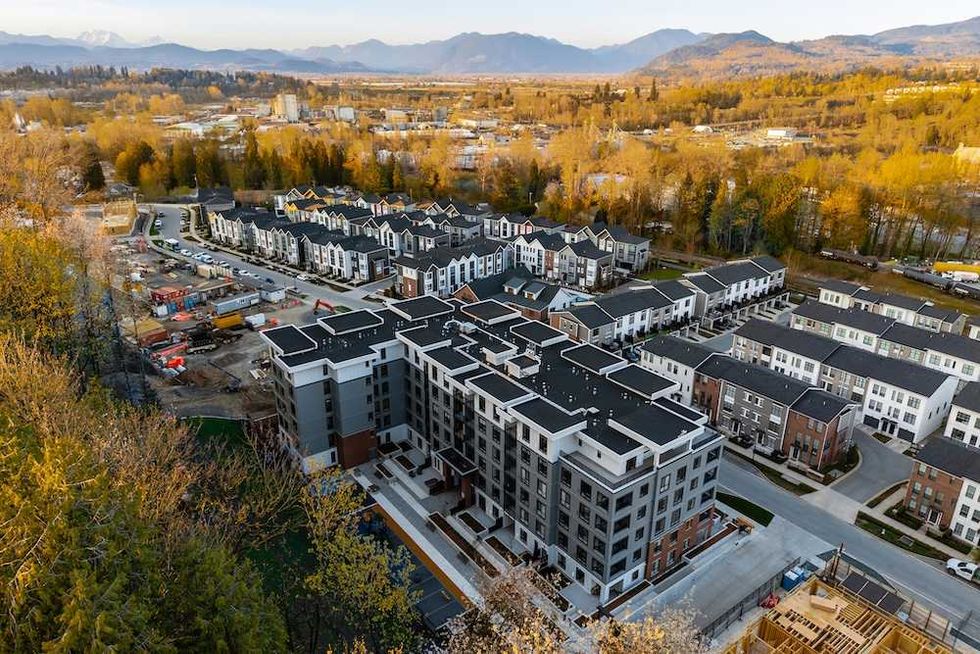 Rail District aerial (Infinity Properties)
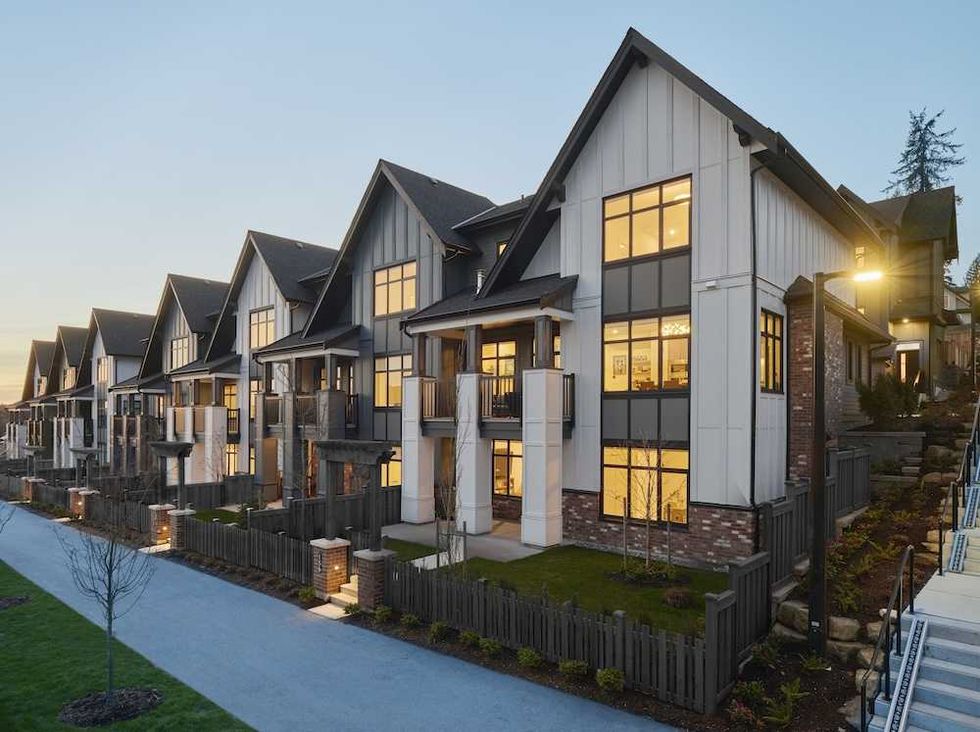 Versant (Infinity Properties)


 Narrow Fourplex (City of Toronto)
 Wide Sixplex - Side View (City of Toronto)
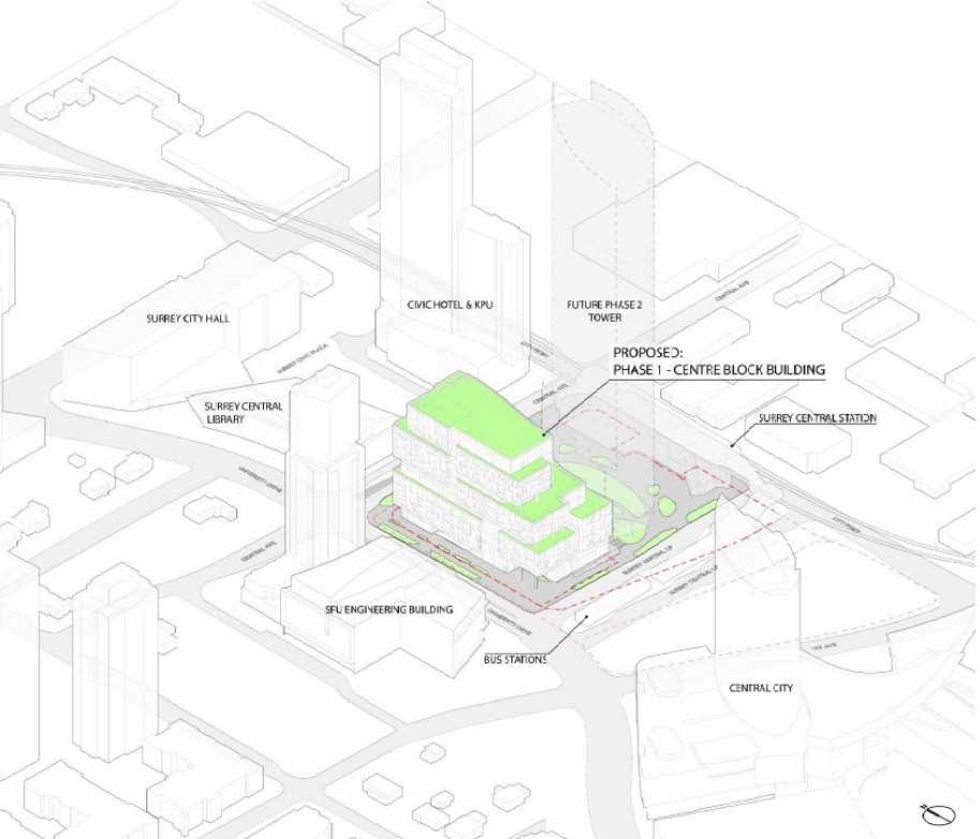 Centre Block and its surrounding context. (Stantec-Revery, SCDC)
 The 12-storey Phase One of Centre Block. (Stantec-Revery, SCDC)
 The 12-storey Phase One of Centre Block. (Stantec-Revery, SCDC)
 Mondria One, set for 1607 King Street East in Clarington, Ontario. (ICON Architects Inc., Monde Development Group)