Sellers' Market
Learn what a sellers' market is in Canadian real estate — how it affects pricing, strategy, and negotiation for buyers and sellers alike.

June 06, 2025
What is a Sellers' Market?
A sellers' market occurs when demand for real estate exceeds available supply, giving sellers more negotiating power and often leading to higher prices and bidding wars.
Why Sellers' Markets Matter in Real Estate
In Canadian real estate, a sellers' market is common in high-demand urban areas or when interest rates are low and housing inventory is limited.
Characteristics of a sellers' market include:
- Multiple offers and bidding wars
- Short time on market for listings
- Increased home prices
- Reduced buyer negotiation leverage
This market condition affects pricing strategies, financing timelines, and buyer competitiveness.
Understanding when you're in a sellers' market helps both buyers and sellers adjust expectations and strategies accordingly.
Example of a Sellers' Market in Action
In Toronto’s hot spring market, listings received multiple offers within days, a clear sign of a sellers’ market.
Key Takeaways
- Occurs when demand exceeds supply
- Sellers gain leverage and higher pricing
- Results in bidding wars and quick sales
- Affects financing and offer strategies
- Measured with SNLR and inventory data
Related Terms
- Buyers' Market
- Sales-To-New-Listings Ratio (SNLR)
- Market Type
- Housing Inventory
- Multiple Offers

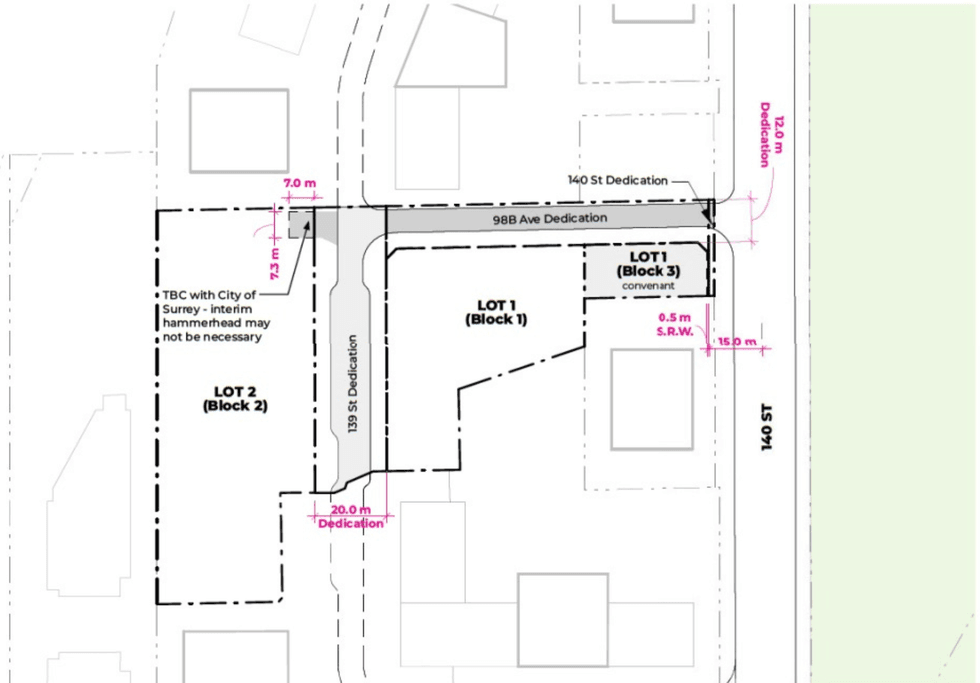 9883 140 Street and the proposed road dedications. (WW+P Architects, Entre Nous Femmes Housing Society)
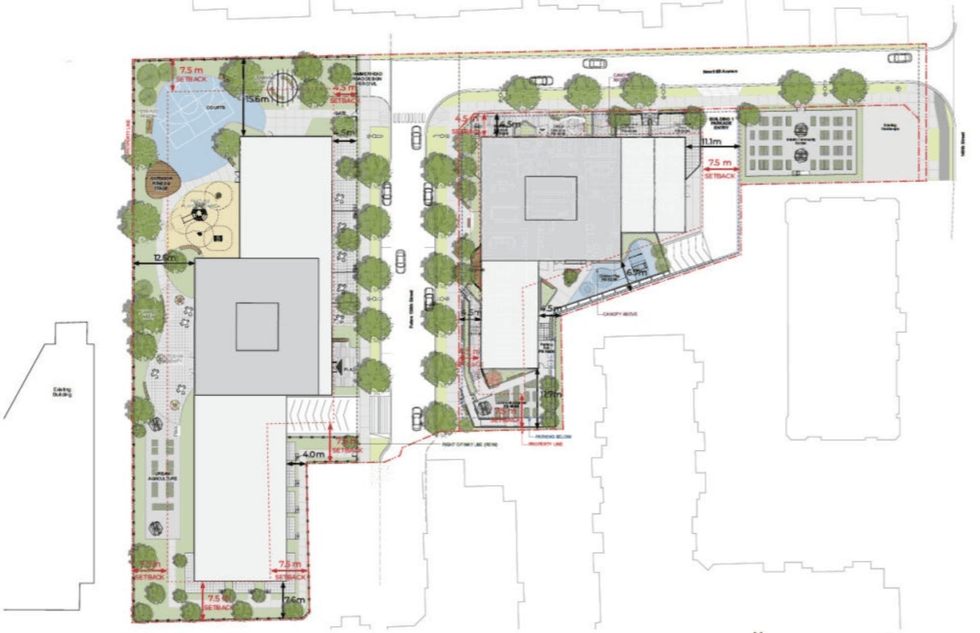 The
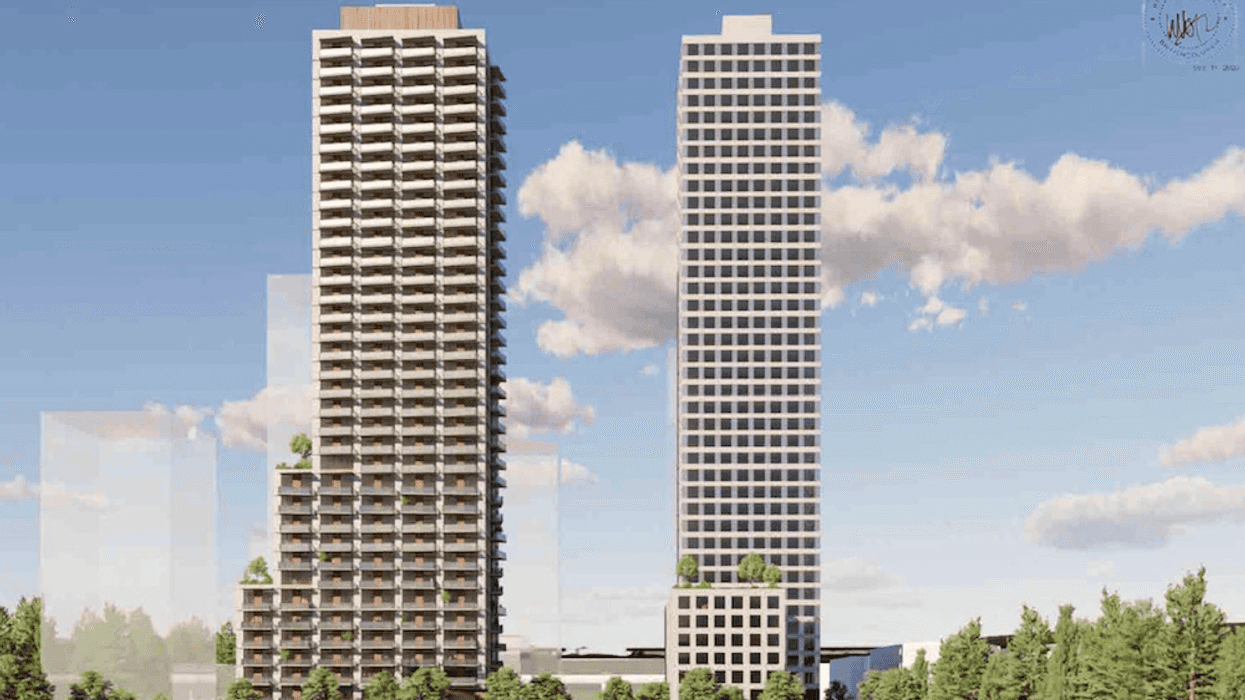
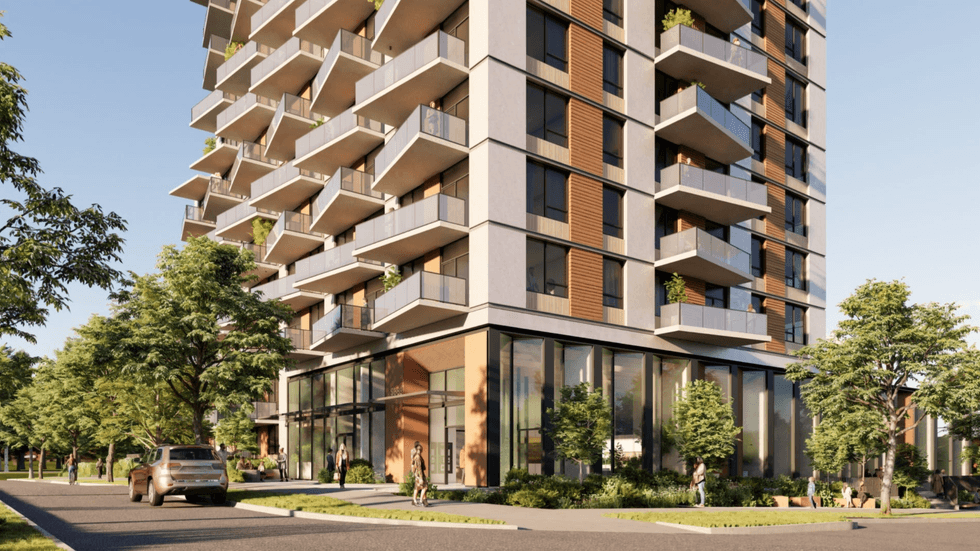 One of the towers proposed for 9883 140 Street. (Entres Nous Femmes Housing Society)






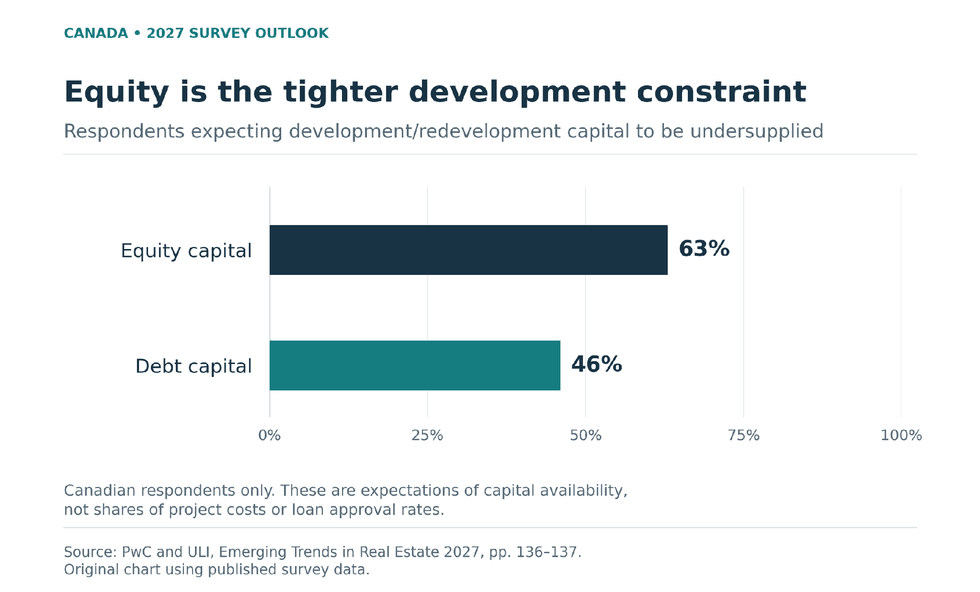 Canadian respondents were more likely to expect an undersupply of development/redevelopment equity capital (63%) than debt capital (46%) in 2027. These are survey expectations, not measured financing volumes. Source: PwC and ULI, Emerging Trends in Real Estate 2027, pp. 136–137. Original chart.
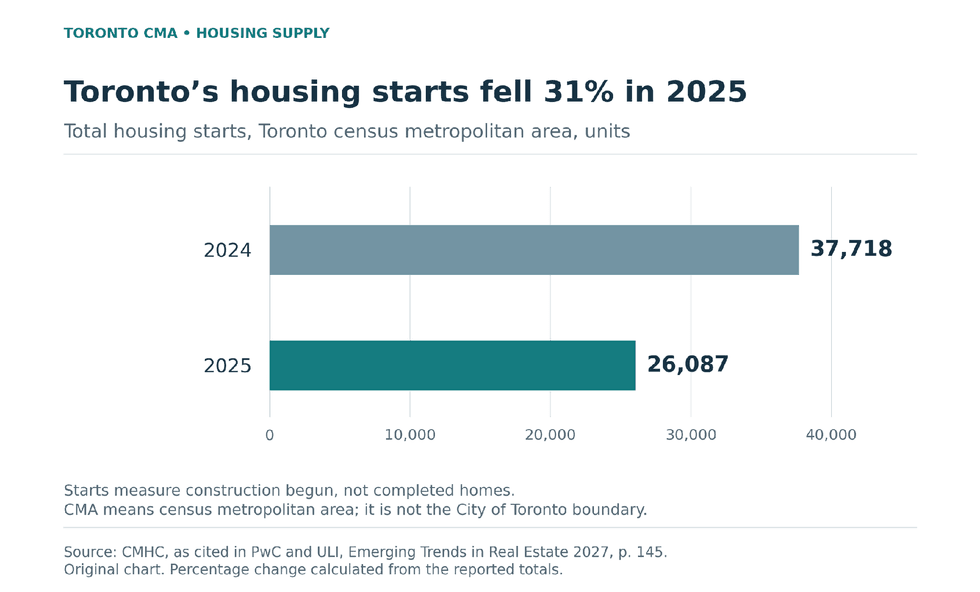 Toronto census metropolitan area housing starts fell from 37,718 units in 2024 to 26,087 in 2025, a 30.8% decline (rounded to 31%). Starts measure construction begun, not completed homes. Source: CMHC, as cited in PwC and ULI, Emerging Trends in Real Estate 2027, p. 145. Original chart.



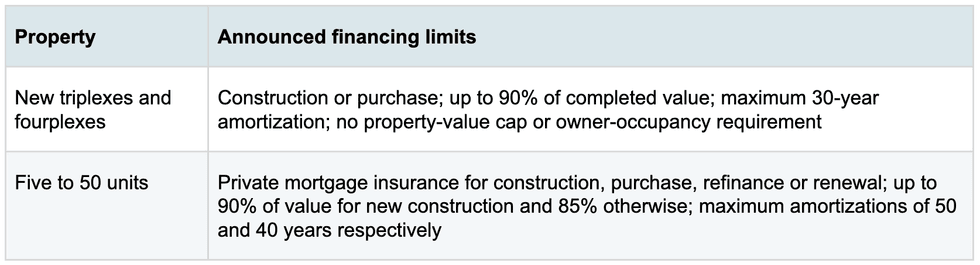
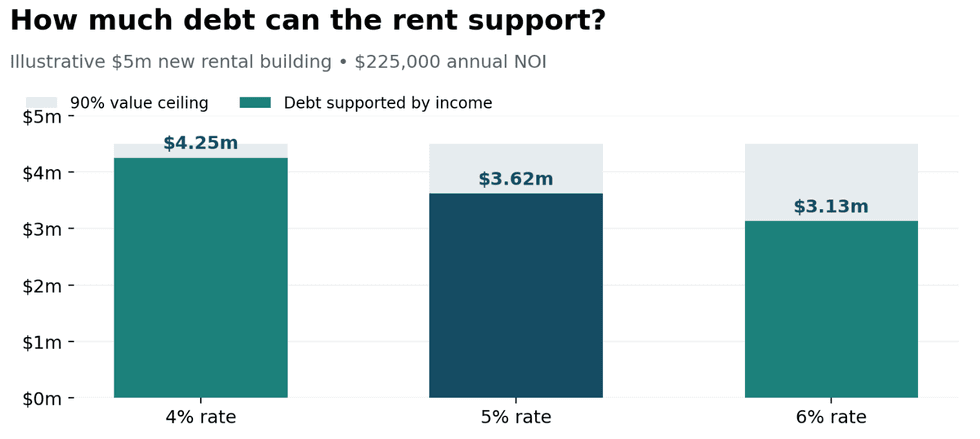 Illustrative calculation: a $4.5-million value ceiling versus income-based capacity of about $4.25 million at 4%, $3.62 million at 5% and $3.13 million at 6%. Assumes 50-year amortization and 1.15 debt coverage.
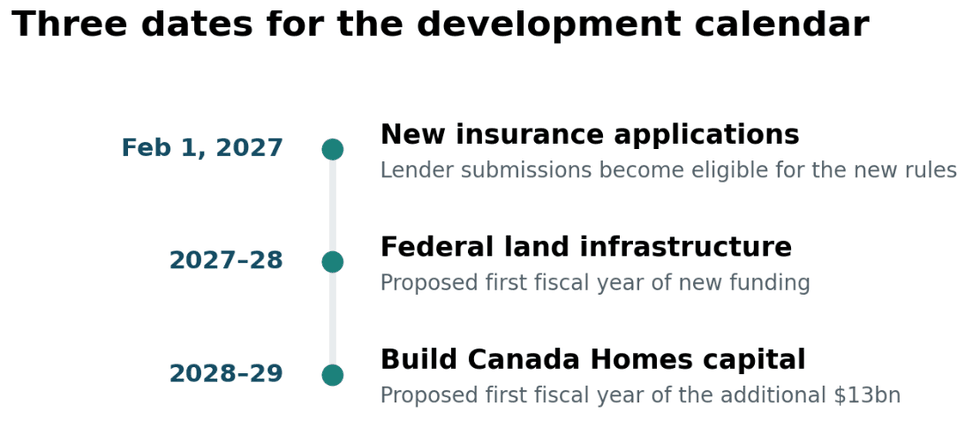 Source: Department of Finance missing-middle backgrounder and Budget 2026 Chapter 3, November 5, 2026. Fiscal-year funding starts are not home-completion dates.
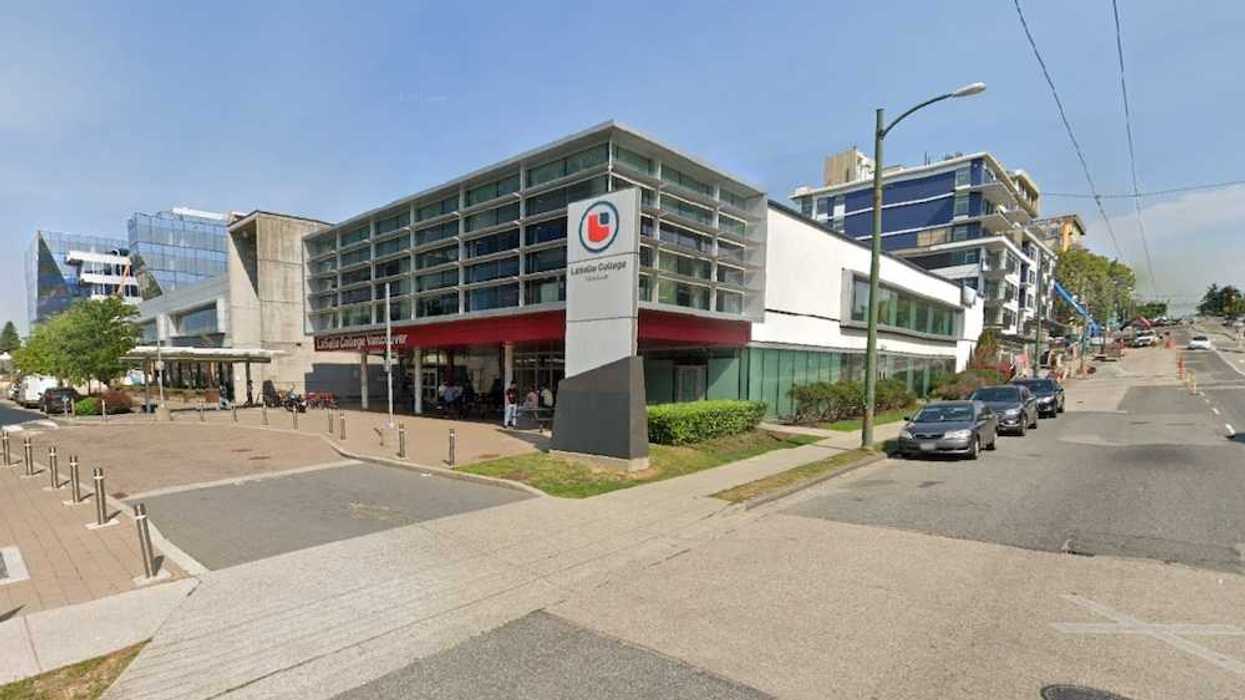
 A rendering of Fraser Academy’s new campus. (Fraser Academy)


 The project planned for 36-48 Steeles Avenue East and 37-49 Highland Park Boulevard in Markham. (Arcadis, Zonix Homes)