Master-Planned Community

Explore master-planned communities in Canadian real estate — what they are, their features, and how they shape urban growth.
Master-Planned Community

August 01, 2025


What is a Master-Planned Community?

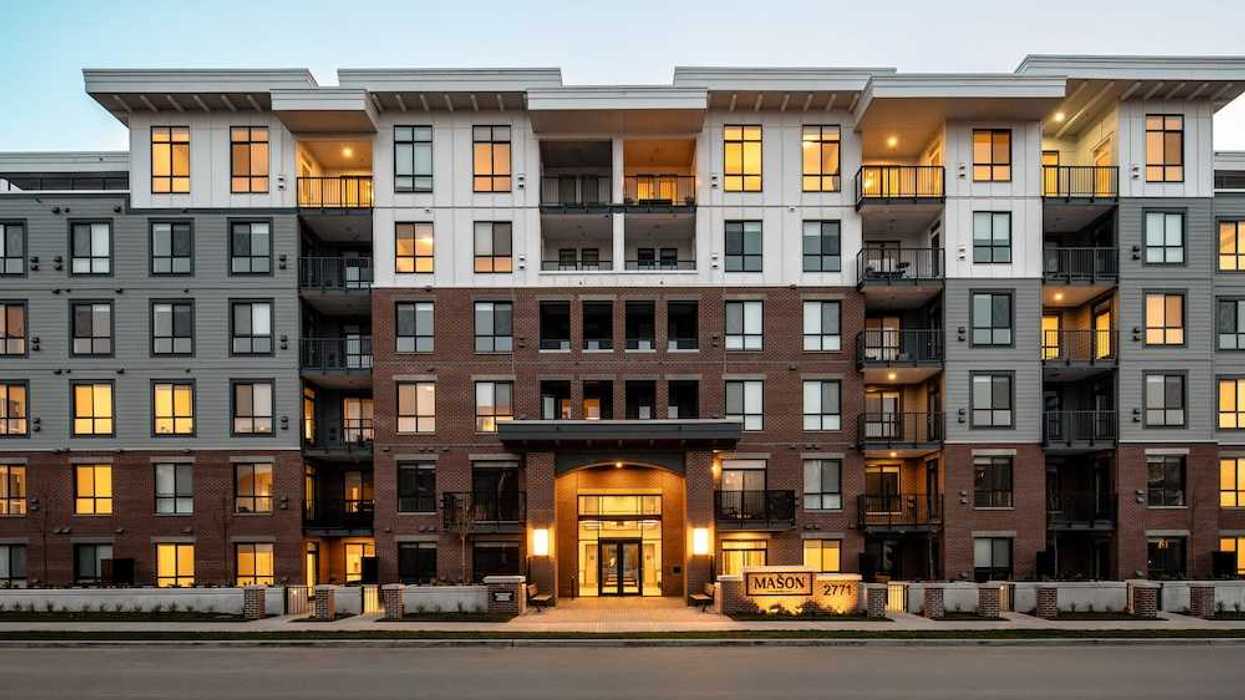
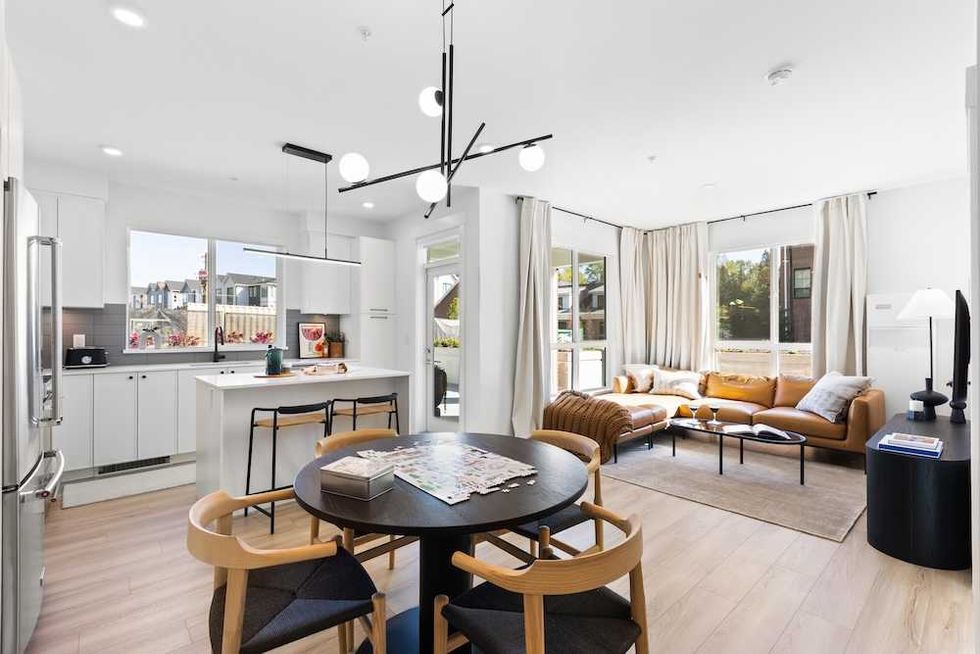
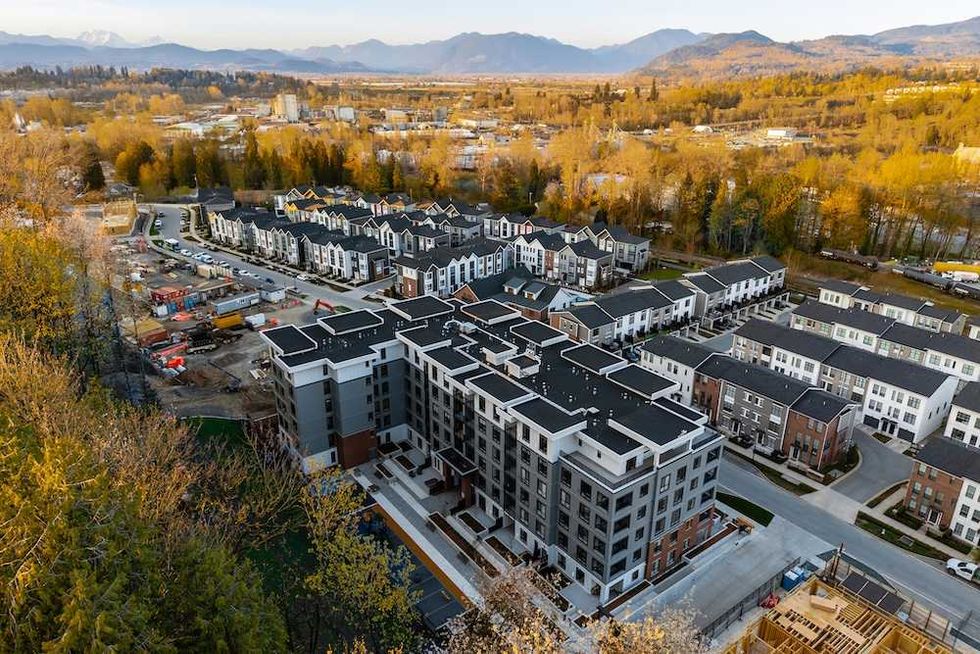
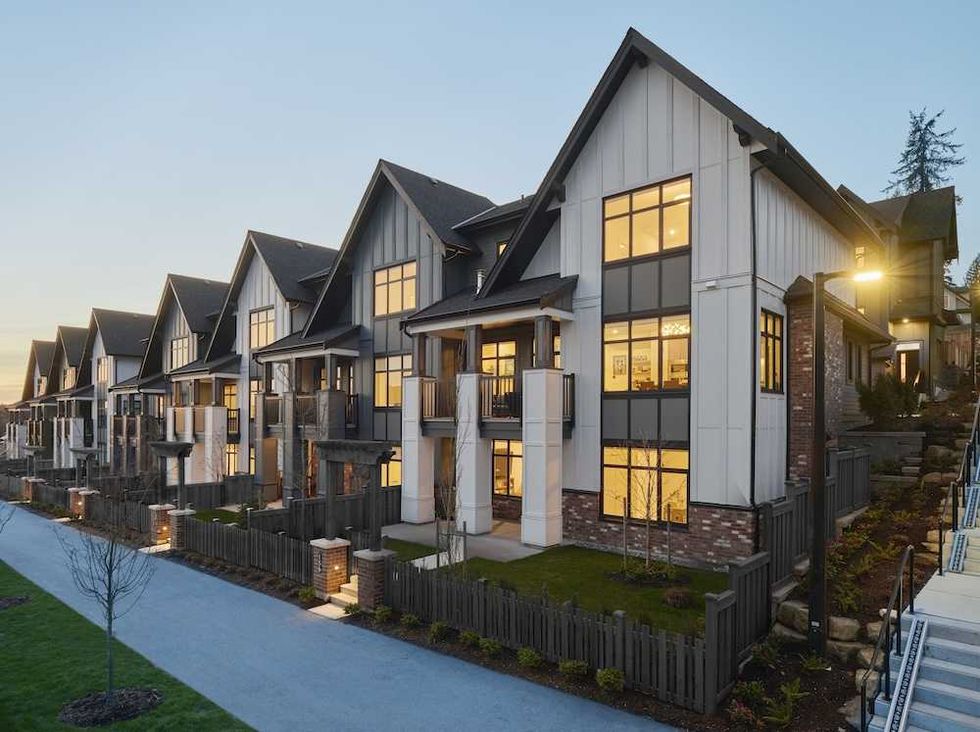
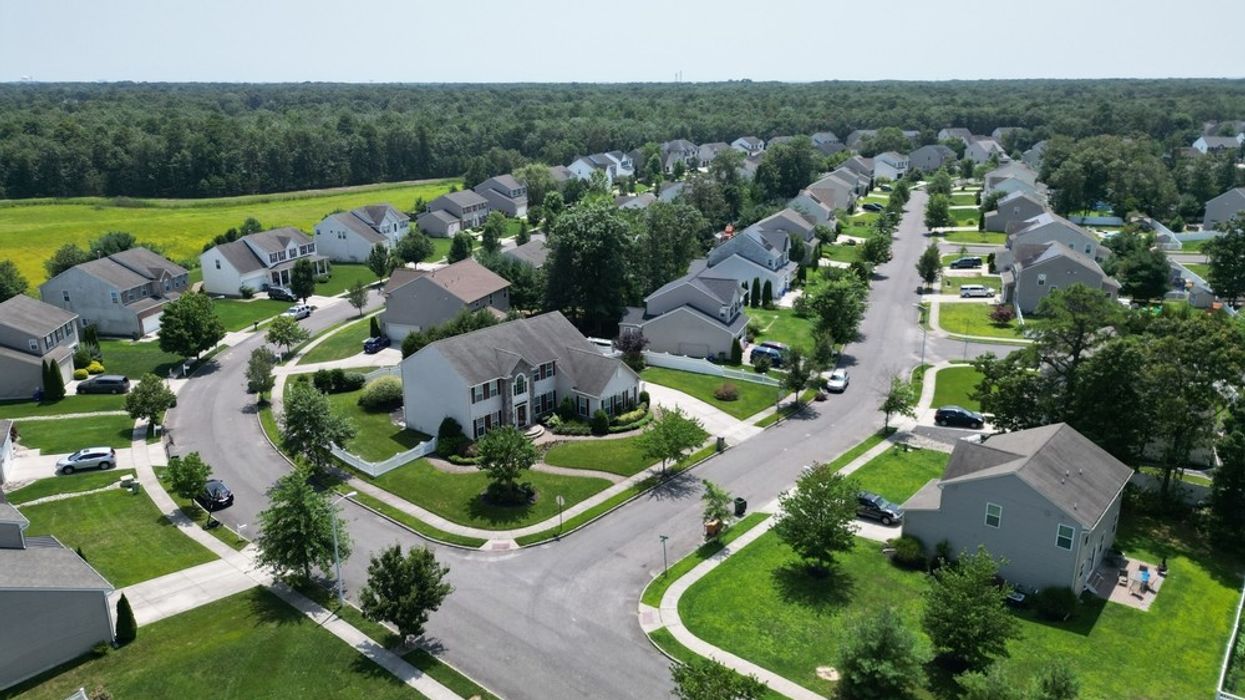
A master-planned community is a large-scale residential development designed with integrated amenities, infrastructure, and land uses to create a cohesive, self-contained neighbourhood.

Why Master-Planned Communities Matter in Real Estate

In Canadian urban development, master-planned communities support sustainable growth, housing supply, and quality of life.


Features include:
  • Mixed housing types
  • Parks, schools, and retail
  • Transportation connections
  • Phased development over time


Understanding master-planned communities helps buyers, investors, and planners evaluate neighbourhood design and growth potential.

Example of Master-Planned Community in Action

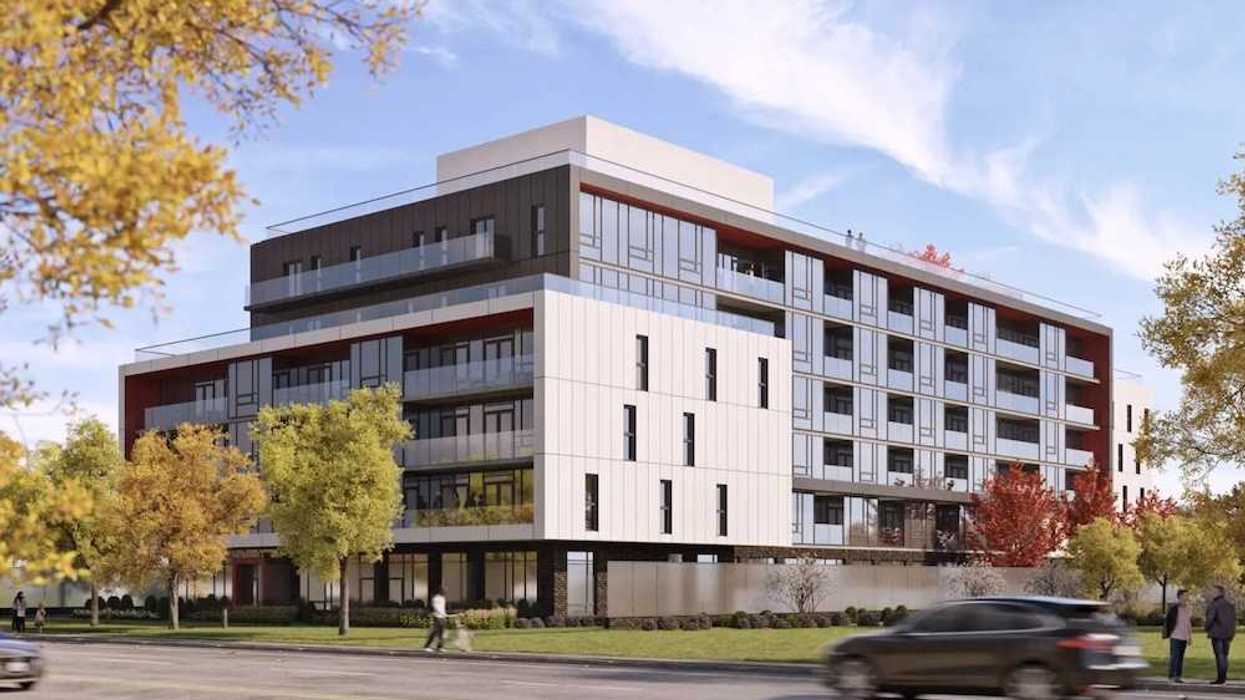
The builder launched a master-planned community offering homes, shops, and a new school connected by walking trails.

Key Takeaways

  • Large-scale, coordinated development
  • Integrates housing, amenities, and services
  • Built in phases over time
  • Supports livability and growth
  • Requires detailed planning approvals

Additional Terms

Public Realm Improvements

Public realm improvements are enhancements to public spaces such as sidewalks, parks, plazas, and streetscapes, often funded or contributed by. more

Mortgagee in Possession

A mortgagee in possession is a lender who takes control of a property after borrower default, but before foreclosure or power of sale. The lender. more

Lease Surrender Agreement

A lease surrender agreement is a negotiated contract between a landlord and tenant that ends a lease before its scheduled expiration. Terms may. more

Green Infrastructure

Green infrastructure refers to natural or engineered systems that manage stormwater, reduce heat, and improve sustainability in developments.. more

Escrow Holdback

An escrow holdback is a portion of funds withheld at closing and held in escrow until specific conditions are met, such as completion of repairs,. more

Underused Housing Tax

The Underused Housing Tax (UHT) is a federal annual 1% tax on the value of vacant or underused residential property owned by non-resident,. more

More For You

What’s Open And Closed In Toronto On Canada Day 2026
Shutterstock

Canada Day has officially come back around.

As a national statutory holiday, many stores, businesses, and services will be closed on Wednesday, July 1. To help you plan your festivities, here's what's open and closed in Toronto:

Keep ReadingShow less
Toronto Slashing DCs By Up To 60% As Ontario Municipalities Sit On Billions In Reserves
Shutterstock

Ontario was sitting on roughly $10.5 billion in development charge (DC) reserves by the end of 2024, according to a recent report from Desjardins that argues municipalities have become overly accustomed to the fees as a source of revenue.

More controversial still, DCs remain one of the most serious obstacles to new housing in a province where affordability is crumbling.

Keep ReadingShow less
ELM And Fiera Break Ground At 270 Sheppard West

ELM Developments

ELM Developments and Fiera Real Estate acquired the assembly at 270 Sheppard Avenue West on January 29. They broke ground on June 17.

In a market where rental projects routinely spend years in rezoning, moving from purchase to shovels in under five months is the point — and at 270 Sheppard, they planned it that way.

Keep ReadingShow less
Canderel Breaks Ground On Forêt Forest Hill With Five-Bank Financing In Place

(liveatforet.ca)

At Bathurst and St. Clair, Canderel has officially started construction on Forêt Forest Hill — its three-tower, master-planned community in midtown Toronto.

The development has secured construction financing from a consortium of five major Canadian banks led by CIBC, with National Bank, TD, Desjardins, and Laurentian Bank rounding out the group.

Keep ReadingShow less
The 6 Key Takeaways From CMHC's 2026 Mid-Year Rental Market Update

(CMHC)

Last week, Rentals.ca published their latest rental market report, noting that the average asking rent in Canada declined by 4.7% year over year in May, marking the 20th consecutive month to see a year-over-year decline.

“Since reaching a low of $1,662 in April 2021 during COVID-19, average rents have risen 22.1%, but have declined 7.8% from the high of $2,202 in May 2024,” they said.

Keep ReadingShow less
Ontario Brokerages Required To File Finances With RECO Starting This Fall
Shutterstock

Ontario real estate brokerages are getting a new piece of homework, courtesy of their regulator.

Starting October 1, 2026, every brokerage in the province will have to attest to and submit an annual financial filing to the Real Estate Council of Ontario (RECO) — a requirement meant to give RECO a clearer, more consistent look at how brokerages manage money, and specifically the funds they're holding in trust on behalf of buyers and sellers.

Keep ReadingShow less
Spring Market At Last? Canadian Home Sales Jumped 5.5% In May
Shutterstock

After a spring that never quite got going, the Canadian housing market found a gear in May.

Home sales across Canadian MLS® Systems rose 5.5% from April, according to the Canadian Real Estate Association (CREA) — the first month in 2026 to post any meaningful upward momentum in headline demand.

Keep ReadingShow less
Peterson Revises 3-Building Metrotown Project To 1,065 Units

A rendering of the proposal for 6645, 6659, 6675, 6691 and 6707 Dow Avenue in Burnaby. (Peterson, BOP Architects)

The Metrotown neighbourhood of Burnaby has seen a tremendous amount of redevelopment over the years, and several projects are currently under construction, but one project has remained idle for over six years now.

The subject site is 6645, 6659, 6675, 6691 and 6707 Dow Avenue, just off of Beresford Street and Central Boulevard, across the street from the Metropolis at Metrotown shopping centre.

Keep ReadingShow less