Neighbourhood Amenities
Explore neighbourhood amenities in Canadian real estate — what they include and how they influence property value and buyer interest.

July 11, 2025
What are Neighbourhood Amenities?
Neighbourhood amenities refer to the features, services, and facilities within a community that enhance residents’ quality of life and contribute to property value.
Why Neighbourhood Amenities Matter in Real Estate
In Canadian real estate, the availability of amenities influences buyer preferences, marketability, and price premiums.
Common neighbourhood amenities include:
- Parks and recreational facilities
- Schools and libraries
- Public transit access
- Shopping, dining, and healthcare
Proximity to amenities often appears in listings and appraisals as a selling point and factor in valuation.
Understanding neighbourhood amenities helps buyers, sellers, and investors assess a property’s desirability.
Example of Neighbourhood Amenities in Action
The condo’s proximity to neighbourhood amenities like parks and grocery stores boosted its appeal to first-time buyers.
Key Takeaways
- Community features that enhance livability
- Include parks, schools, shops, and transit
- Impact property value and desirability
- Key factor in appraisals and marketing
- Supports lifestyle and convenience
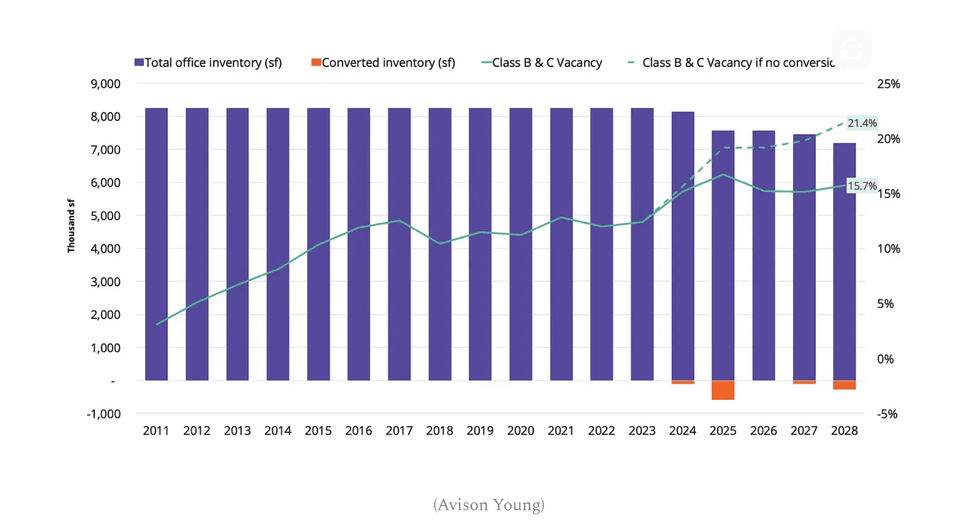 (Avison Young)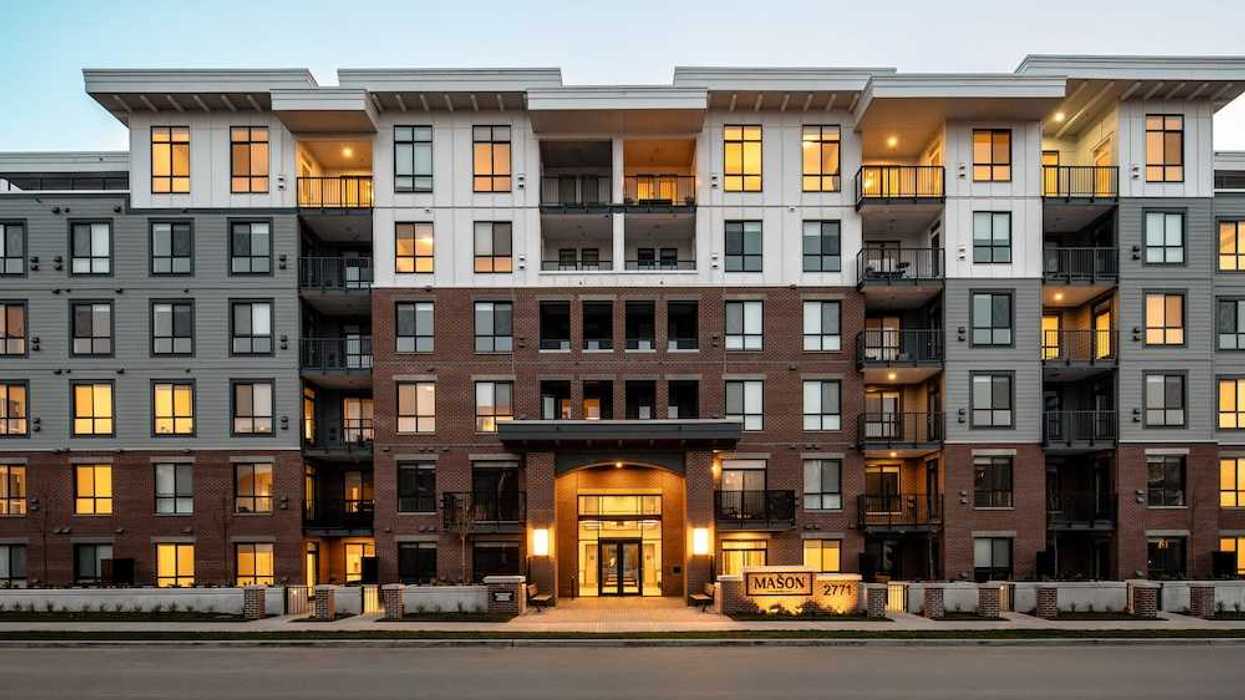
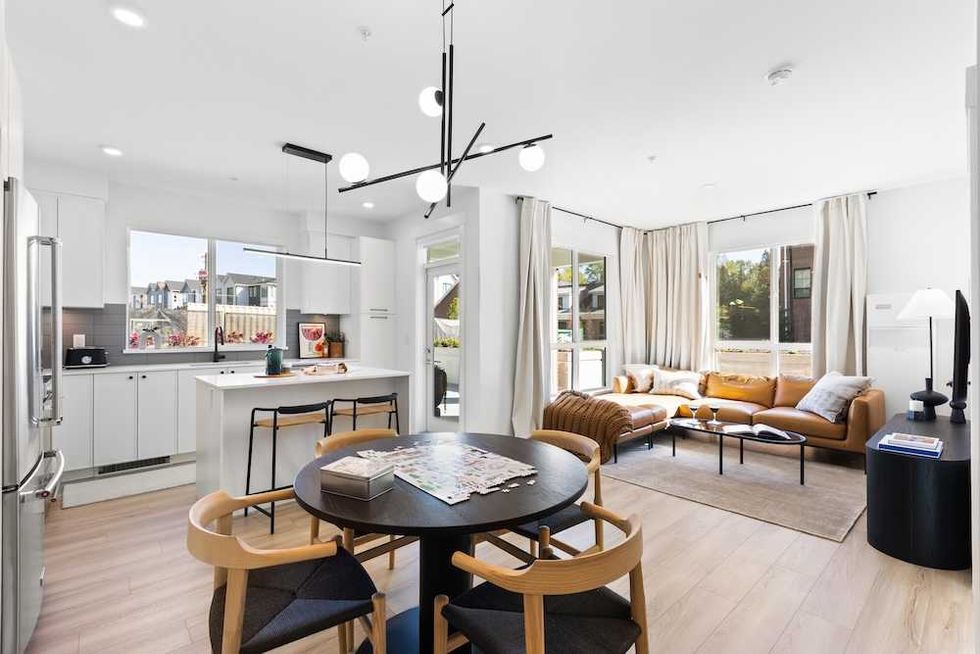 The Mason Suite Interior (Infinity Properties)
 The Mason Suite Interior (Infinity Properties)
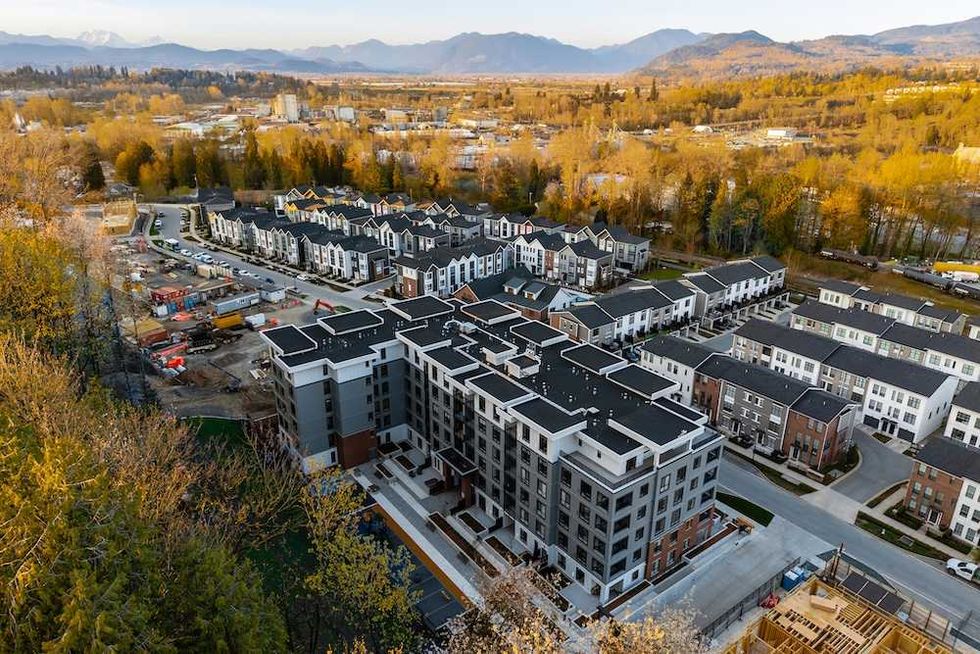 Rail District aerial (Infinity Properties)
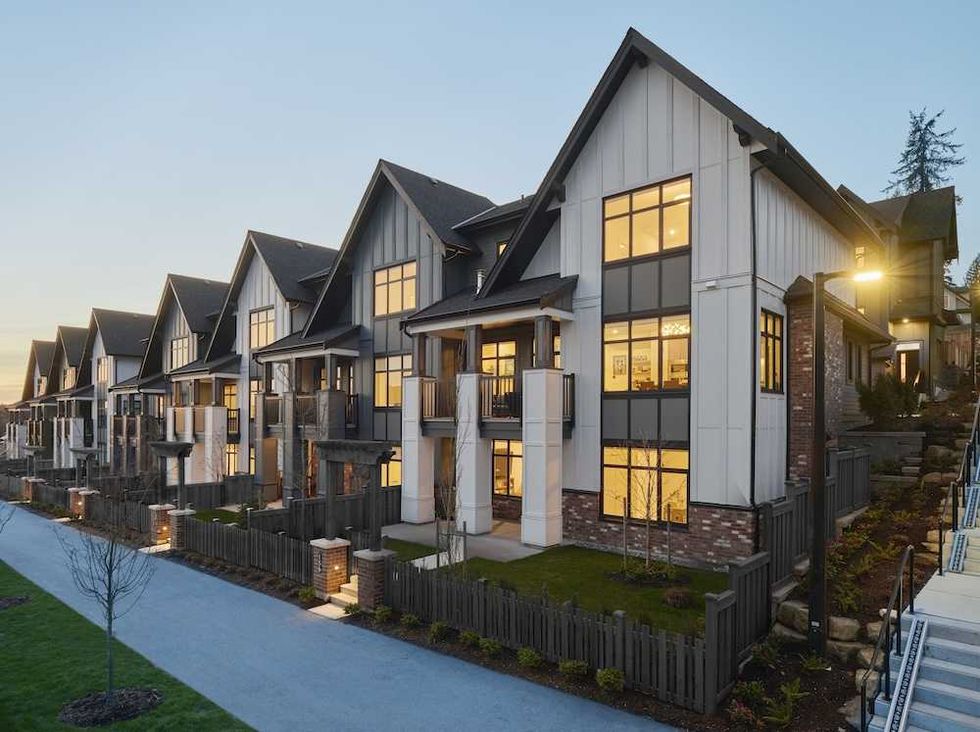 Versant (Infinity Properties)






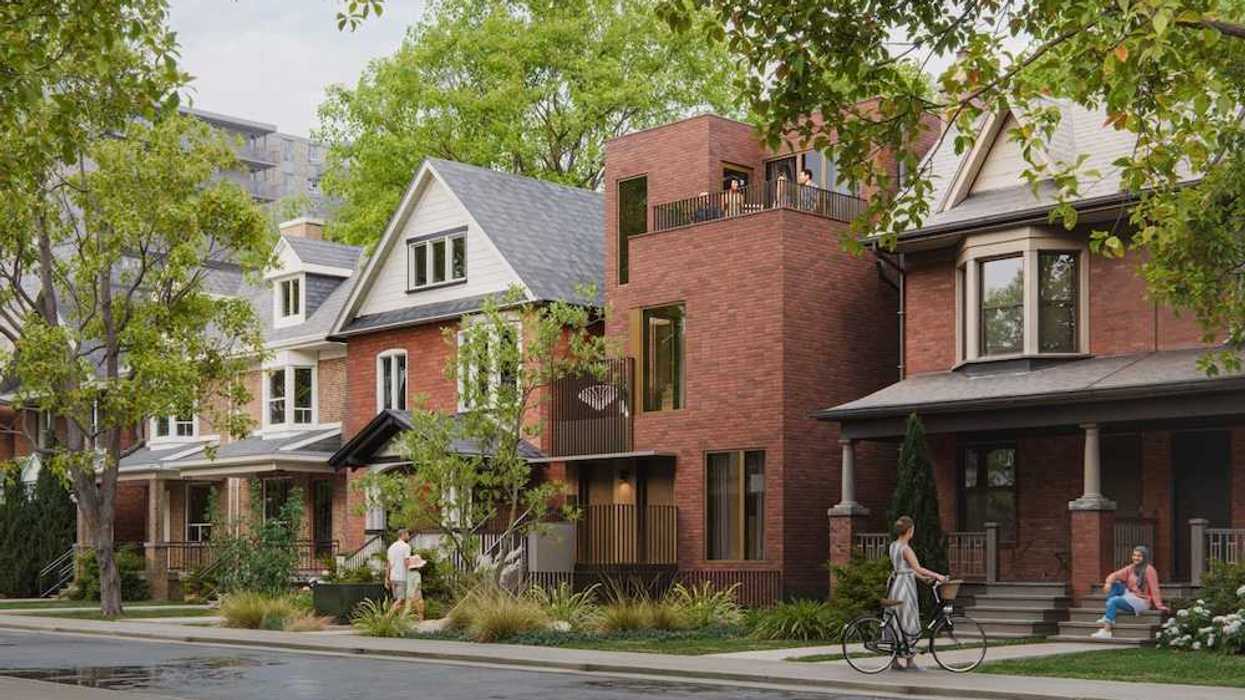
 Narrow Fourplex (City of Toronto)
 Wide Sixplex - Side View (City of Toronto)
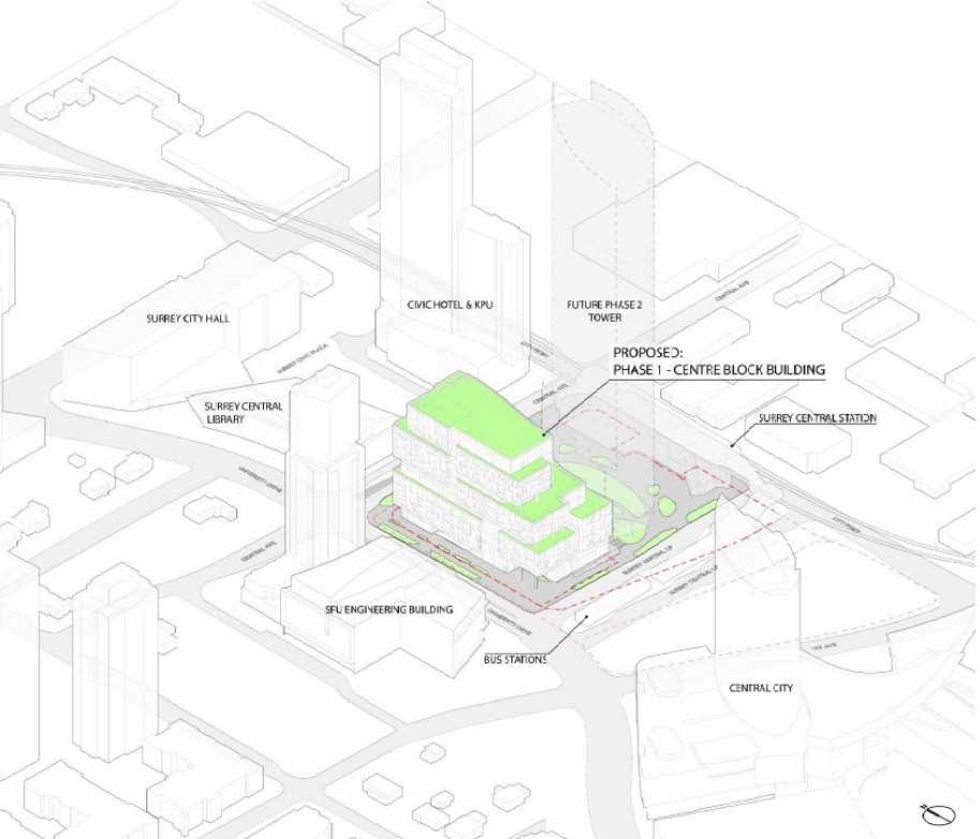 Centre Block and its surrounding context. (Stantec-Revery, SCDC)
 The 12-storey Phase One of Centre Block. (Stantec-Revery, SCDC)
 The 12-storey Phase One of Centre Block. (Stantec-Revery, SCDC)
 Mondria One, set for 1607 King Street East in Clarington, Ontario. (ICON Architects Inc., Monde Development Group)