Foreclosure

Learn how foreclosure works in Canadian real estate, what provinces use it, and what both homeowners and buyers need to know about the process.
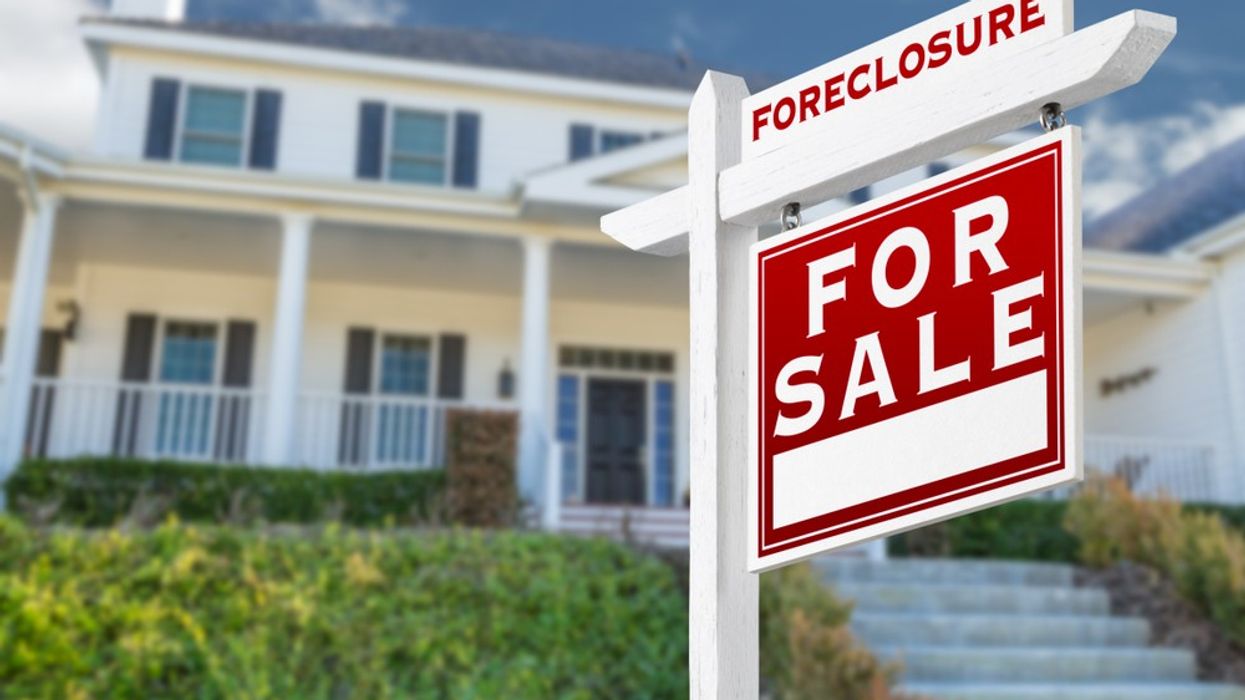
Foreclosure


What is Foreclosure?

Foreclosure is a legal process through which a lender takes ownership of a property when the borrower defaults on their mortgage payments.

Why Foreclosure Matters in Real Estate

In Canadian real estate, foreclosure is less common than in the United States, as most provinces use a power of sale process instead. However, in provinces like British Columbia, Alberta, and Nova Scotia, foreclosure is still a key legal remedy for lenders.

The process involves the lender going to court to obtain the right to sell the home, aiming to recover the unpaid mortgage balance. The borrower typically loses all rights to the property, and any surplus proceeds (after paying off the mortgage and legal costs) may be returned to the homeowner.

Foreclosure can significantly impact a borrower's credit and ability to qualify for future loans. It is generally a last resort after other attempts to resolve the default—such as loan modification, refinancing, or sale—have failed.

Understanding foreclosure helps both homeowners and buyers:

  • Homeowners can explore alternatives before default.
  • Buyers may purchase foreclosed properties at a discount but must navigate legal and condition-related risks.
Legal timelines and borrower protections vary by province, so legal advice is essential for anyone facing or pursuing foreclosure.

Example of Foreclosure

After defaulting on their mortgage for several months, a homeowner in Nova Scotia loses their property through foreclosure. The court authorizes the lender to sell the home.

Key Takeaways

  • Legal process to reclaim a property after default.
  • More common in some provinces than others.
  • Can severely damage credit.
  • Buyers can find discounted properties, with risk.
  • Legal process varies—professional advice recommended.

Related Terms

  • Power of Sale
  • Mortgage Default
  • Credit Score
  • Repossession
  • Judicial Sale

Additional Terms

Public Realm Improvements

Public realm improvements are enhancements to public spaces such as sidewalks, parks, plazas, and streetscapes, often funded or contributed by. more

Mortgagee in Possession

A mortgagee in possession is a lender who takes control of a property after borrower default, but before foreclosure or power of sale. The lender. more

Lease Surrender Agreement

A lease surrender agreement is a negotiated contract between a landlord and tenant that ends a lease before its scheduled expiration. Terms may. more

Green Infrastructure

Green infrastructure refers to natural or engineered systems that manage stormwater, reduce heat, and improve sustainability in developments.. more

Escrow Holdback

An escrow holdback is a portion of funds withheld at closing and held in escrow until specific conditions are met, such as completion of repairs,. more

Underused Housing Tax

The Underused Housing Tax (UHT) is a federal annual 1% tax on the value of vacant or underused residential property owned by non-resident,. more

More For You

RioCan To Sell 50% Stake In 592-Unit 'FourFifty The Well' Rental Tower

FourFifty The Well (third from left) / RioCan

Toronto-based RioCan REIT (TSX: REI.UN) has a firm deal to sell its stake in FourFifty, the high-rise rental tower at The Well, its flagship mixed-use development in Toronto.

The Well is a 7.7-acre hub bounded by Wellington Street West on the north, Spadina Avenue on the east, Front Street West on the south, and Draper Street on the west. The project was developed by RioCan and an assortment of partners, including Allied Properties REIT (TSX: AP.UN) on the office component, Tridel on the condominiums, and Woodbourne on the rental component.

Keep ReadingShow less
GTA Home Sales Rose, New Listings Shrunk In April: TRREB

The GTA housing market logged a mixed April, with home sales rising 7% year-over-year as new listings pulled back — a combination that suggests tighter conditions are beginning to take hold this spring.

Average prices dipped again, but early signs of month-over-month stabilization may give fence-sitters something to think about.

Keep ReadingShow less
Ontario Doesn't Have A Land Problem, It Has A Policy Problem

Unsplash

For years, the conventional wisdom around housing affordability in Ontario has been built on a flawed premise: that land is scarce, and high prices are simply the inevitable result of too little space and too much demand.

But the evidence tells a different story.

Keep ReadingShow less
Bank Of Canada Holds Rate At 2.25% As Housing Activity Stays Muted
Bank of Canada

The Bank of Canada held its overnight rate at 2.25% on April 29, keeping borrowing costs steady as the country navigates a turbulent global backdrop shaped by the conflict in the Middle East and ongoing US trade policy uncertainty.

For Canadian real estate, the decision offers little relief in the near term. The Bank's April outlook paints a cautious picture for housing: activity declined in the fourth quarter of 2025 and remains constrained by slow population growth, economic uncertainty, and affordability challenges that have yet to meaningfully ease. GDP growth is projected at a modest 1.2% for 2026, rising gradually to 1.6% in 2027 and 1.7% in 2028 — a trajectory that suggests any meaningful recovery in housing demand is still some distance away.

Keep ReadingShow less

Virginia Avenue is a quiet residential street in Danforth Village — the kind of block where many homes have been standing for decades.

Coming up in 2022, 83 Virginia Avenue made no attempt to blend in.

Keep ReadingShow less
Demand-Side Interventions Can Reduce Housing Affordability: CMHC

Sarah Baxter/Unsplash

As the housing crisis in Canada became harder (and harder) to ignore, governments big and small have started taking more (and more) action. But not all actions are equal, and some may actually have a negative impact on housing affordability.

As complicated as the housing crisis may be, it really comes down to the basic law of supply and demand: If demand increases while supply stays flat, prices will increase.

Keep ReadingShow less
CMHC: Demand-Side Interventions Can Reduce Housing Affordability
Pinnacle Ups Lougheed Towers To 77 Storeys And 87 Storeys, Swaps Office For Hotel

A rendering of the Pinnacle Lougheed project in Burnaby. (JYOM Architecture, Pinnacle International)

When Vancouver-based developer Pinnacle International received approval for Phase One of their Pinnacle Lougheed project in Burnaby in September 2024, the 73-storey tower and 80-storey tower were already set to be some of the tallest towers in British Columbia and Western Canada. They are now set to go even higher.

At 3900 Grand Promenade, 9850 Austin Road, and 9858-9898 Gatineau Place immediately south of the SHAPE Properties’ City of Lougheed master-planned community, Pinnacle International had proposed a 73-storey tower and 80-storey tower with a grand total of 1,466 strata units, 515,097 sq. ft of office space, and 13,304 sq. ft of retail space, as part of Phase One of Pinnacle Lougheed.

Keep ReadingShow less
GTA New Home Sales Climbed In March (From A Record-Low Bar)​
Toronto skyline before a storm

March new home sales in the Greater Toronto Area improved year-over-year, but the word "improved" is doing a lot of heavy lifting. There were 948 new homes sold in the GTA last month — up significantly from March 2025's historic low of 439 units, but still 64% below the 10-year average of 2,659.

In other words: second-worst March on record.

Keep ReadingShow less