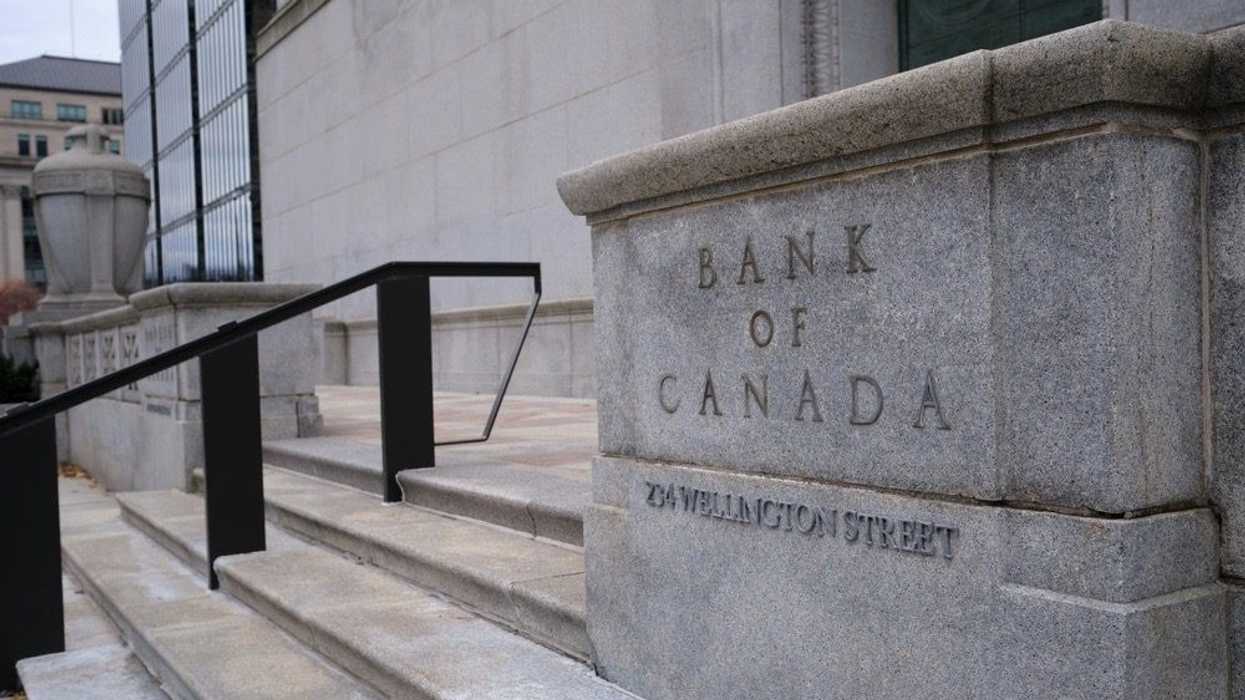
On July 15, the Bank of Canada held its overnight rate at 2.25%, pointing to early signs of a broadening economic recovery.
Policymakers say the economy is starting to turn a corner after a rough stretch shaped by tariffs, elevated uncertainty, and slower population growth — the labour market has stayed soft throughout, with unemployment at 6.5% in June, part of a range that's held since late 2024.
Second-quarter growth told a more encouraging story, coming in at an estimated 2.5%. The Bank attributed much of that to temporary factors unwinding, but noted the drivers behind it are starting to broaden.
Housing, after a weak run, is stabilizing, consumer spending has stayed solid, and export growth has resumed. Business investment is expected to firm up modestly too, with near-term support from the oil and gas sector.
Inflation remains the more complicated piece. CPI climbed to 3.2% in May on higher gasoline prices tied to the Middle East conflict, though excluding gas, inflation was a milder 2.2%, with core measures still holding close to the Bank's 2% target. Officials expect the headline figure to stay elevated before easing gradually, with a return to around 2% expected in early 2027 — a timeline that depends heavily on where oil prices go from here.
Looking further out, the Bank is forecasting GDP growth of 1.8% in both 2027 and 2028, following an estimated 0.7% this year.
Governing Council says the current rate remains appropriate to support that recovery while keeping inflation on track, and with risks still elevated, it's prepared to adjust policy as conditions warrant.
The next rate decision is scheduled for September 2. A full 2026 schedule can be found here.
- Bank Of Canada Holds Interest Rate For First Time In A Year ›
- Where Every Big Bank Stands On Wednesday's Interest Rate Announcement ›
- Majority Of Big Banks Forecasting More Interest Rate Cuts This Year ›
- Where Every Big Bank Stands On July's Interest Rate Announcement ›
- Third Straight Hold: Bank Of Canada Keeps Interest Rate At 2.75% ›