Mixed-Use Development
Learn about mixed-use development in Canadian real estate: how it blends housing and commercial space and supports urban density and walkability.
June 16, 2025
What is a Mixed-Use Development?
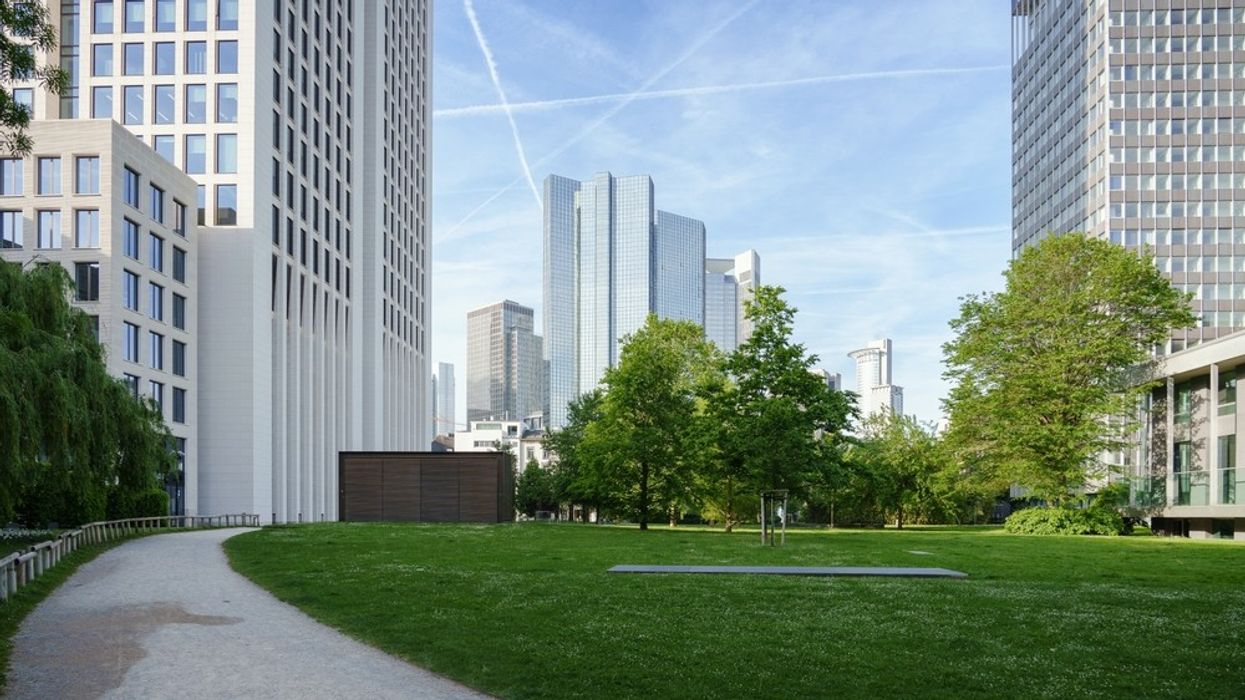
Mixed-use development refers to real estate projects that integrate multiple uses, such as residential, commercial, retail, and institutional, within a single building or site.
Why Mixed-Use Developments Matter in Real Estate
In Canadian urban real estate, mixed-use development supports compact, efficient land use and enhances walkability and transit access.
Common elements include:- Retail on the ground floor with condos above
- Residential units integrated with office or hotel space
- Civic amenities like libraries or daycare co-located with housing
Mixed-use developments often require detailed zoning approvals and site plans, and are guided by urban planning goals like intensification, sustainability, and livability.
Understanding mixed-use projects helps developers, investors, and municipalities meet evolving housing and commercial needs within growing cities.
Example of a Mixed-Use Development in Action
The developer’s mixed-use project includes two residential towers atop a retail podium with cafés, a grocery store, and a medical clinic.
Key Takeaways
- Combines residential, retail, and/or office space
- Promotes land efficiency and sustainability
- Enhances urban vibrancy and walkability
- Requires detailed zoning and planning approvals
- Popular in high-density urban areas
Related Terms
- Zoning
- Urban Planning
- Transit-Oriented Development
- Site Plan
- Walkability

 (Avison Young)


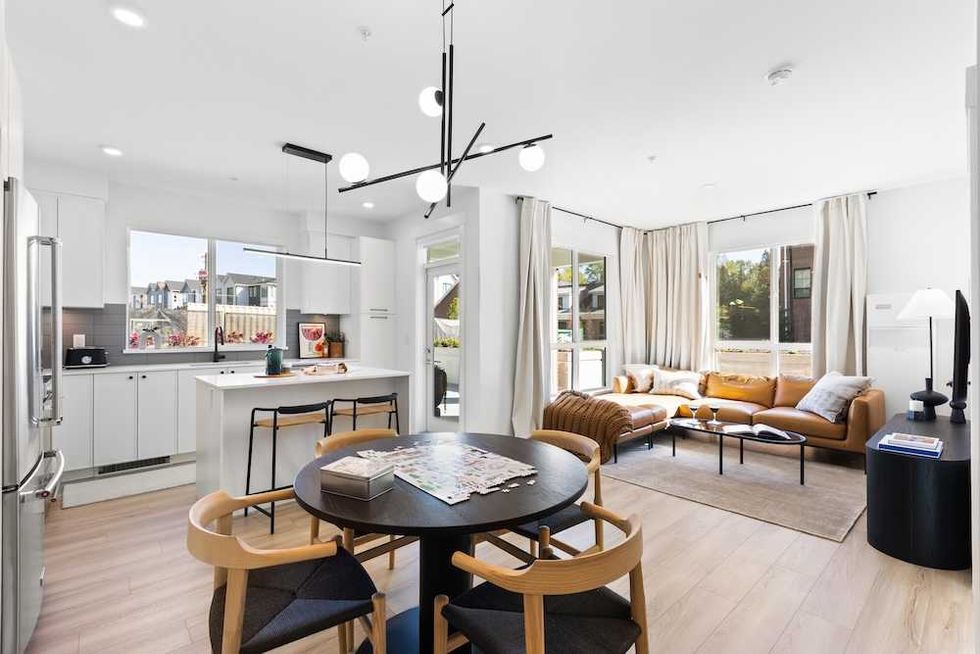 The Mason Suite Interior (Infinity Properties)
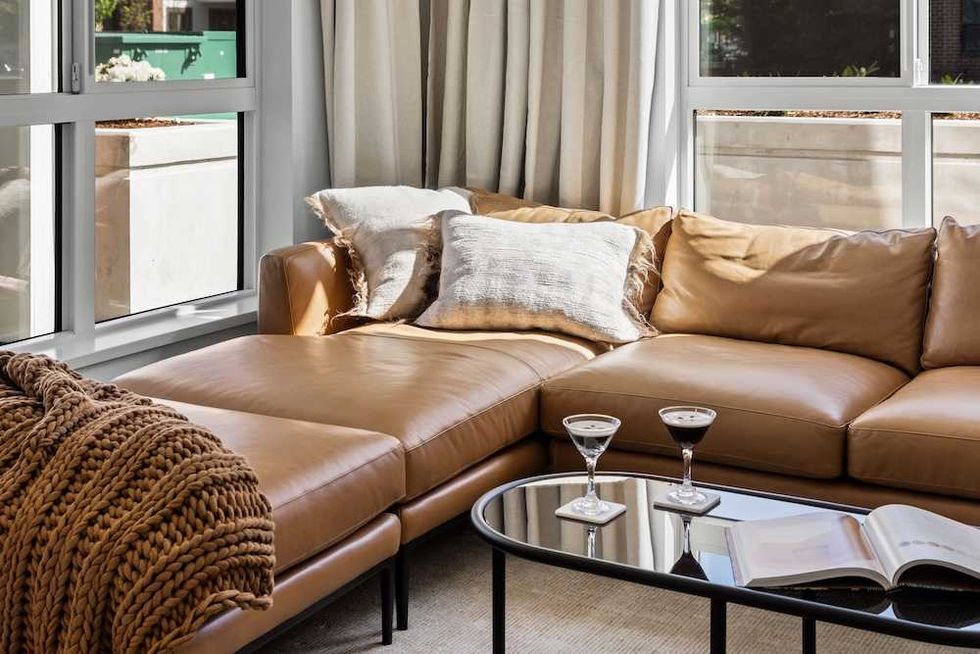 The Mason Suite Interior (Infinity Properties)
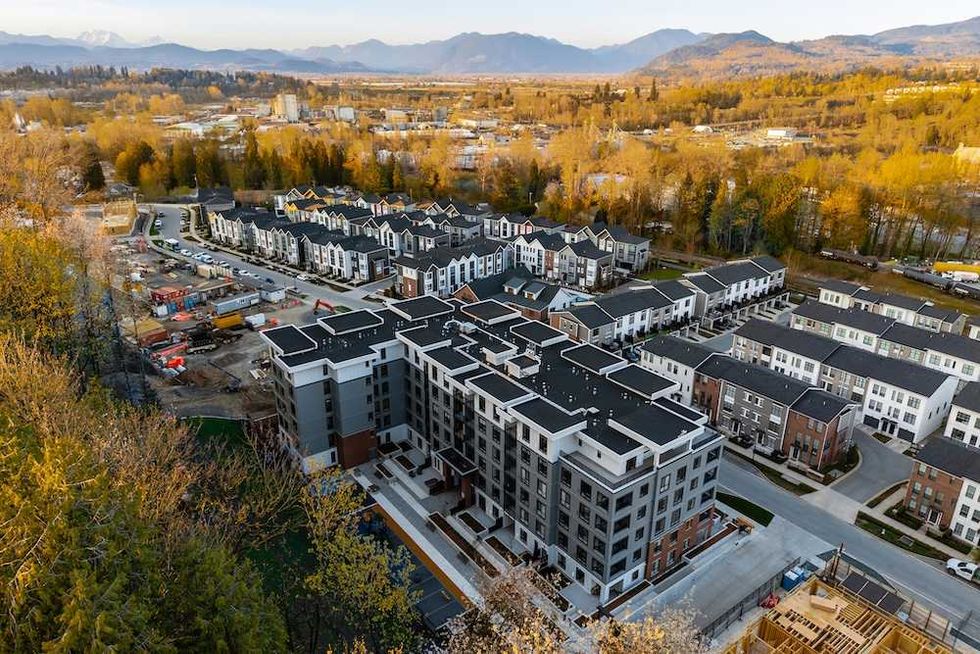 Rail District aerial (Infinity Properties)
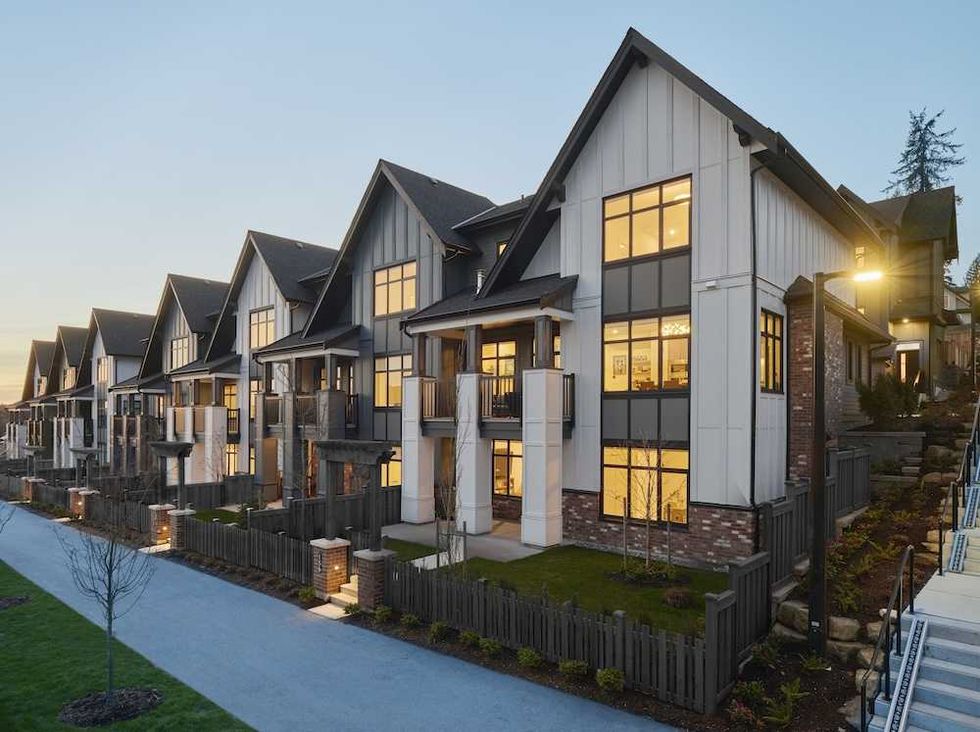 Versant (Infinity Properties)

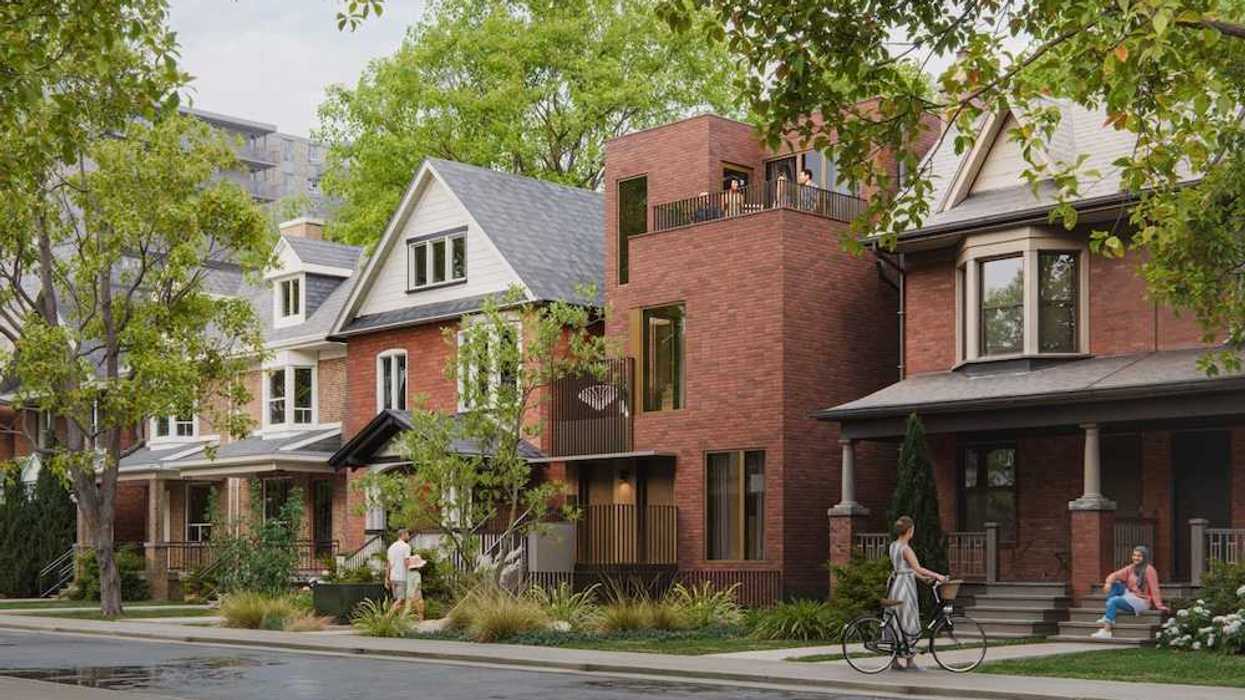
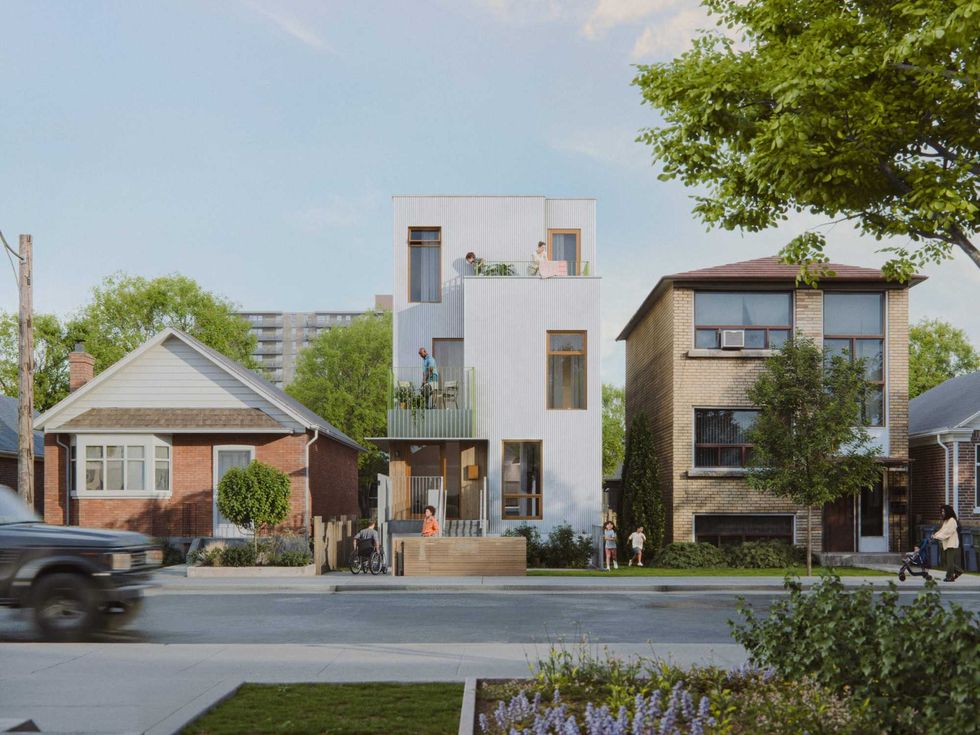 Narrow Fourplex (City of Toronto)
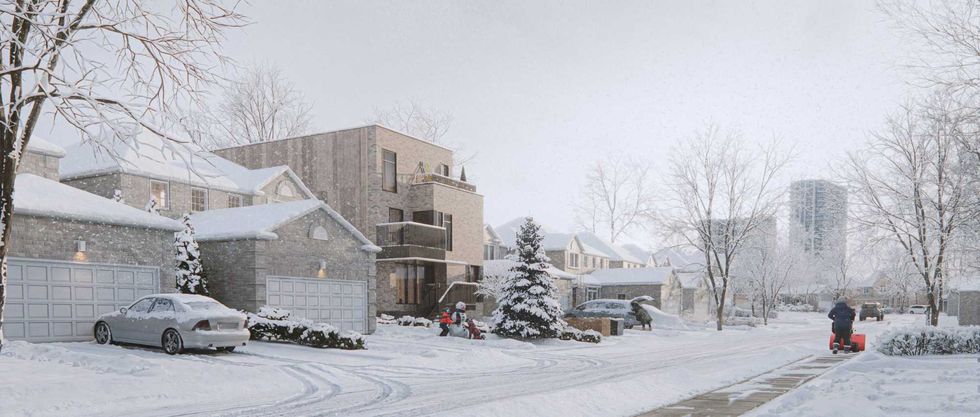 Wide Sixplex - Side View (City of Toronto)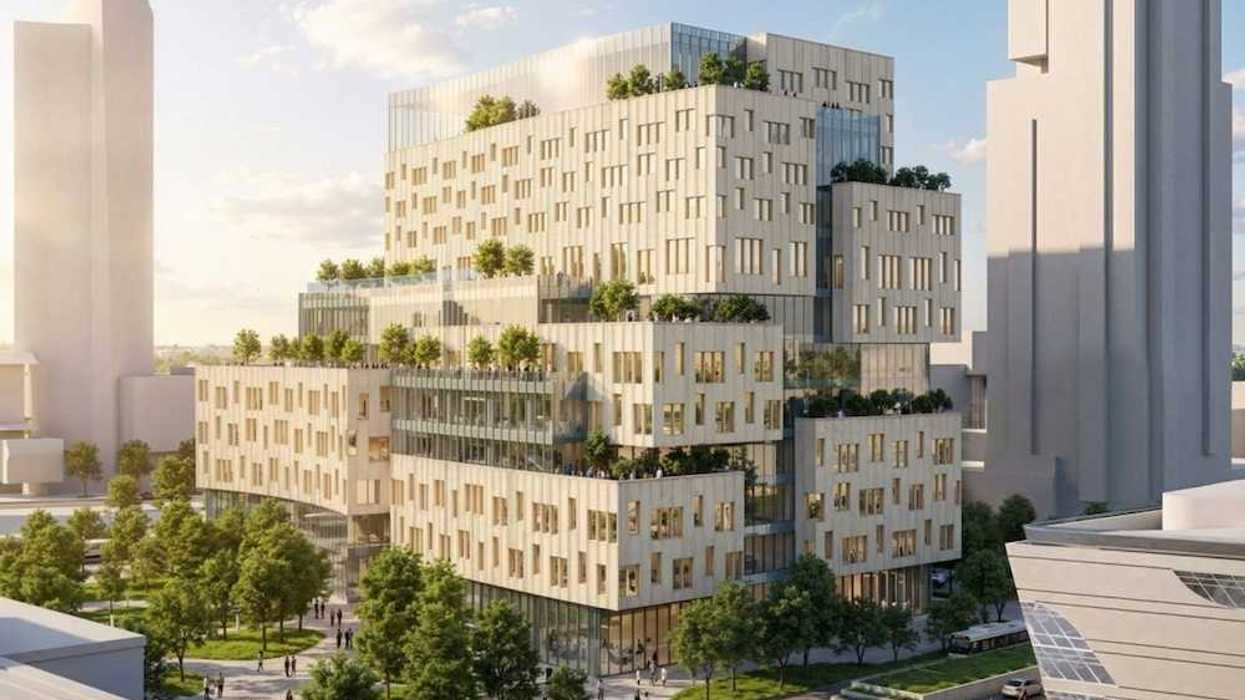
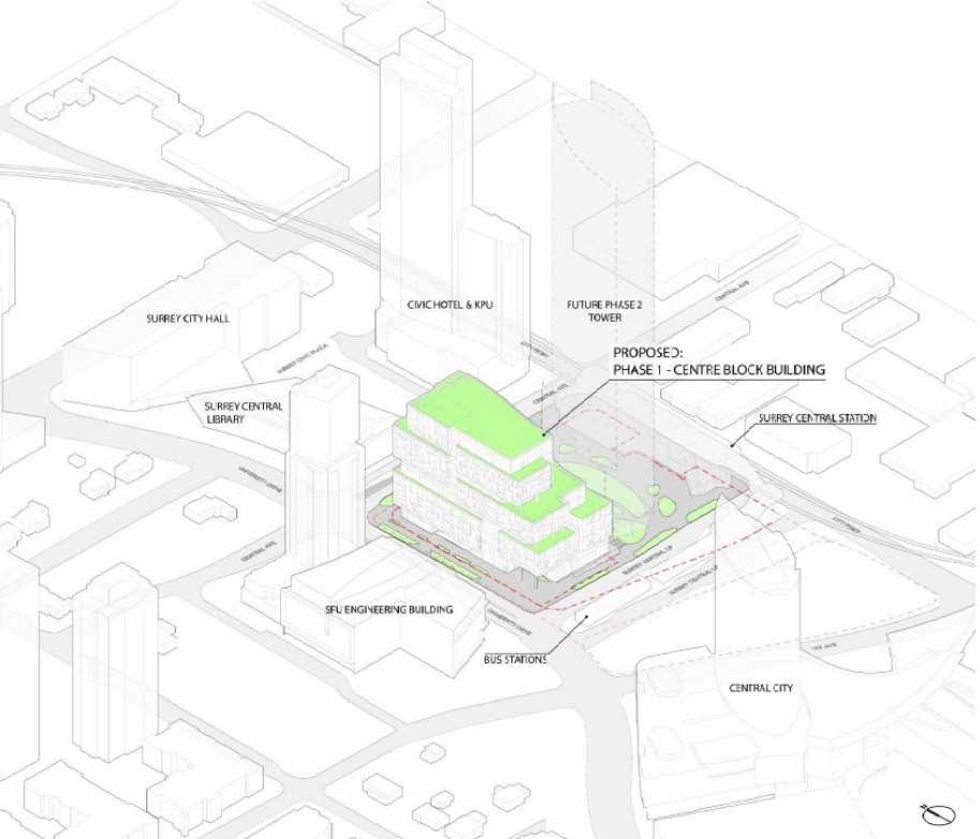 Centre Block and its surrounding context. (Stantec-Revery, SCDC)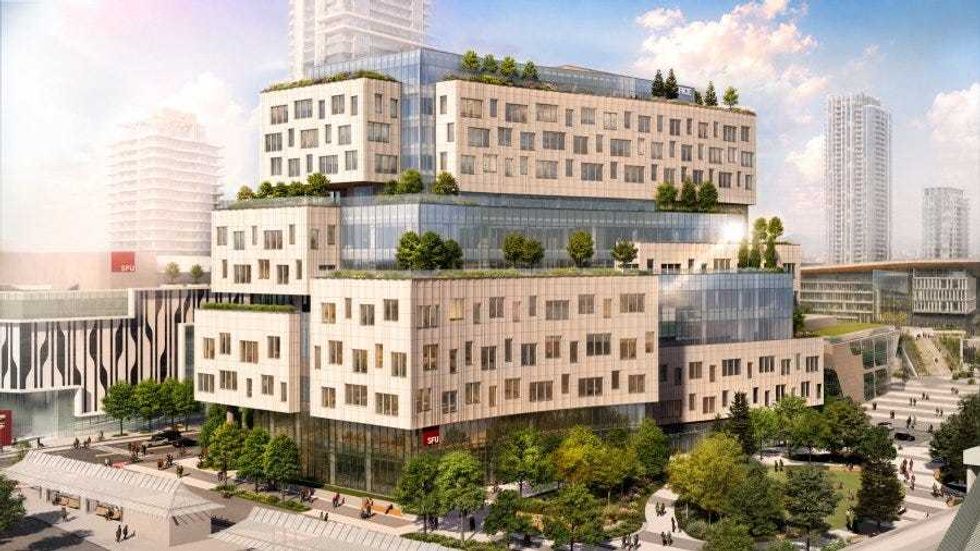
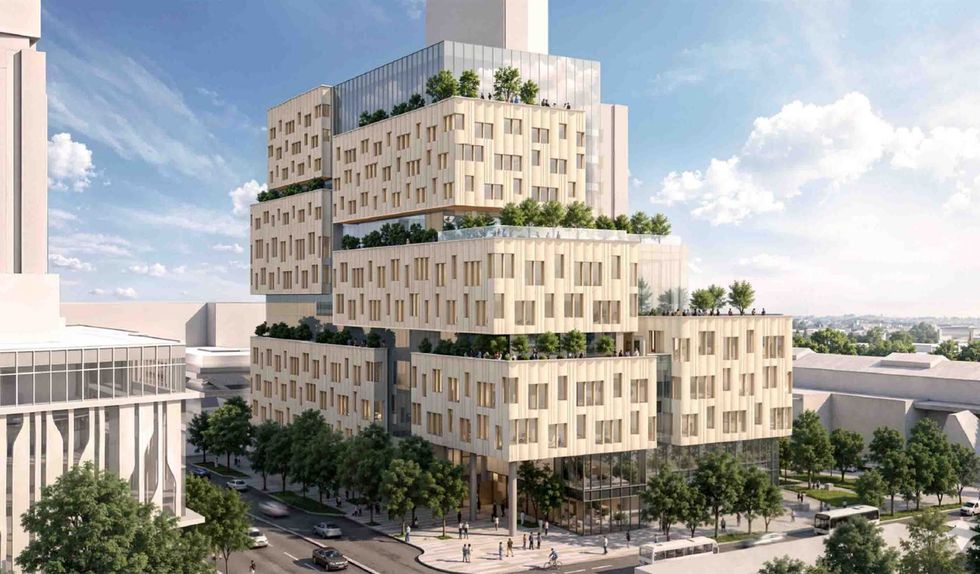 The 12-storey Phase One of Centre Block. (Stantec-Revery, SCDC)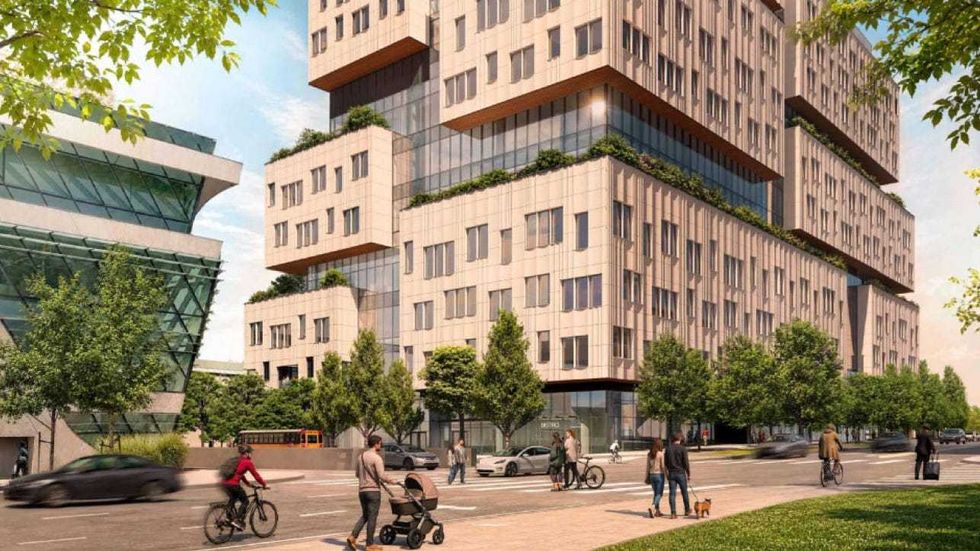
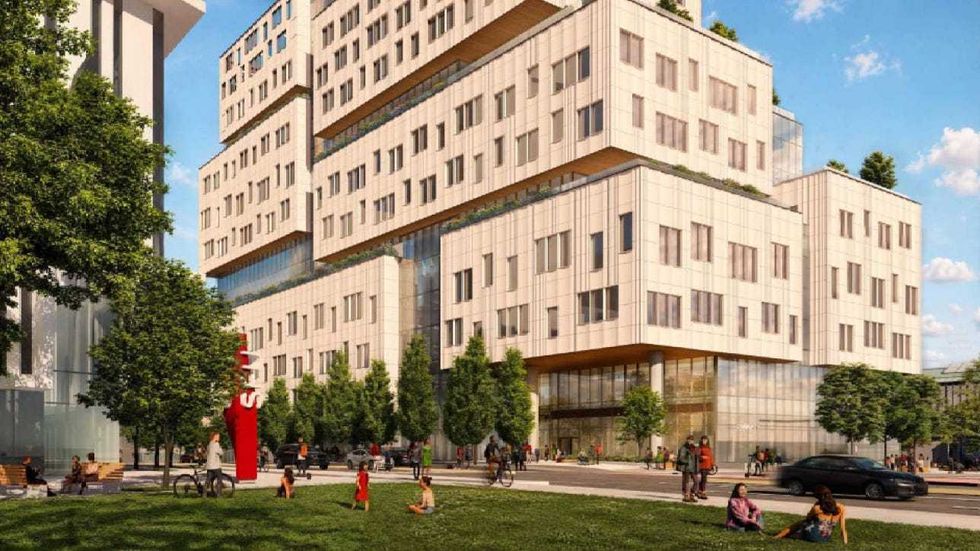 The 12-storey Phase One of Centre Block. (Stantec-Revery, SCDC)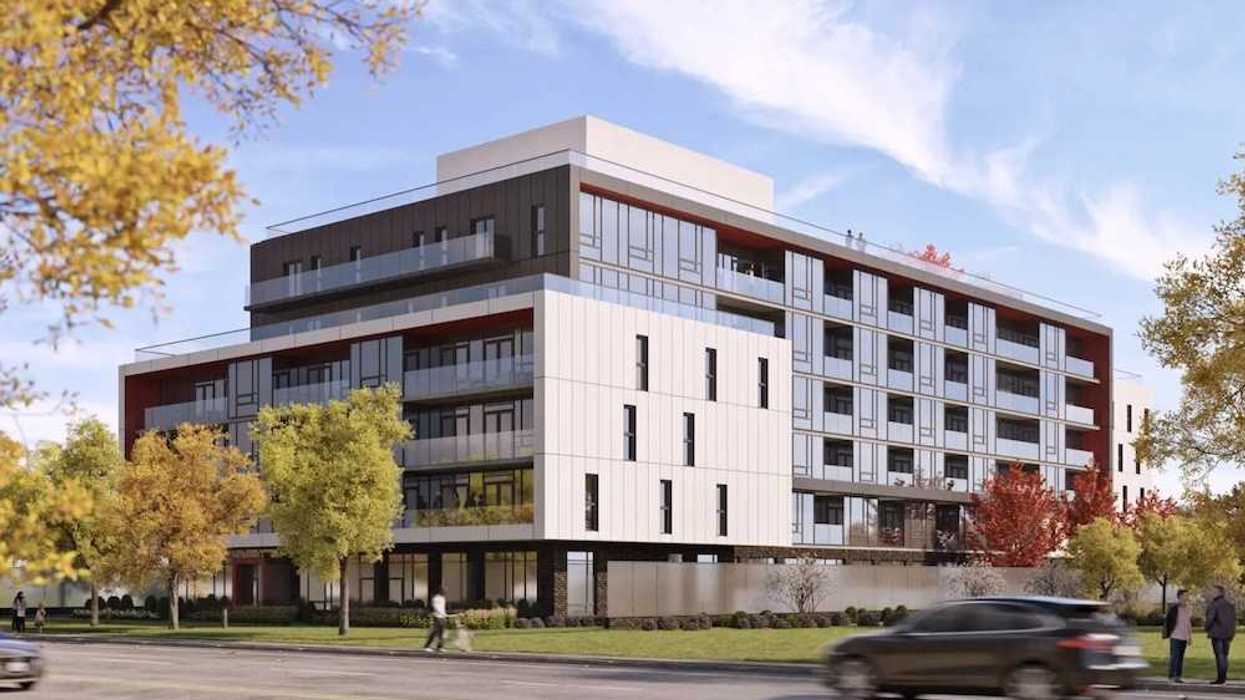
 Mondria One, set for 1607 King Street East in Clarington, Ontario. (ICON Architects Inc., Monde Development Group)