Common Elements

Explore common elements in Canadian condominium ownership, what’s included, how they’re managed, and why they affect ownership costs.
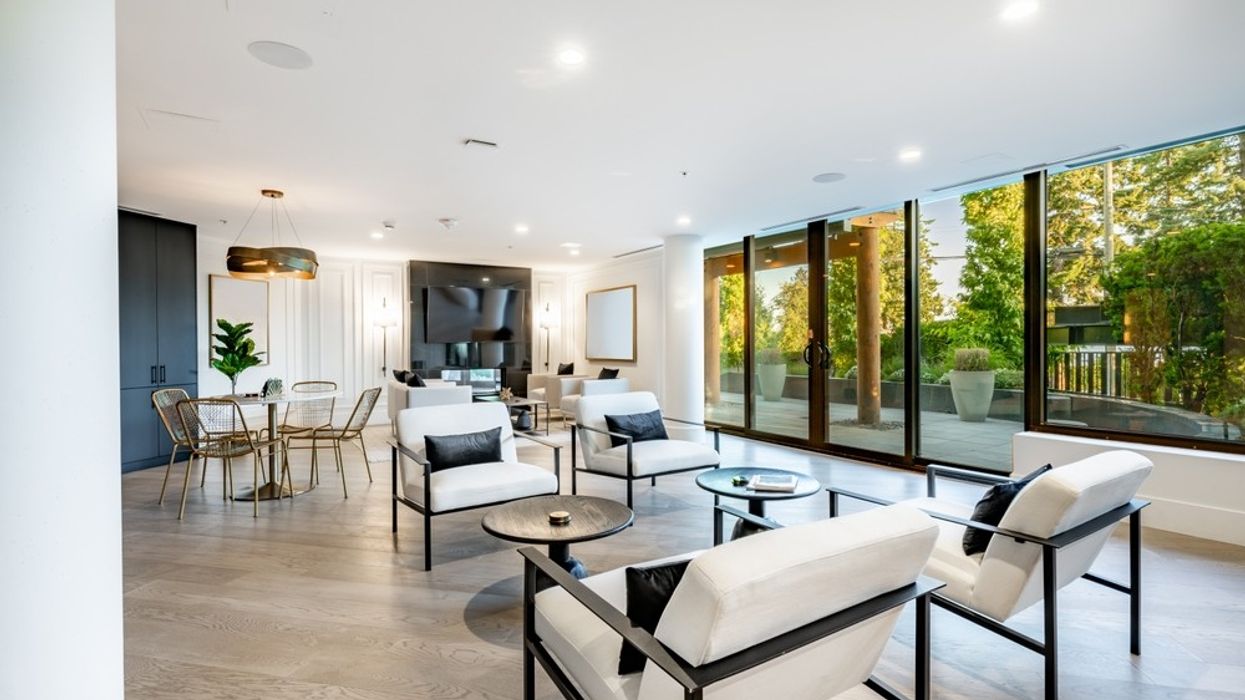
Common Elements


What are Common Elements?

Common elements refer to shared spaces and systems in a condominium development that are jointly owned and maintained by all unit owners through the condo corporation.

Why Common Elements Matter in Real Estate

In Canadian condominium ownership, common elements are not part of individual units but are essential to the operation and value of the property.


Examples of common elements include:
  • Hallways, elevators, and stairwells
  • Lobbies, party rooms, and amenities
  • Landscaping and parking areas
  • Building systems (plumbing, HVAC, roof)


Their upkeep is funded through condo fees and governed by the condominium bylaws. Any changes to these areas often require board approval.


Understanding common elements helps buyers assess what they are financially responsible for and how well the property is managed.

Example of Common Elements in Action

A leaking pipe in the hallway ceiling is repaired by the condo corporation, as it is part of the common elements shared by all owners.

Key Takeaways

  • Shared spaces in condo developments
  • Jointly owned by all unit holders
  • Maintained through condo fees
  • Governed by bylaws and board policies
  • Impact long-term building value and operations

Related Terms

Additional Terms

Public Realm Improvements

Public realm improvements are enhancements to public spaces such as sidewalks, parks, plazas, and streetscapes, often funded or contributed by. more

Mortgagee in Possession

A mortgagee in possession is a lender who takes control of a property after borrower default, but before foreclosure or power of sale. The lender. more

Lease Surrender Agreement

A lease surrender agreement is a negotiated contract between a landlord and tenant that ends a lease before its scheduled expiration. Terms may. more

Green Infrastructure

Green infrastructure refers to natural or engineered systems that manage stormwater, reduce heat, and improve sustainability in developments.. more

Escrow Holdback

An escrow holdback is a portion of funds withheld at closing and held in escrow until specific conditions are met, such as completion of repairs,. more

Underused Housing Tax

The Underused Housing Tax (UHT) is a federal annual 1% tax on the value of vacant or underused residential property owned by non-resident,. more

More For You

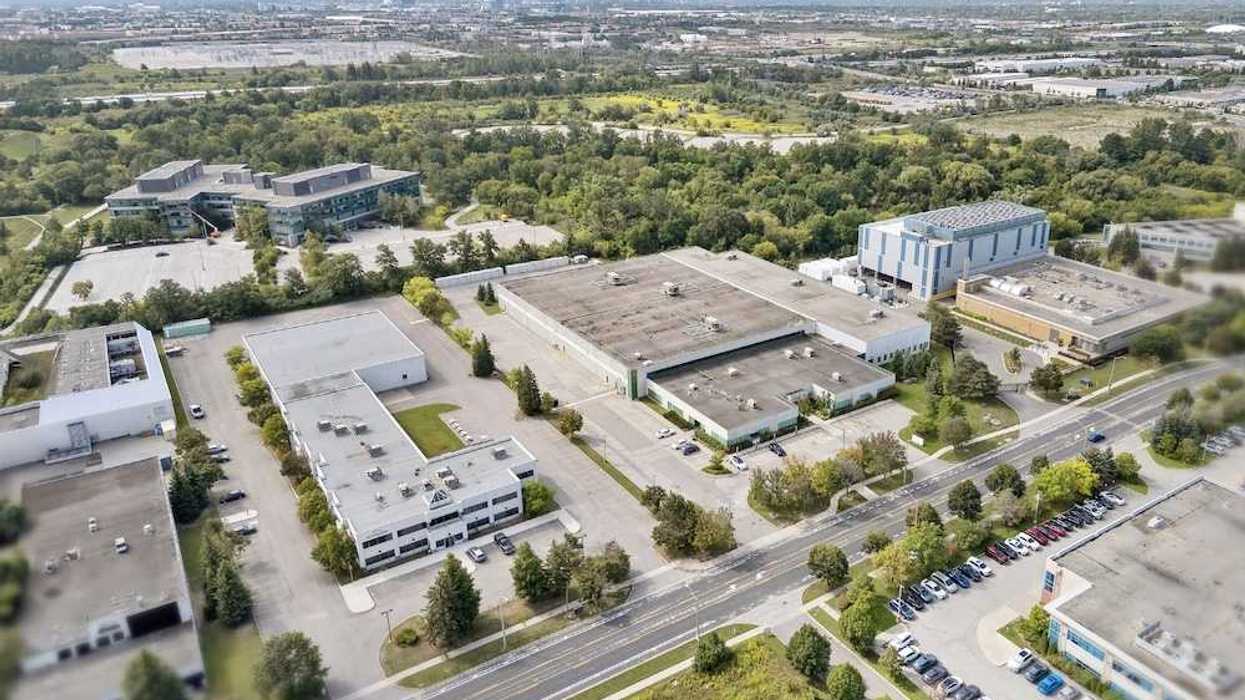
CanFirst Capital Lists 14-Acre TELUS-Leased Industrial Property In Mississauga

6525 Mississauga Road in Mississauga, Ontario. (CanFirst Capital Management)

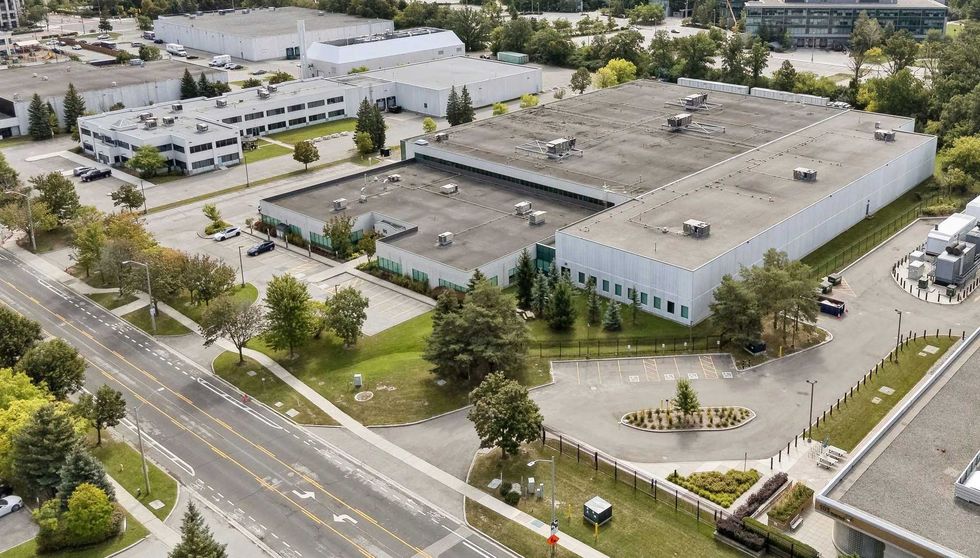
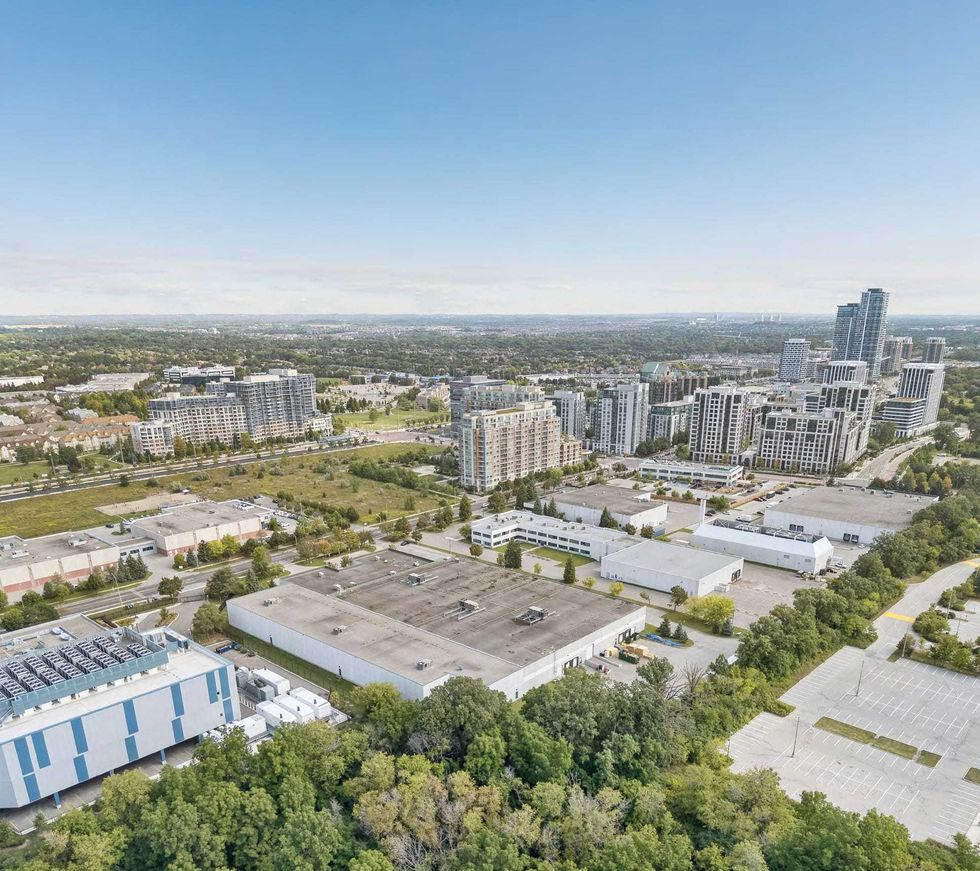
A newly-constructed “best-in-class” industrial property in Mississauga has hit the market, according to a listing that came online earlier this month.

Owned by CanFirst Capital Management, the property is located at 6525 Mississauga Road on the northeast corner of the intersection with Turner Valley Road in the Meadowvale area of Mississauga.

Keep ReadingShow less
Insider: Canada Risks Building Less As Homebuyers Gain Ground
Ontario new homes

A builder has to sell tomorrow’s home against today’s resale market. When existing homes get cheaper, a new project has less room to cover its costs.

That calculation is becoming harder across much of Canada. CREA’s August figures show a national benchmark price 3% below a year earlier. Sales fell 6.9% from a year earlier, while new listings increased 3.3% from July after seasonal adjustment. Buyers gained choice without having to compete with a growing pool of purchasers.

Keep ReadingShow less
Canadian Home Sales Dip In August, Rate Worries Return: CREA
Shutterstock

Canadian home sales edged down 0.7% month-over-month in August 2026, according to the Canadian Real Estate Association (CREA), marking the fourth straight month where sales activity and prices have hardly budged.

Measured against a year earlier, actual (not seasonally adjusted) sales volumes were down 6.9%.

Keep ReadingShow less
Toronto Started Just 156 New Condo Units In First Half Of 2026: CMHC
Toronto Construction / Shutterstock

In the City of Toronto, developers broke ground on 156 condominium units in the first half of 2026, according to CMHC's new Fall 2026 Housing Supply Report.

The decade average is roughly 7,000 units a year.

Keep ReadingShow less
40 Under 40 Industrial Leaders Officially Announced

From left: David Basche, Astria Properties; Michelle Sotomayor, Conwest Developments; Shelby Clerihue, Kindred Construction; Andrew Stiffman, Kalesnikoff Mass Timber; Justin Olthof, Priestly Demolition Inc.

The winners of 40 Under 40 Industrial Leaders have officially been revealed, highlighting the unsung heroes of Canada's economy.

The impact of these 40 honourees is felt across vastly different (but often overlapping) industries, including development and real estate, construction, finance, technology, sustainability, trade contracting, engineering, manufacturing, and more.

Keep ReadingShow less
$618K Condo Vs. $1.29M House: Inside The GTA’s August Resale Market

The GTA’s average resale price was $993,410 in August. For a household deciding what to buy, the more useful numbers were $617,593 for a condominium apartment, and $1,288,669 for a detached home.

That is a $671,076 gap between the two category averages. It helps explain why a softer housing market can feel quite different to a first-time condo buyer and a family looking for a detached house. Falling prices do not necessarily bring the next housing type within reach.

Keep ReadingShow less
Expert: 6 Priorities That Should Guide Ontario's Housing Reform

For years, the housing crisis was treated as an unfortunate byproduct of growth rather than the defining economic challenge of our time. That is finally changing.

Governments have begun to recognize that housing affordability is not merely a social issue but a fundamental economic one. Reforms have been introduced, taxes have been cut and regulatory barriers are under scrutiny. Progress is being made. But progress is not the same as success.

Keep ReadingShow less
26-Storey Condo Tower Proposed Near Oakridge Park In Vancouver

The 26-storey tower proposed for 5680 Oak Street in Vancouver. (MCMP Architects)

A proposal for a new condo tower in the Oakridge neighbourhood of Vancouver is now in the pipeline, according to a new rezoning application published by the City this week.

The subject site is 5680 Oak Street, a square site at the northeast corner of the intersection with West 41st Avenue, directly adjacent to the Oakridge Transit Centre site that Grosvenor is redeveloping into the Mayfair West master-planned community.

Keep ReadingShow less