Fixture
Understand what a fixture is in Canadian real estate, how it differs from chattels, and how to avoid confusion over what's included in a property sale.
May 22, 2025
What is a Fixture?
A fixture is any item of personal property that has been permanently attached to real estate and is considered part of the property.
Why a Fixture Matters in Real Estate
In Canadian real estate, fixtures are typically included in the sale unless explicitly excluded in the Agreement of Purchase and Sale.Common examples of fixtures include:
- Built-in appliances
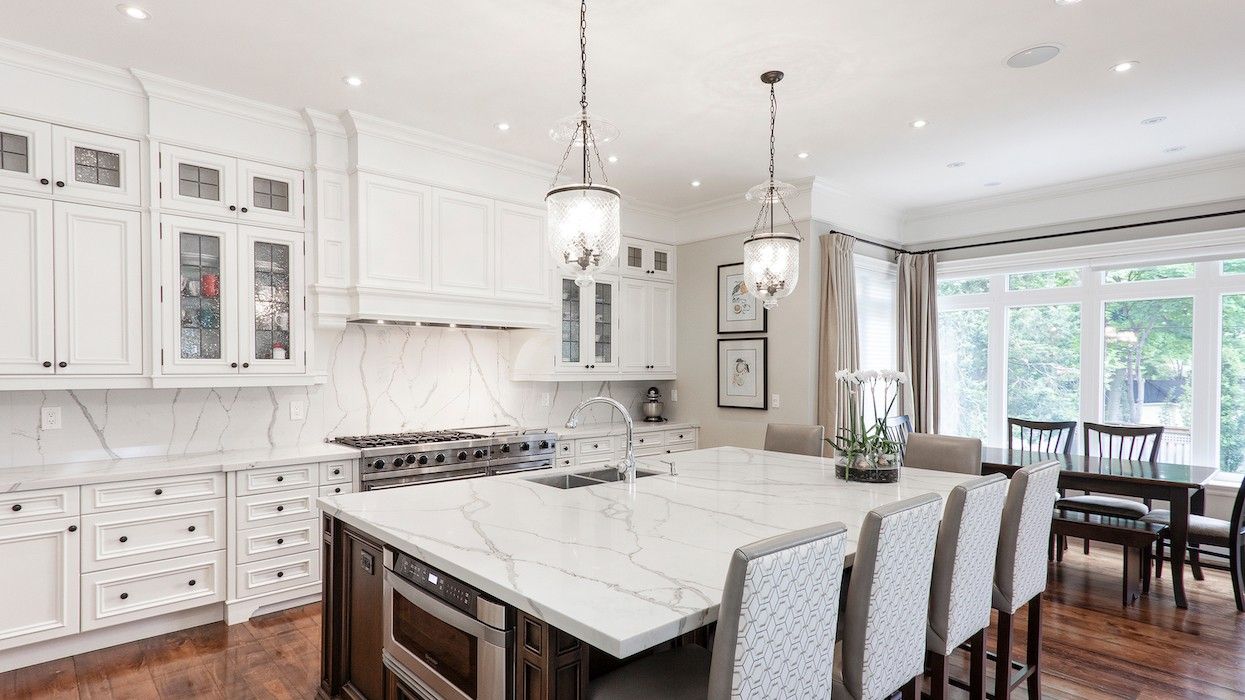
- Light fixtures and ceiling fans
- Mounted shelving and cabinetry
- Attached mirrors or window blinds
The legal test for a fixture often considers how the item is attached and whether it was intended to be permanent. Buyers and sellers should clearly list inclusions and exclusions to avoid disputes.
Understanding fixtures helps all parties avoid misunderstandings about what is included in the sale.
Example of a Fixture in Action
The seller removed a built-in dishwasher after closing. The buyer argued it was a fixture, and legal action followed due to its permanent installation.
Key Takeaways
- Permanently attached to property.
- Typically included in a sale.
- Distinguished from movable chattels.
- Should be listed clearly in agreements.
- May lead to disputes if unclear.
Related Terms
- Chattel
- Agreement of Purchase and Sale
- Inclusions
- Exclusions
- Closing Process
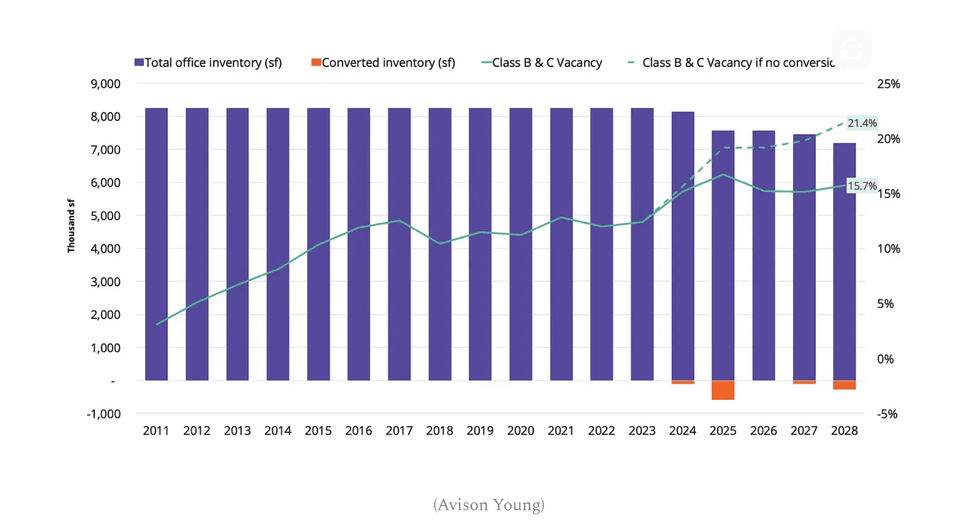 (Avison Young)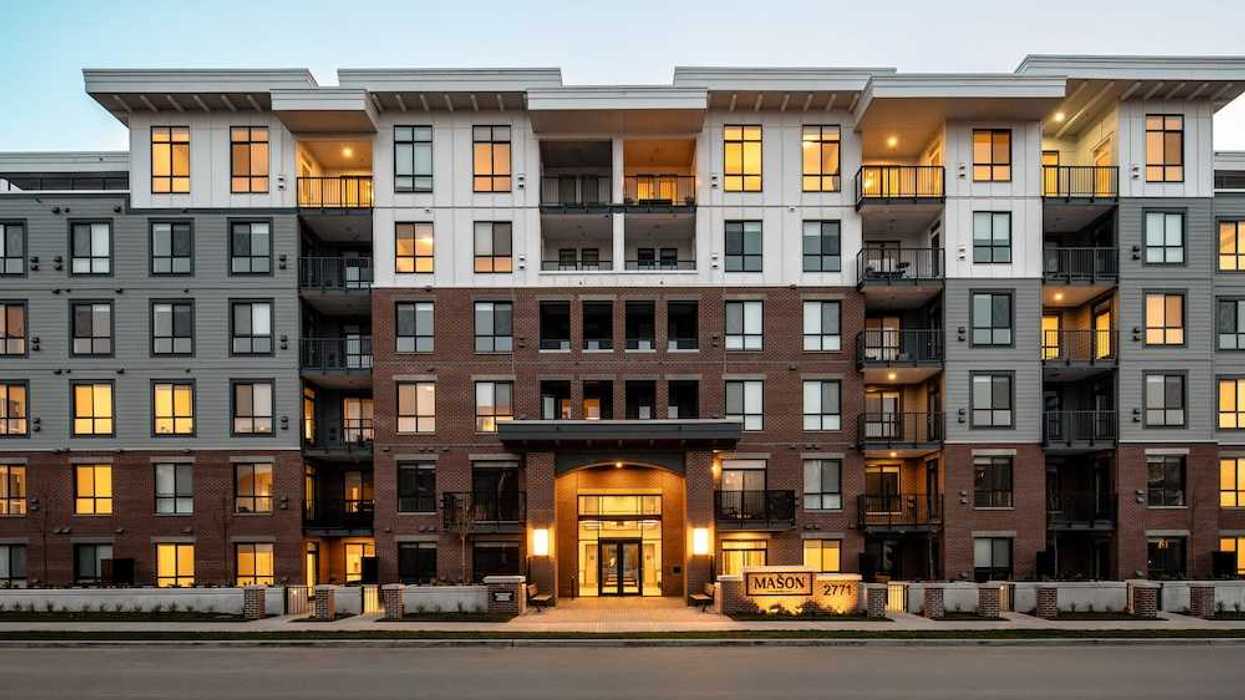
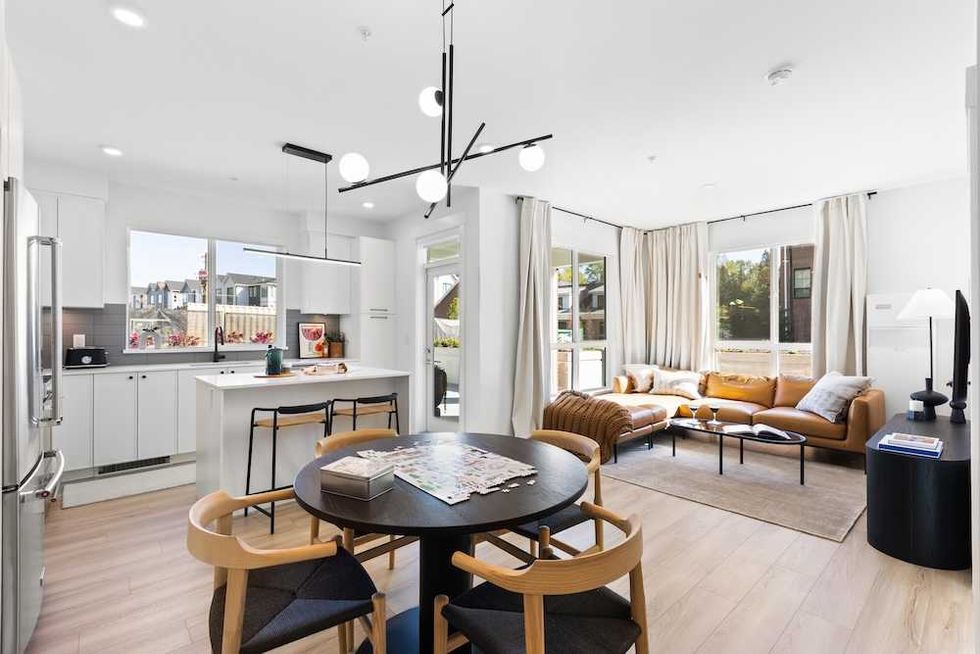 The Mason Suite Interior (Infinity Properties)
 The Mason Suite Interior (Infinity Properties)
 Rail District aerial (Infinity Properties)
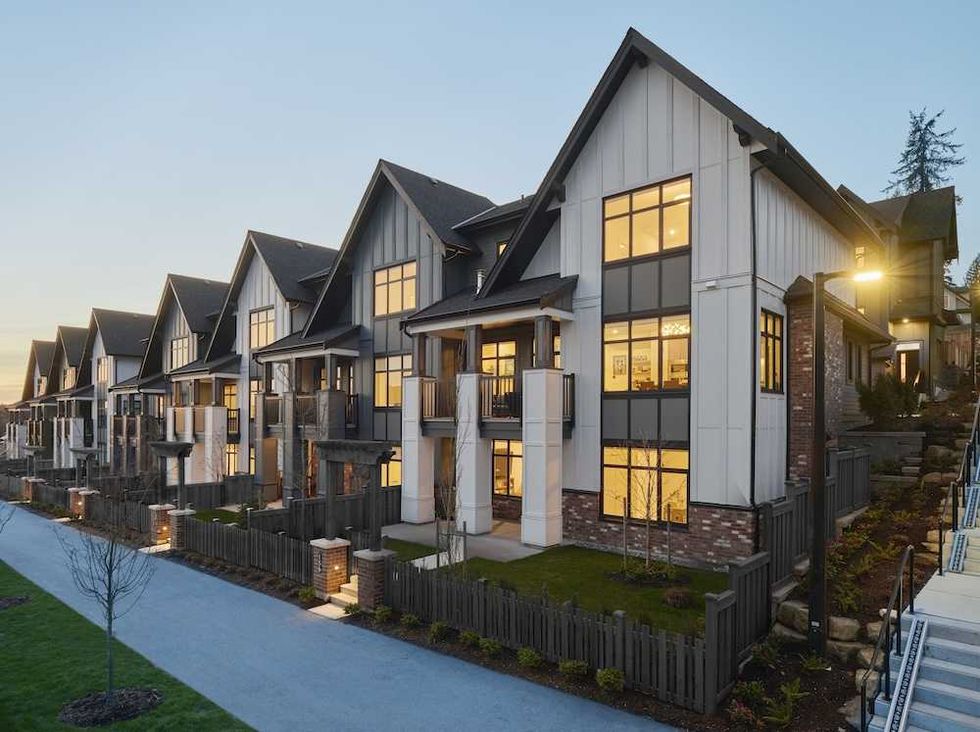 Versant (Infinity Properties)

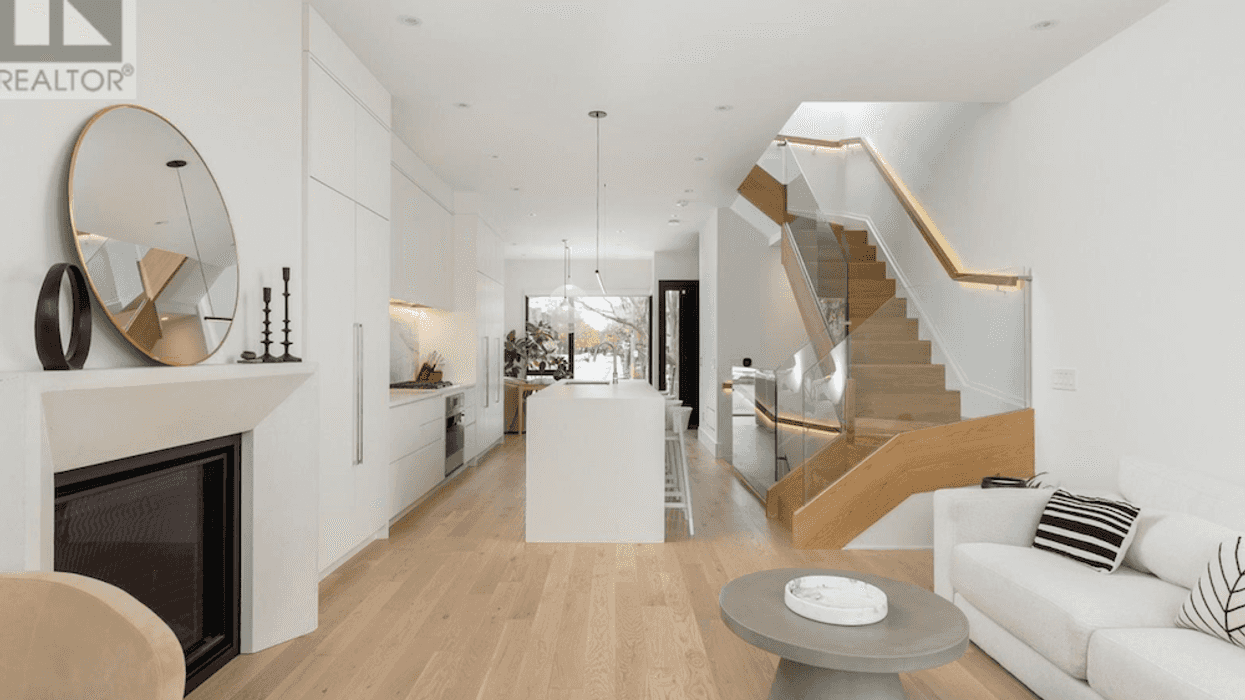





 Narrow Fourplex (City of Toronto)
 Wide Sixplex - Side View (City of Toronto)
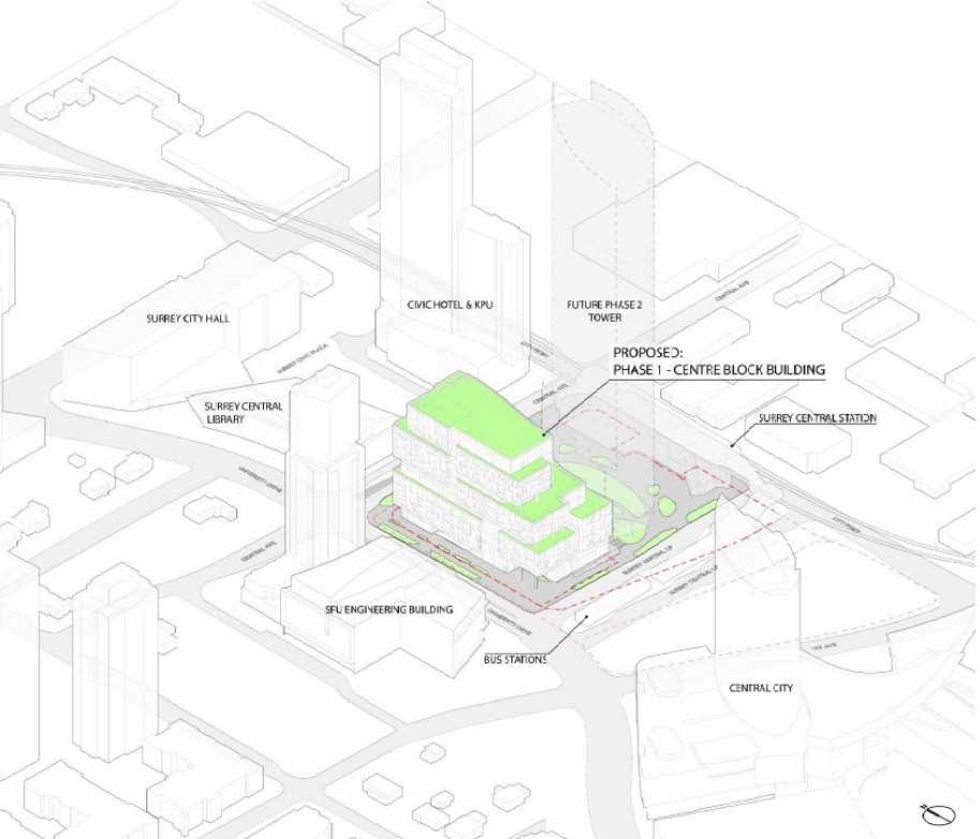 Centre Block and its surrounding context. (Stantec-Revery, SCDC)
 The 12-storey Phase One of Centre Block. (Stantec-Revery, SCDC)
 The 12-storey Phase One of Centre Block. (Stantec-Revery, SCDC)
 Mondria One, set for 1607 King Street East in Clarington, Ontario. (ICON Architects Inc., Monde Development Group)