Capital Gains Tax
Explore how capital gains tax applies to real estate in Canada, how to calculate it, and when the principal residence exemption protects sellers.

May 22, 2025
What is Capital Gains Tax?
Capital gains tax is a federal tax on the profit earned from the sale of a property or investment that has increased in value, applied when the asset is sold for more than its adjusted cost base.
Why Capital Gains Tax Matters in Real Estate
In Canadian real estate, capital gains tax applies to properties that are not the seller’s primary residence—such as rental properties, cottages, or investment real estate. When a property is sold, 50% of the gain is added to the seller’s taxable income.Key considerations include:
- The principal residence exemption excludes most owner-occupied homes
- Costs like legal fees and real estate commissions reduce the gain
- Tax implications should be factored into investment strategy
Formula: Capital Gain = Sale Price - (Purchase Price + Expenses + Capital Improvements)
Capital gains can significantly affect net proceeds from a sale, especially for long-held properties that have appreciated substantially. Sellers should consult with tax professionals and retain accurate records to properly calculate gains.Understanding how capital gains tax works helps investors make informed decisions, time their sales effectively, and plan for tax obligations at year-end.
Example of Capital Gains Tax
A seller buys a cottage for $250,000 and sells it for $450,000. After deducting $15,000 in improvements and $20,000 in selling costs, the taxable capital gain is $82,500 (50% of $165,000).
Key Takeaways
- Applies to non-primary residence sales.
- 50% of gain is taxable as income.
- Principal residence exemption may apply.
- Planning helps reduce tax impact.
- Professional advice recommended.
Related Terms
- Capital Appreciation
- Principal Residence
- Investment Property
- Taxable Income
- Real Estate Investing

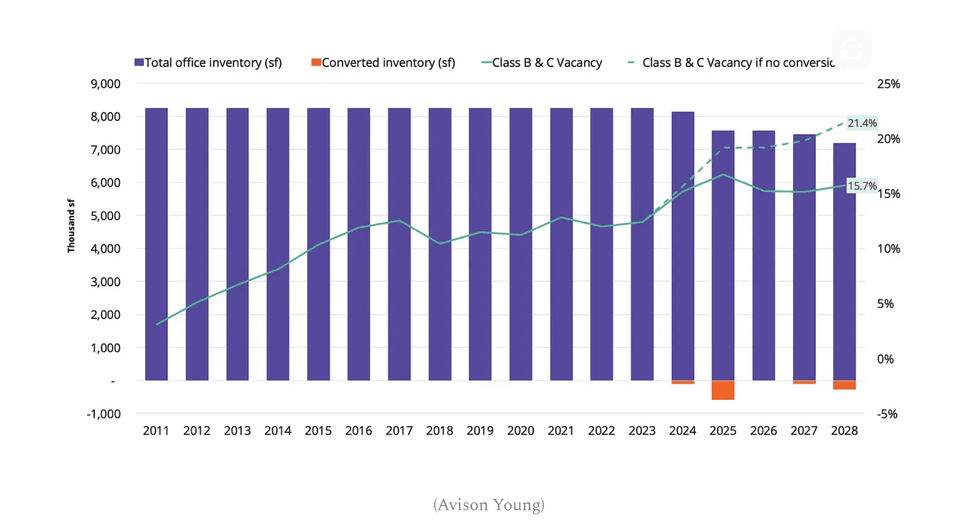 (Avison Young)





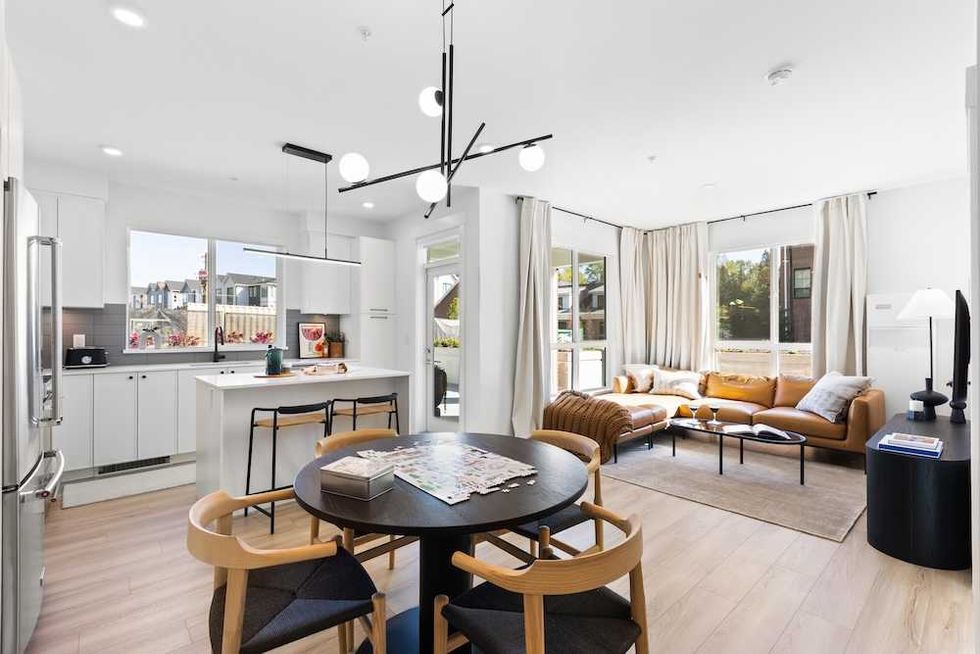 The Mason Suite Interior (Infinity Properties)
 The Mason Suite Interior (Infinity Properties)
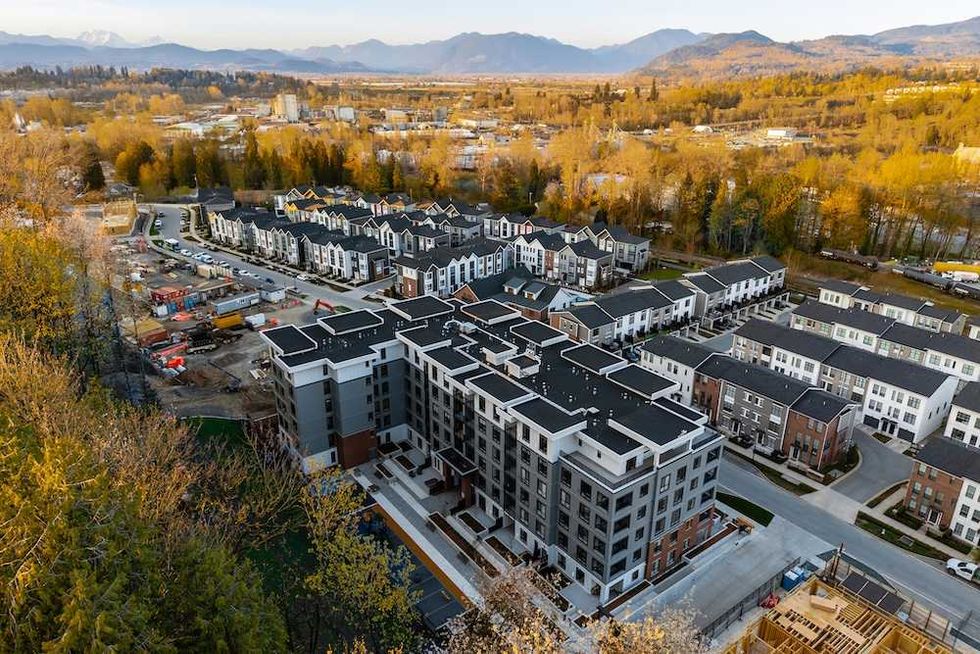 Rail District aerial (Infinity Properties)
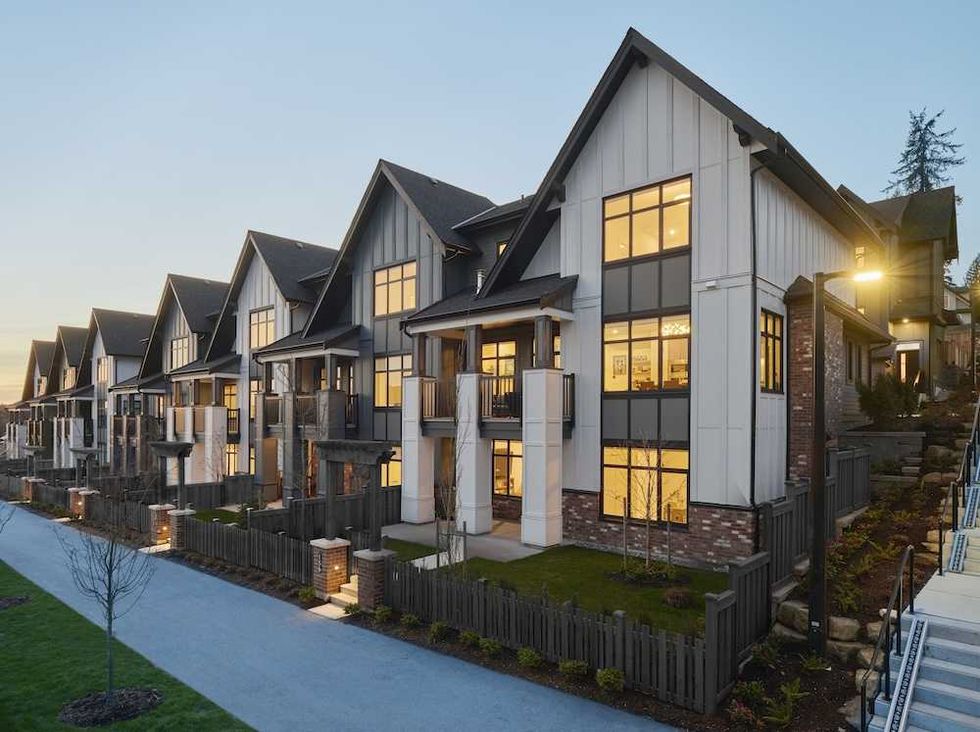 Versant (Infinity Properties)

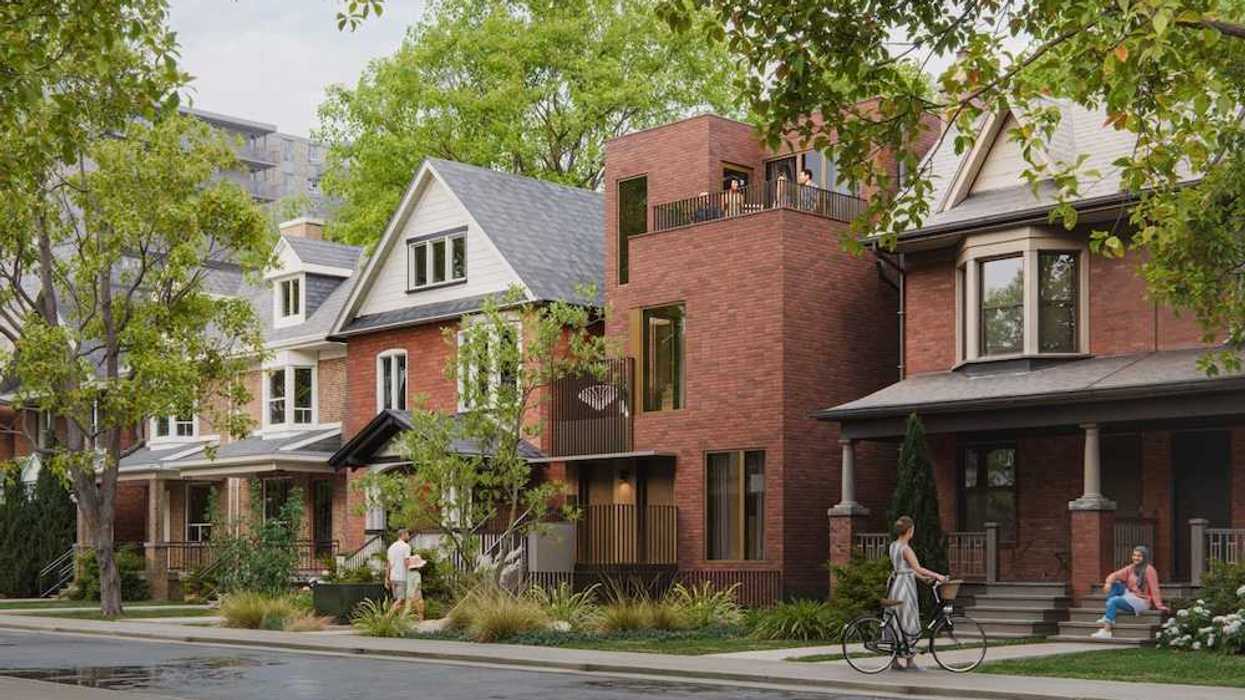
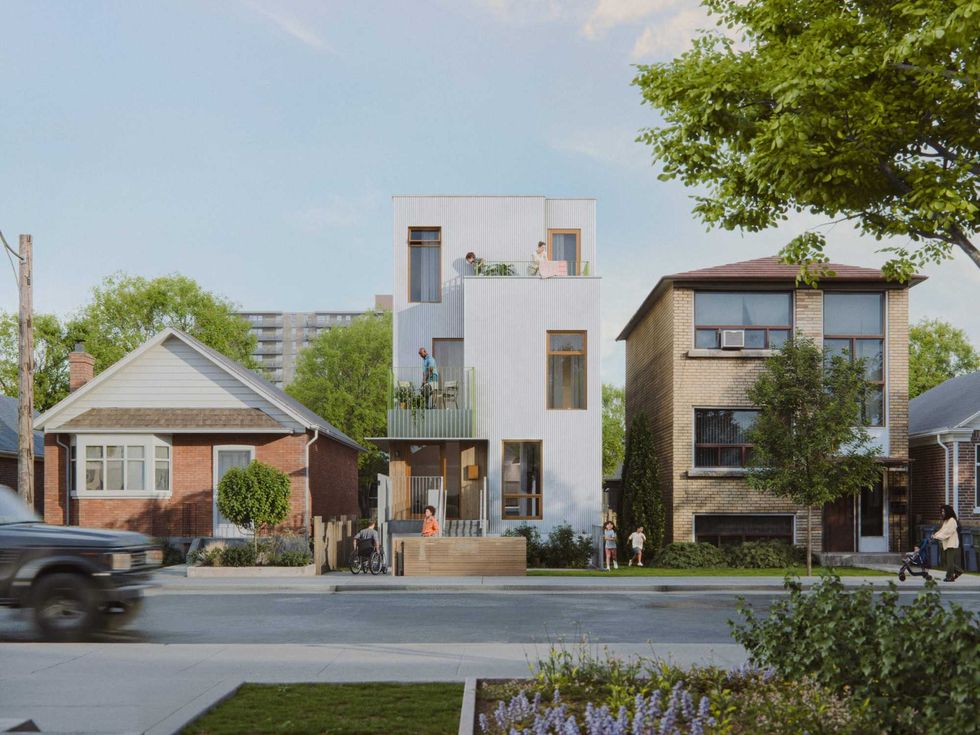 Narrow Fourplex (City of Toronto)
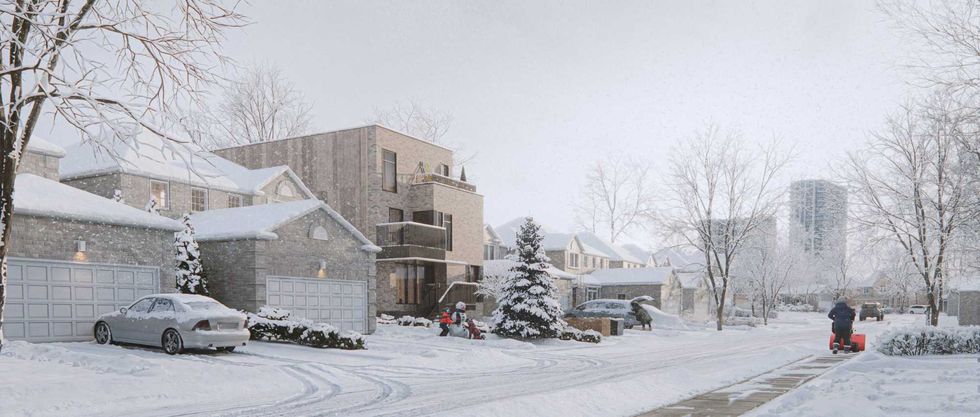 Wide Sixplex - Side View (City of Toronto)
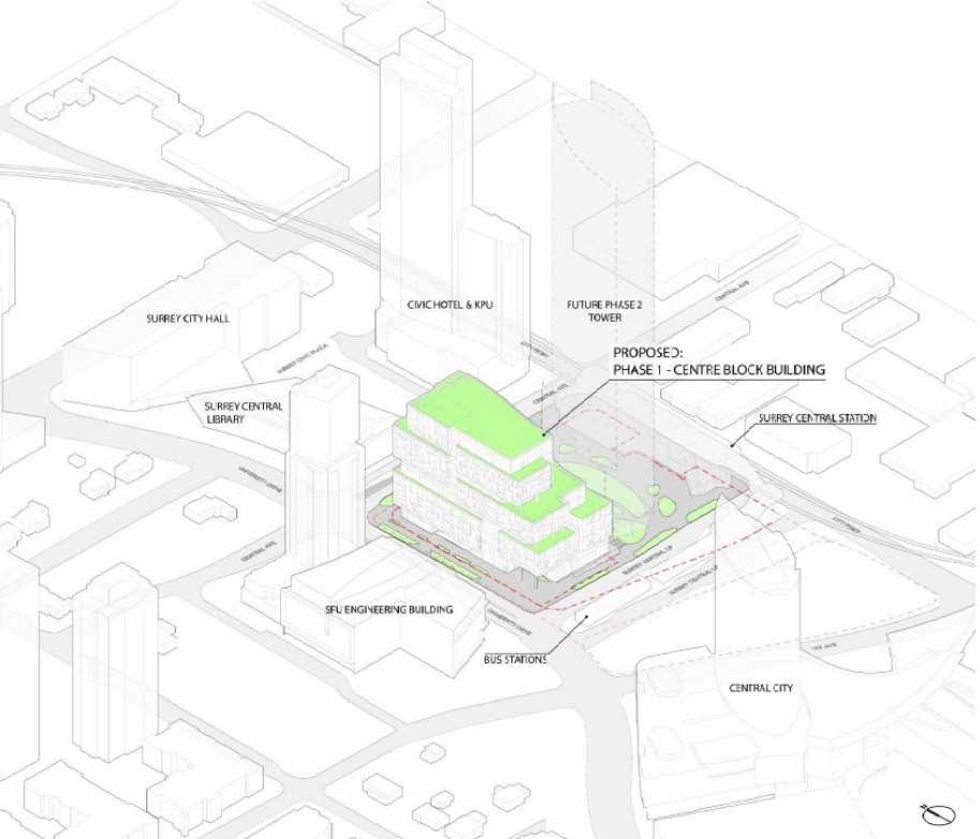 Centre Block and its surrounding context. (Stantec-Revery, SCDC)
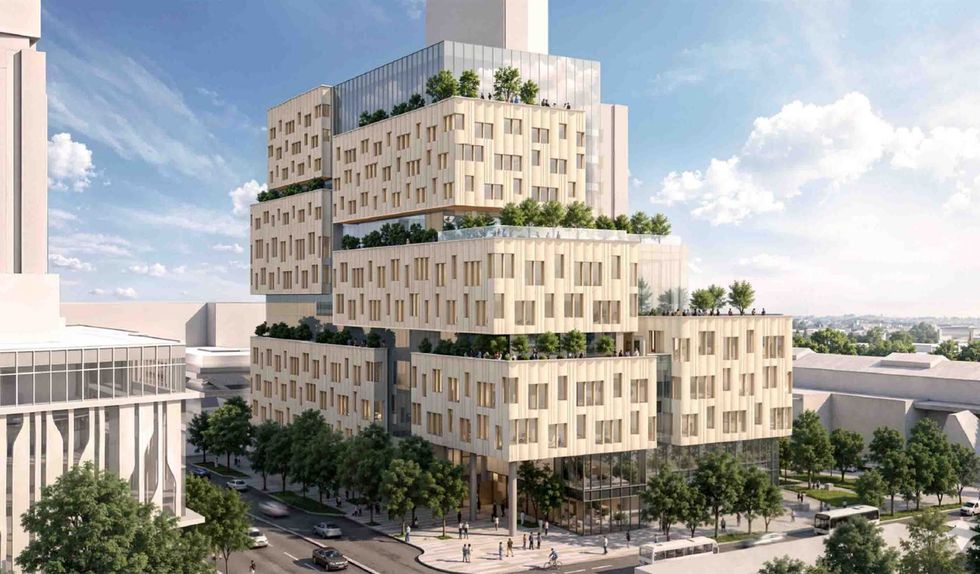 The 12-storey Phase One of Centre Block. (Stantec-Revery, SCDC)
 The 12-storey Phase One of Centre Block. (Stantec-Revery, SCDC)
 Mondria One, set for 1607 King Street East in Clarington, Ontario. (ICON Architects Inc., Monde Development Group)