Real Estate Investing
Discover how real estate investing works in Canada, from rental properties to REITs, and how to grow wealth through income and appreciation.

May 22, 2025
What is Real Estate Investing?
Real estate investing involves purchasing property or shares in property-based assets to earn income, generate capital appreciation, or both.
Why Does Investing Matter in Real Estate
In Canada, real estate investing is a popular strategy for building wealth and generating passive income. Investors may choose between owning physical properties or investing in real estate through public markets.
Common forms of real estate investing include:
- Rental properties (single-family, multi-unit, or short-term rentals)
- Commercial real estate
- REITs and publicly traded funds
- Development or house-flipping
Key considerations include:
- Upfront capital and financing
- Cash flow and return on investment (ROI)
- Tax treatment and deductible expenses
- Property management responsibilities
Successful investing requires research, due diligence, and financial planning. Risks may include market downturns, vacancy, and maintenance costs. Leveraging mortgages allows investors to control larger assets with less capital, but it increases exposure to interest rate changes.
Understanding real estate investing allows individuals to diversify portfolios, supplement income, and plan for long-term financial goals.
Example of Real Estate Investing
A couple purchases a duplex and rents out both units, earning monthly passive income while the property's value increases over time.
Key Takeaways
- Involves buying property for income or growth.
- Can be active (landlord) or passive (REITs).
- Requires financing, planning, and risk management.
- Generates income, equity, and tax benefits.
- Popular for long-term wealth building.
Related Terms
- Passive Income
- Rental Property
- REIT
- Publicly Traded Funds
- Capital Gains Tax

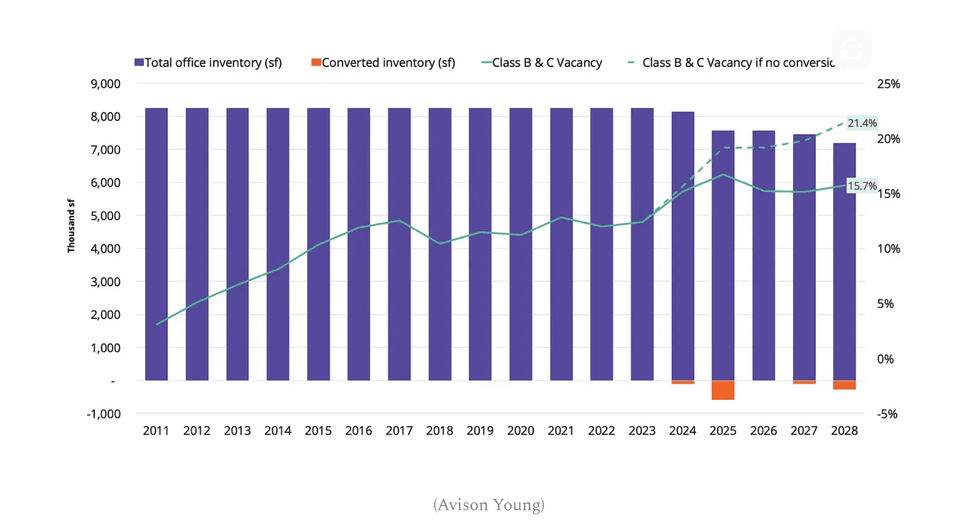 (Avison Young)




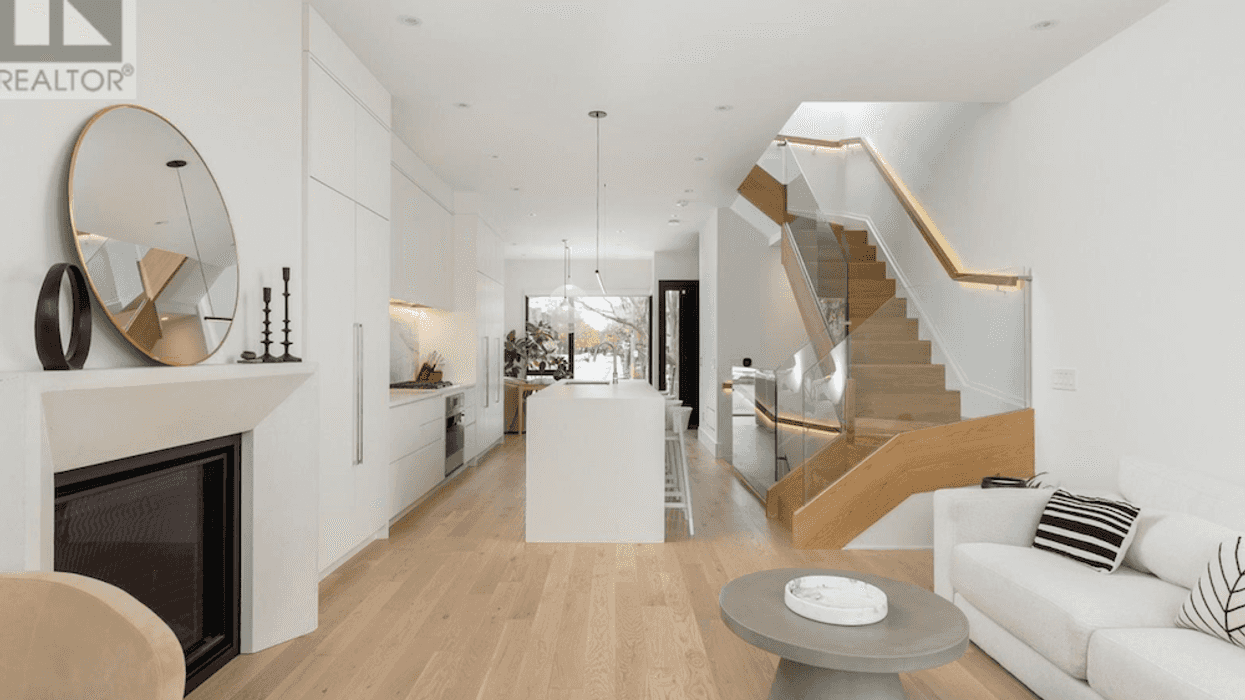

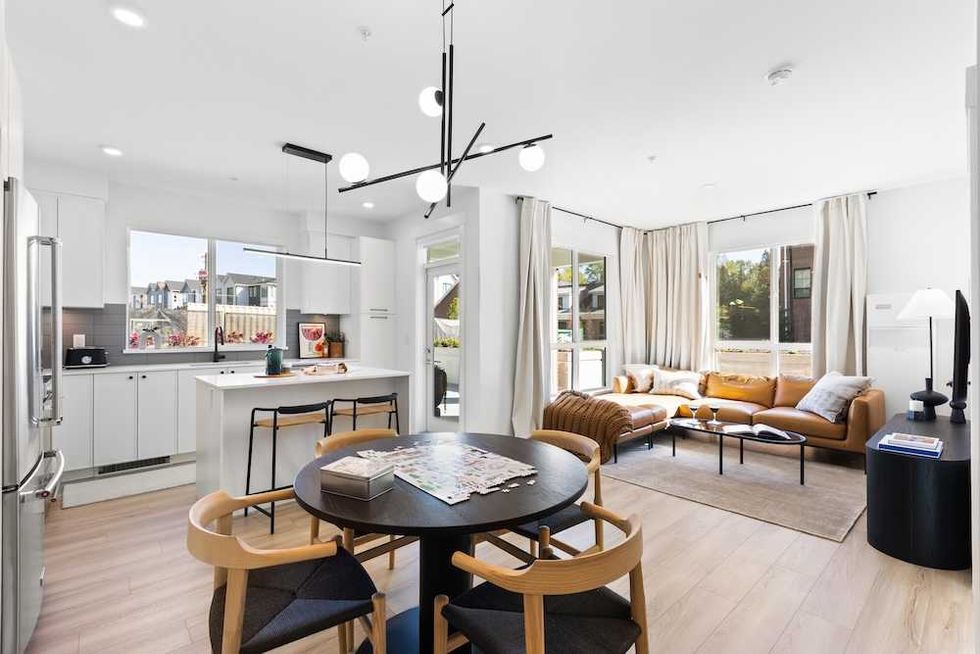 The Mason Suite Interior (Infinity Properties)
 The Mason Suite Interior (Infinity Properties)
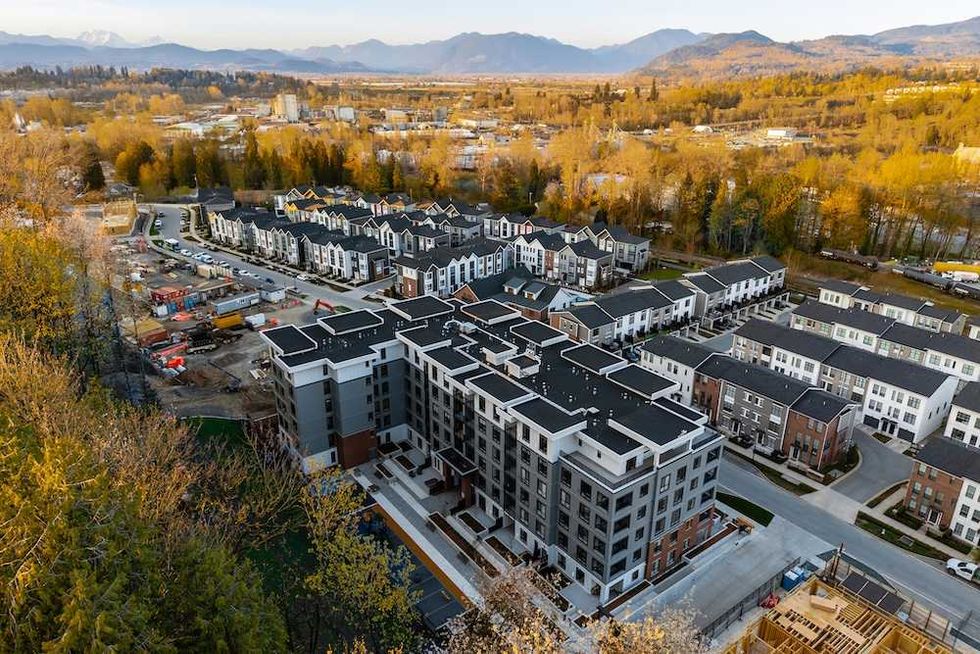 Rail District aerial (Infinity Properties)
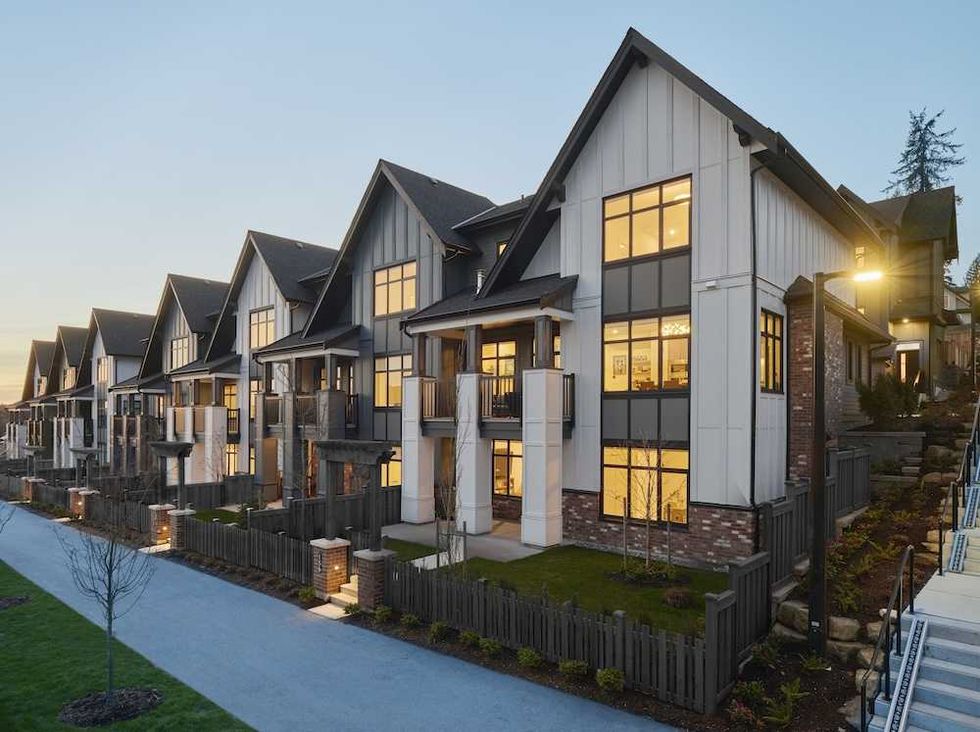 Versant (Infinity Properties)

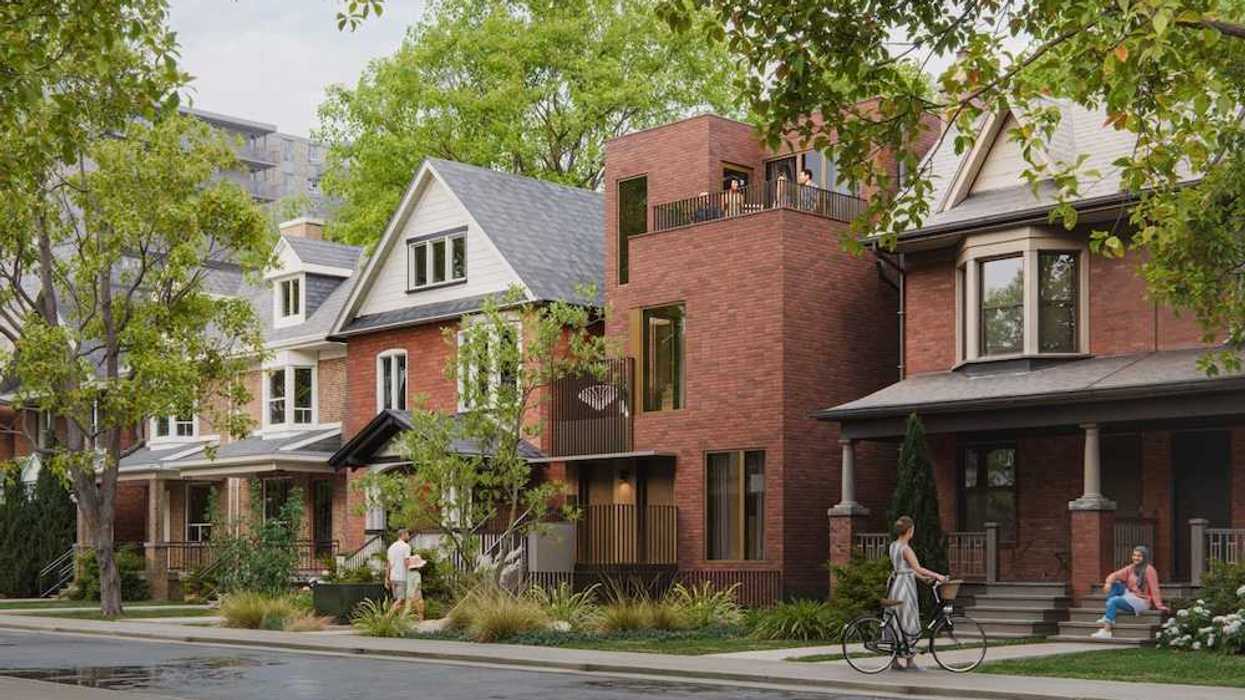
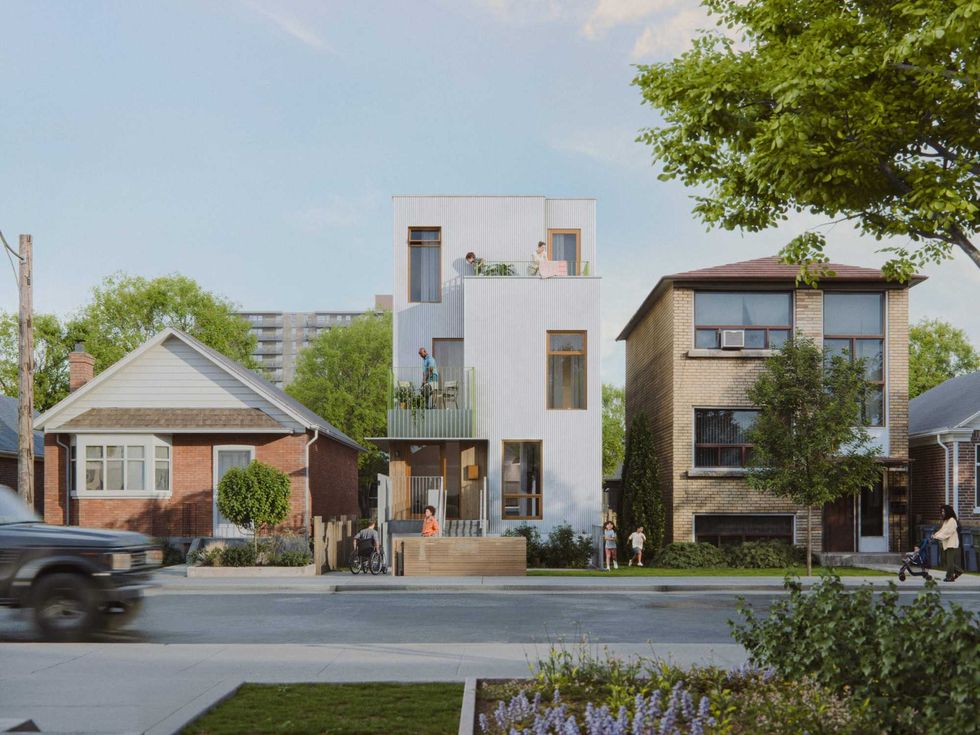 Narrow Fourplex (City of Toronto)
 Wide Sixplex - Side View (City of Toronto)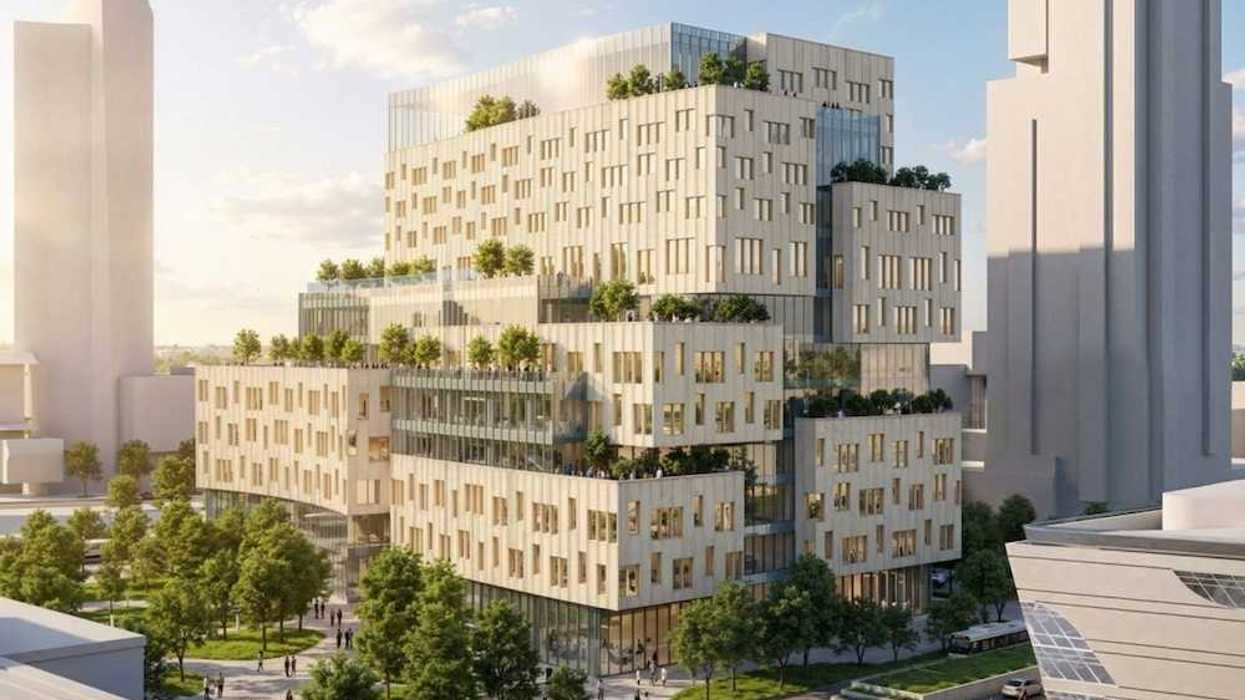
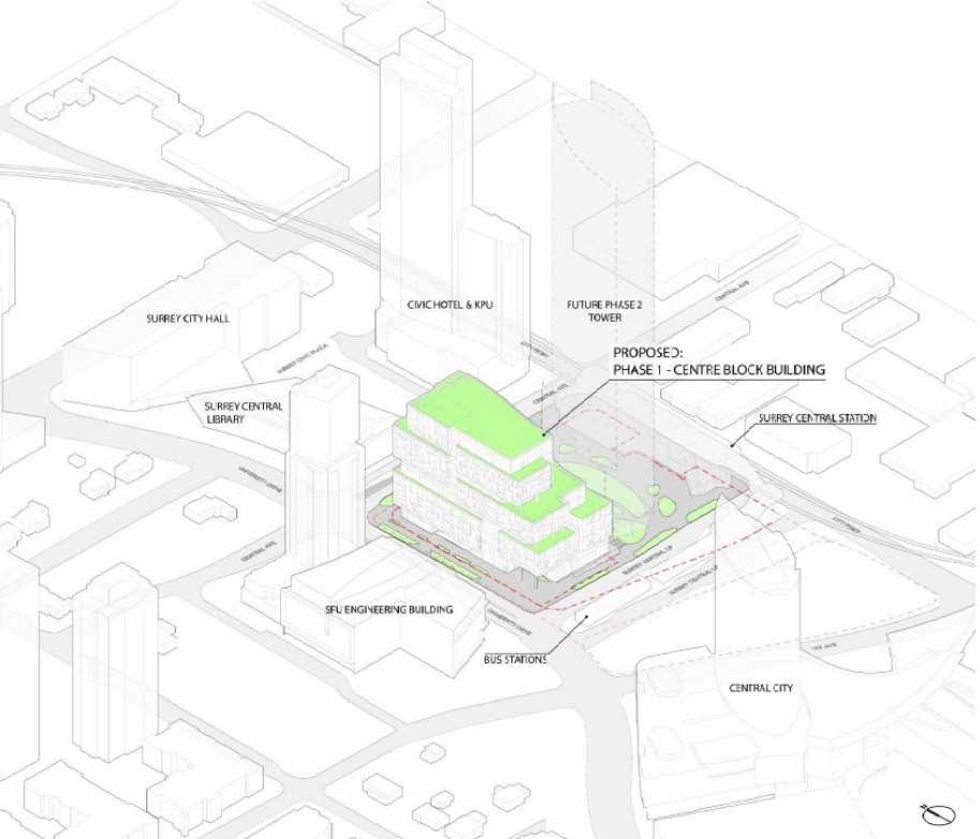 Centre Block and its surrounding context. (Stantec-Revery, SCDC)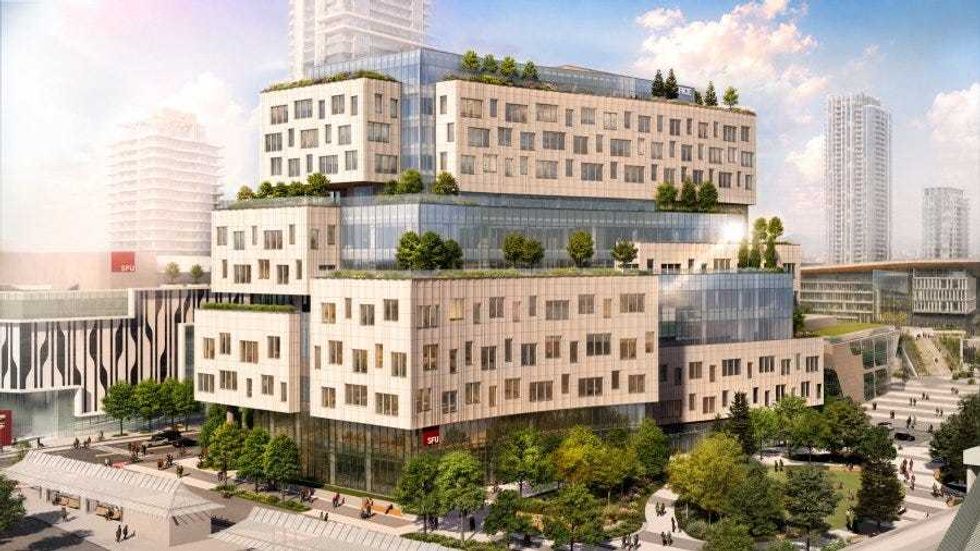
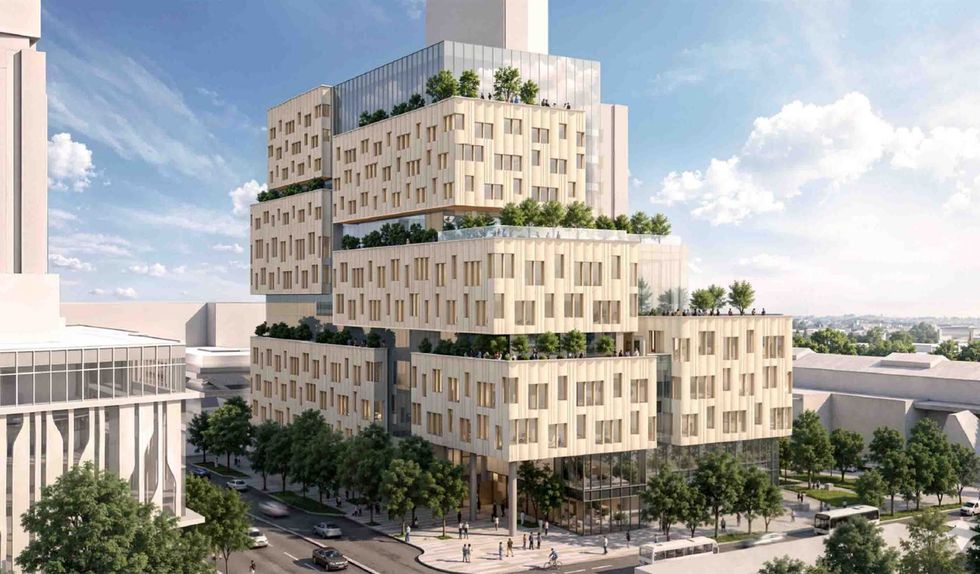 The 12-storey Phase One of Centre Block. (Stantec-Revery, SCDC)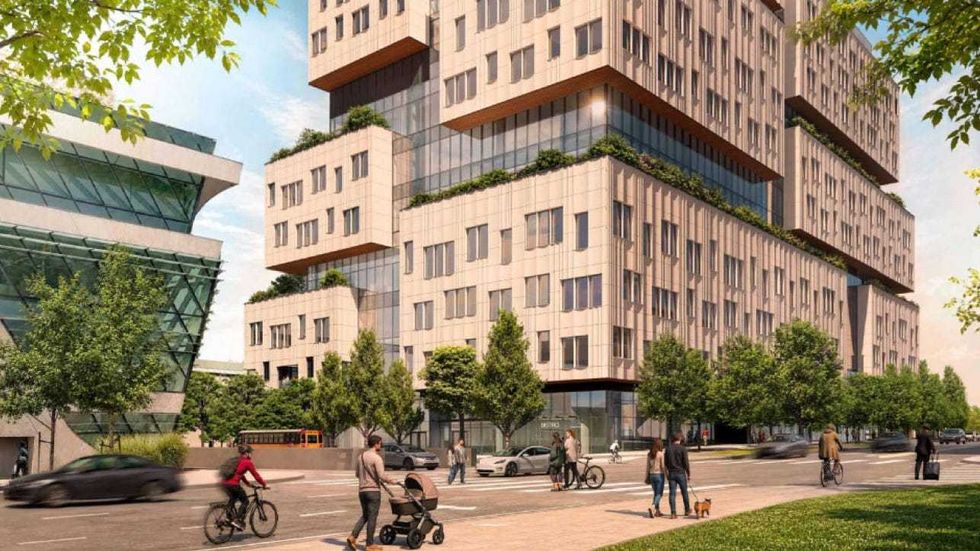
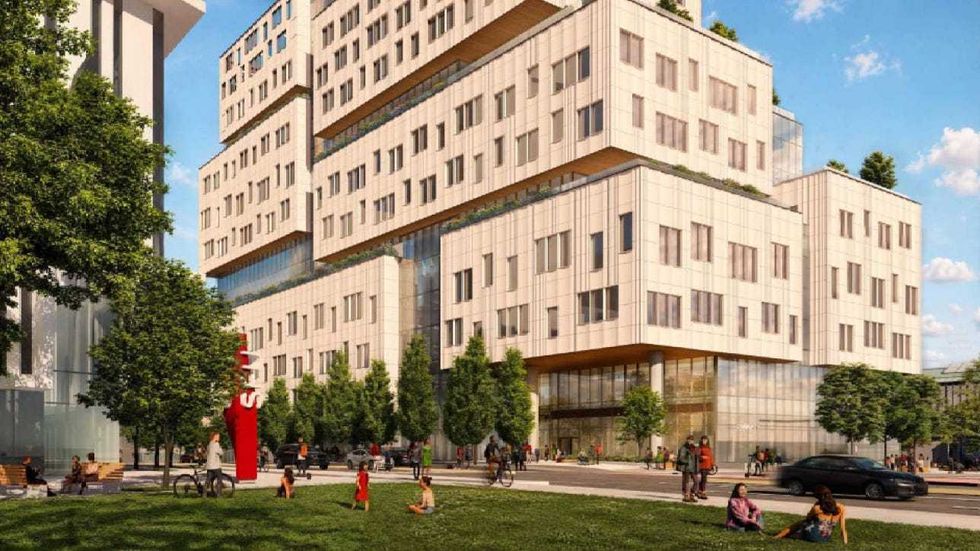 The 12-storey Phase One of Centre Block. (Stantec-Revery, SCDC)
 Mondria One, set for 1607 King Street East in Clarington, Ontario. (ICON Architects Inc., Monde Development Group)