Community Amenities
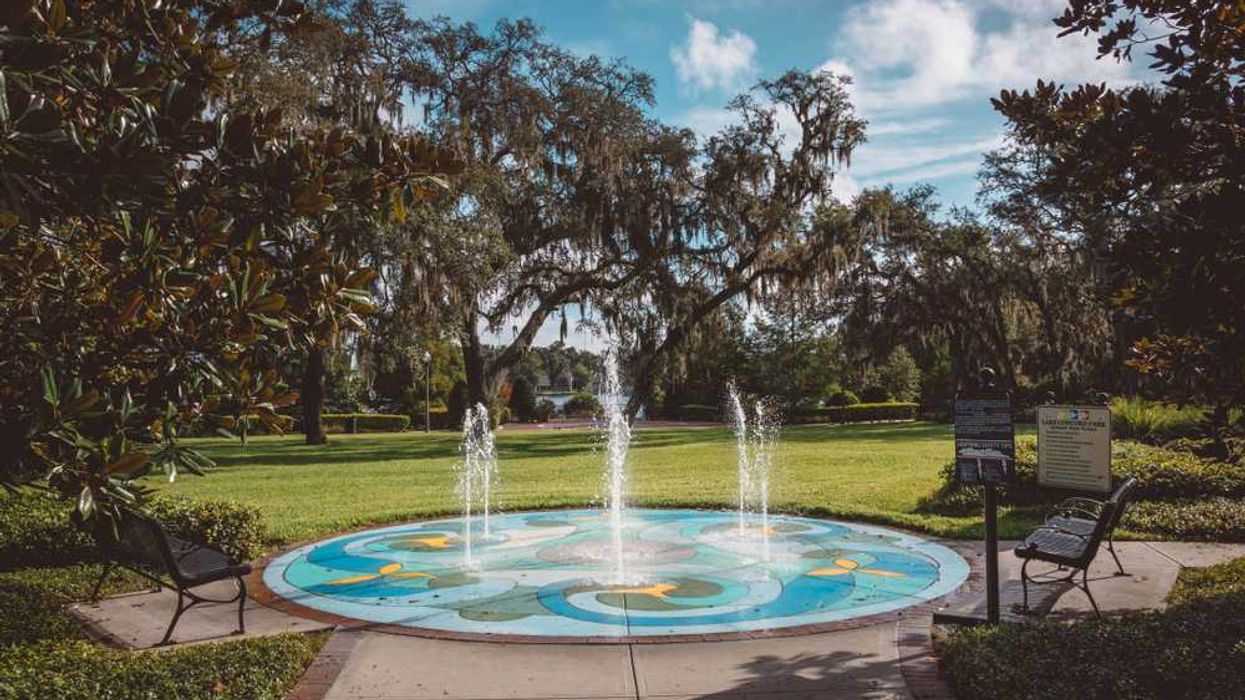
Community amenities are shared residential features such as gyms, gardens, and lounges that add value, influence rents, and attract buyers and tenants.
September 30, 2025
What are Community Amenities?
Community amenities refer to shared features and services in residential or mixed-use developments that improve quality of life and attract buyers or tenants. Examples include gyms, pools, lounges, parks, rooftop terraces, co-working areas, concierge desks, car-sharing services, and childcare rooms. These amenities are often factored into condo fees or rental rates and serve as key differentiators in competitive markets.
Why Community Amenities Matter in Real Estate
Community amenities matter because they directly influence absorption rates, resident satisfaction, rent premiums, and resale values. Developers must balance amenity quality with construction and maintenance costs, as excessive or underused features can erode returns. For municipalities, well-designed amenities contribute to livability, urban design, and long-term neighborhood value.
Example of Community Amenities in Action
A new condominium project introduces a rooftop garden, shared office space, and fitness centre. The development quickly sells out, with buyers citing the amenities as central to their purchasing decision. Over time, residents report greater satisfaction, reducing turnover rates and supporting property value appreciation.
Key Takeaways
- Community amenities enhance livability and attract residents.
- They can justify higher rents and faster absorption.
- Overbuilding amenities can increase maintenance costs.
- Aligning amenities with target demographics is key.
- Well-managed amenities improve long-term property values.
Related Terms
- Condo Fees
- Operating Costs
- Mixed-Use Development
- Resident Retention
- Neighbourhood Amenities

 (Avison Young)


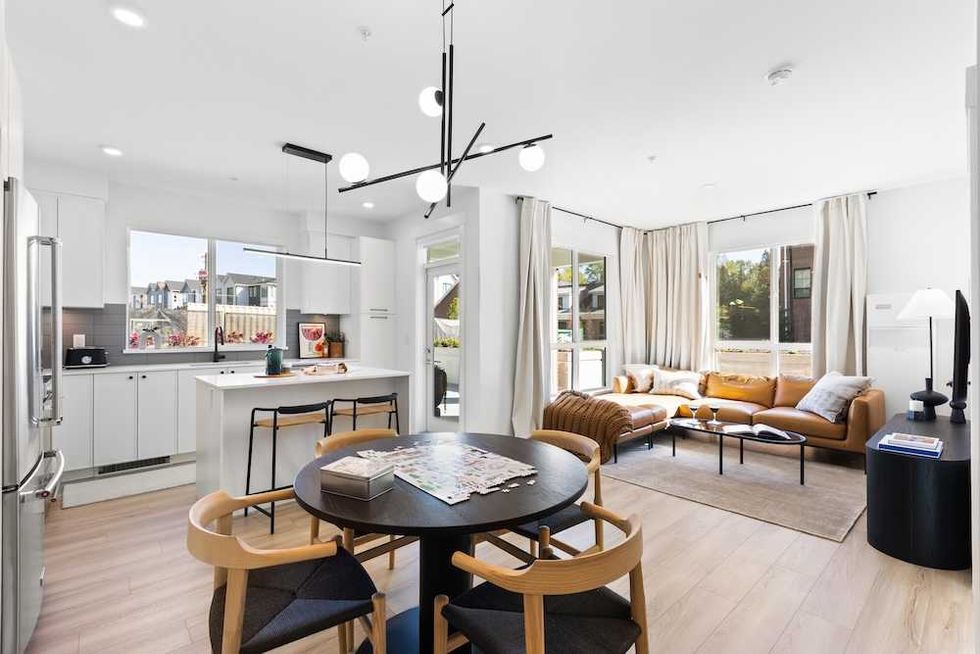 The Mason Suite Interior (Infinity Properties)
 The Mason Suite Interior (Infinity Properties)
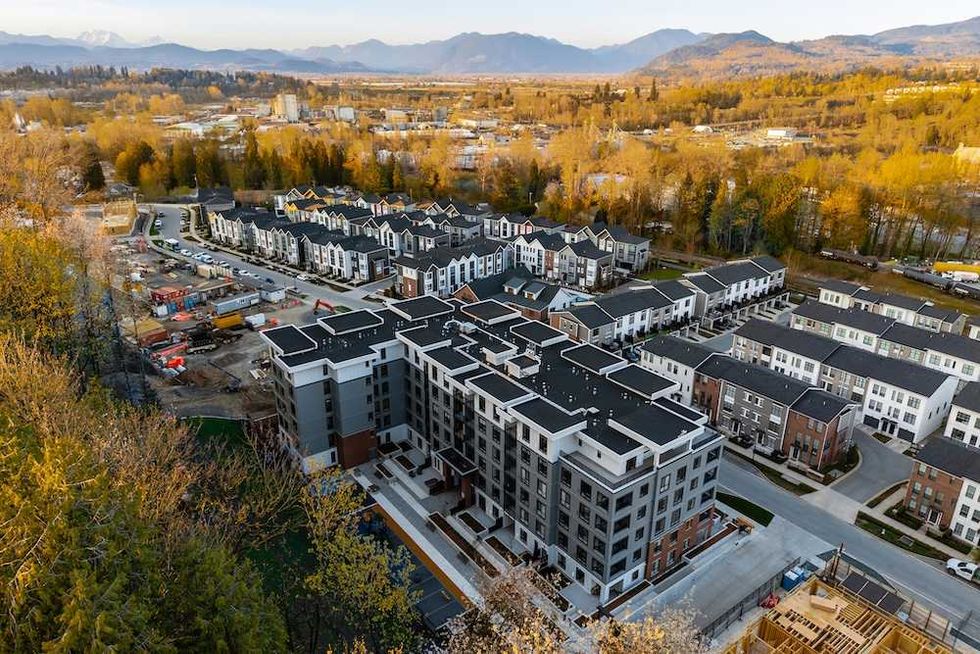 Rail District aerial (Infinity Properties)
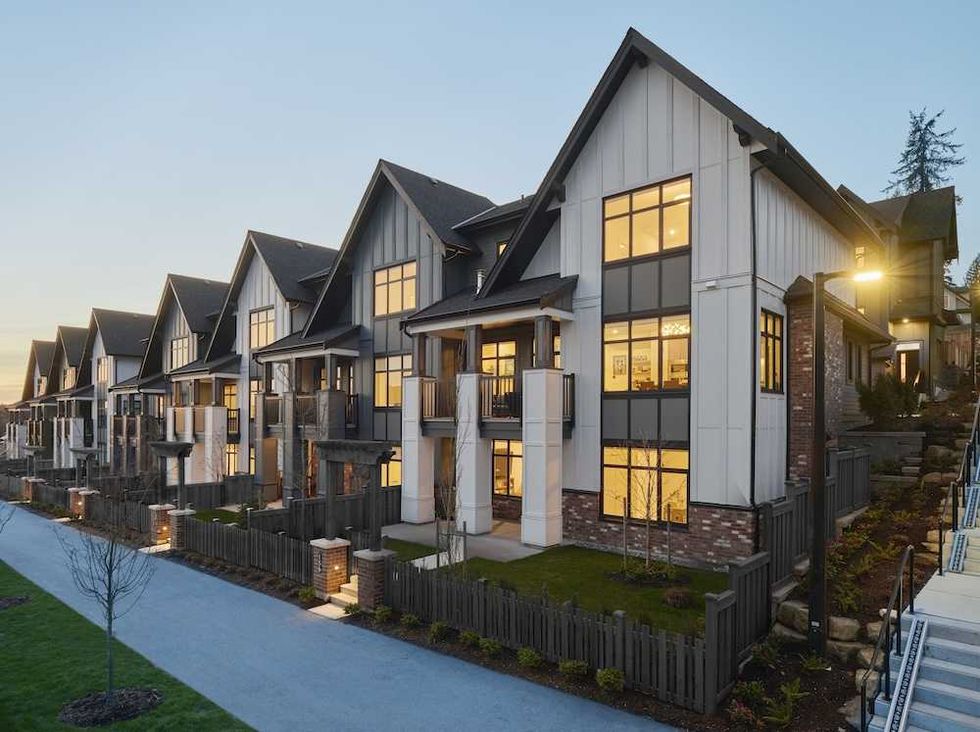 Versant (Infinity Properties)

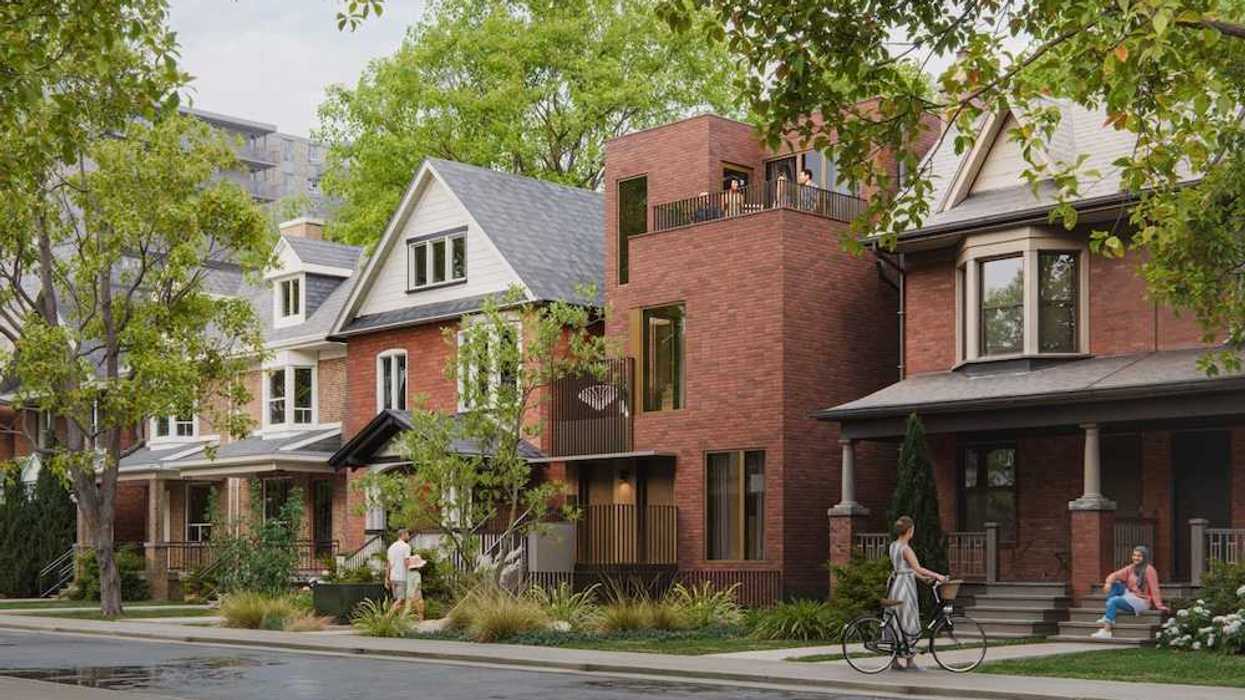
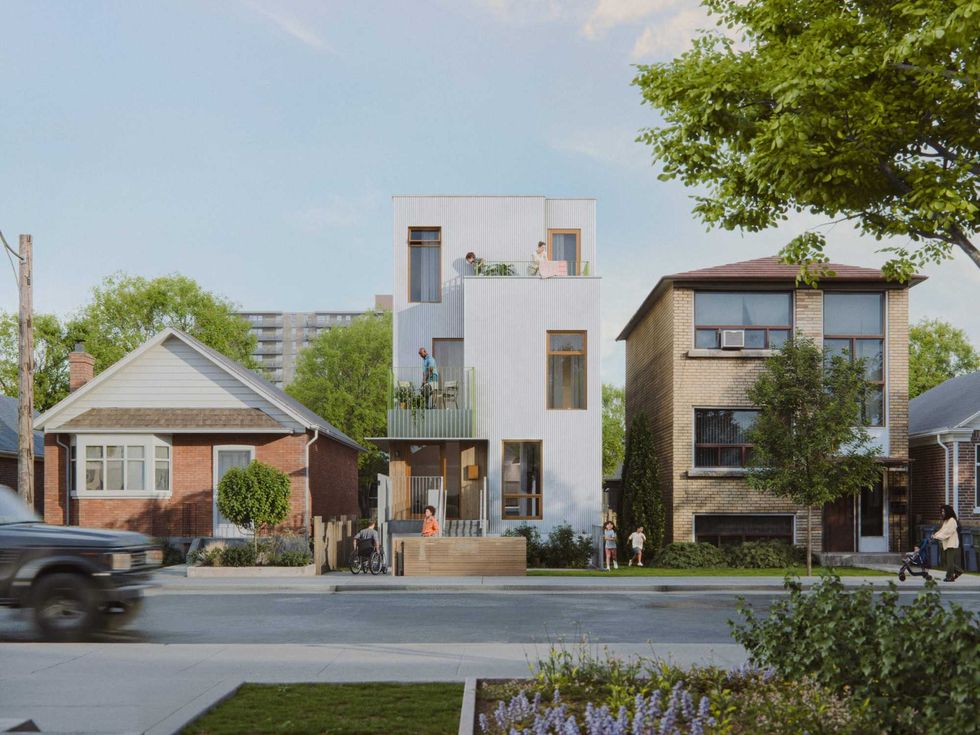 Narrow Fourplex (City of Toronto)
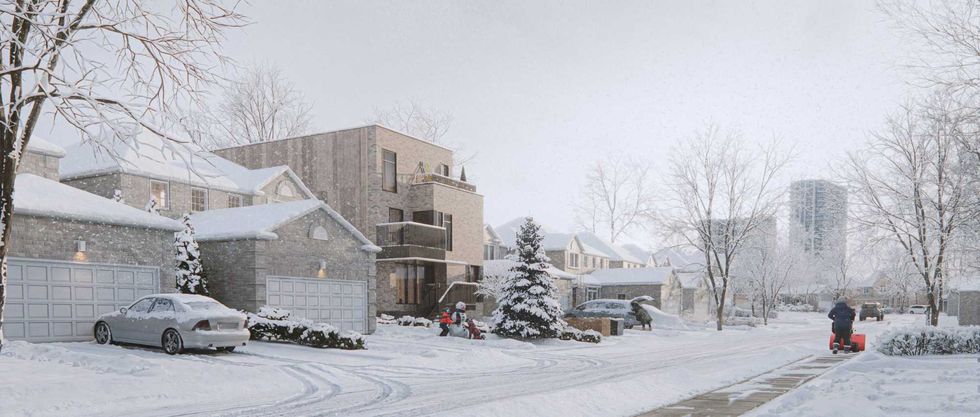 Wide Sixplex - Side View (City of Toronto)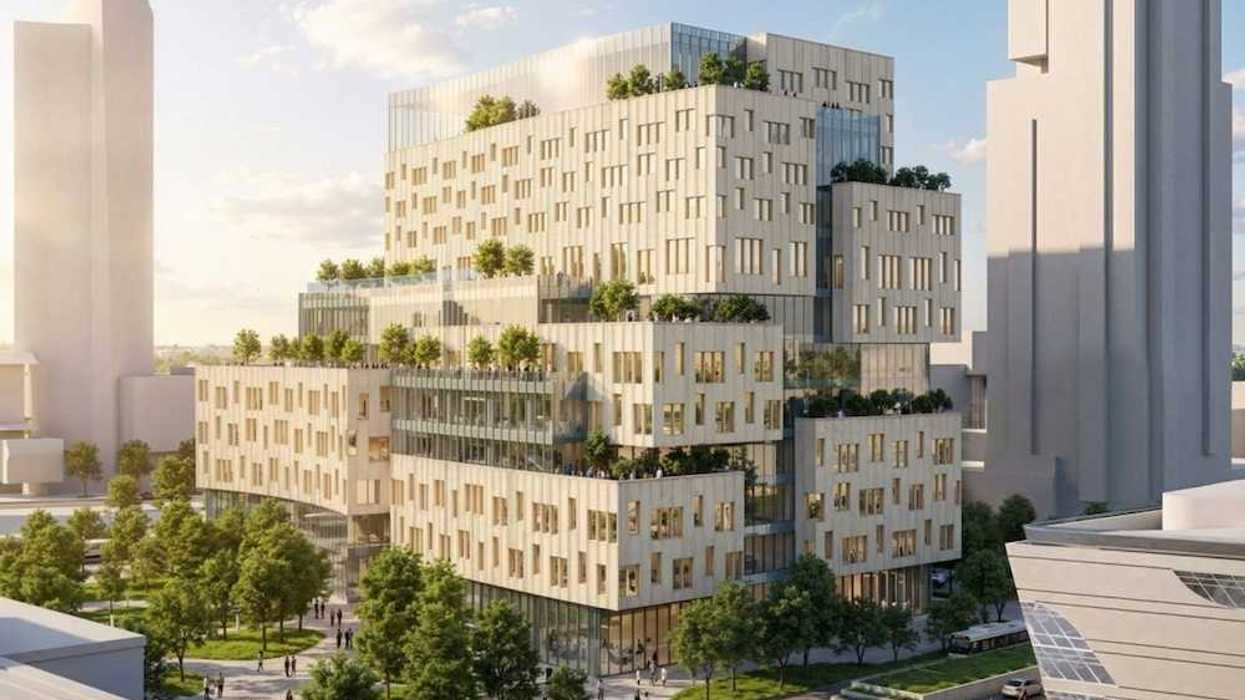
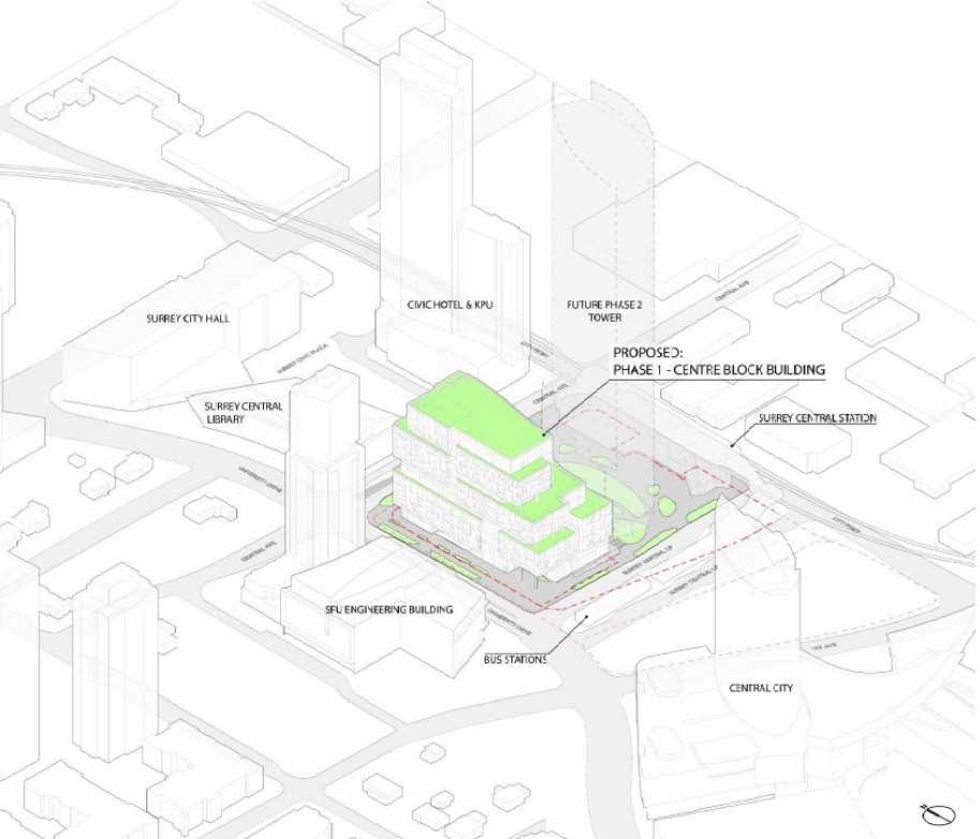 Centre Block and its surrounding context. (Stantec-Revery, SCDC)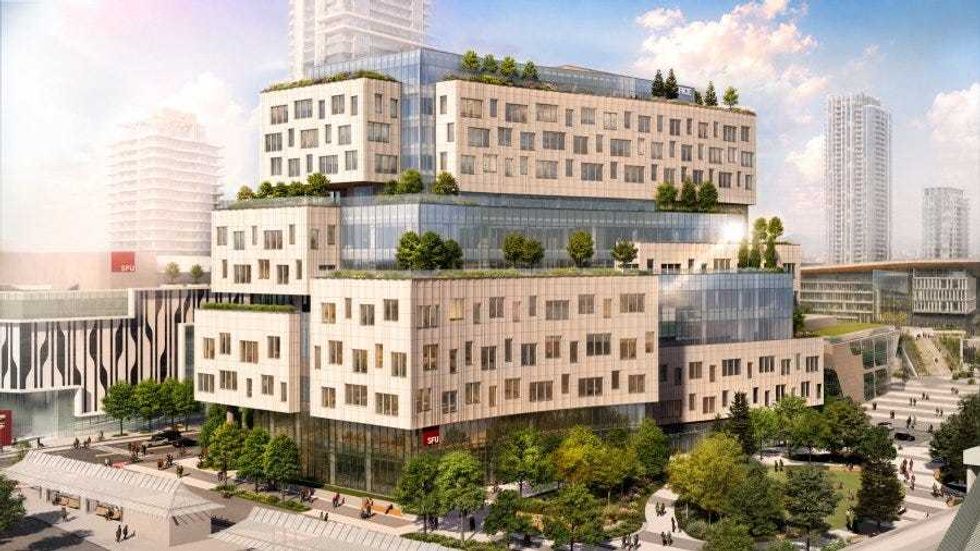
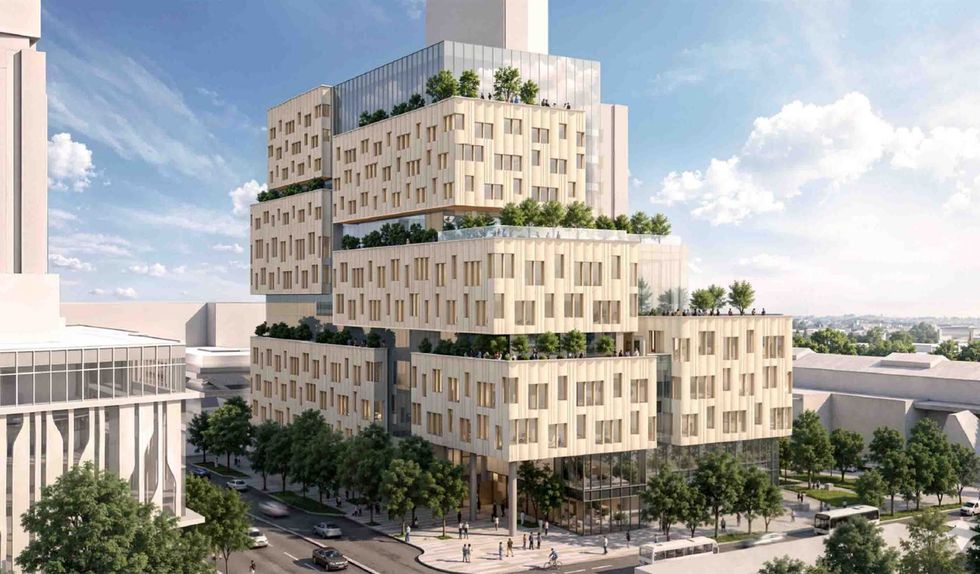 The 12-storey Phase One of Centre Block. (Stantec-Revery, SCDC)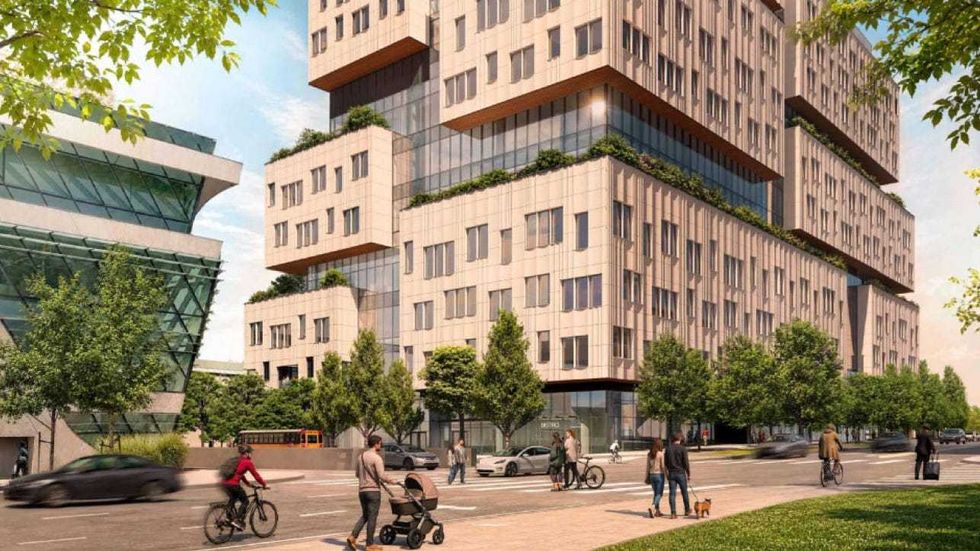
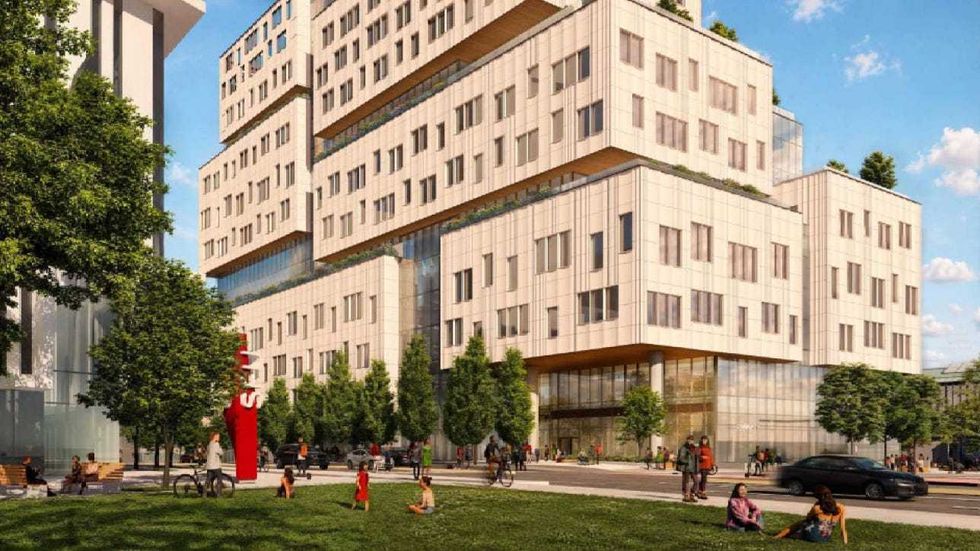 The 12-storey Phase One of Centre Block. (Stantec-Revery, SCDC)
 Mondria One, set for 1607 King Street East in Clarington, Ontario. (ICON Architects Inc., Monde Development Group)