Operating Costs

Explore operating costs in Canadian real estate: what they include, how they’re passed to tenants, and how they impact profitability and valuation.

Operating Costs

June 16, 2025


What are Operating Costs?

Operating costs are the recurring expenses associated with owning and managing a property, including taxes, insurance, utilities, repairs, and property management fees.

Why Operating Costs Matter in Real Estate

In Canadian real estate, operating costs influence rent levels, investment returns, and budgeting for both commercial and residential properties.


Typical operating costs include:
  • Property taxes
  • Building insurance
  • Utilities (heat, water, electricity)
  • Maintenance and repairs
  • Management fees


In commercial leases, these costs are often passed through to tenants in full or in part, depending on lease structure (e.g., triple net or gross).


Understanding operating costs helps buyers, tenants, and landlords accurately project cash flow and value properties effectively.

Example of Operating Costs in Action

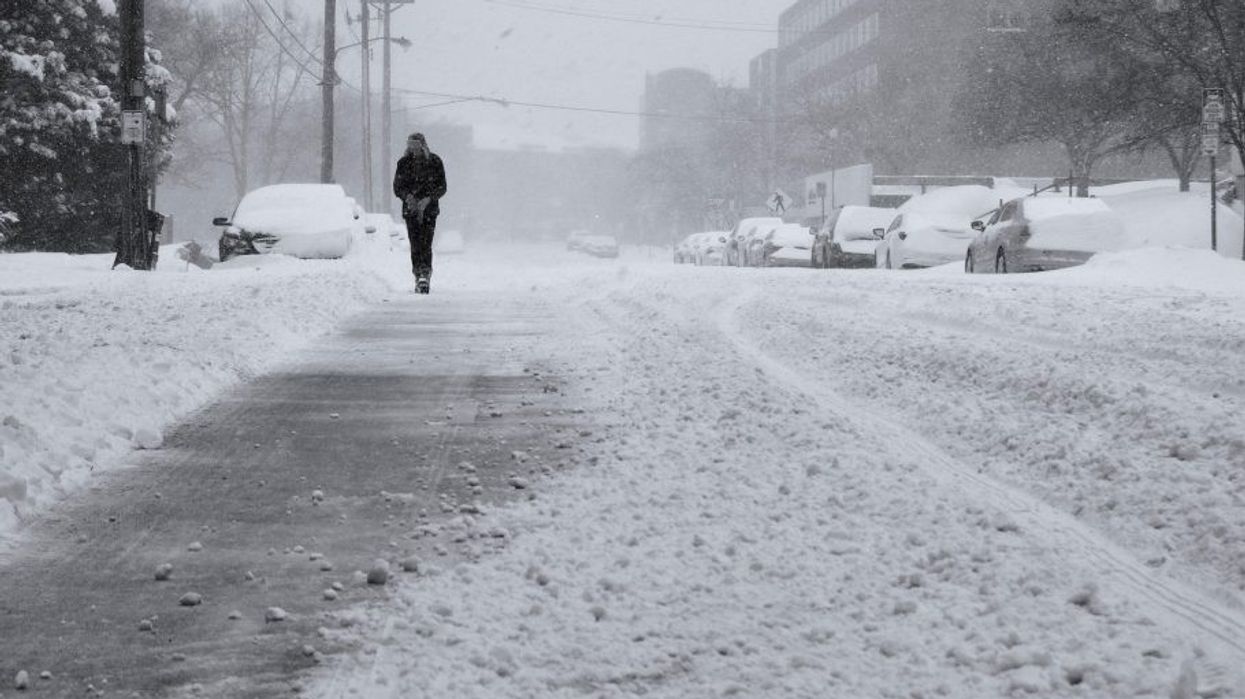
The landlord includes snow removal and building insurance in the operating costs billed back to the retail tenant under their net lease.

Key Takeaways

  • Includes recurring property-related expenses
  • Affects profitability and tenant charges
  • Varies by lease type and property use
  • Must be factored into financial planning
  • Important for both owners and tenants

Related Terms

Additional Terms

Public Realm Improvements

Public realm improvements are enhancements to public spaces such as sidewalks, parks, plazas, and streetscapes, often funded or contributed by. more

Mortgagee in Possession

A mortgagee in possession is a lender who takes control of a property after borrower default, but before foreclosure or power of sale. The lender. more

Lease Surrender Agreement

A lease surrender agreement is a negotiated contract between a landlord and tenant that ends a lease before its scheduled expiration. Terms may. more

Green Infrastructure

Green infrastructure refers to natural or engineered systems that manage stormwater, reduce heat, and improve sustainability in developments.. more

Escrow Holdback

An escrow holdback is a portion of funds withheld at closing and held in escrow until specific conditions are met, such as completion of repairs,. more

Underused Housing Tax

The Underused Housing Tax (UHT) is a federal annual 1% tax on the value of vacant or underused residential property owned by non-resident,. more

More For You

Canderel Breaks Ground On Forêt Forest Hill With Five-Bank Financing In Place

(liveatforet.ca)

At Bathurst and St. Clair, Canderel has officially started construction on Forêt Forest Hill — its three-tower, master-planned community in midtown Toronto.

The development has secured construction financing from a consortium of five major Canadian banks led by CIBC, with National Bank, TD, Desjardins, and Laurentian Bank rounding out the group.

Keep Reading Show less
The 6 Key Takeaways From CMHC's 2026 Mid-Year Rental Market Update

(CMHC)

Last week, Rentals.ca published their latest rental market report, noting that the average asking rent in Canada declined by 4.7% year over year in May, marking the 20th consecutive month to see a year-over-year decline.

“Since reaching a low of $1,662 in April 2021 during COVID-19, average rents have risen 22.1%, but have declined 7.8% from the high of $2,202 in May 2024,” they said.

Keep Reading Show less
Ontario Brokerages Required To File Finances With RECO Starting This Fall
Shutterstock

Ontario real estate brokerages are getting a new piece of homework, courtesy of their regulator.

Starting October 1, 2026, every brokerage in the province will have to attest to and submit an annual financial filing to the Real Estate Council of Ontario (RECO) — a requirement meant to give RECO a clearer, more consistent look at how brokerages manage money, and specifically the funds they're holding in trust on behalf of buyers and sellers.

Keep Reading Show less
Spring Market At Last? Canadian Home Sales Jumped 5.5% In May
Shutterstock

After a spring that never quite got going, the Canadian housing market found a gear in May.

Home sales across Canadian MLS® Systems rose 5.5% from April, according to the Canadian Real Estate Association (CREA) — the first month in 2026 to post any meaningful upward momentum in headline demand.

Keep Reading Show less
Toronto Rail Yards Would Bring 4,000 Homes To Downtown Rail Corridor

Fengate

What do New York City’s Hudson Yards, Chicago’s Millennium Park, and Paris’s Rive Gauche have in common? They’re all built directly on top of active railway lines. And Toronto has fresh plans to do the same – this time, as a brand-new mixed-use community rather than a standalone park.

For years, what to do with the airspace above the Union Station rail corridor has been a hot topic. Former Toronto mayor John Tory famously proposed Rail Deck Park – a 21-acre green space with a $1.7 billion price tag – back in 2016. Now, following several years of planning and ownership consolidation, the LiUNA Pension Fund of Central and Eastern Canada and master developer Fengate Asset Management have unveiled reworked plans for an entire mixed-use community called Toronto Rail Yards.

Keep Reading Show less
Coast Mental Health Planning 29-Storey Social Housing Tower In Mount Pleasant

The proposal for 259-293 E 11th Ave and 216 Kingsway in Vancouver. (Diamond Schmitt Architects, Coast Mental Health)

A rezoning application has been submitted for a high-rise mixed-use tower in Vancouver that's residential space would consist entirely of social housing.

The subject site of the proposal is 259-293 East 11th Avenue and 216 Kingsway, located on the western side of Sophia Street in the Mount Pleasant neighbourhood, and is part of the Broadway Plan area.

Keep Reading Show less
Bank Of Canada Holds Interest Rate At 2.25%

The Bank of Canada held its overnight rate at 2.25% on June 10, citing a mix of domestic weakness and global turbulence that has complicated the economic outlook.

Canada's GDP slipped 0.1% in Q1, weaker than the Bank had projected in April, and the economy is expected to remain in excess supply even as growth rebounds modestly in Q2.

Keep Reading Show less
Vancouver Plan To Pre-Zone 17 Villages Set For Public Hearing

(City of Vancouver)

After approving the Vancouver Plan in 2022, the City of Vancouver adopted the Vancouver Official Development Plan (ODP) on March 31, 2026, which replaces the 2022 plan as the guide for how Vancouver will grow over the next 30 years.

The Vancouver ODP categorizes areas of Vancouver into several neighbourhood designations based on “the type, scale, and intensity of change envisioned”: Metro Core/Broadway, Municipal Town Centre, Rapid Transit Area, Neighbourhood Centre, Multiplex Area, Rapid-Transit Overlap Areas, and Villages.

Keep Reading Show less