Budgeting
Learn about budgeting in Canadian real estate — how it supports property management, planning, and financial health.

June 27, 2025
What is Budgeting?
Budgeting in real estate refers to the process of forecasting and managing income and expenses associated with owning, operating, or developing a property.
Why Budgeting Matters in Real Estate
In Canadian real estate, effective budgeting ensures financial stability, supports maintenance planning, and informs investment decisions.
A property budget typically includes:
- Operating costs (e.g., taxes, utilities)
- Reserve fund contributions
- Debt service and financing costs
- Capital expenditure plans
Budgeting is crucial for property managers, condo boards, landlords, and developers to plan for both routine expenses and unexpected repairs.
Example of Budgeting in Action
The property manager prepared an annual budget including capital reserve contributions and projected operating costs for the apartment complex.
Key Takeaways
- Forecasts property-related income and expenses
- Essential for financial stability
- Informs maintenance and capital planning
- Supports transparent property management
- Key for condo boards and landlords
Related Terms
- Capital Expenditures
- Operating Costs
- Reserve Fund
- Property Management
- Special Assessment












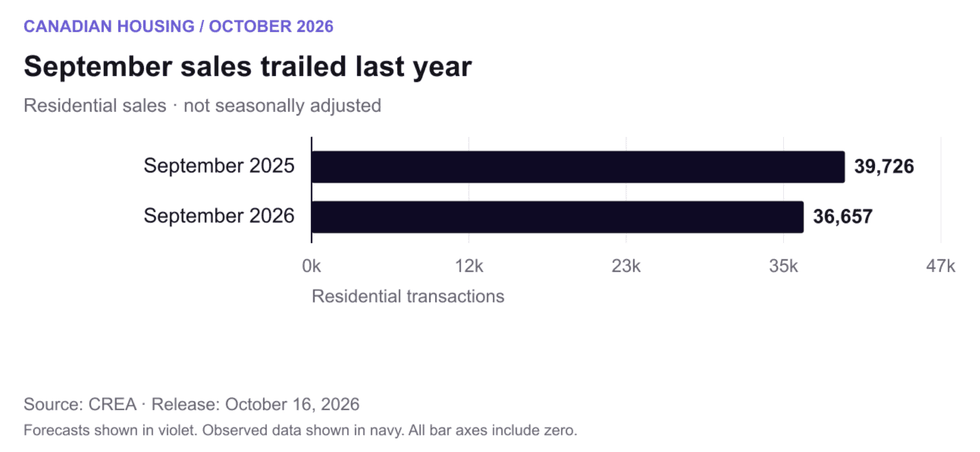 September residential sales, not seasonally adjusted; the annual comparison uses CREA’s revised figures. Chart:
 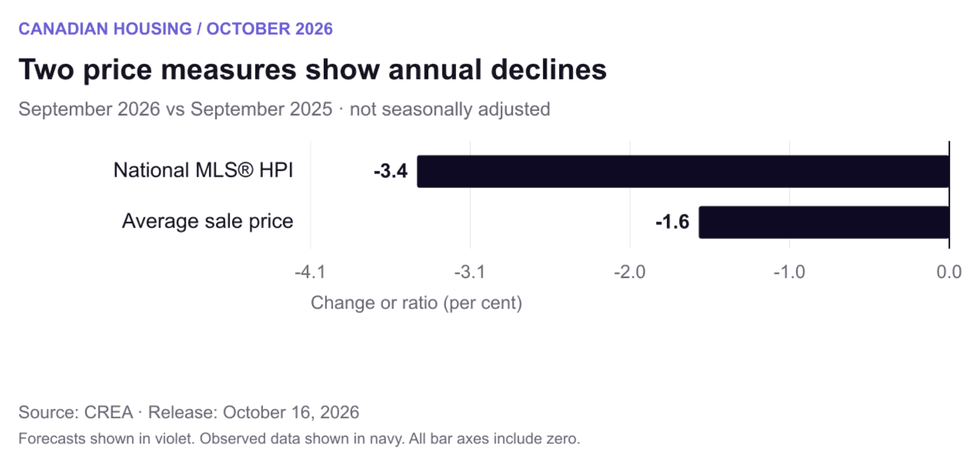 Annual changes in the unadjusted national MLS® HPI and average sale price. The average is affected by the mix of transactions. Chart:
 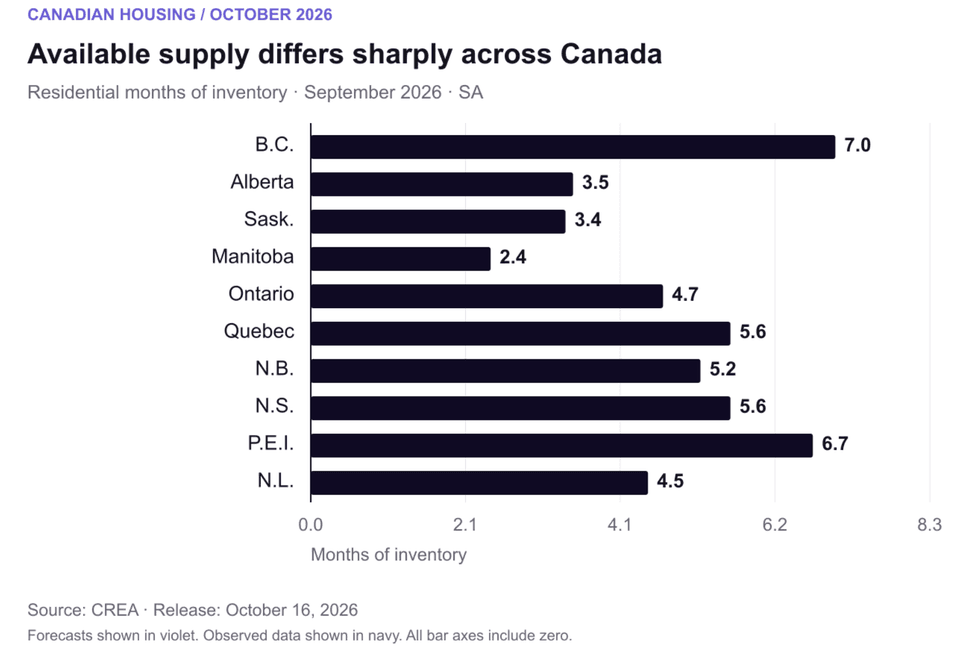 Seasonally adjusted residential months of inventory by province. Local property types can differ substantially. Chart:
 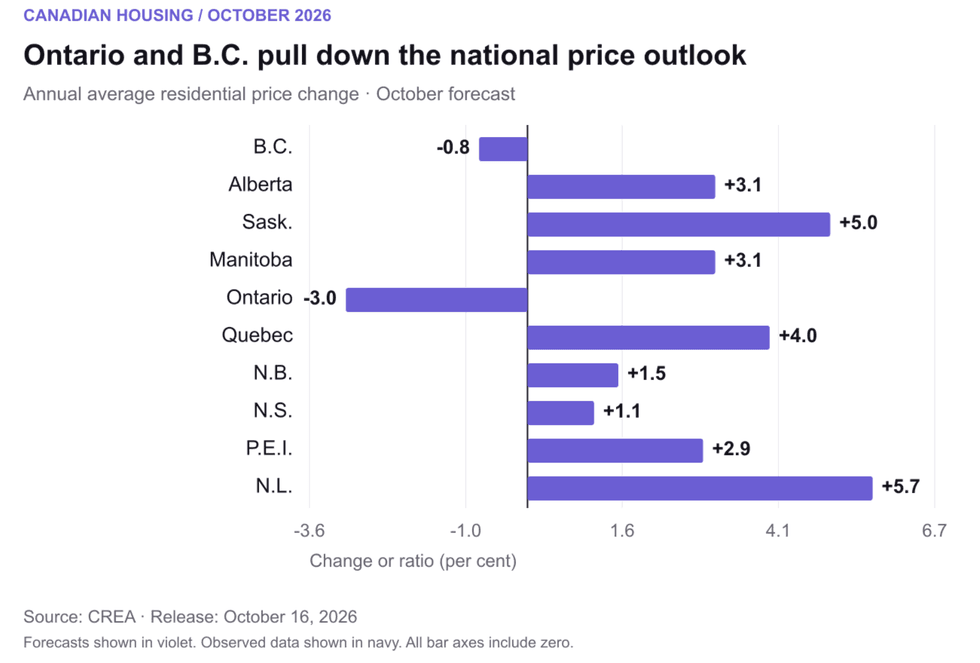 Ontario and B.C. are the two provinces with forecast annual average-price declines in 2026. Chart:
 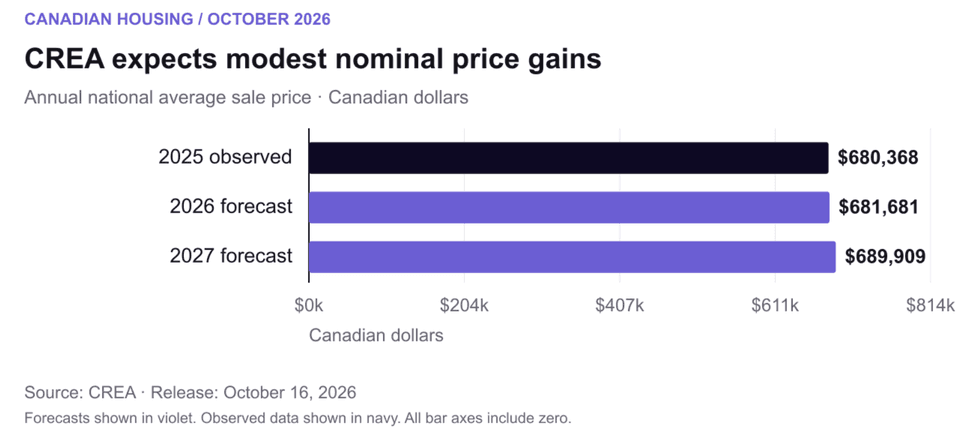 Annual average transaction prices in Canadian dollars. Forecast values are not December price targets. Chart:
 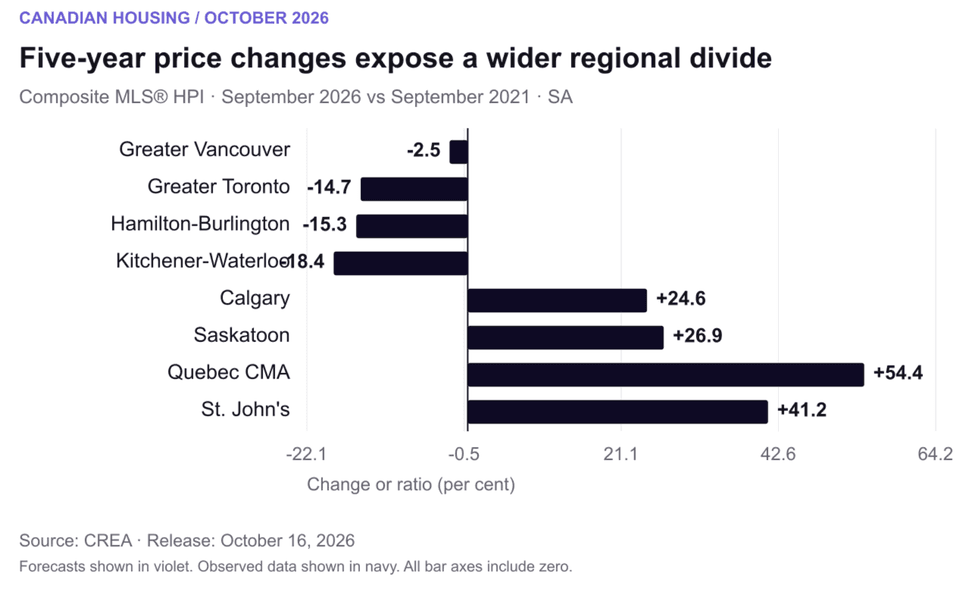 Five-year changes in seasonally adjusted composite MLS® HPI benchmarks, September 2021 to September 2026. Chart: