Environmental Assessment
Explore environmental assessments in Canadian real estate — what they include, when they’re needed, and how they guide development and land use decisions.

June 06, 2025
What is an Environmental Assessment?
An environmental assessment is a formal process used to evaluate the environmental impacts of a proposed real estate development or land use change.
Why Environmental Assessments Matter in Real Estate
In Canadian real estate, environmental assessments are often required for large developments, infrastructure projects, or when contamination is suspected.
Assessments include:
- Phase I (historical use review)
- Phase II (sampling/testing for contaminants)
- Phase III (remediation planning if necessary)
These studies help ensure environmental safety, protect public health, and determine land suitability for intended use. They also influence zoning, permitting, and financing decisions.
Understanding environmental assessments is critical for developers, buyers, and lenders evaluating potential risk or liability.
Example of an Environmental Assessment in Action
Before purchasing an industrial site, the buyer commissions a Phase I environmental assessment to identify potential soil or groundwater contamination.
Key Takeaways
- Required for many developments
- Identifies contamination and risk
- Conducted in three escalating phases
- Impacts zoning and financing
- Promotes safe, sustainable land use
Related Terms
- Zoning
- Floodplain
- Soil Conditions
- Property Use History
- Site Remediation

 The Mason Suite Interior (Infinity Properties)
 The Mason Suite Interior (Infinity Properties)
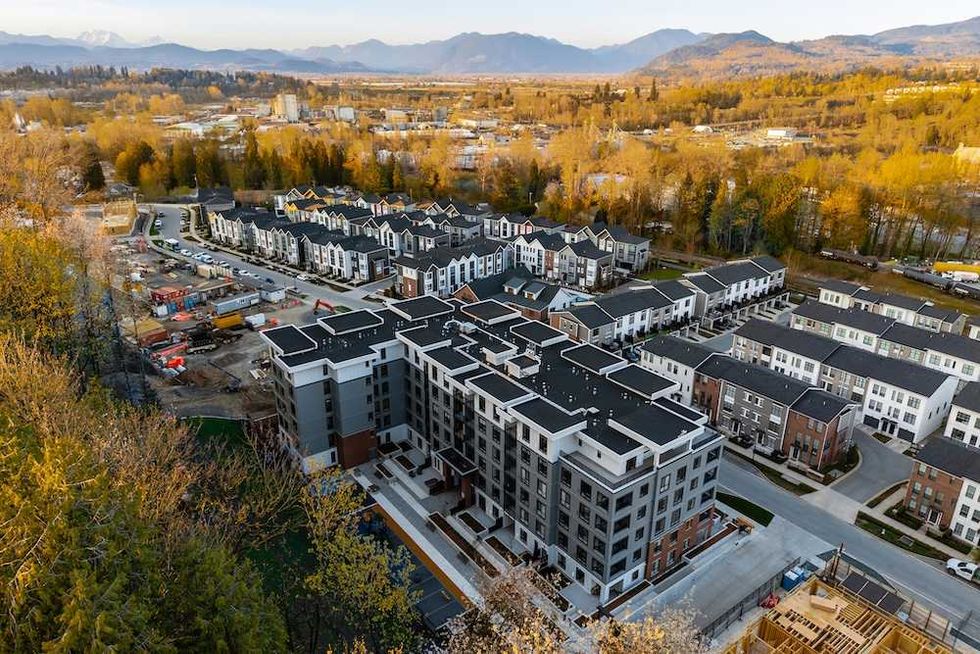 Rail District aerial (Infinity Properties)
 Versant (Infinity Properties)








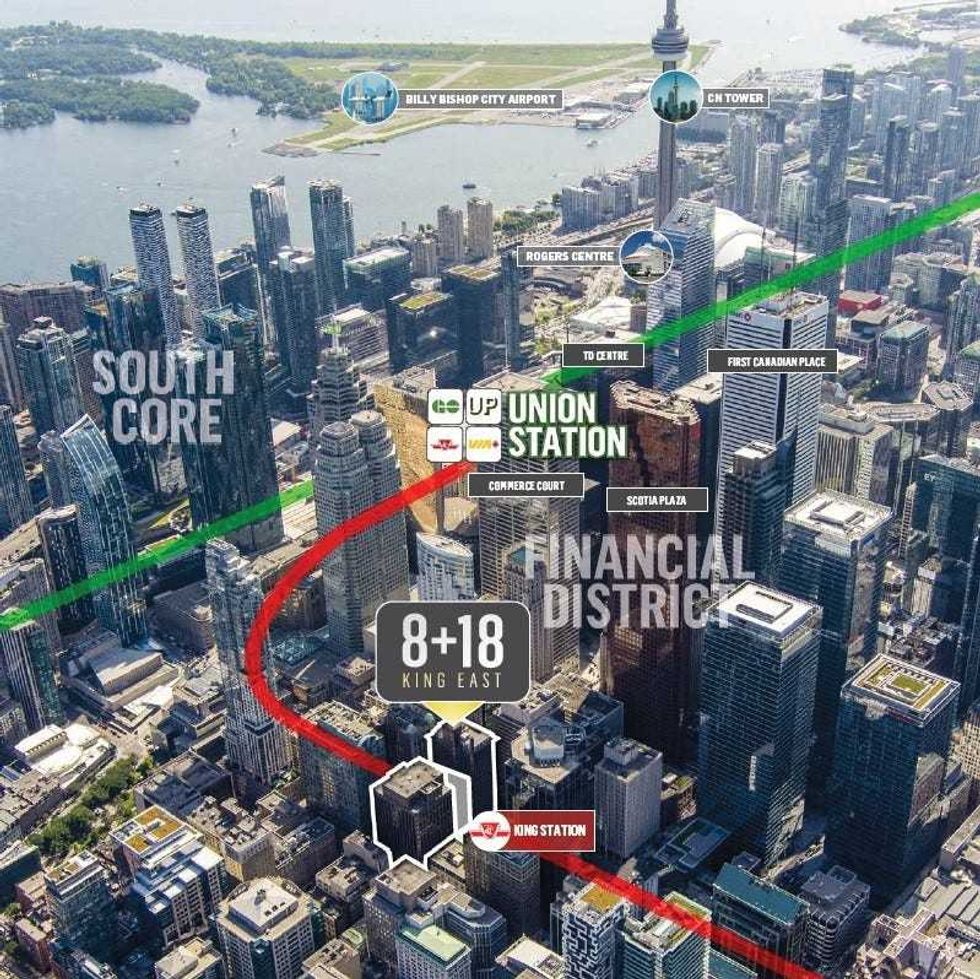 8 and 18 King Street East in Toronto. (RBC Capital Markets Realty)
 Interior photos of 8 and 18 King Street East. (RBC Capital Markets Realty)

 Narrow Fourplex (City of Toronto)
 Wide Sixplex - Side View (City of Toronto)