Site Remediation
Discover what site remediation involves in Canadian real estate — why it’s required, what the process entails, and how it affects property development.
June 23, 2025
What is Site Remediation?
Site remediation is the process of cleaning up contaminated land to meet environmental standards and make the property safe for use or redevelopment.
Why Site Remediation Matters in Real Estate
In Canadian real estate, site remediation is often required after an environmental assessment identifies soil or groundwater contamination, especially for commercial or industrial properties.
Remediation steps may include:
- Excavation and removal of contaminated soil
- Groundwater treatment
- Installation of containment barriers
- Ongoing monitoring and reporting
Municipalities and environmental regulators may require a Record of Site Condition (RSC) before development can proceed.
Understanding site remediation is critical for developers, lenders, and buyers investing in infill, brownfield, or legacy-use properties.
Example of Site Remediation in Action
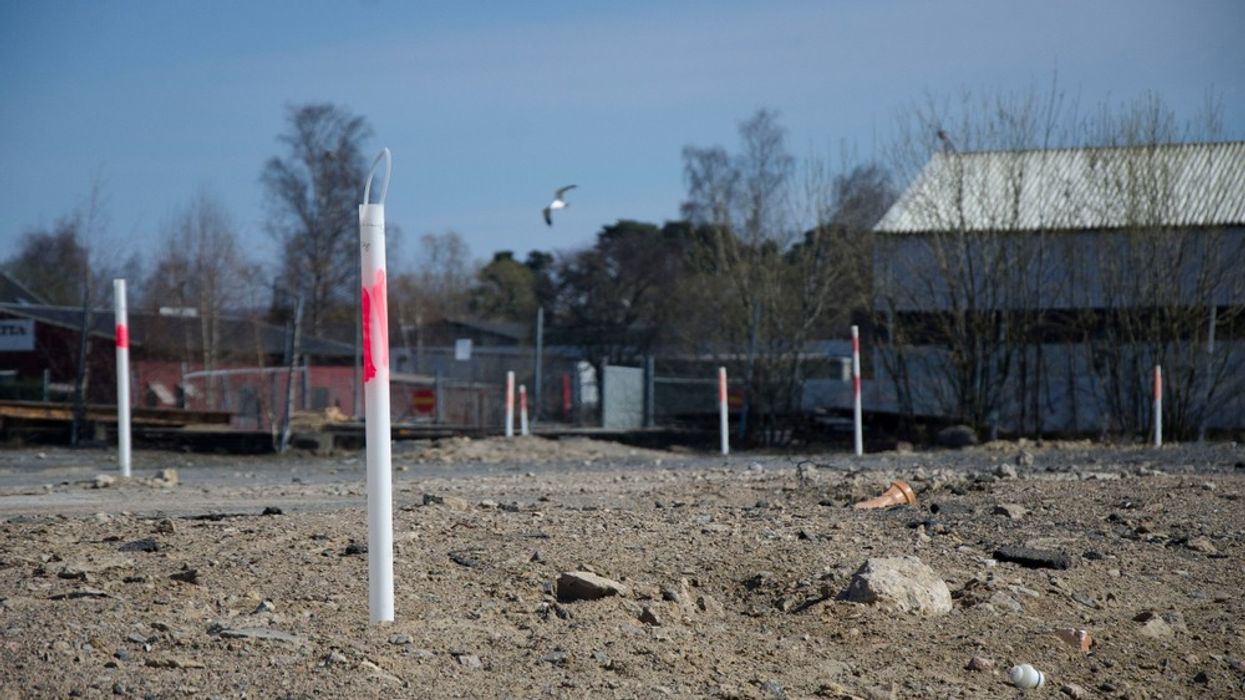
The developer hires an environmental firm to conduct site remediation on a former gas station lot before applying for building permits.
Key Takeaways
- Cleans up contaminated land for safe use
- Required for many commercial redevelopments
- Triggered by environmental assessments
- Involves removal, treatment, or containment
- May impact permitting and land value
Related Terms
- Environmental Assessment
- Brownfield
- Property Use History
- Zoning
- Record of Site Condition (RSC)


 8 and 18 King Street East in Toronto. (RBC Capital Markets Realty)
 Interior photos of 8 and 18 King Street East. (RBC Capital Markets Realty)







 Narrow Fourplex (City of Toronto)
 Wide Sixplex - Side View (City of Toronto)

 Via STOREYS Editorial team