Record of Site Condition (RSC)
Understand what a Record of Site Condition (RSC) is in Canadian real estate — when it’s needed, how it’s obtained, and why it protects buyers and developers.

June 27, 2025
What is a Record of Site Condition?
A Record of Site Condition (RSC) is a formal document filed with a provincial environmental authority certifying that a property meets required environmental standards for its intended use.
Why a Record of Site Condition Matters in Real Estate
In Canadian real estate, particularly Ontario, an RSC provides assurance for lenders, buyers, and regulators when redeveloping or changing the use of a property (e.g., industrial to residential).
An RSC typically follows:
- Environmental site assessments (ESA Phase I/II)
- Required remediation work
- Professional certification by a qualified person
Without an RSC, redevelopment approvals or financing may be delayed or denied.
Understanding RSCs helps developers and buyers manage environmental liability and regulatory compliance.
Example of a Record of Site Condition in Action
Before redeveloping the former factory site, the developer filed an RSC confirming the land was remediated and met residential standards.
Key Takeaways
- Certifies a property meets environmental standards
- Required for some redevelopments or zoning changes
- Follows site assessments and cleanup
- Essential for lender and regulatory approval
- Reduces environmental liability
Related Terms
- Environmental Assessment
- Site Remediation
- Brownfield
- Zoning
- Property Use History

 The Mason Suite Interior (Infinity Properties)
 The Mason Suite Interior (Infinity Properties)
 Rail District aerial (Infinity Properties)
 Versant (Infinity Properties)








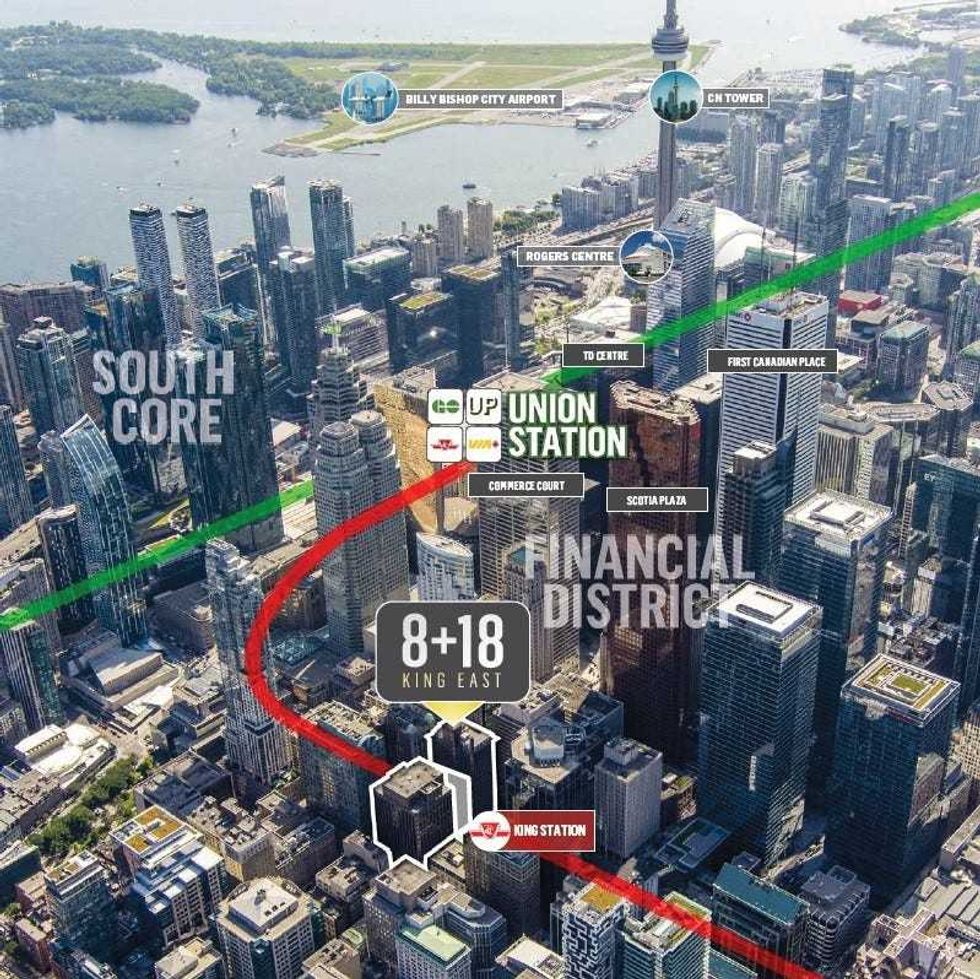 8 and 18 King Street East in Toronto. (RBC Capital Markets Realty)
 Interior photos of 8 and 18 King Street East. (RBC Capital Markets Realty)

 Narrow Fourplex (City of Toronto)
 Wide Sixplex - Side View (City of Toronto)