Property Use History
Learn about property use history in Canadian real estate: why it matters, how it's assessed, and what it reveals about environmental or legal risks.

June 16, 2025
What is Property Use History?
Property use history refers to the documented past uses, functions, and occupancy of a property, which may affect environmental risk, zoning, or redevelopment potential.
Why Property Use History Matters in Real Estate
In Canadian real estate, reviewing property use history is a key step in due diligence, particularly for industrial, commercial, or infill residential sites.
A property’s historical use may:
- Reveal former industrial or contaminated activity
- Determine grandfathered zoning or easements
- Influence valuation or insurance availability
- Affect environmental assessment requirements
Historical records are often reviewed during title searches or Phase I environmental site assessments.
Understanding property use history helps buyers and developers assess risk, suitability, and any hidden liabilities before acquisition or redevelopment.
Example of Property Use History in Action
A Phase I environmental assessment reveals the property was once a dry cleaner, prompting a Phase II investigation due to the property’s use history.
Key Takeaways
- Reveals past uses of land or structures
- May uncover contamination or legal restrictions
- Influences environmental due diligence
- Important for commercial and redevelopment sites
- Informs zoning and permitting decisions
Related Terms
- Environmental Assessment
- Site Remediation
- Title Search
- Zoning
- Easement
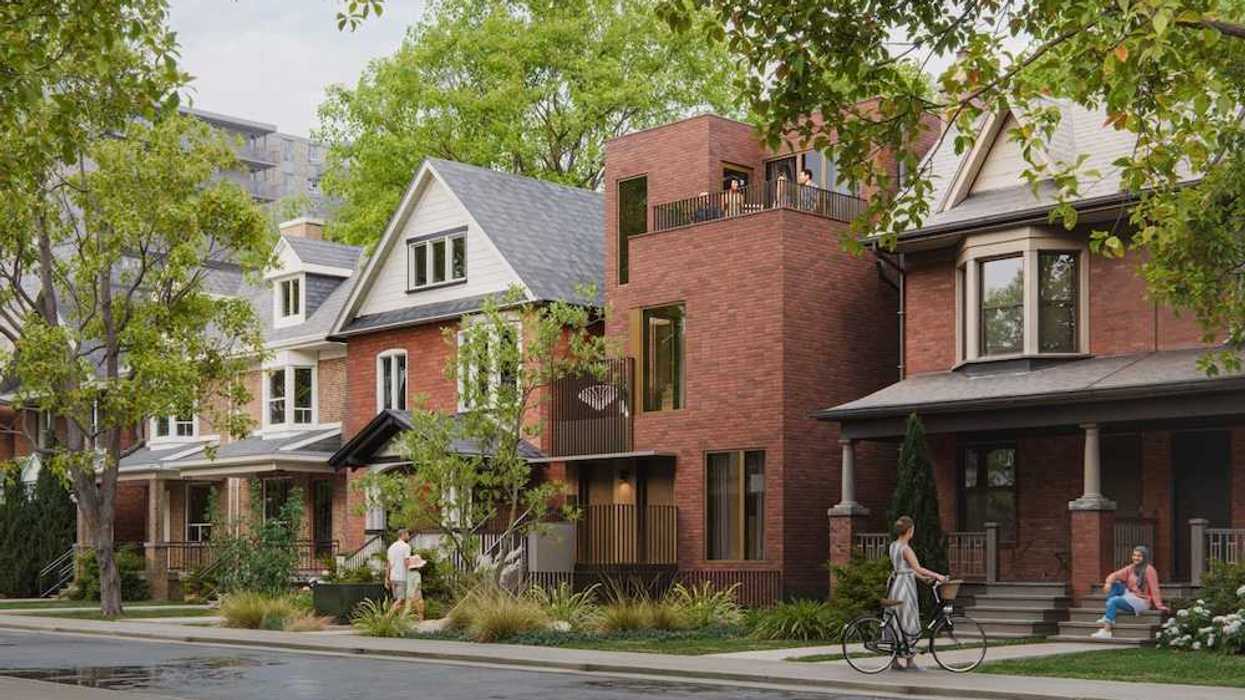
 Narrow Fourplex (City of Toronto)
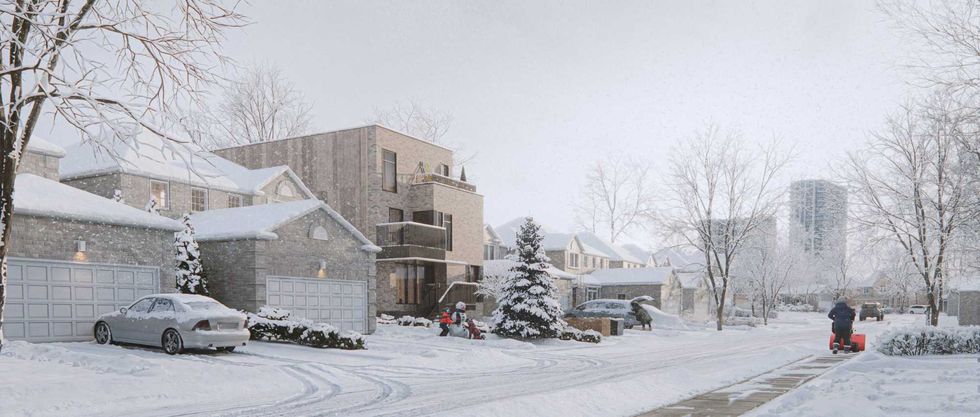 Wide Sixplex - Side View (City of Toronto)
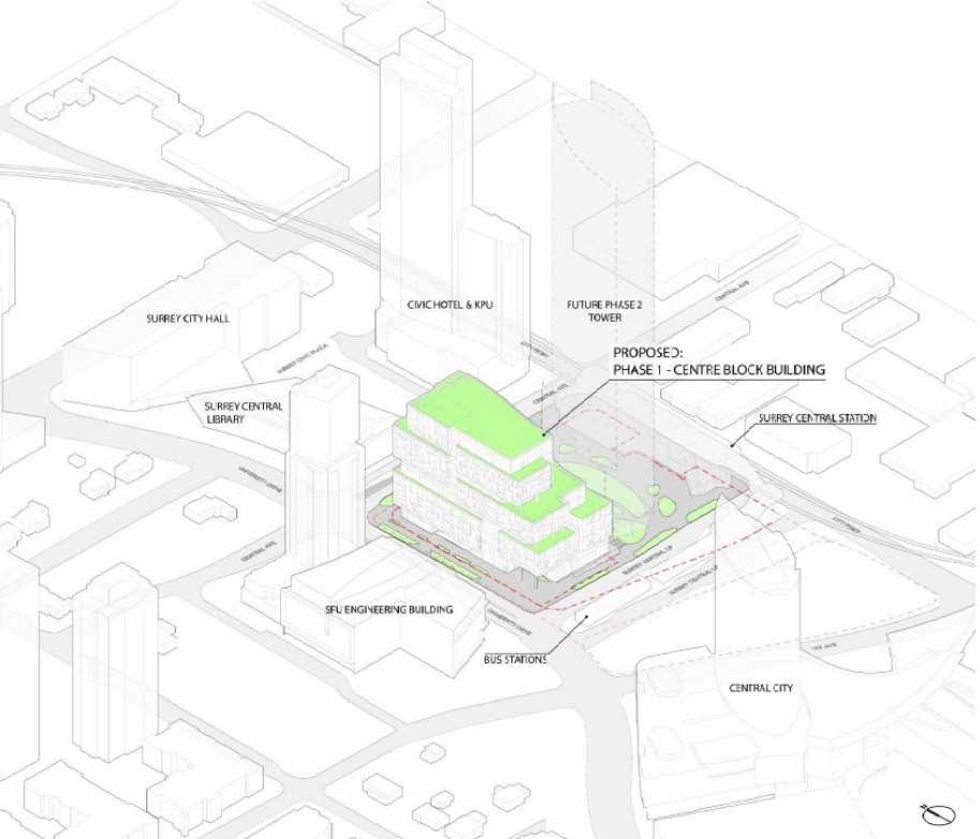 Centre Block and its surrounding context. (Stantec-Revery, SCDC)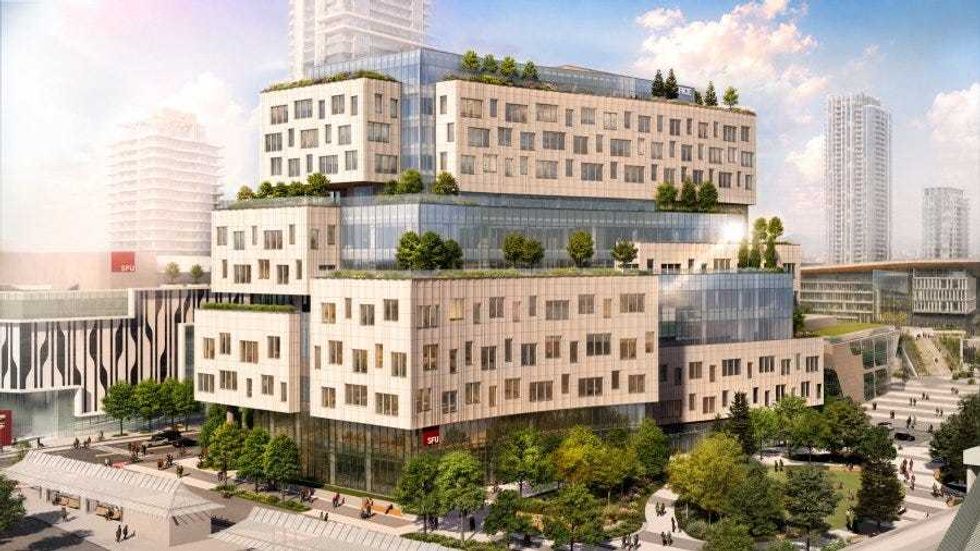
 The 12-storey Phase One of Centre Block. (Stantec-Revery, SCDC)
 The 12-storey Phase One of Centre Block. (Stantec-Revery, SCDC)




 Via STOREYS Editorial team
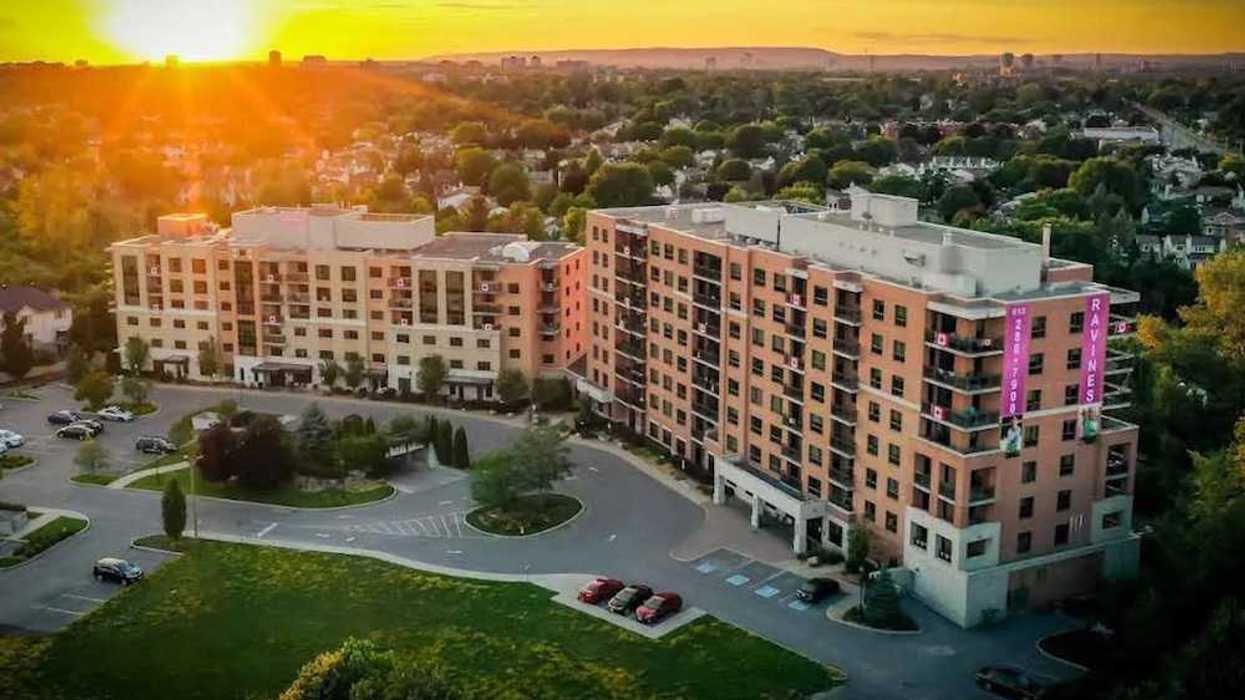
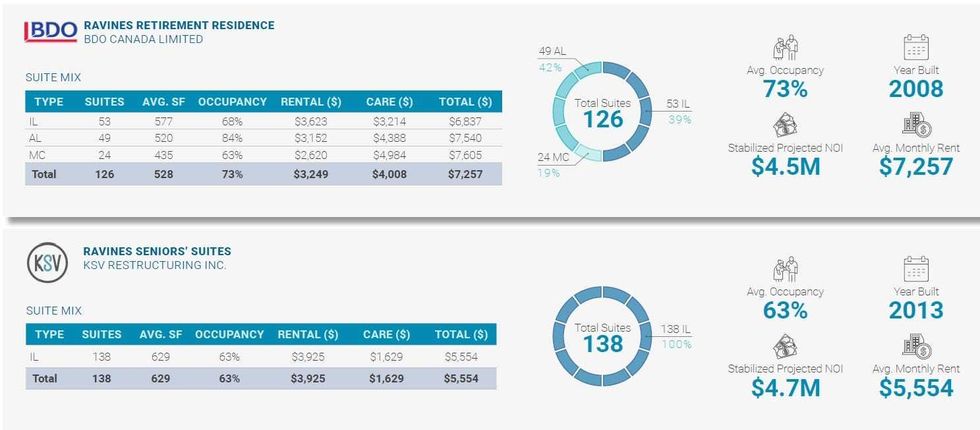 An overview of the two Ravine buildings. (Newmark)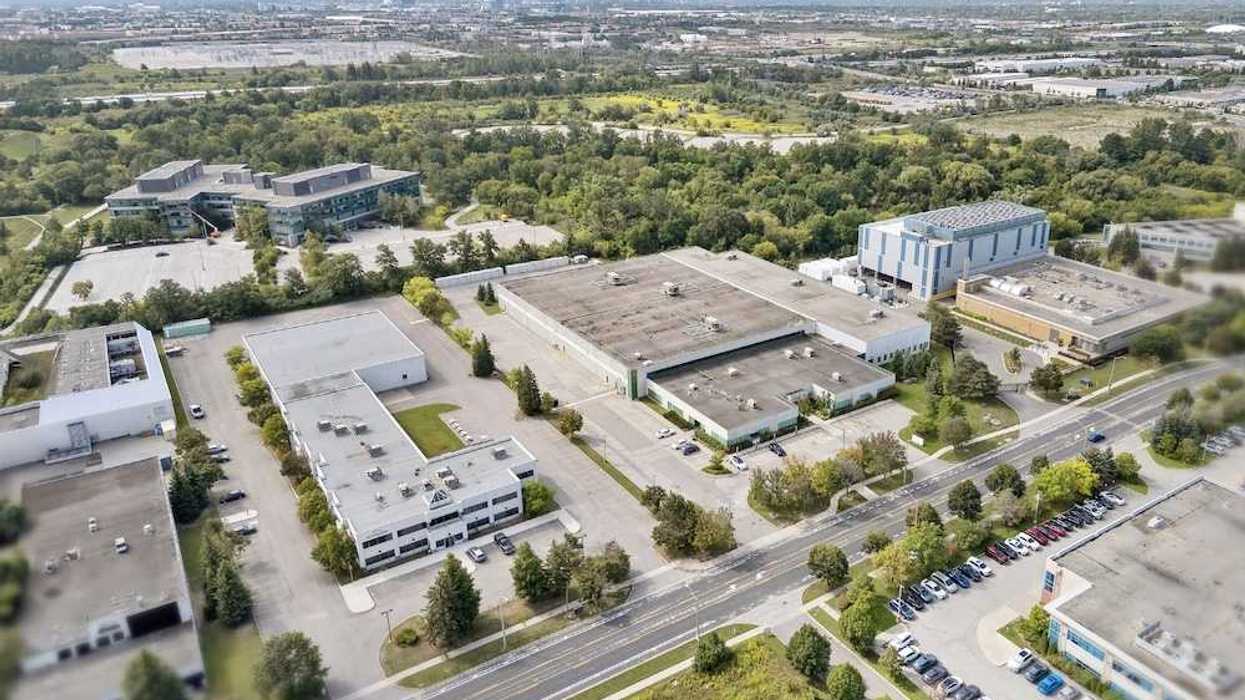
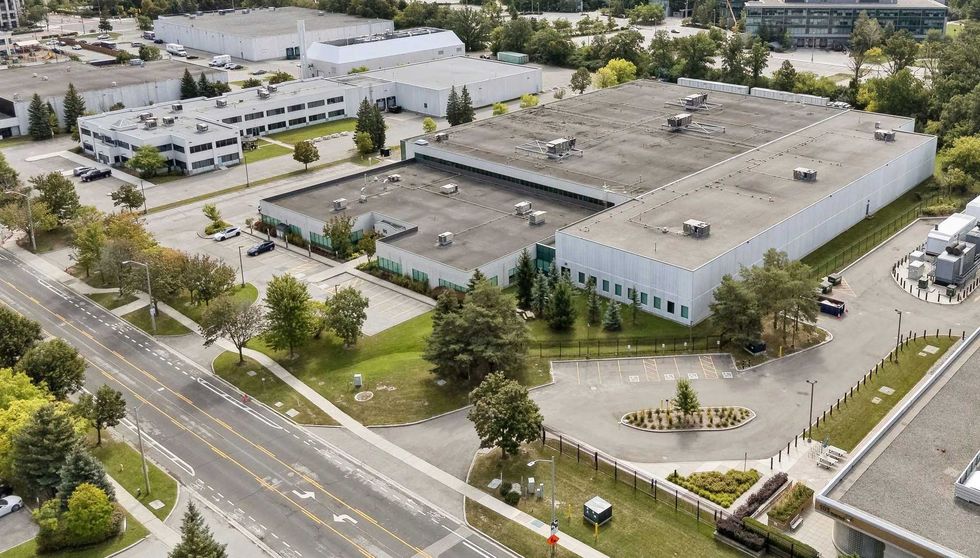 95 Clegg Road in Markham, Ontario. (Colliers)
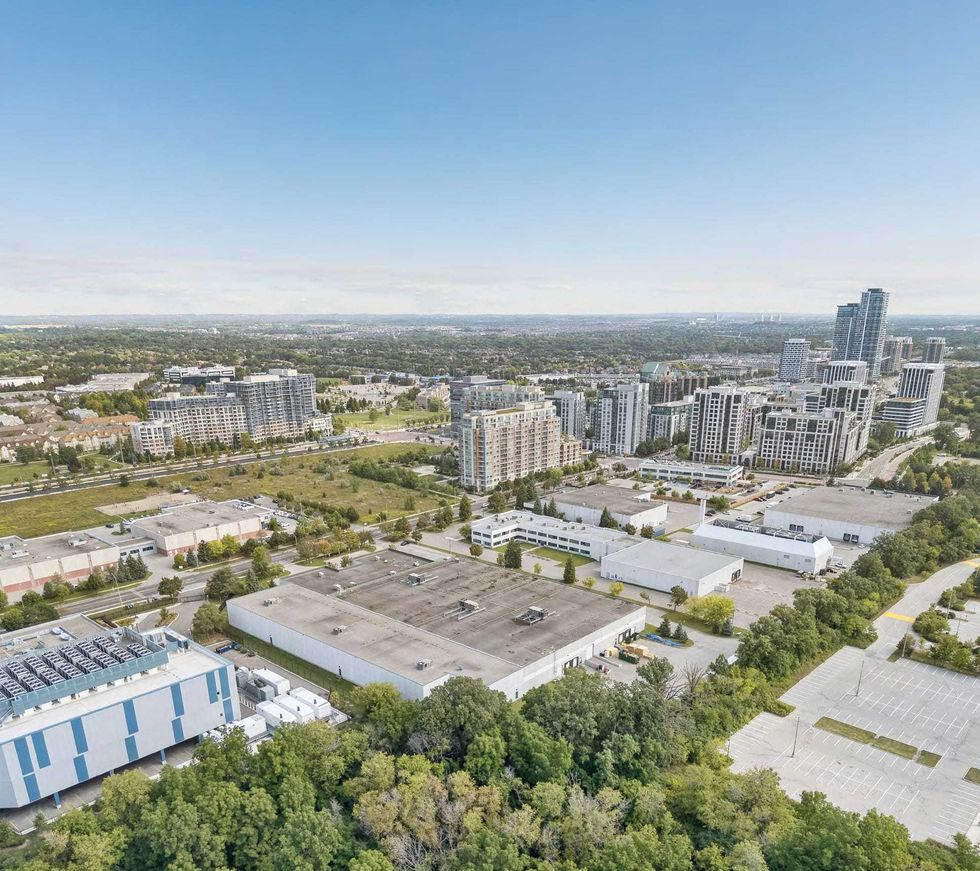 95 Clegg Road (centre) in Markham, Ontario. (Colliers)