Legal Restrictions
Explore how legal restrictions affect Canadian property ownership, including zoning, covenants, and heritage protections, and how to stay compliant.

May 22, 2025
What are Legal Restrictions?
Legal restrictions are binding rules that limit how a property may be used or developed, enforced by governments, regulatory bodies, or private agreements.
Why Legal Restrictions Matter in Real Estate
In Canadian real estate, legal restrictions influence everything from what type of home you can build to how a property can be modified or occupied. These restrictions may come from:- Municipal zoning bylaws
- Subdivision covenants
- Heritage designations
- Easements or right-of-way agreements
- Building code regulations
These constraints can limit renovations, additions, or commercial use, and may affect a property’s resale value. Buyers should investigate legal restrictions during due diligence, often through title searches, zoning checks, and municipal planning offices.
Ignoring or violating legal restrictions can lead to stop-work orders, fines, removal of unauthorized work, or legal disputes. Developers and homeowners must secure proper permits and approvals to stay compliant.
Understanding legal restrictions helps avoid surprises, plan appropriate renovations, and protect the long-term value of a property.
Example of Legal Restrictions
A buyer learns that their property falls within a heritage district, restricting exterior alterations without special municipal approval.
Key Takeaways
- Limits property use and modifications.
- Can originate from laws, agreements, or bylaws.
- Affects renovations, building, and resale.
- Must be reviewed during due diligence.
- Non-compliance carries legal risk.
Related Terms
- Zoning
- Covenant
- Easement
- Building Code
- Permit Approval
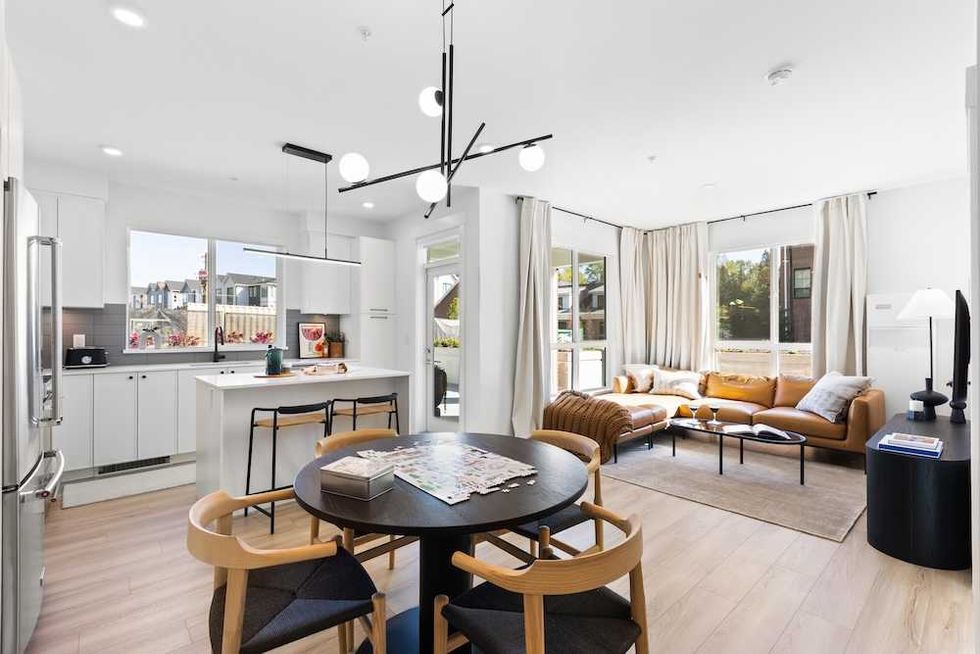 The Mason Suite Interior (Infinity Properties)
 The Mason Suite Interior (Infinity Properties)
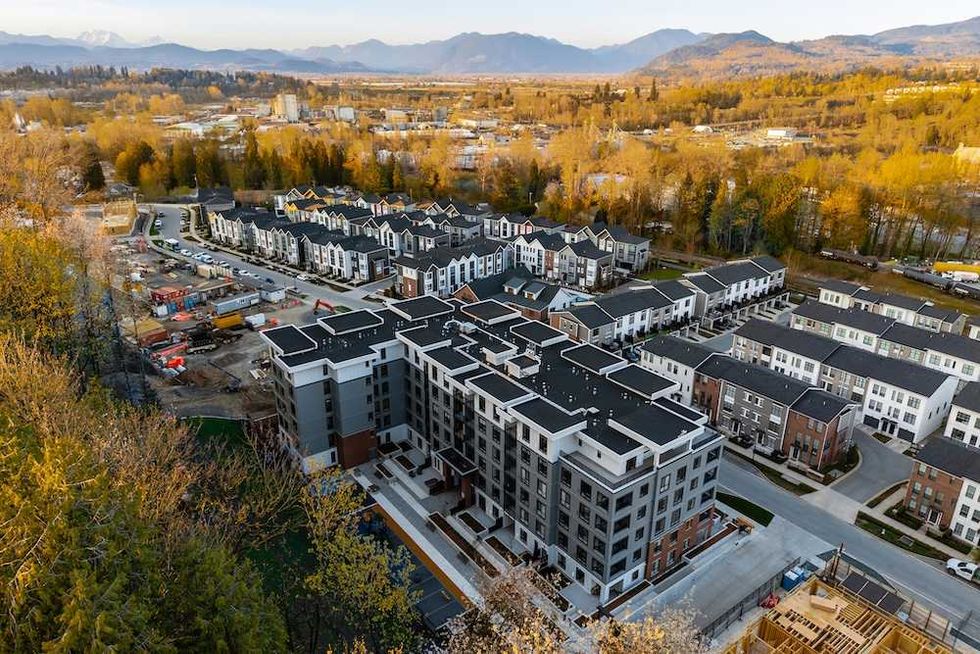 Rail District aerial (Infinity Properties)
 Versant (Infinity Properties)



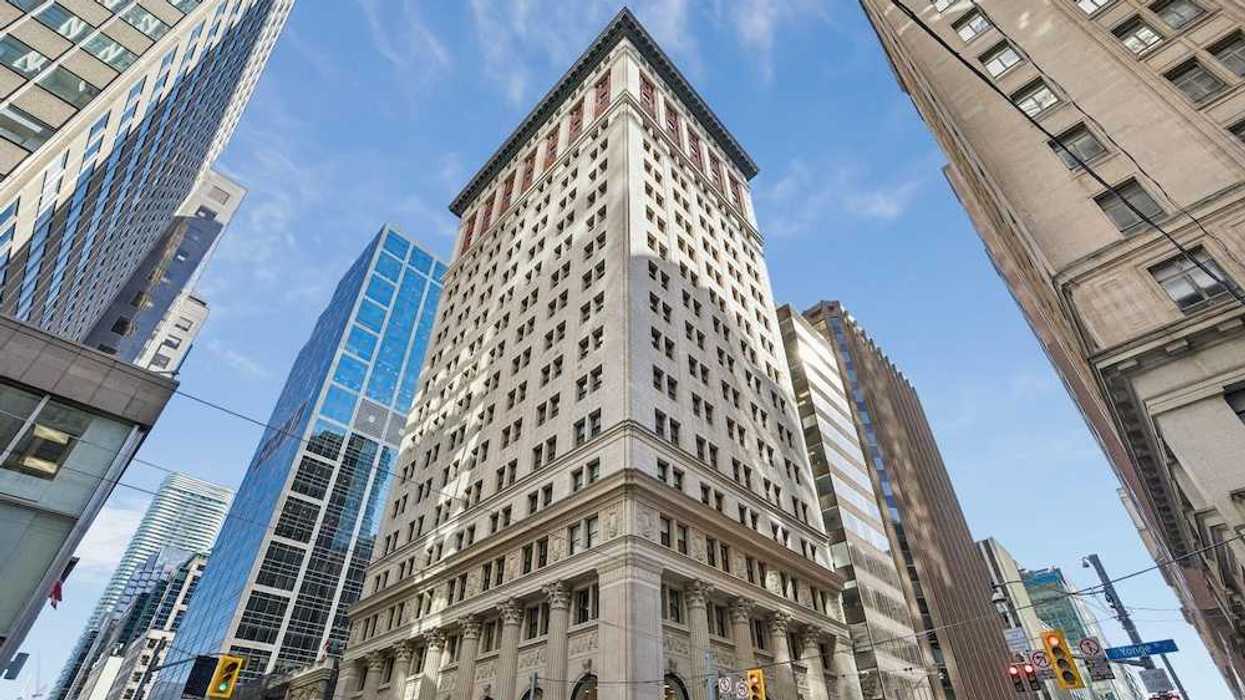
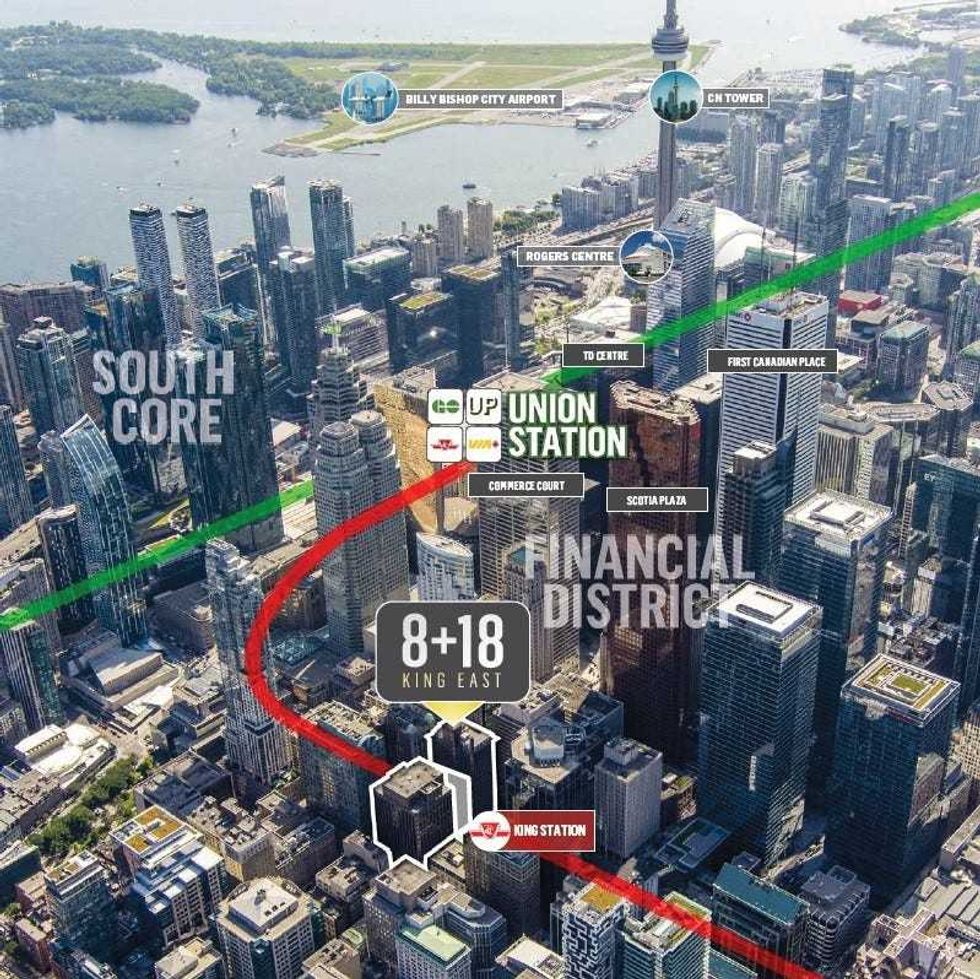 8 and 18 King Street East in Toronto. (RBC Capital Markets Realty)
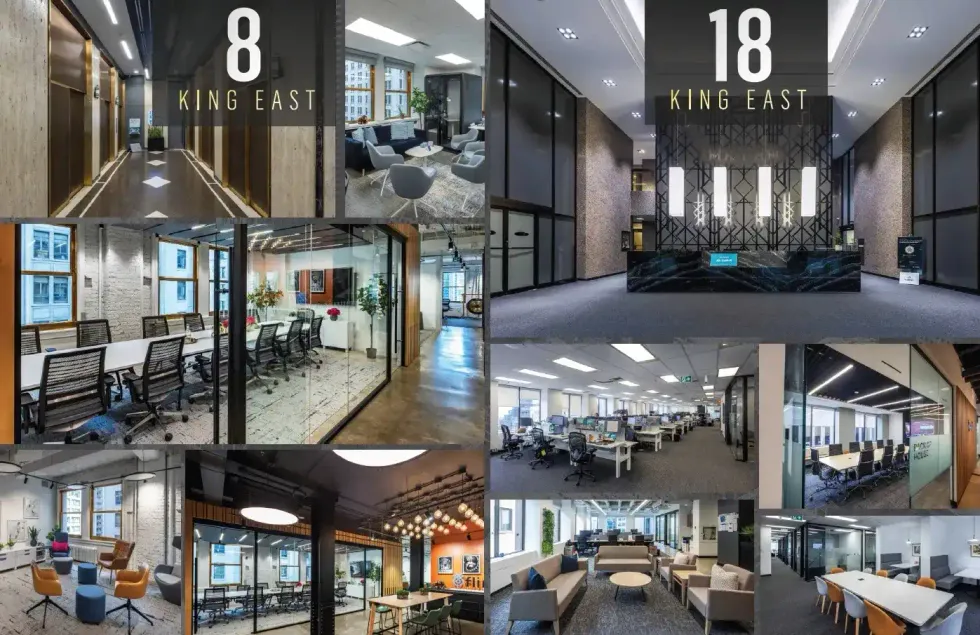 Interior photos of 8 and 18 King Street East. (RBC Capital Markets Realty)
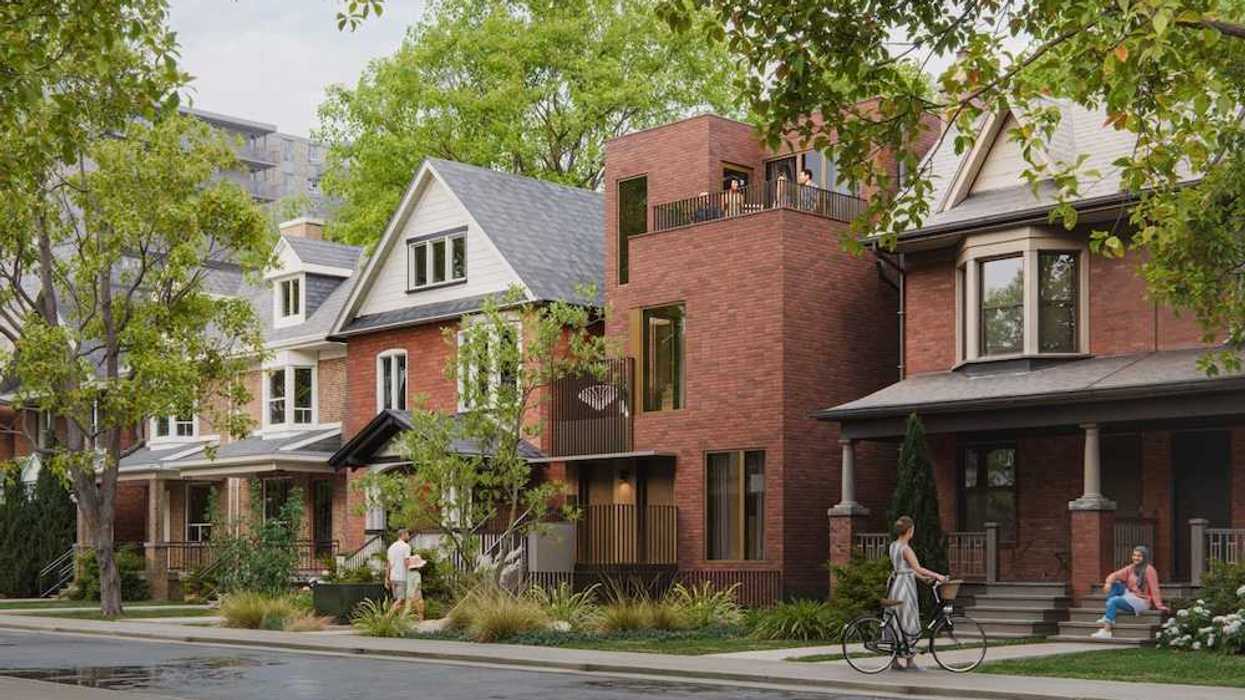
 Narrow Fourplex (City of Toronto)
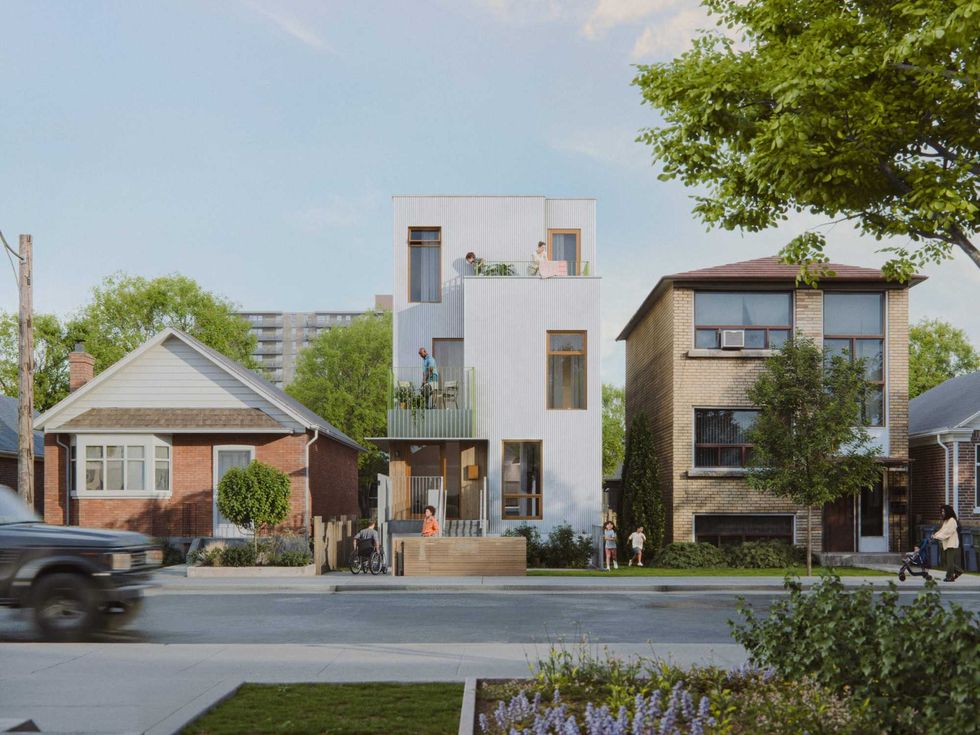
 Wide Sixplex - Side View (City of Toronto)