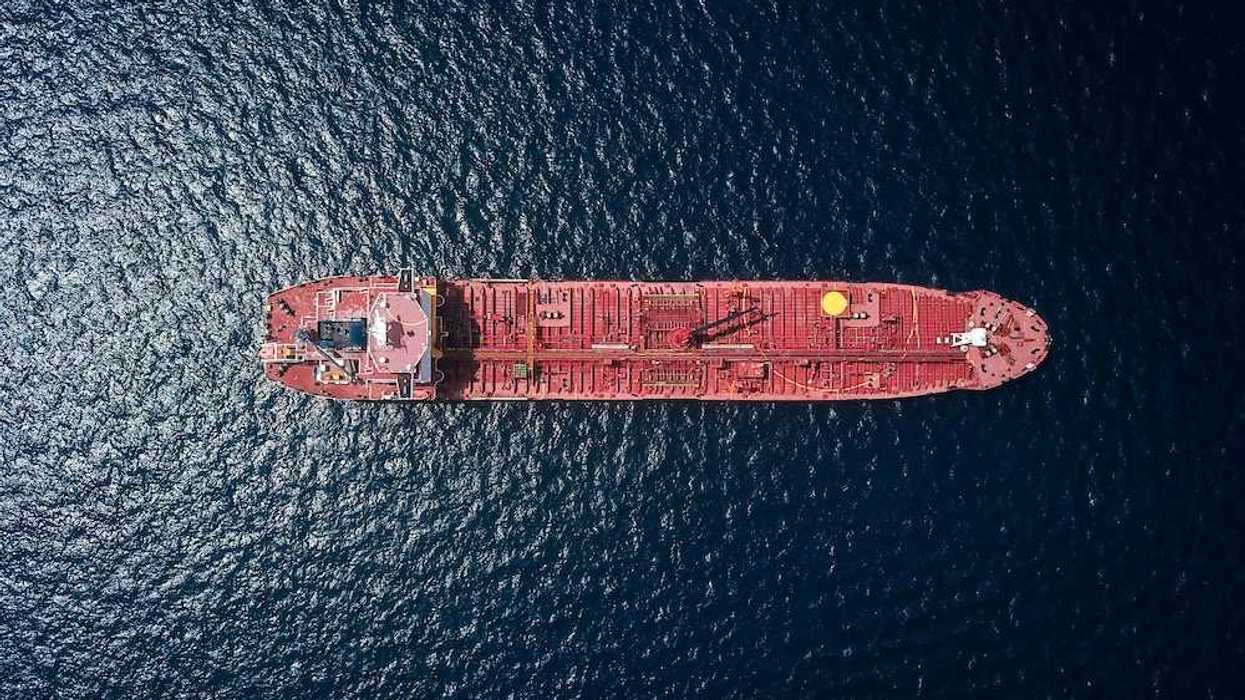
As of early May, the Strait of Hormuz has been closed for more than two months, preventing the roughly 20 million barrels of crude oil that usually travel through the strait each day from doing so.
The blockage is the result of the ongoing war in Iran, and has choked 25% of the world’s seaborne oil trade, driving the price of oil up globally.
In Canada, this increase has been most visible at the gas pump and on store shelves. But in a world that runs largely on fossil fuels, almost everything stands to be impacted by an oil shortage of this size. One seemingly unlikely victim? Mortgage rates.
Marshall Tully, a Toronto mortgage broker, explains that it’s not just oil, but farming fertilizers, that are being held up at the Strait of Hormuz — both of which we use to produce other goods that end up on our plate, in our shopping cart, or in our vehicles. Over time, this pushes the price of goods, causing inflation.
Enter the Bank of Canada. “The policy that the BoC functions under is to try and keep inflation, which is the year-over-year change in price of goods, to 2 or 3%,” says Tully. “And when we have oil and fertilizer prices shooting up, the cost of producing and transporting goods goes up. When they get high enough, the Bank of Canada will be forced to react.”
In other words, they will be forced to hike the key interest rate to bring inflation down. But as of now, the Strait of Hormuz closure and its inflationary effects are too fresh to warrant a rate change from the BoC. “A short-term increase in oil prices isn't going to cause goods to go up in price next year,” says Tully. “But the longer the war goes on, the longer oil prices stay elevated, the more it's going to impact things.”
Down the line, he says, this could result in the key interest rate being increased and variable-rate mortgage owners paying more each month. Currently, the key interest rate is at 2.25%, where it has sat since late October 2025. The next interest rate announcement is June 10, and as of now, most of the Big Six banks expect the BoC to hold at 2.25% in June — and through 2026.
In the meantime, fixed-rate mortgages are already feeling the heat. Following the initial closure of the Strait of Hormuz in early March, three- and five-year fixed mortgages increased by between 0.40% and 0.50% in just three weeks. For someone who has a $500,000 mortgage with a 25-year amortization, that results in roughly $145 more per month if their rate went up 0.50%.
This jump happened because fixed-rate mortgage rates are tied to inflation expectations in the bond market, rather than the key interest rate. “With a fixed rate, the bank is guaranteeing you that your rate won’t change,” says Tully. “And so they're looking at what's coming up in terms of their borrowing costs, and their risk of guaranteeing borrowers this rate, and building those factors into the rate now.”
This is why fixed-rate mortgages increased almost overnight after the war broke out, and following the Strait of Hormuz closure. At the same time, rates can come down swiftly once initial panic subsides, or conflict outcomes become more clear.
“But the longer this situation goes on in Iran,” cautions Tully, “the more pressure that's going to put on inflation.”
If war continues without resolution, lenders’ rate expectations will go up, and fixed rates will continue to increase, with the potential for variable rates to increase as well.
For this reason, Tully urges mortgage owners to be proactive with their mortgage renewals and to seek expert advice.
“If the situation in Iran continues to drag out and rates continue to climb," he says, "if your renewal is in early 2027, waiting to negotiate until then could result in significantly higher rates."