Inclusionary Zoning
Understand inclusionary zoning in Canadian real estate — what it is, how it works, and its role in housing affordability.

July 29, 2025
What is Inclusionary Zoning?
Inclusionary zoning is a municipal planning tool that requires or incentivizes developers to include a percentage of affordable housing units in new residential projects.
Why Inclusionary Zoning Matters in Real Estate
In Canadian urban planning, inclusionary zoning is used to increase the supply of affordable housing and promote mixed-income communities.
Key aspects:
- Policies may be mandatory or voluntary with incentives
- Can apply to rental or ownership housing
- Helps address housing affordability challenges
Understanding inclusionary zoning is essential for developers planning projects in municipalities with these policies.
Example of Inclusionary Zoning in Action
The city’s inclusionary zoning bylaw required 10% of units in the new condo development to be priced below market.
Key Takeaways
- Requires or incentivizes affordable units in new projects
- Helps address housing affordability
- Creates mixed-income communities
- Can be mandatory or incentive-based
- Affects project design and financial feasibility
Related Terms
- Affordable Housing Program
- Density Bonus
- Urban Planning
- Official Plan
- Sustainability

















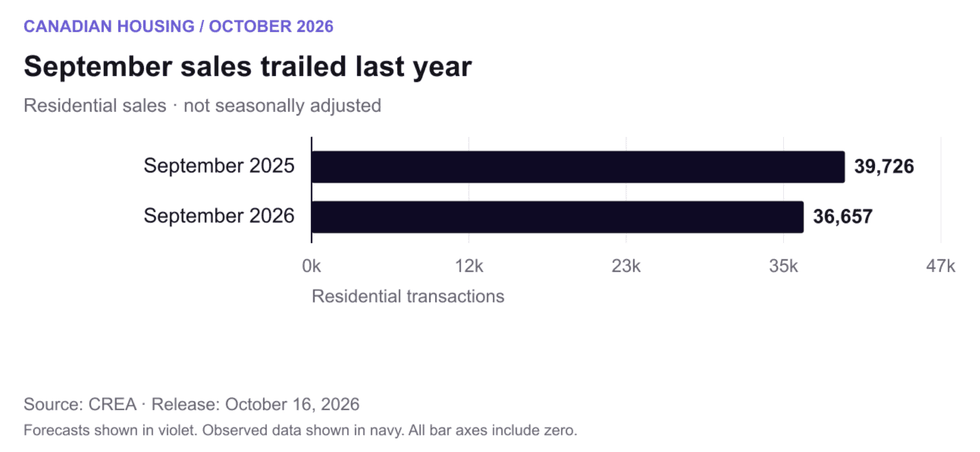 September residential sales, not seasonally adjusted; the annual comparison uses CREA’s revised figures. Chart:
 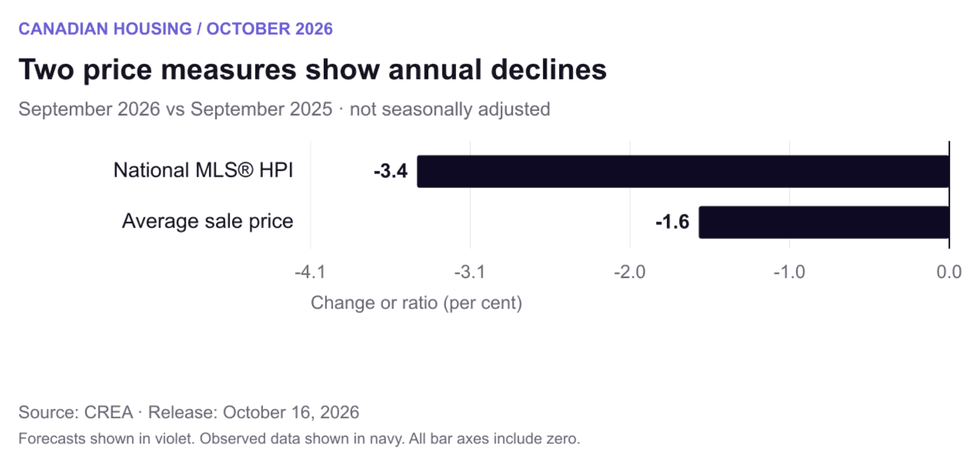 Annual changes in the unadjusted national MLS® HPI and average sale price. The average is affected by the mix of transactions. Chart:
 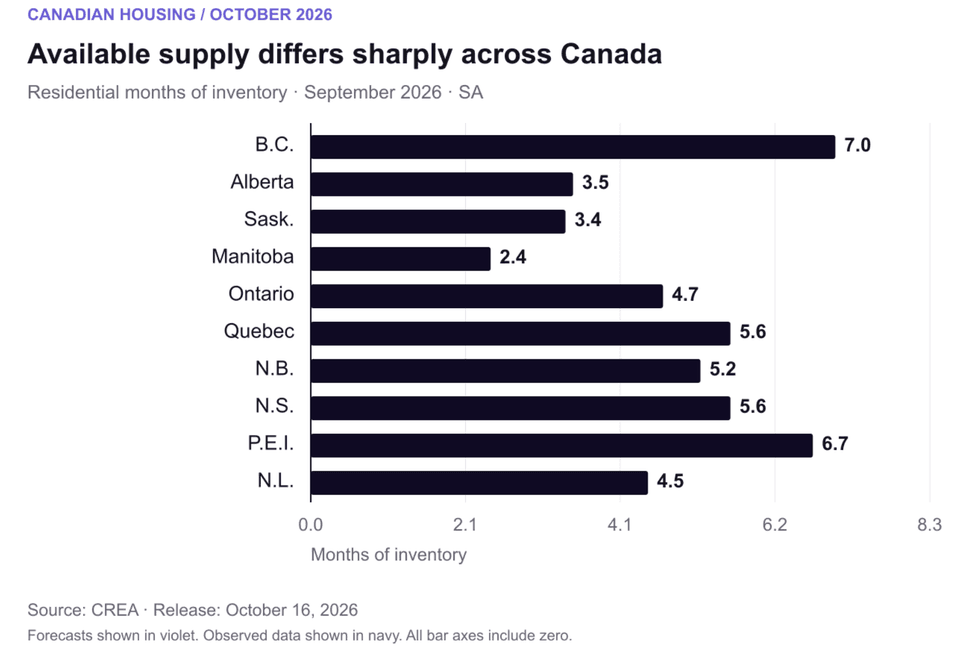 Seasonally adjusted residential months of inventory by province. Local property types can differ substantially. Chart:
 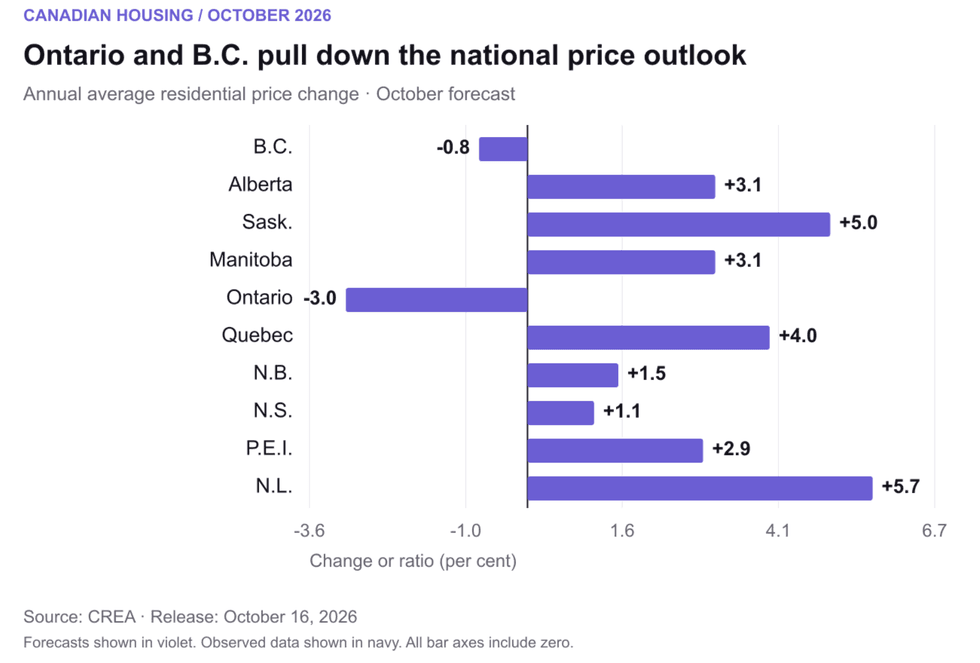 Ontario and B.C. are the two provinces with forecast annual average-price declines in 2026. Chart:
 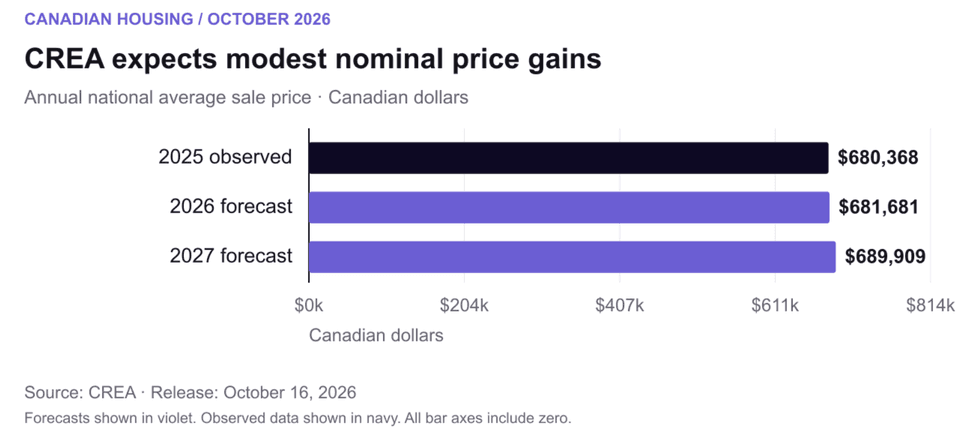 Annual average transaction prices in Canadian dollars. Forecast values are not December price targets. Chart:
 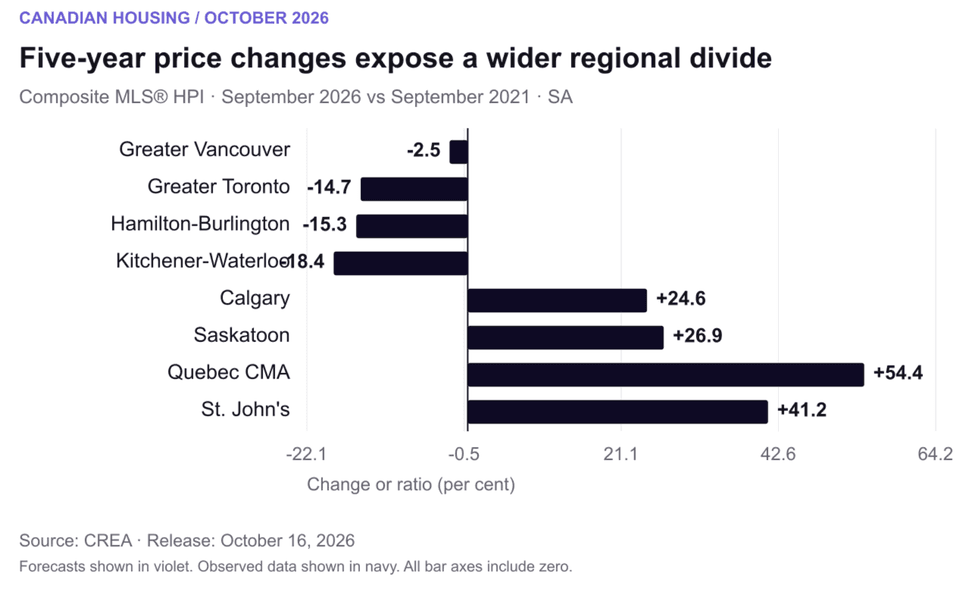 Five-year changes in seasonally adjusted composite MLS® HPI benchmarks, September 2021 to September 2026. Chart: