Brownfield
Explore brownfields in Canadian real estate — what they are, how they’re remediated, and why they matter for sustainable urban redevelopment.
June 27, 2025
What is a Brownfield?
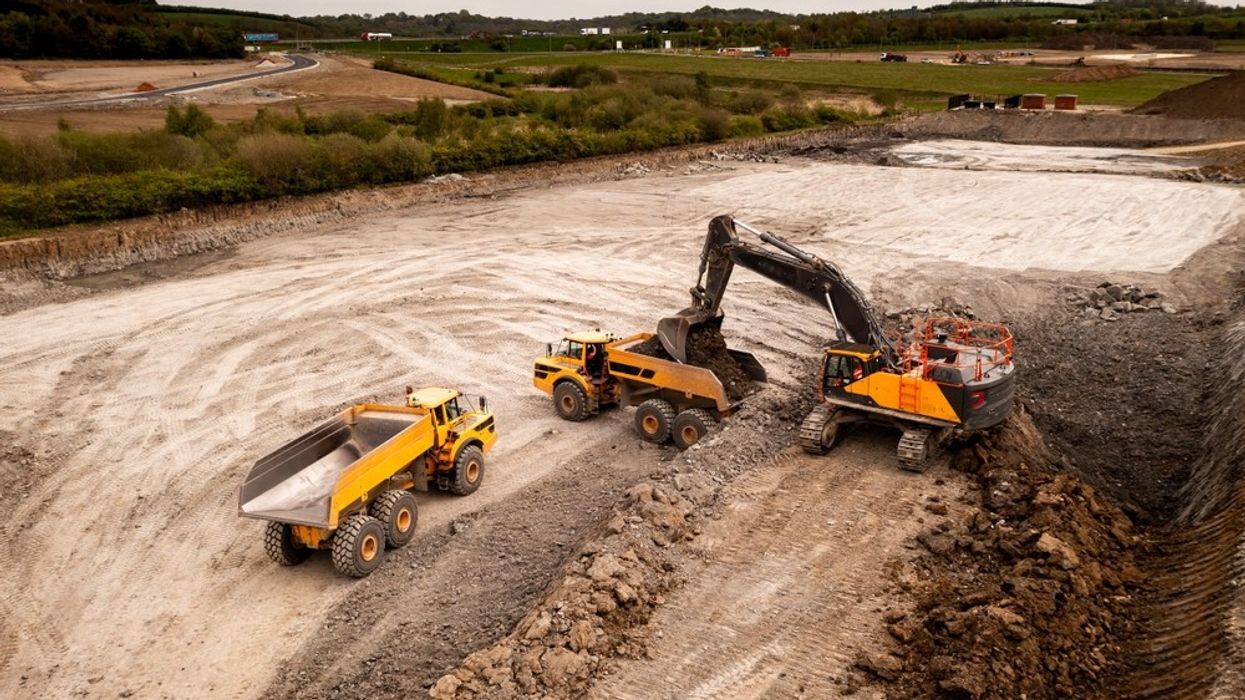
A brownfield is a property that was previously used for industrial or commercial purposes and is now vacant or underused, often requiring environmental remediation before redevelopment.
Why Brownfields Matter in Real Estate
In Canadian urban development, brownfields present both challenges and opportunities, as they often occupy prime locations but carry contamination risks.
Brownfield projects typically involve:
- Environmental assessments (Phase I/II)
- Remediation and risk management plans
- Financial incentives from governments (e.g., tax relief)
Successful brownfield redevelopment supports urban revitalization, environmental cleanup, and housing supply growth.
Understanding brownfields is key for investors, developers, and municipalities seeking sustainable growth.
Example of Brownfield in Action
The city offered tax incentives to encourage the redevelopment of a brownfield site into a new mixed-use community.
Key Takeaways
- Former industrial or commercial sites
- May require cleanup before reuse
- Eligible for redevelopment incentives
- Supports urban revitalization
- Requires environmental due diligence
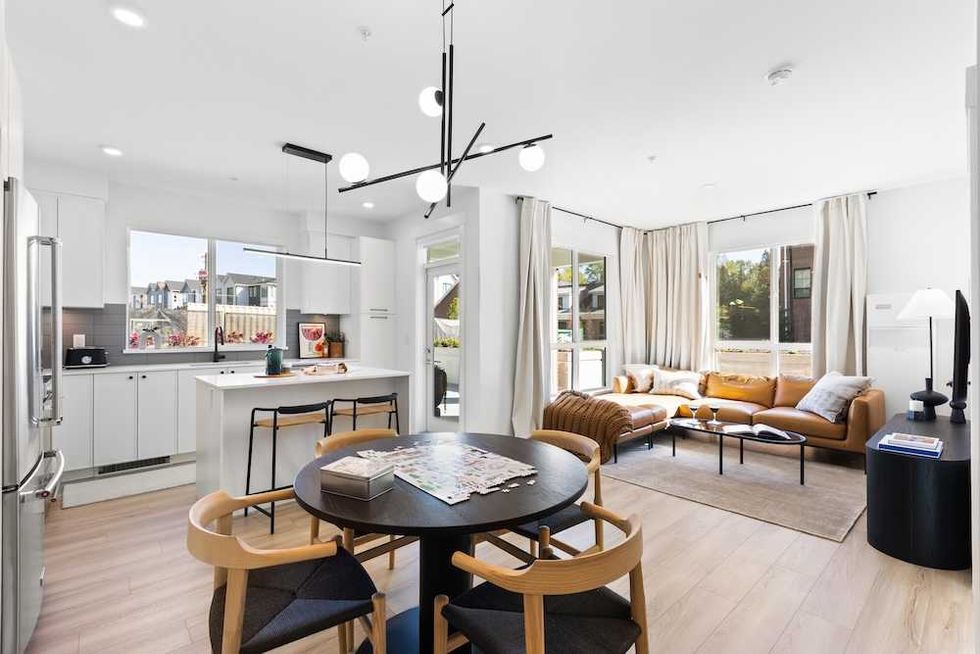 The Mason Suite Interior (Infinity Properties)
 The Mason Suite Interior (Infinity Properties)
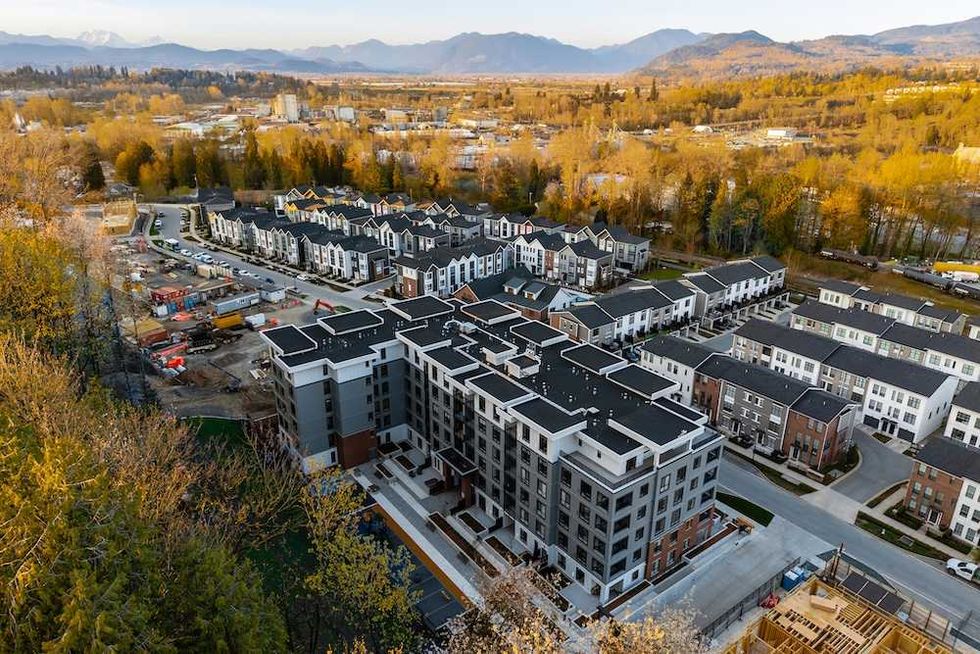 Rail District aerial (Infinity Properties)
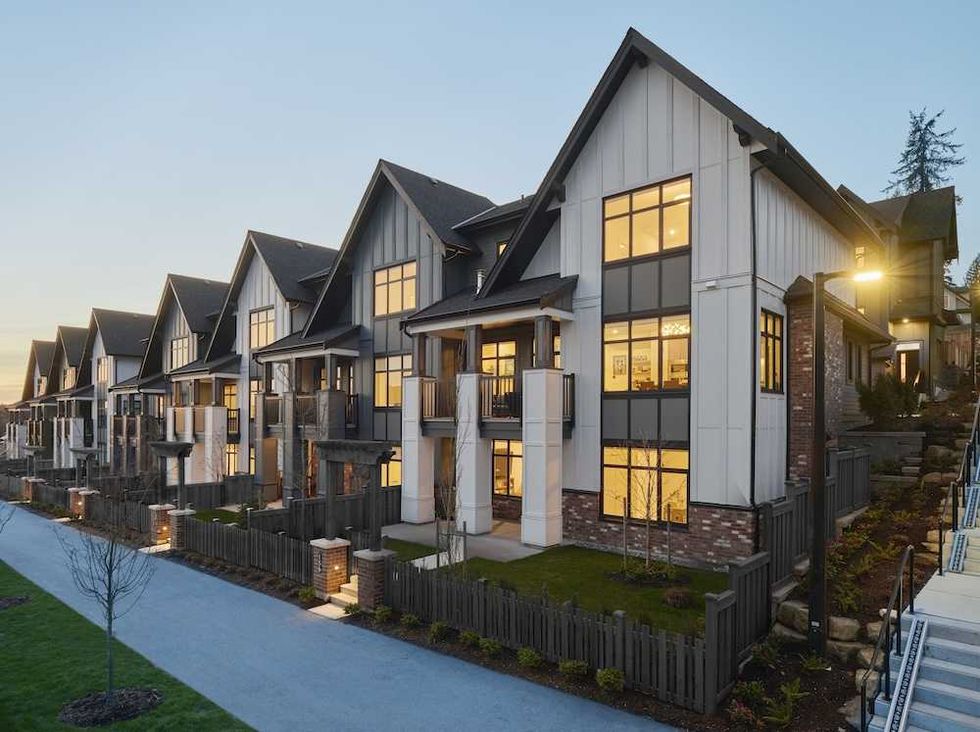 Versant (Infinity Properties)
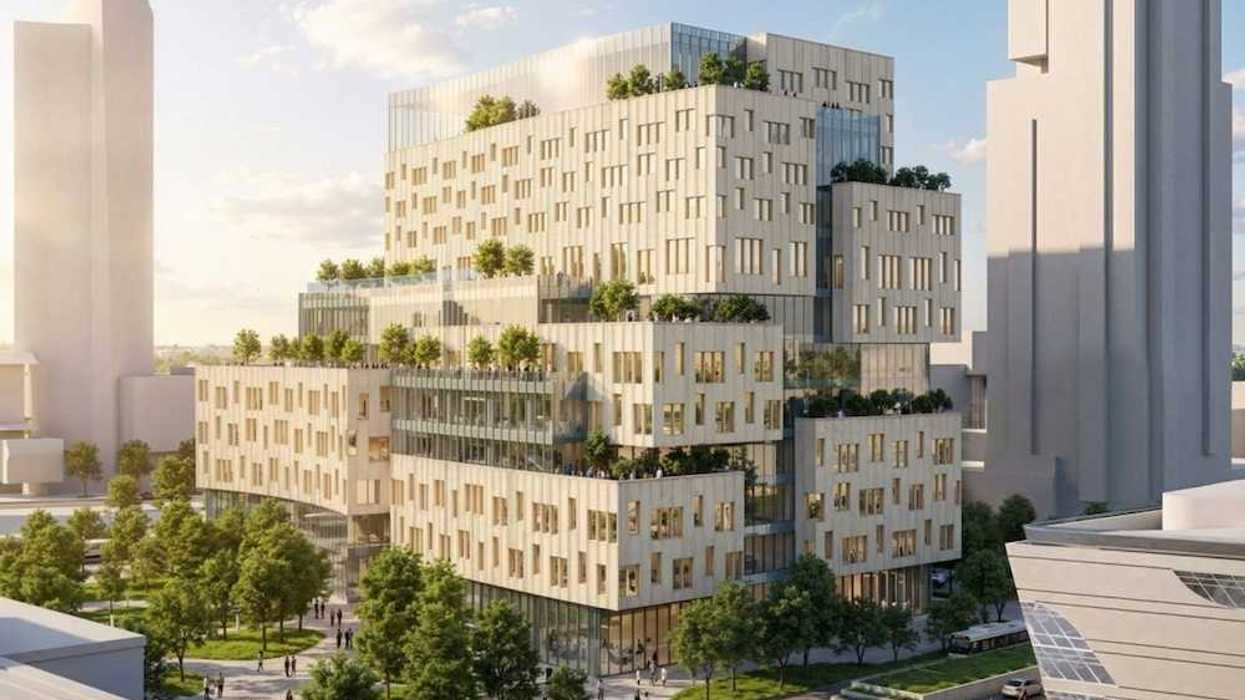





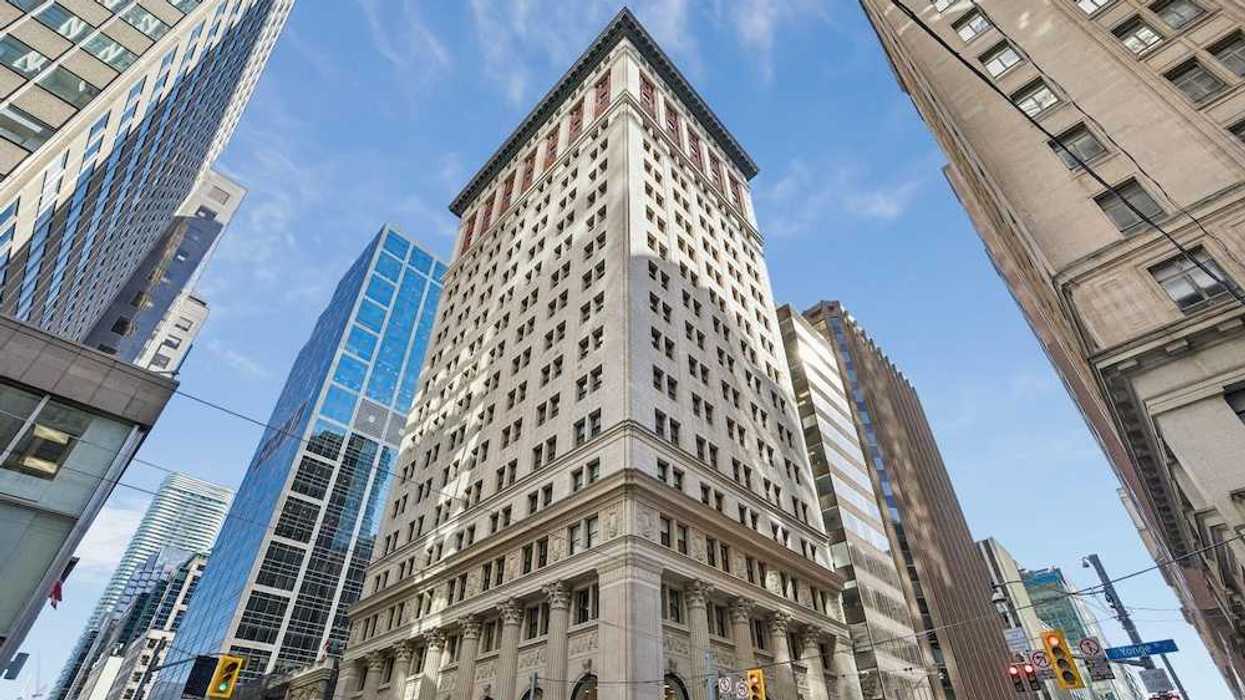
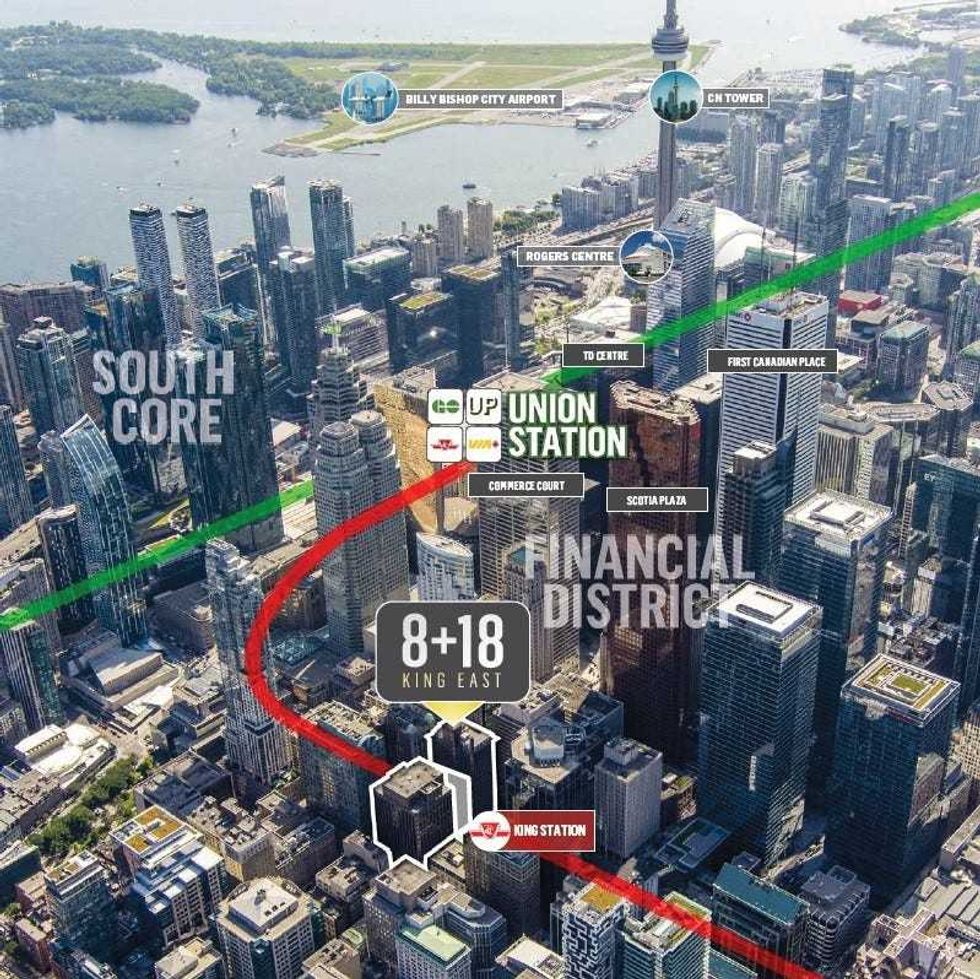 8 and 18 King Street East in Toronto. (RBC Capital Markets Realty)
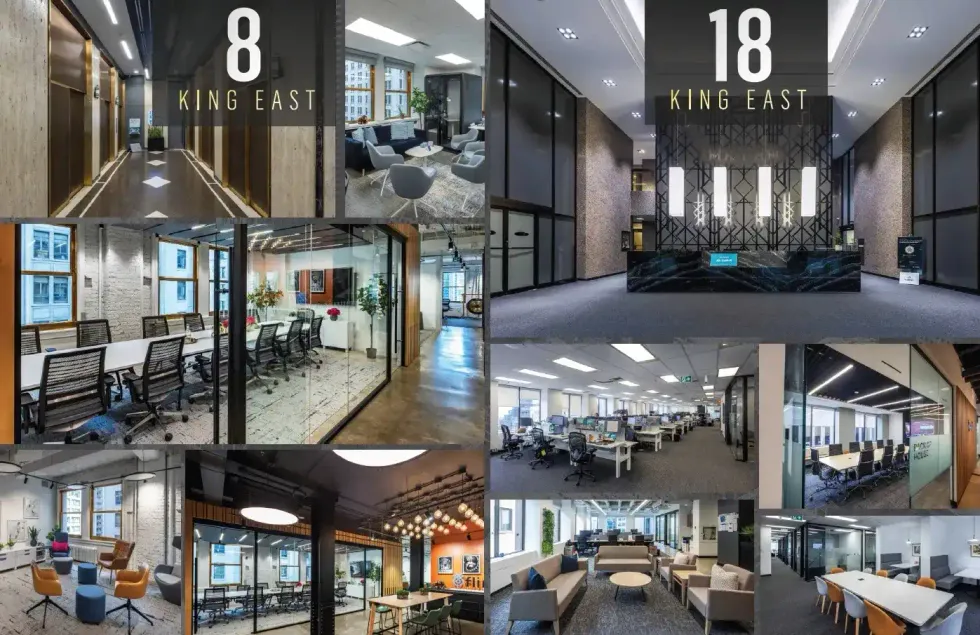 Interior photos of 8 and 18 King Street East. (RBC Capital Markets Realty)
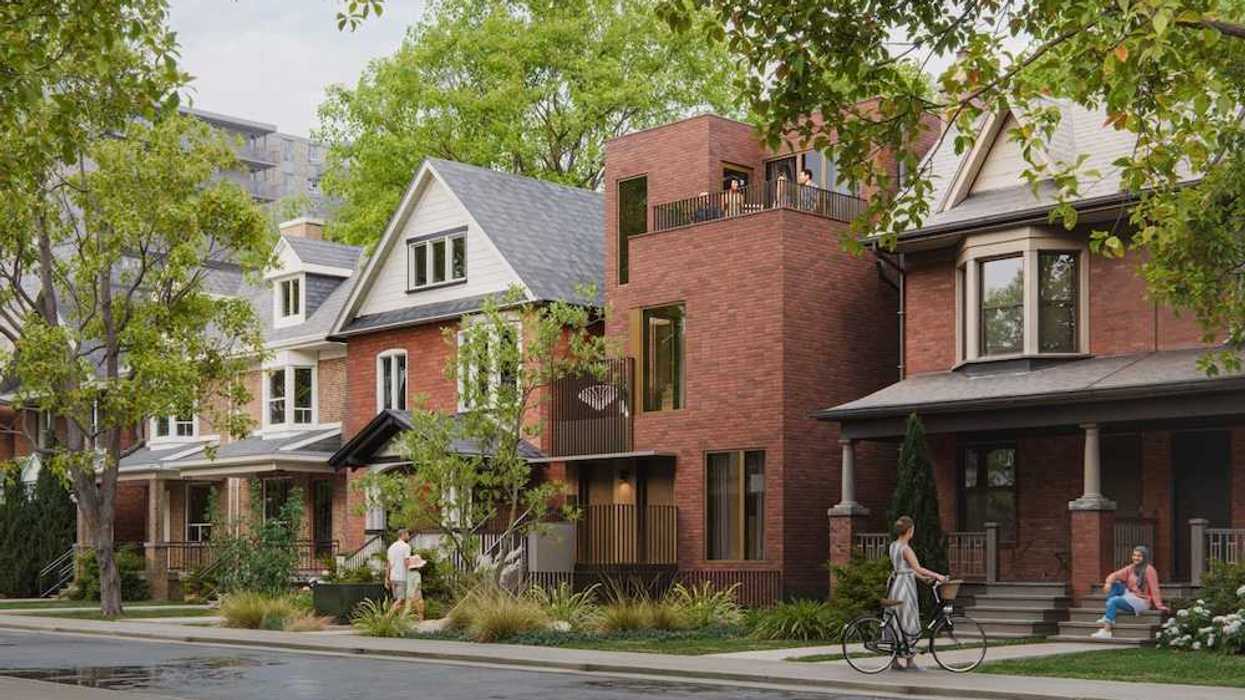
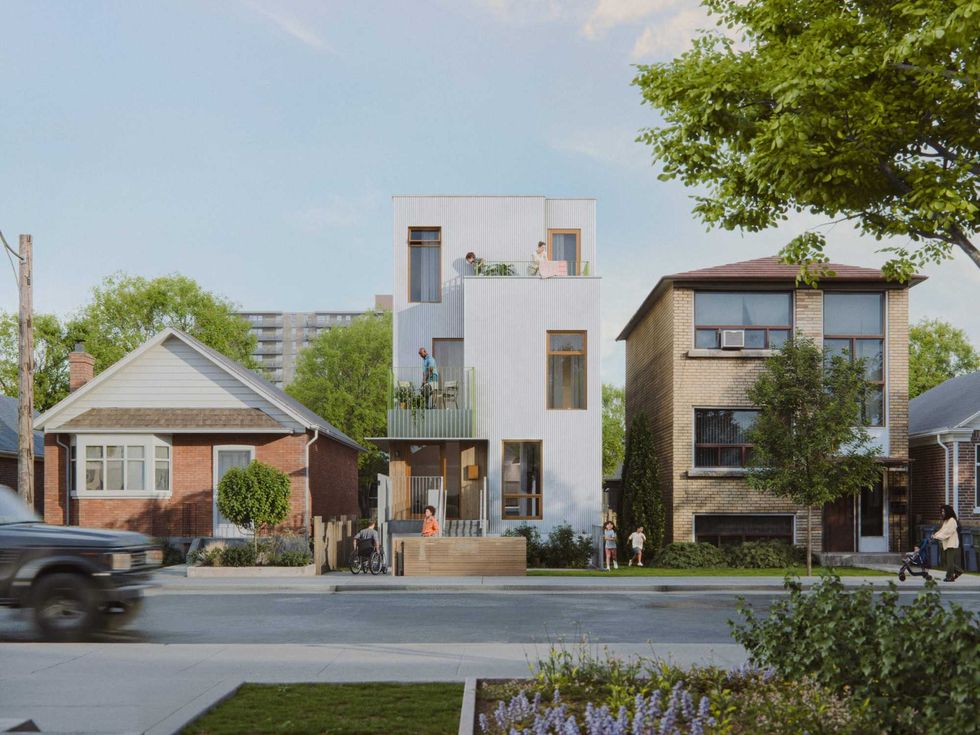 Narrow Fourplex (City of Toronto)
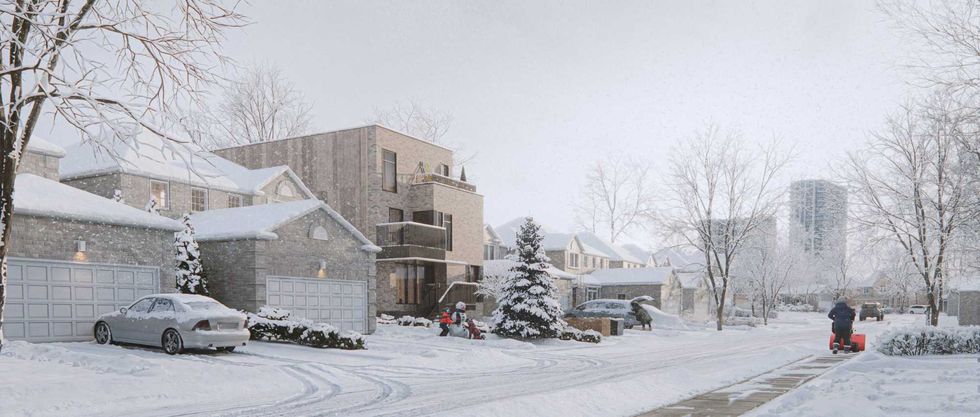 Wide Sixplex - Side View (City of Toronto)