Special Assessment
Learn what a special assessment is in Canadian condo ownership, why it happens, and how it affects your financial responsibility as a unit owner.

June 06, 2025
What is a Special Assessment?
A special assessment is a one-time fee levied on condominium owners to cover unexpected or underfunded major repairs, upgrades, or emergencies.
Why Special Assessments Matter in Real Estate
In Canadian condo ownership, regular condo fees contribute to a reserve fund for long-term maintenance. However, when the fund is insufficient, a special assessment may be issued.
Reasons for special assessments include:
- Roof or window replacement
- Emergency repairs (e.g., flooding, structural)
- Legal settlements or insurance shortfalls
Special assessments are typically approved by the condo board and divided among unit owners based on ownership share.
Understanding the risk of special assessments helps buyers evaluate a building’s financial health before purchasing.
Example of a Special Assessment in Action
After a major plumbing failure, the condo board issues a $4,000 special assessment per unit to fund emergency repairs not covered by insurance.
Key Takeaways
- One-time charge to cover major expenses
- Indicates shortfalls in the reserve fund
- Approved and managed by the condo board
- Varies by unit share and urgency
- Important factor in condo due diligence
Related Terms
- Reserve Fund
- Condominium Bylaws
- Building Maintenance
- Condo Fees
- Financial Statements

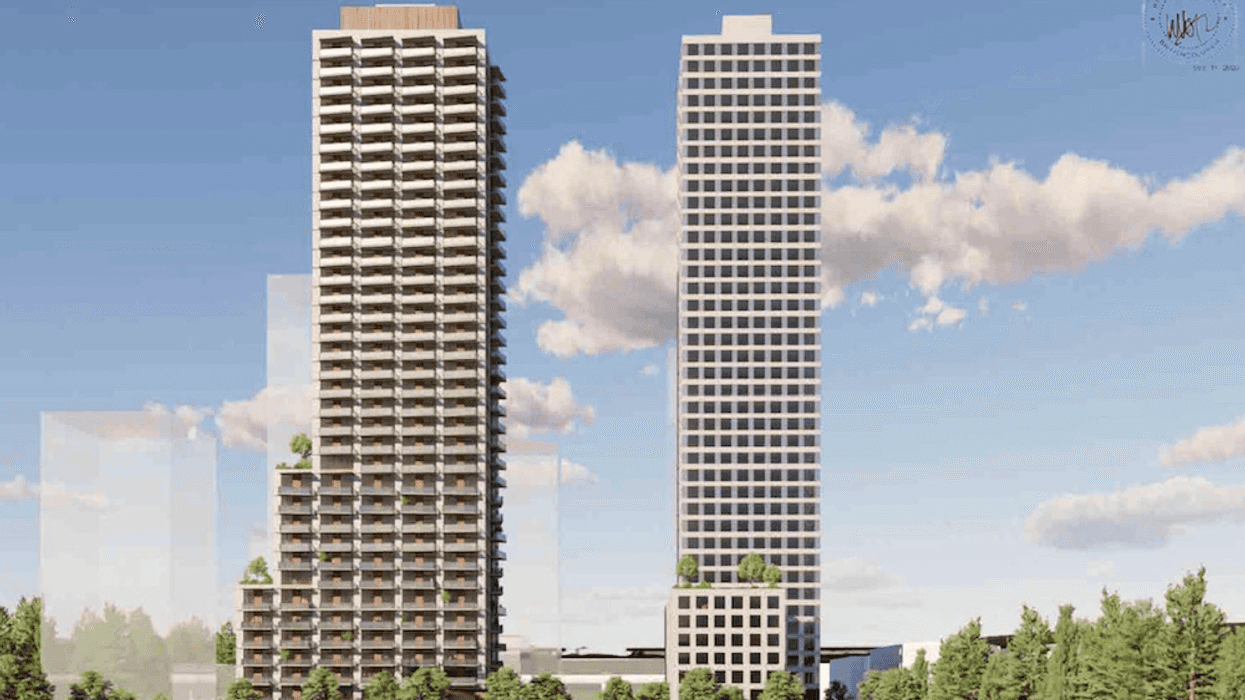
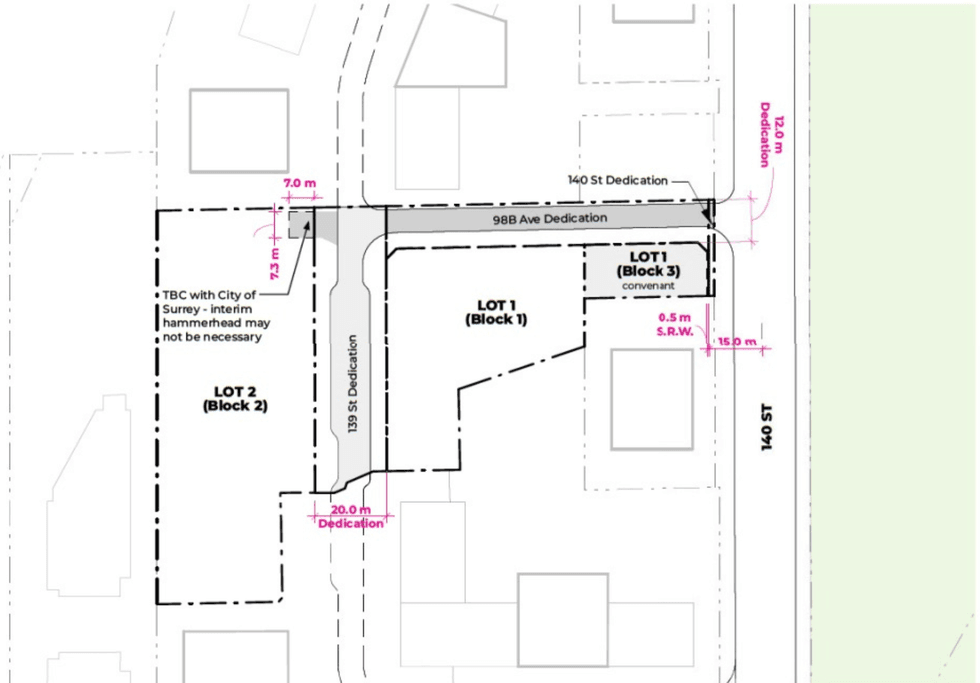 9883 140 Street and the proposed road dedications. (WW+P Architects, Entre Nous Femmes Housing Society)
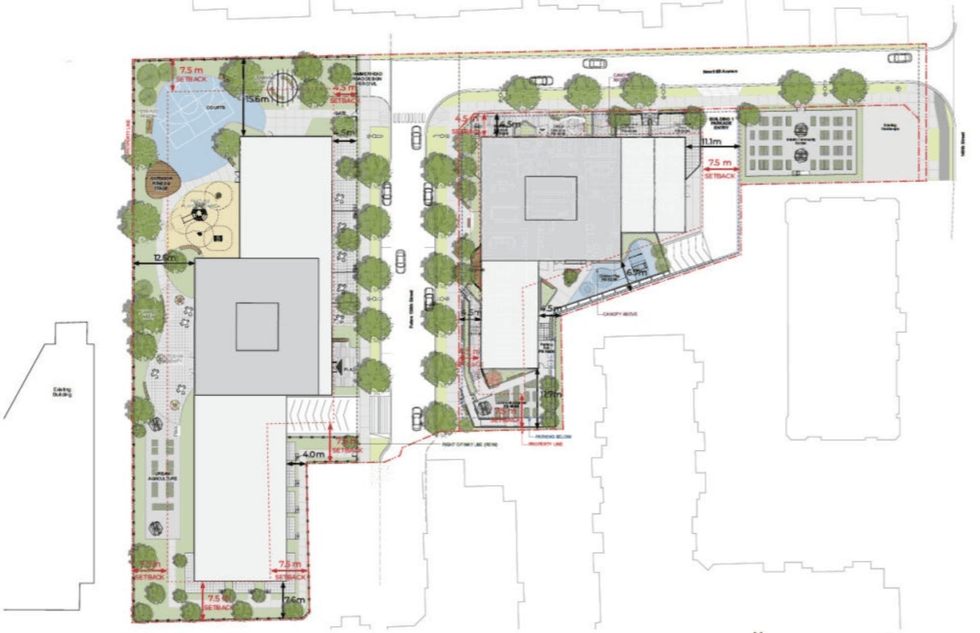 The
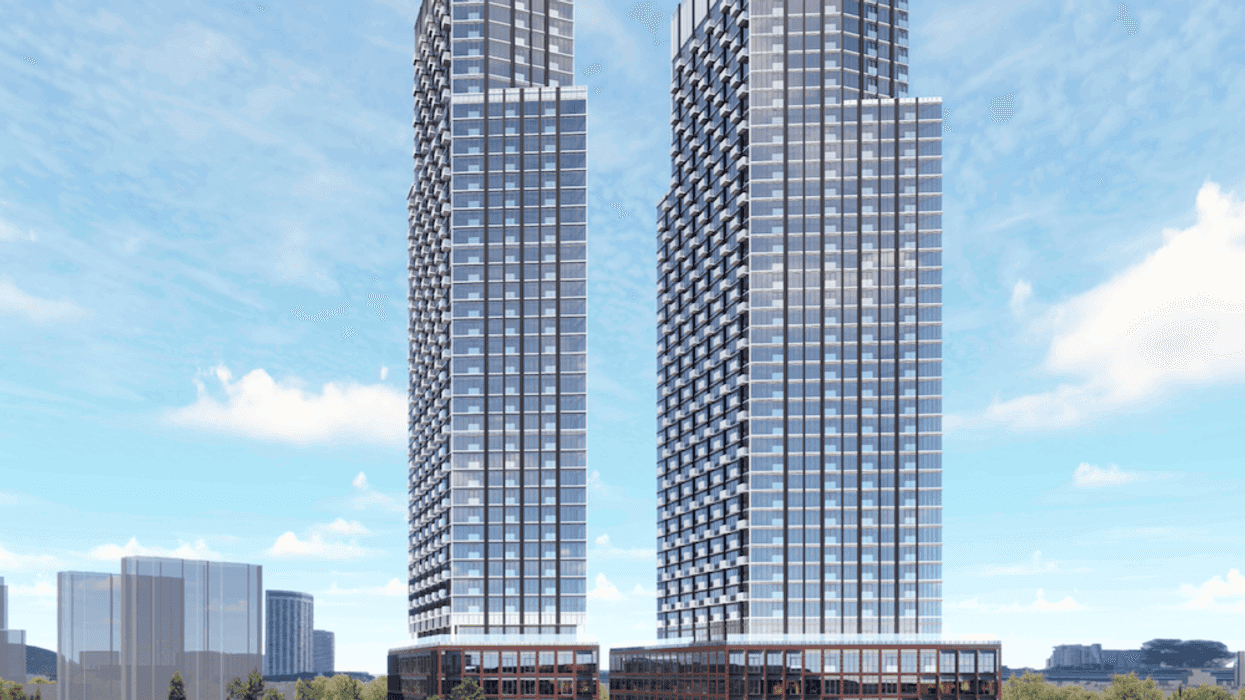
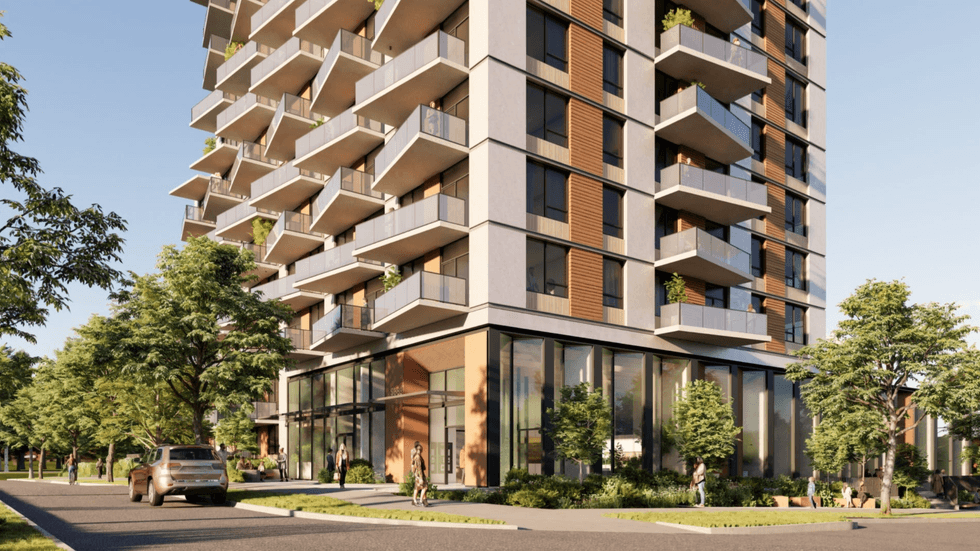 One of the towers proposed for 9883 140 Street. (Entres Nous Femmes Housing Society)





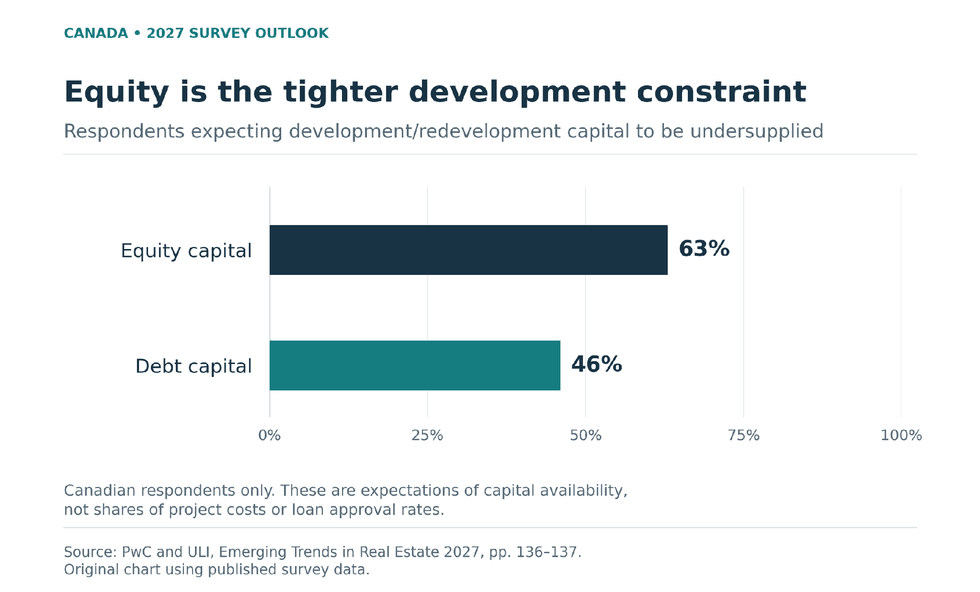 Canadian respondents were more likely to expect an undersupply of development/redevelopment equity capital (63%) than debt capital (46%) in 2027. These are survey expectations, not measured financing volumes. Source: PwC and ULI, Emerging Trends in Real Estate 2027, pp. 136–137. Original chart.
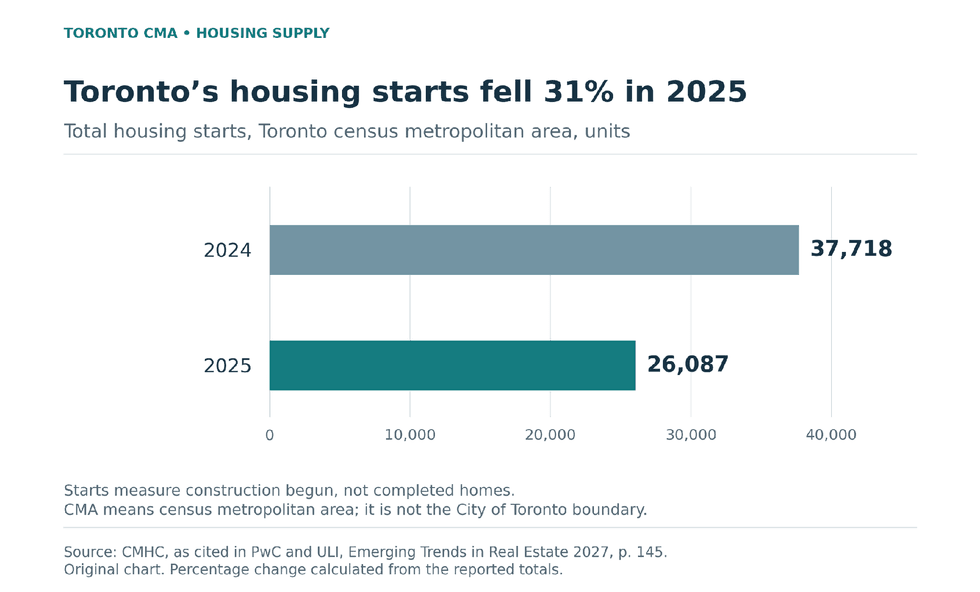 Toronto census metropolitan area housing starts fell from 37,718 units in 2024 to 26,087 in 2025, a 30.8% decline (rounded to 31%). Starts measure construction begun, not completed homes. Source: CMHC, as cited in PwC and ULI, Emerging Trends in Real Estate 2027, p. 145. Original chart.


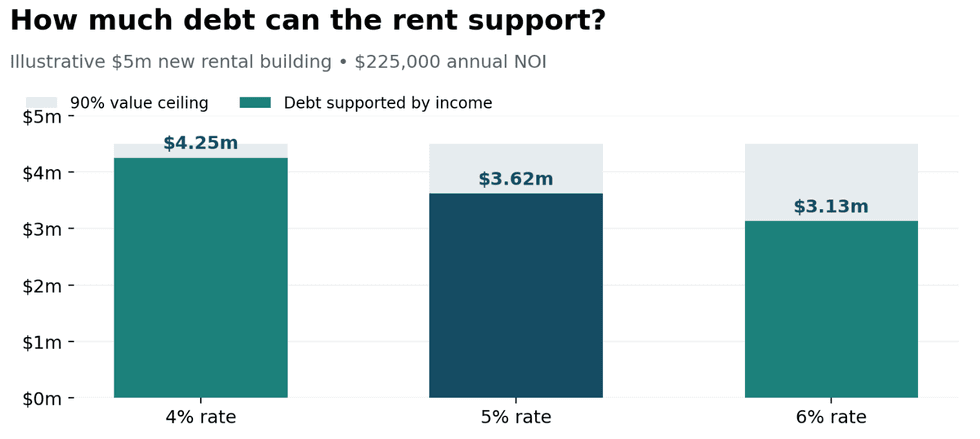 Illustrative calculation: a $4.5-million value ceiling versus income-based capacity of about $4.25 million at 4%, $3.62 million at 5% and $3.13 million at 6%. Assumes 50-year amortization and 1.15 debt coverage.
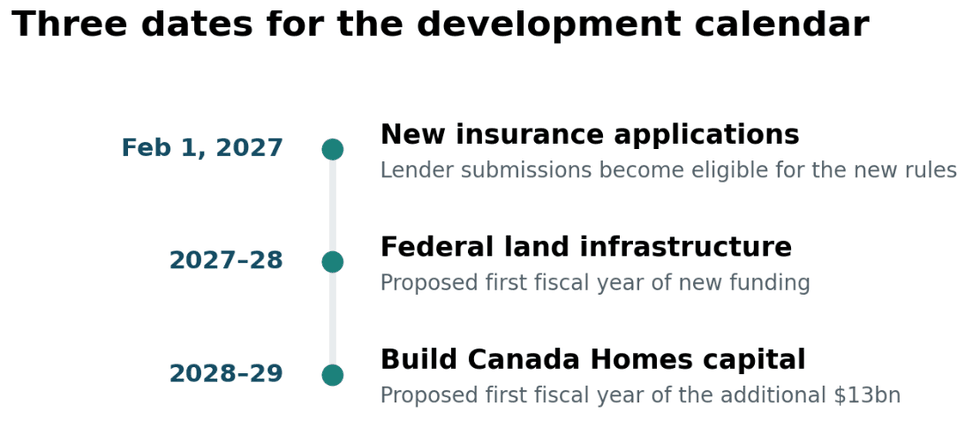 Source: Department of Finance missing-middle backgrounder and Budget 2026 Chapter 3, November 5, 2026. Fiscal-year funding starts are not home-completion dates.
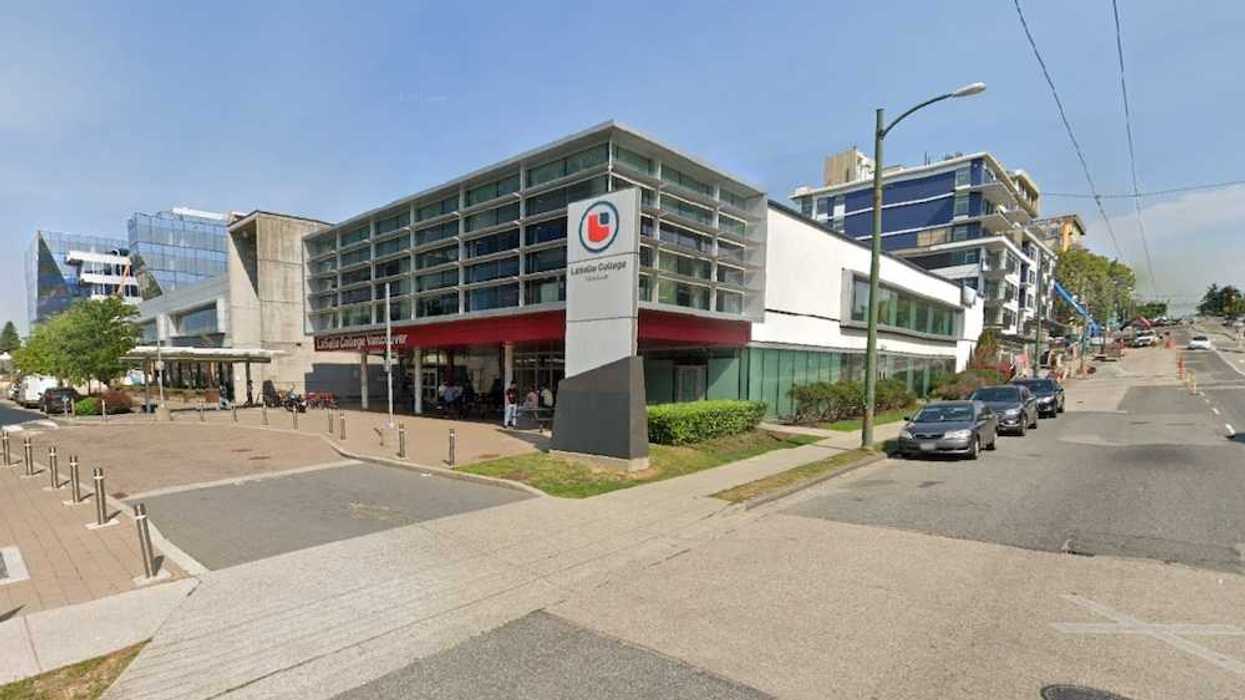
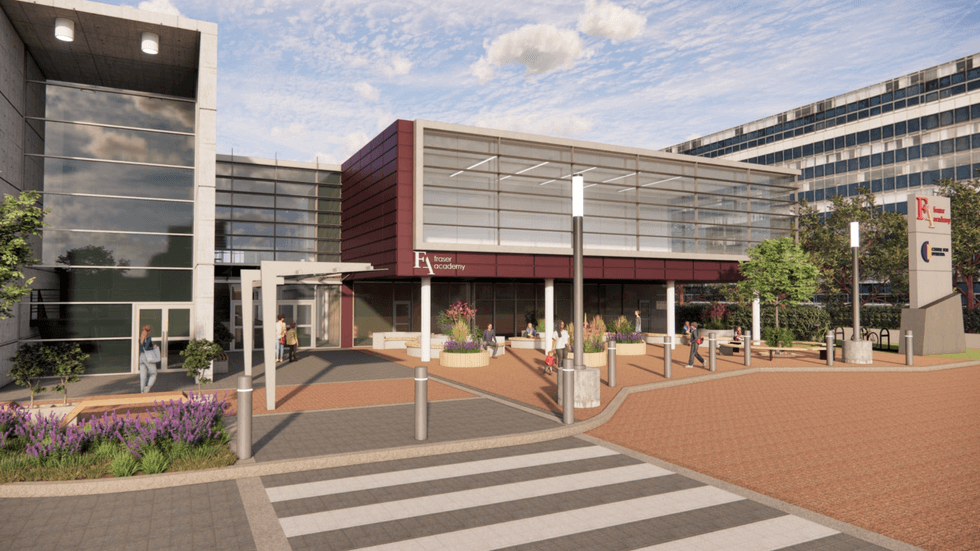 A rendering of Fraser Academy’s new campus. (Fraser Academy)

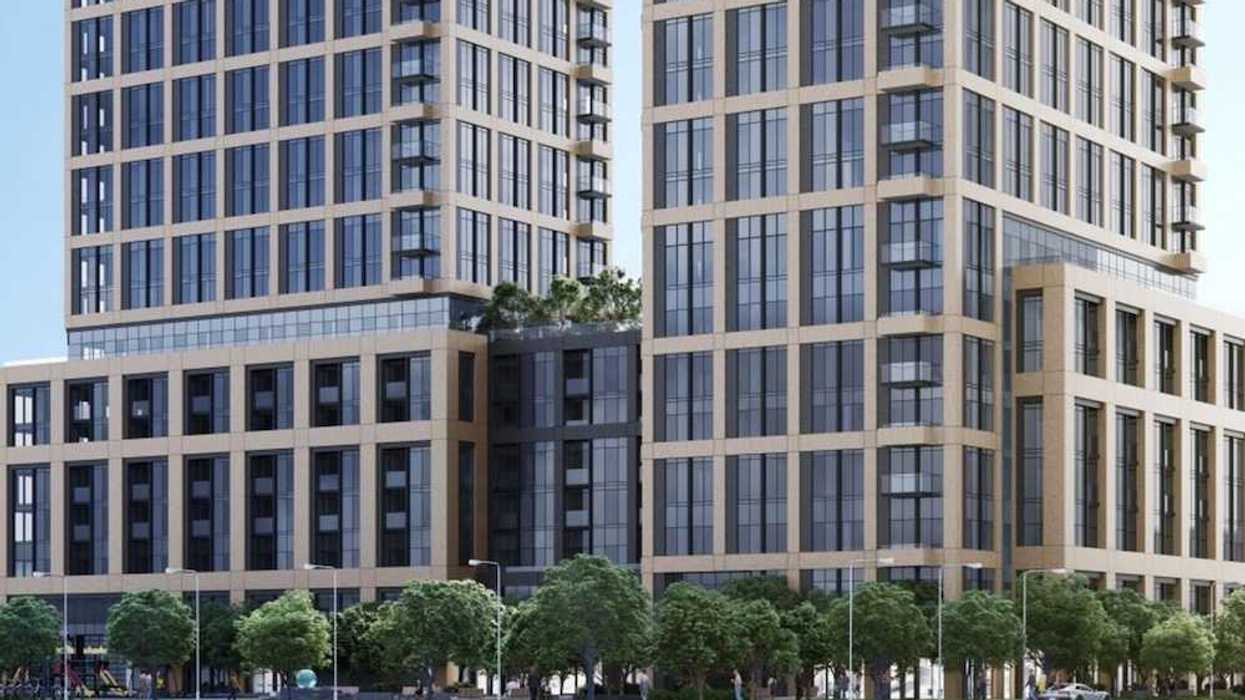
 The project planned for 36-48 Steeles Avenue East and 37-49 Highland Park Boulevard in Markham. (Arcadis, Zonix Homes)