Financial Statements
Understand financial statements in Canadian real estate; why they're key for evaluating condos and investment properties before purchase.

June 16, 2025
What are Financial Statements?
Financial statements are formal records of the financial performance and position of a condominium corporation or investment property, typically reviewed by buyers, lenders, or investors.
Why Financial Statements Matters in Real Estate
In Canadian real estate, financial statements help assess the fiscal health of a condo corporation or income-generating property.
Key components often include:
- Balance sheet (assets, liabilities, reserve fund)
- Income statement (revenue from fees vs. expenses)
- Annual budget and variances
- Auditor’s notes or financial disclosures
For condo buyers, strong financials suggest a well-managed building with adequate reserves. For investors, they provide a snapshot of rental income, operating costs, and profitability.
Understanding financial statements is critical for due diligence and long-term planning in property ownership.
Example of Financial Statements in Action
Before making an offer, the buyer’s agent requests the condo’s financial statements to ensure the reserve fund is sufficient for upcoming capital repairs.
Key Takeaways
- Reveal financial health of a property or condo
- Include income, expenses, assets, and reserves
- Required for condo sales and financing
- Help identify risk of special assessments
- Reviewed by buyers and lenders





















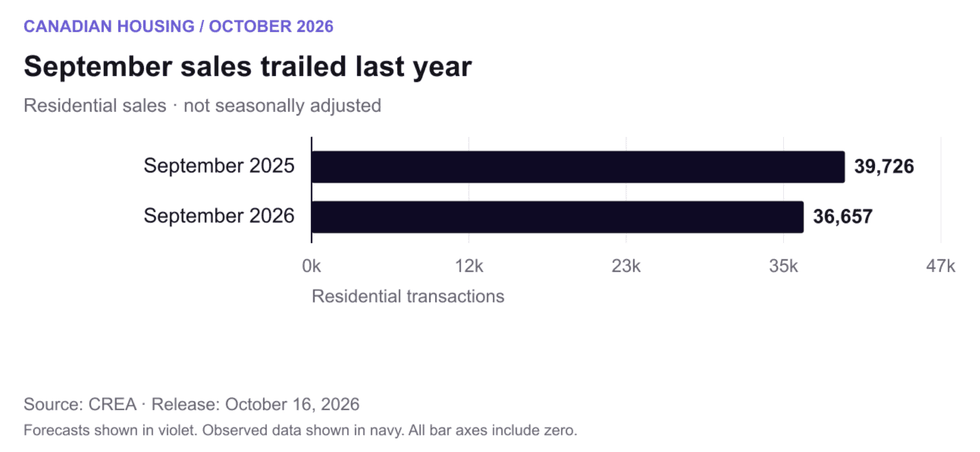 September residential sales, not seasonally adjusted; the annual comparison uses CREA’s revised figures. Chart:
 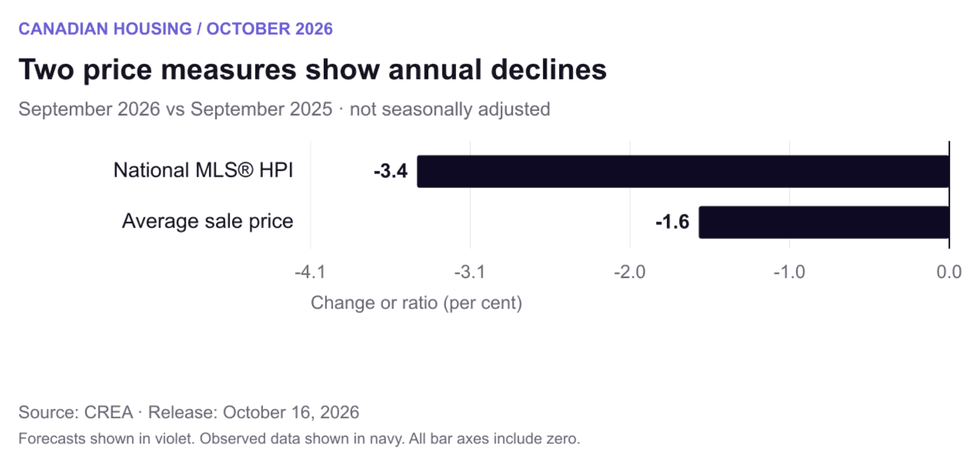 Annual changes in the unadjusted national MLS® HPI and average sale price. The average is affected by the mix of transactions. Chart:
 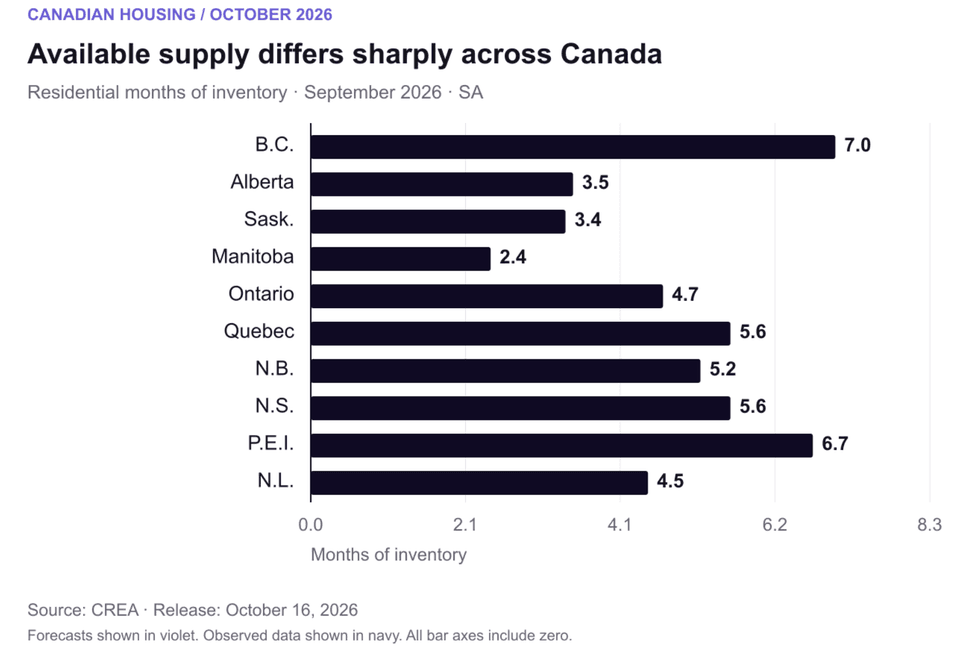 Seasonally adjusted residential months of inventory by province. Local property types can differ substantially. Chart:
 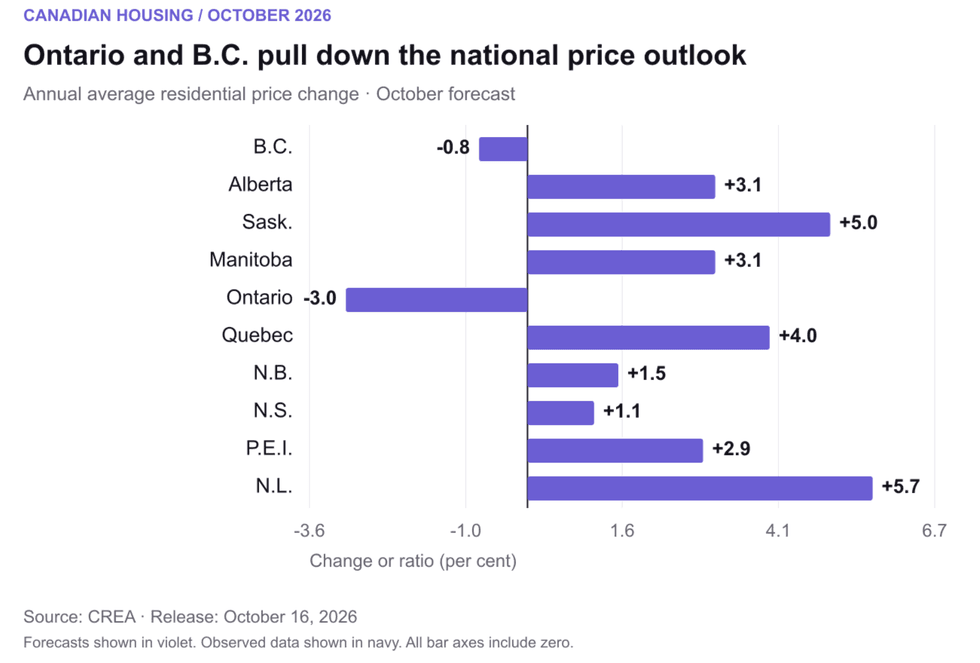 Ontario and B.C. are the two provinces with forecast annual average-price declines in 2026. Chart:
 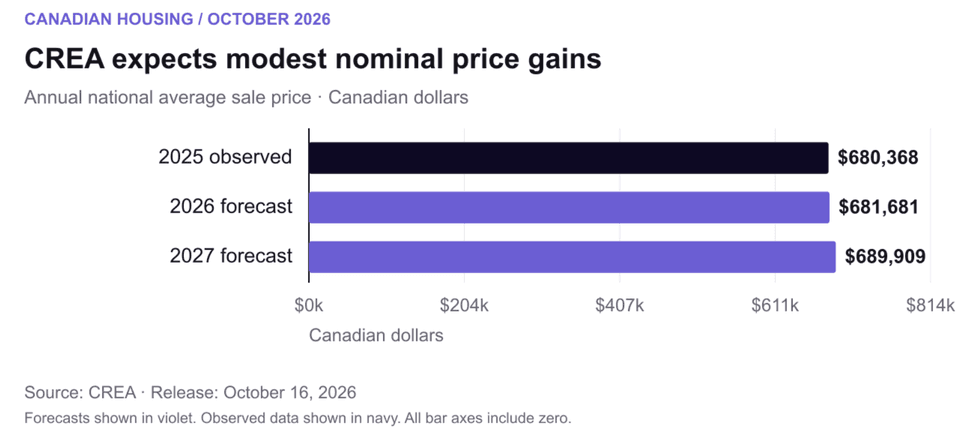 Annual average transaction prices in Canadian dollars. Forecast values are not December price targets. Chart:
 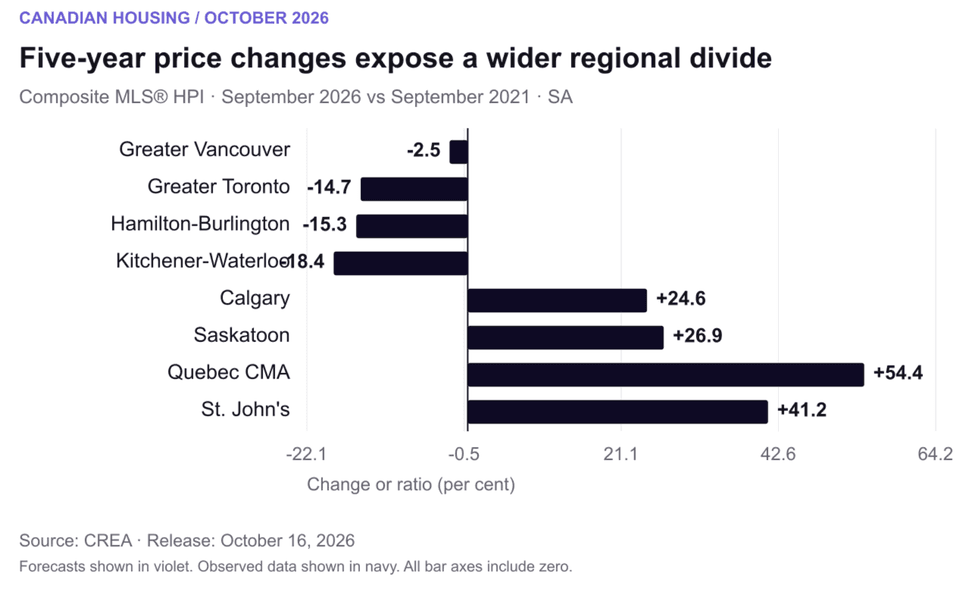 Five-year changes in seasonally adjusted composite MLS® HPI benchmarks, September 2021 to September 2026. Chart: