Gross Lease
Learn what a gross lease is in Canadian commercial real estate — how it works, who pays what, and when it’s used.

June 27, 2025
What is Gentrification?
A gross lease is a commercial lease where the tenant pays a fixed rent, and the landlord covers most or all operating expenses such as property taxes, insurance, and maintenance.
Why Gentrification Matters in Real Estate
In Canadian commercial real estate, gross leases simplify cost predictability for tenants, while landlords manage and budget for operating costs internally.
Characteristics include:
- Single rent amount covering base rent + expenses
- Landlord bears cost variability risk
- Common in office leases or short-term rentals
Gross leases may include escalation clauses to adjust rent for rising costs.
Understanding gross leases helps tenants and landlords negotiate fair terms and budget effectively.
Example of Gentrification in Action
The startup signed a gross lease for office space, paying one monthly rent amount without separate bills for utilities or taxes.
Key Takeaways
- Tenant pays single rent amount covering expenses
- Landlord manages and pays operating costs
- Provides cost predictability for tenants
- Common in office leasing
- May include rent escalations over time
Related Terms
- Net Lease
- Triple Net Lease
- Operating Costs
- Commercial Lease
- Escalation Clause




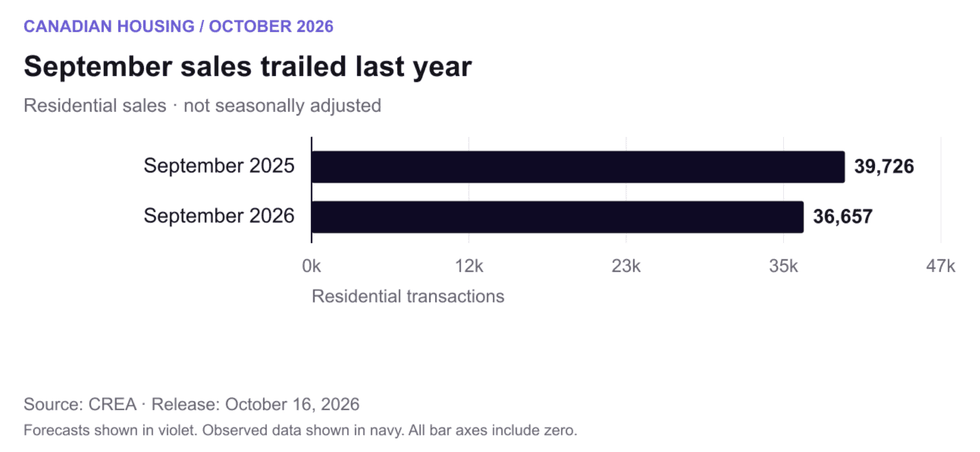 September residential sales, not seasonally adjusted; the annual comparison uses CREA’s revised figures. Chart:
 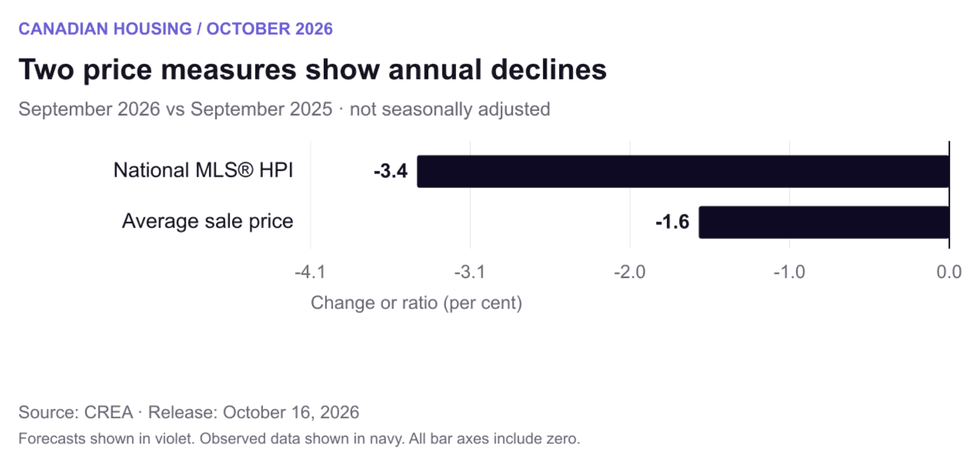 Annual changes in the unadjusted national MLS® HPI and average sale price. The average is affected by the mix of transactions. Chart:
 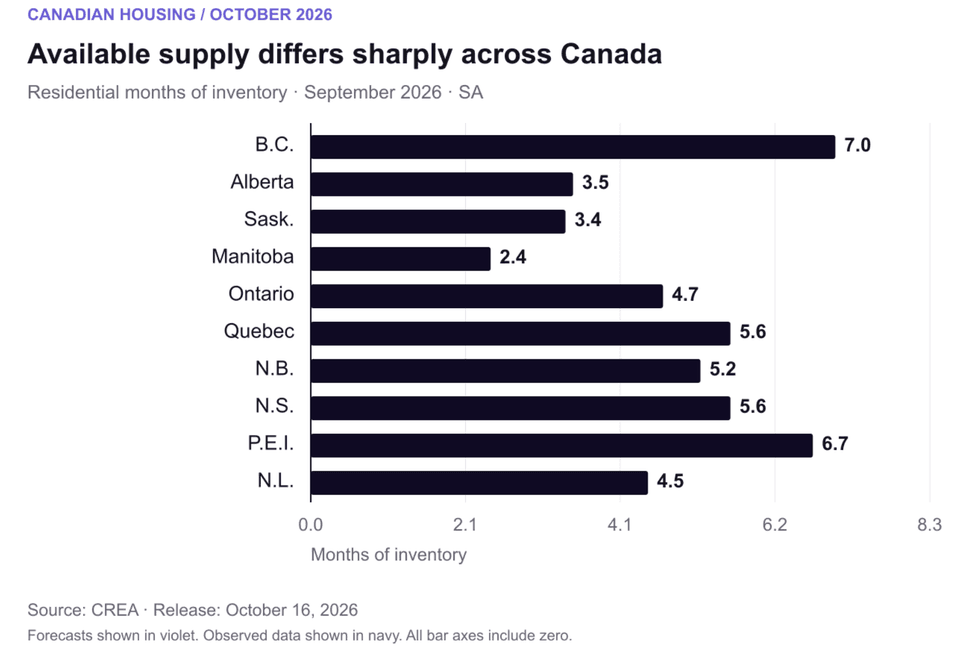 Seasonally adjusted residential months of inventory by province. Local property types can differ substantially. Chart:
 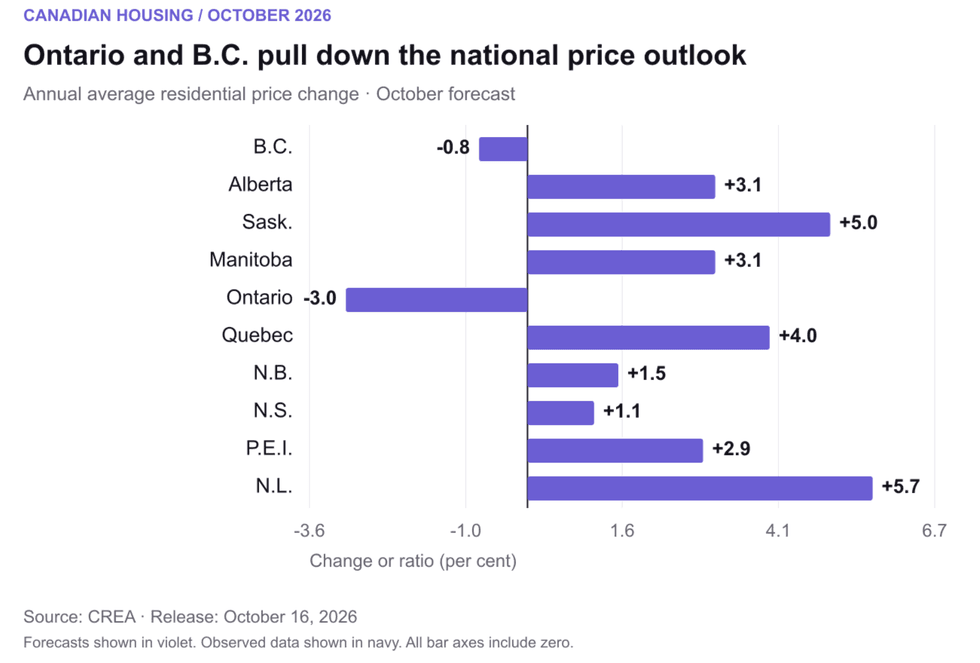 Ontario and B.C. are the two provinces with forecast annual average-price declines in 2026. Chart:
 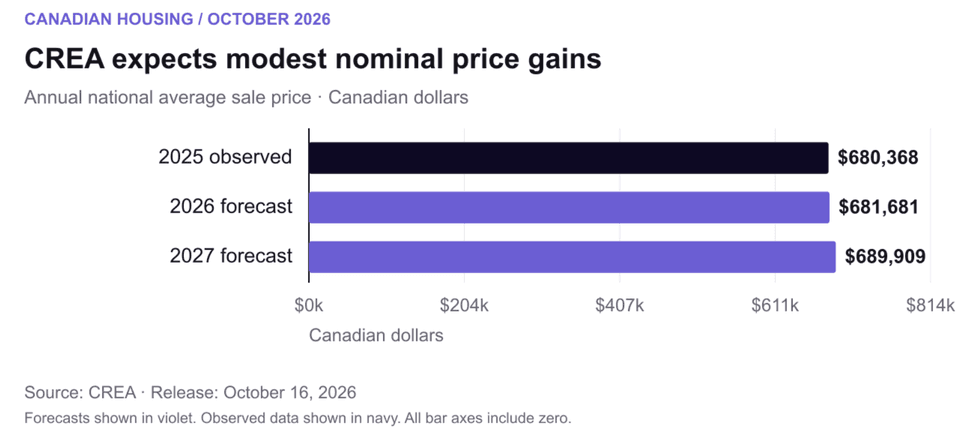 Annual average transaction prices in Canadian dollars. Forecast values are not December price targets. Chart:
 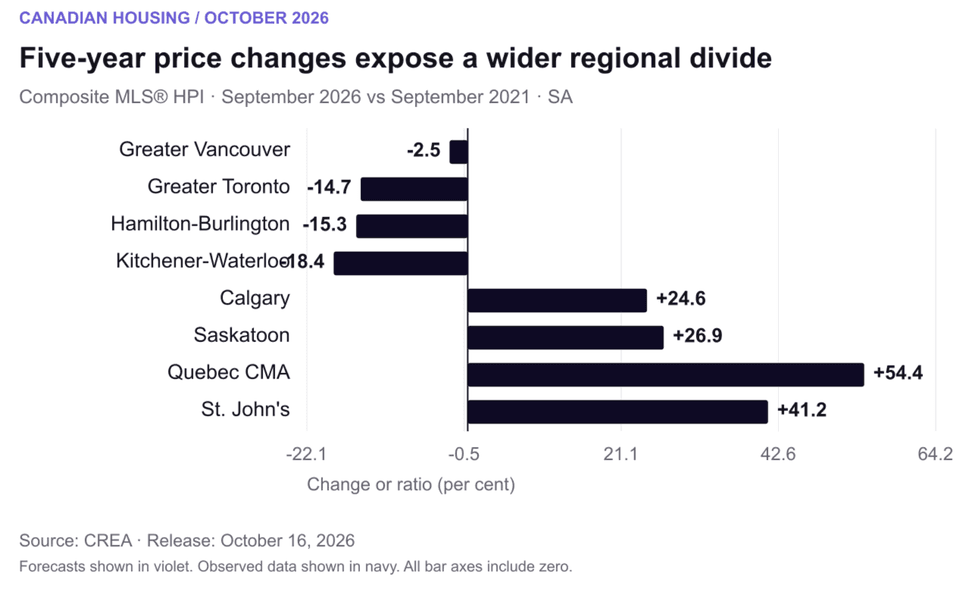 Five-year changes in seasonally adjusted composite MLS® HPI benchmarks, September 2021 to September 2026. Chart: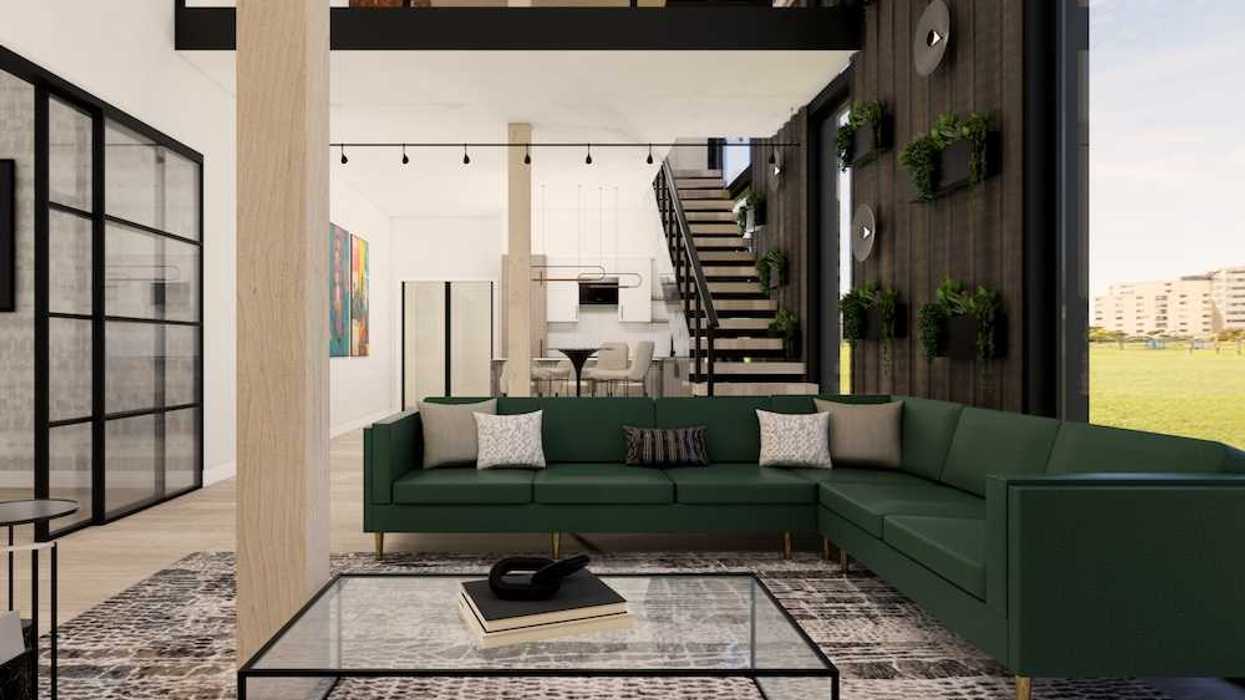


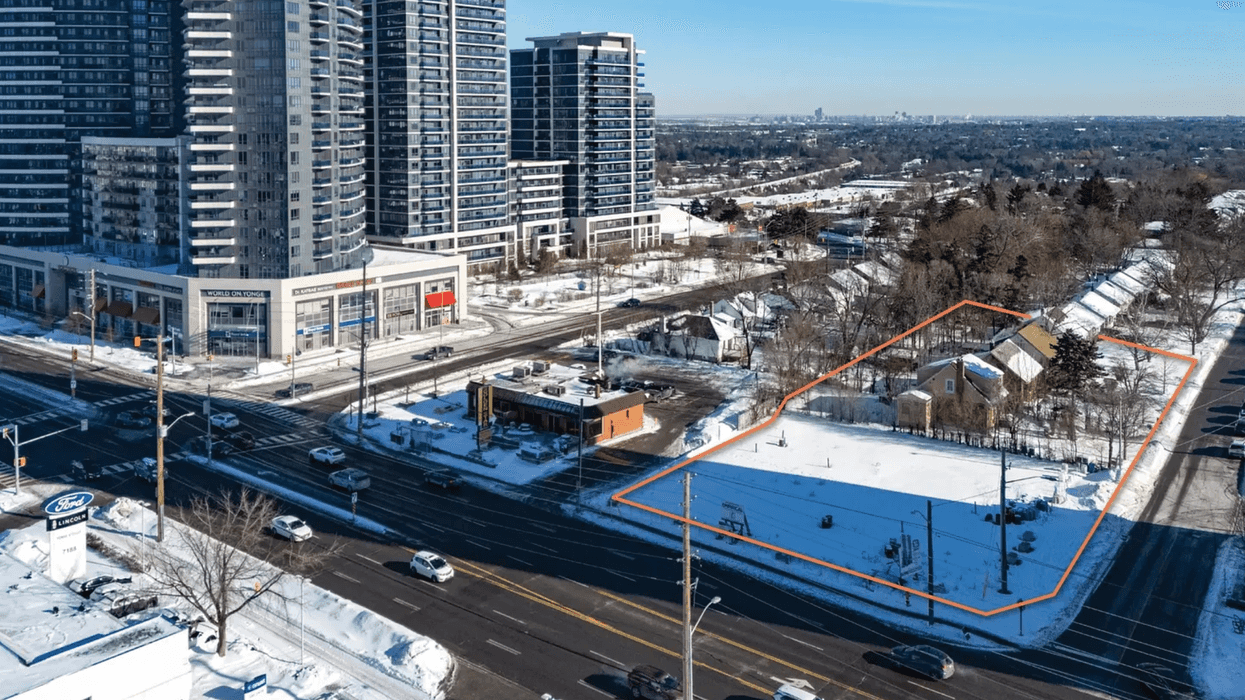
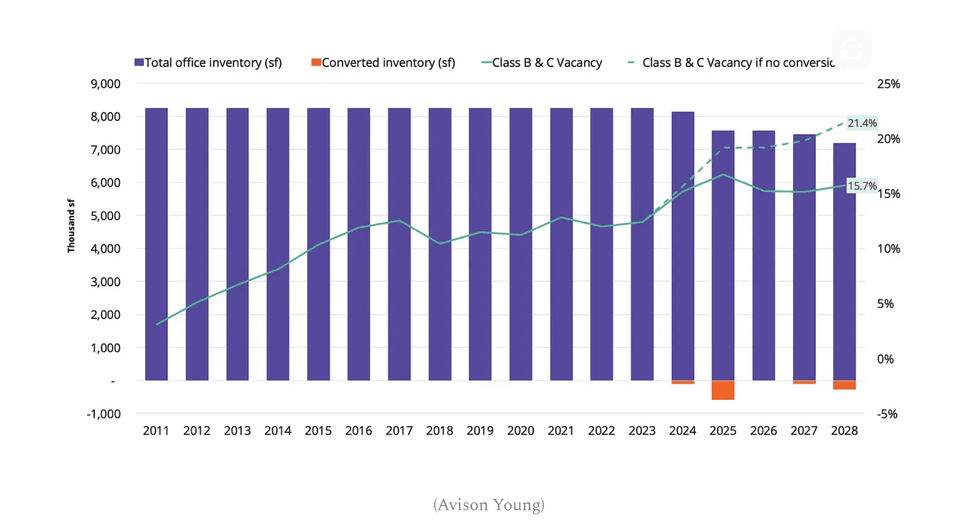 (Avison Young)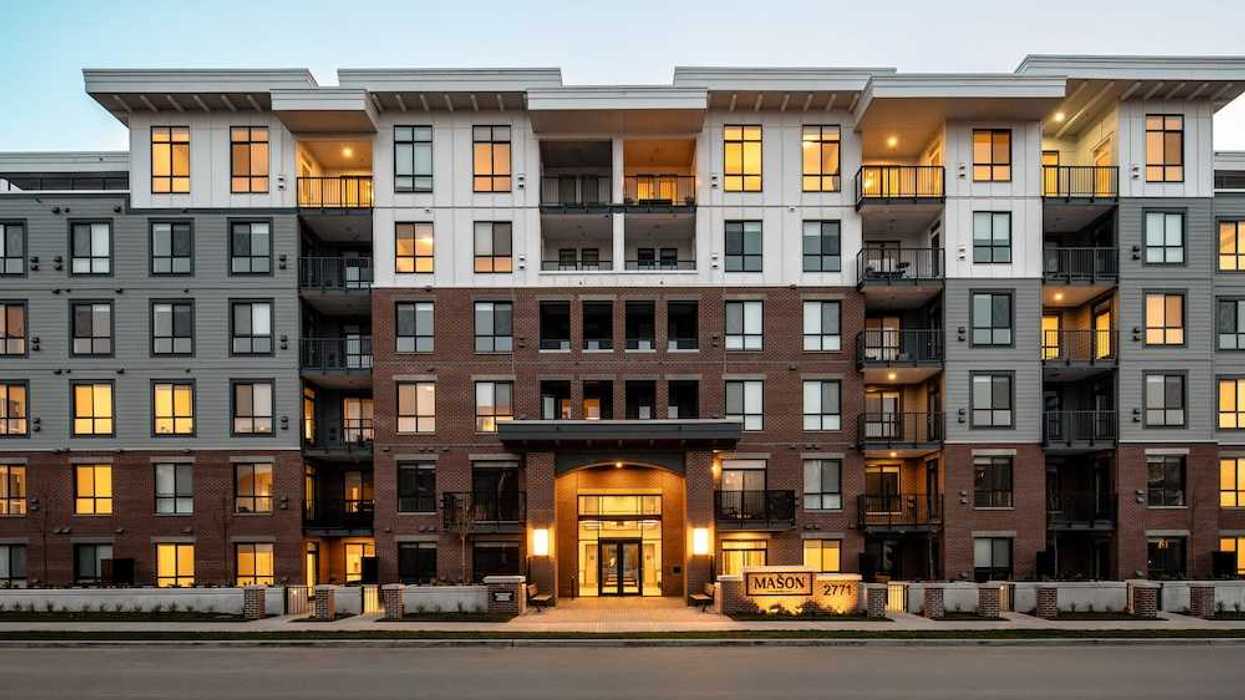
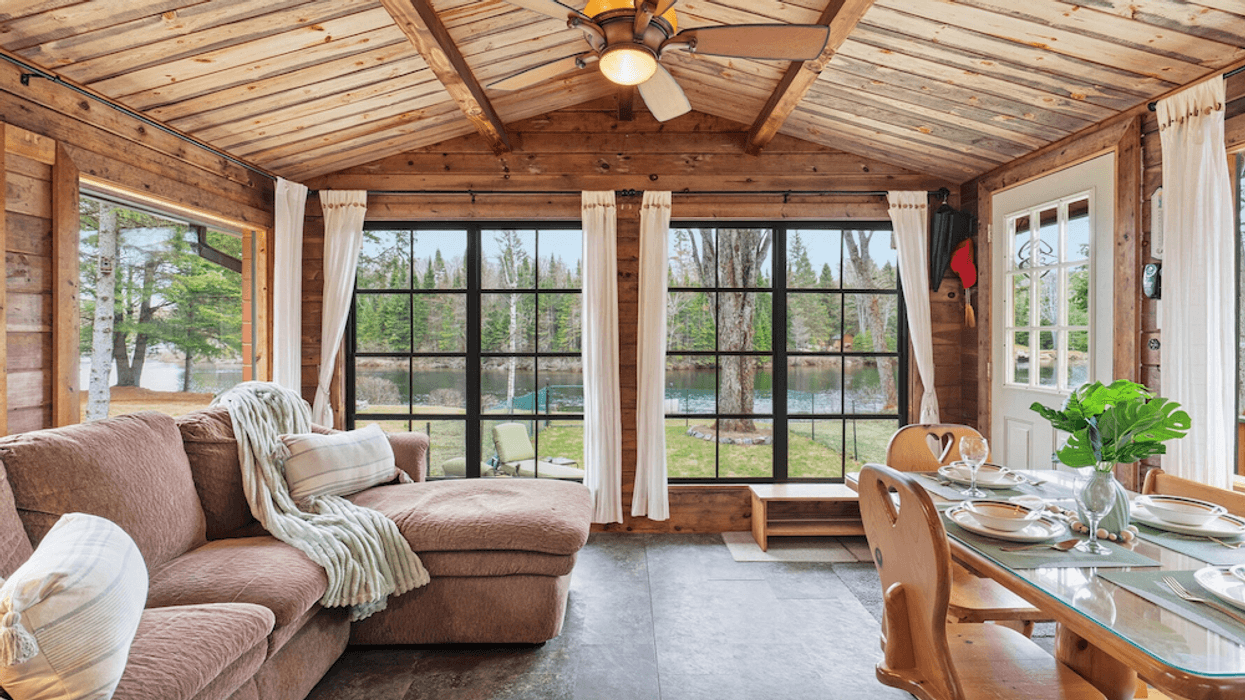
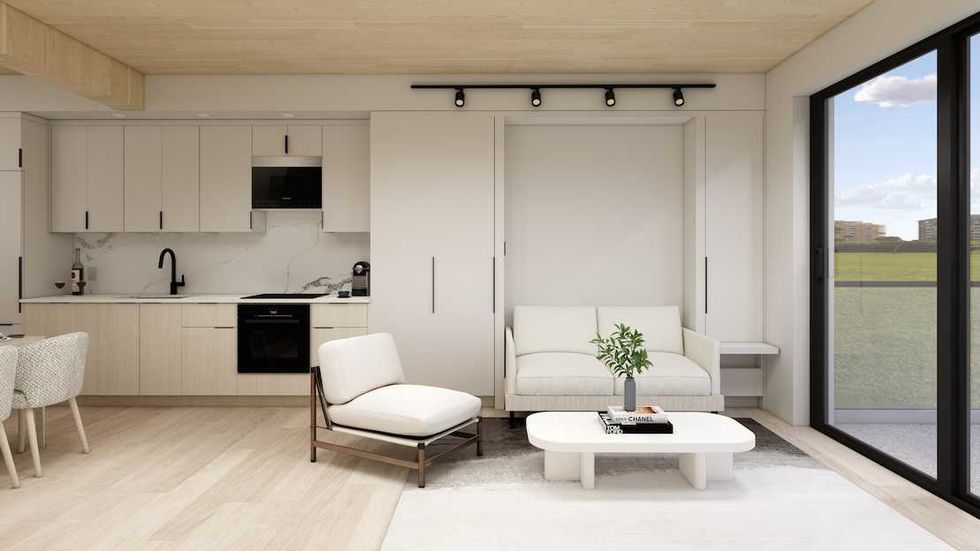
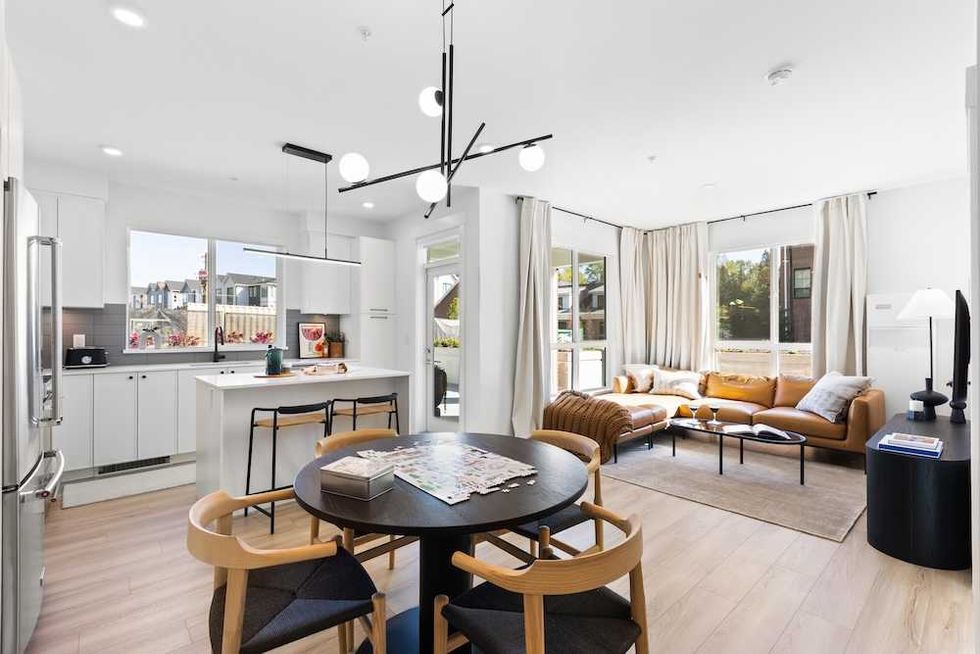 The Mason Suite Interior (Infinity Properties)
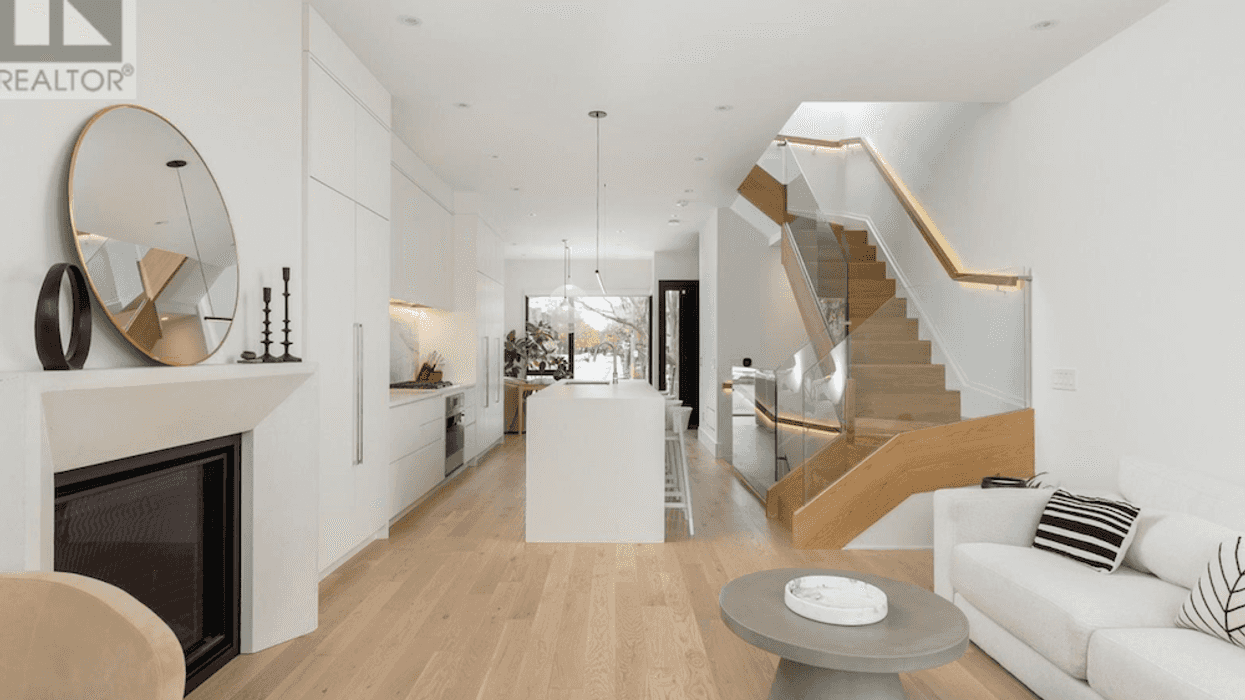
 The Mason Suite Interior (Infinity Properties)
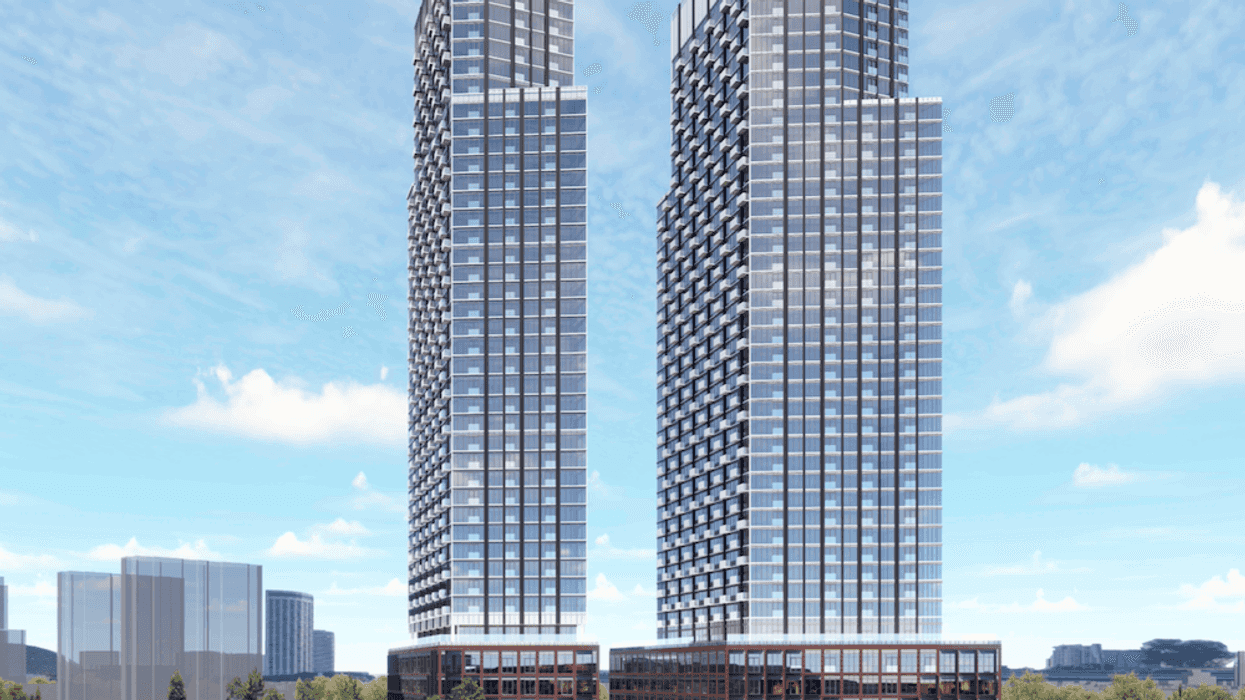
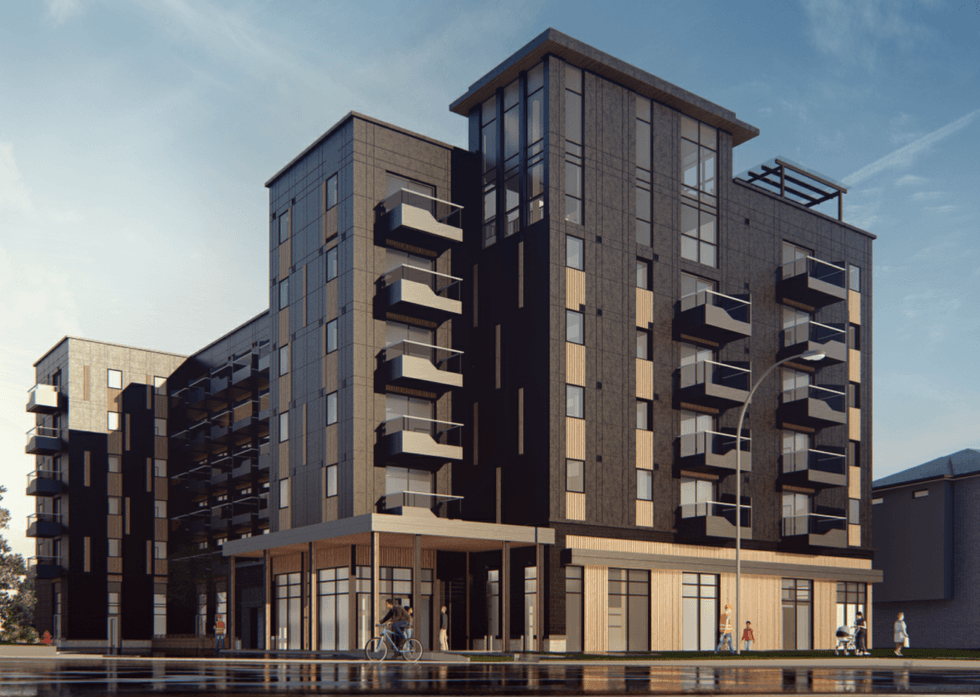
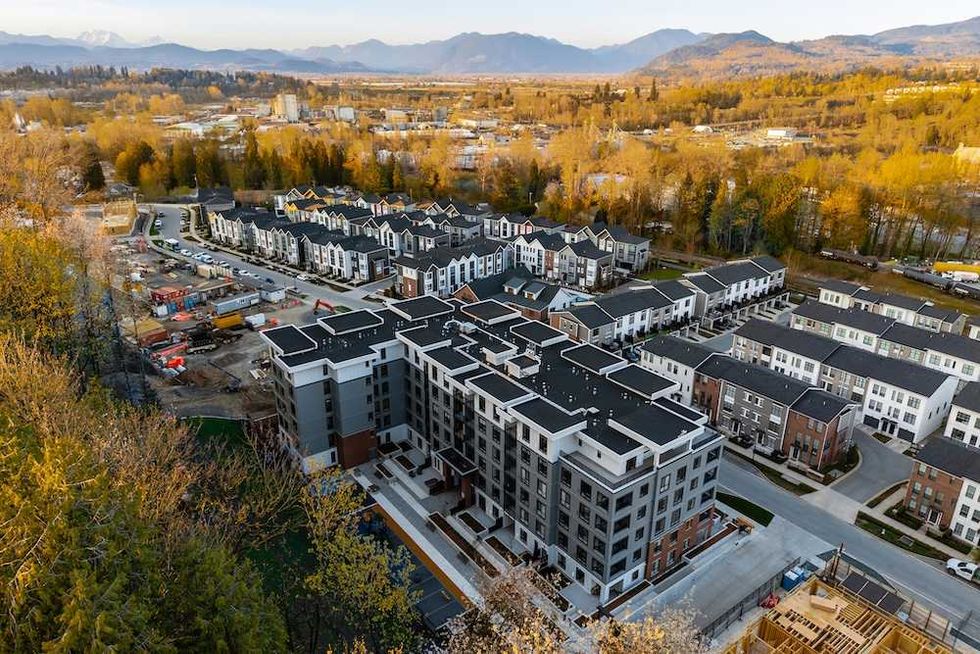 Rail District aerial (Infinity Properties)
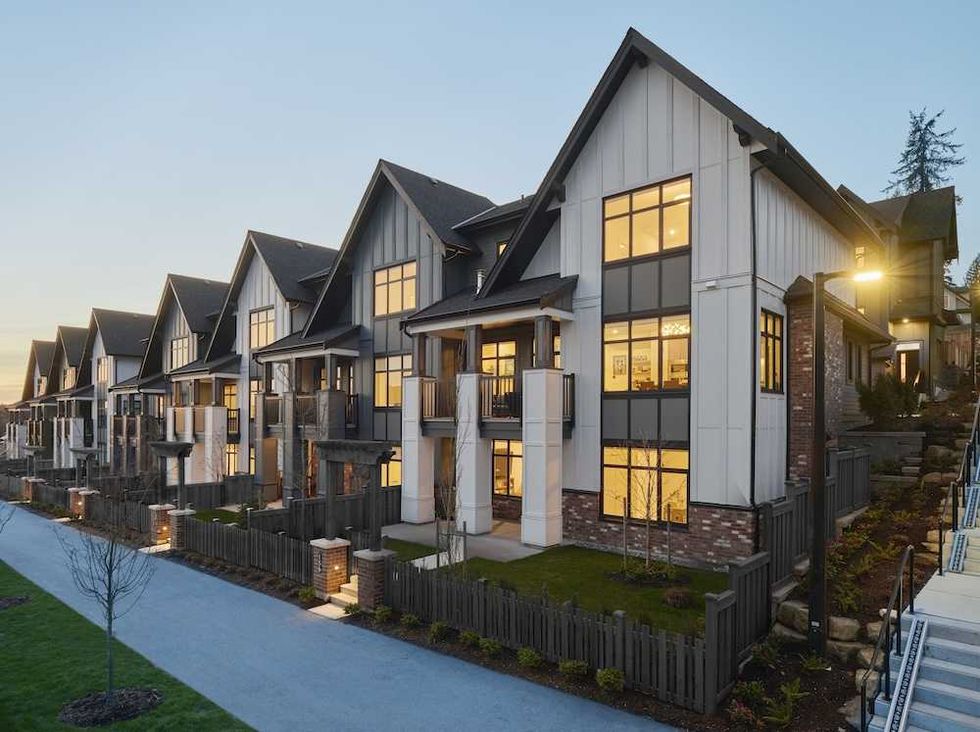 Versant (Infinity Properties)