Commercial Lease
Understand commercial leases in Canadian real estate, how they work, what types exist, and what business owners and landlords must consider.

June 13, 2025
What is a Commercial Lease?
A commercial lease is a legally binding agreement between a landlord and a tenant for the rental of property used for business purposes, such as offices, retail, or industrial spaces.
Why Commercial Leases Matter in Real Estate
In Canadian real estate, commercial leases differ significantly from residential leases in terms of negotiation, customization, and legal complexity.
Common commercial lease types:
- Gross lease: landlord pays most expenses
- Net lease: tenant pays base rent plus some expenses
- Triple net lease (NNN): tenant pays all operating costs
Commercial leases often involve longer terms, tenant improvements, and clauses for renewal, assignment, and termination.
Understanding commercial leases is critical for business owners, landlords, and investors managing risk, obligations, and occupancy rights.
Example of a Commercial Lease in Action
The business signs a five-year commercial lease with renewal options and tenant improvement allowances for their downtown retail store.
Key Takeaways
- Used for leasing business and retail spaces
- Often longer and more complex than residential leases
- Includes various lease types with cost-sharing structures
- Key for occupancy rights and investment planning
- Requires legal review and negotiation
Related Terms
- Triple Net Lease
- Gross Lease
- Tenant Improvements
- Lease Agreement
- Zoning
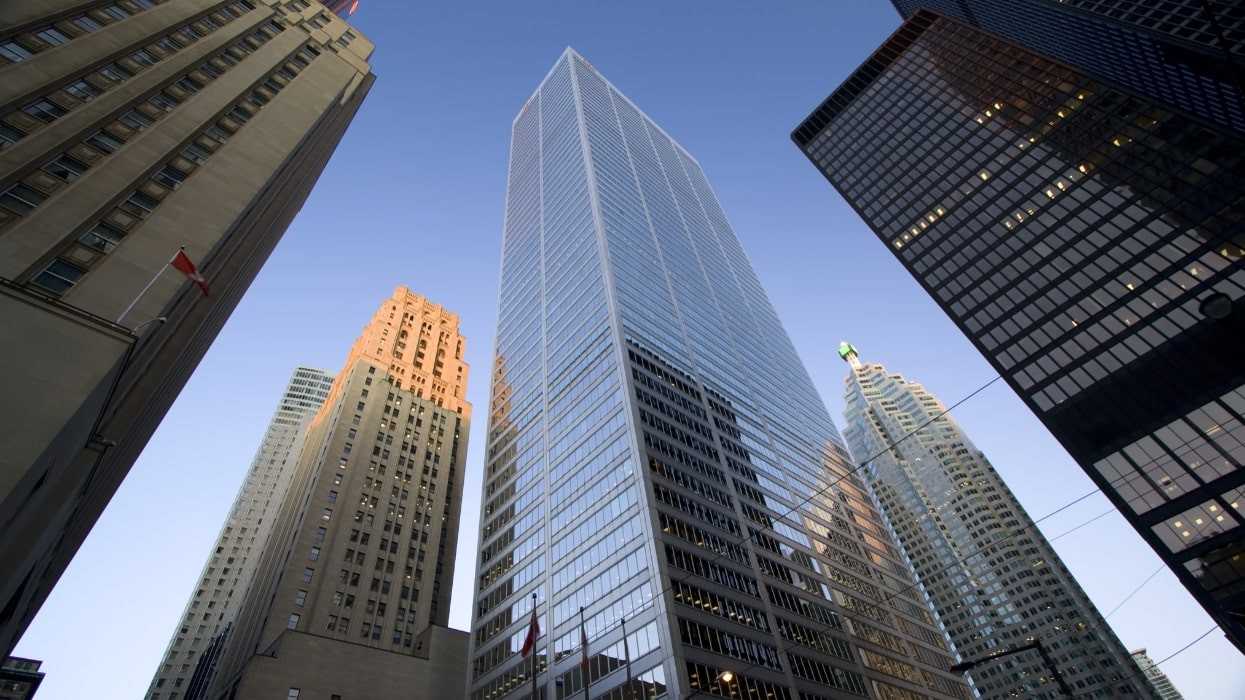
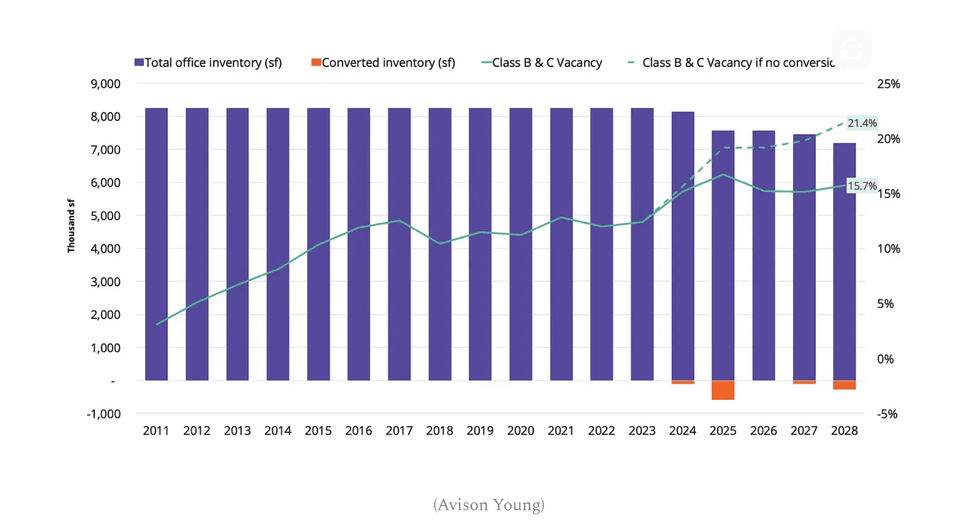 (Avison Young)
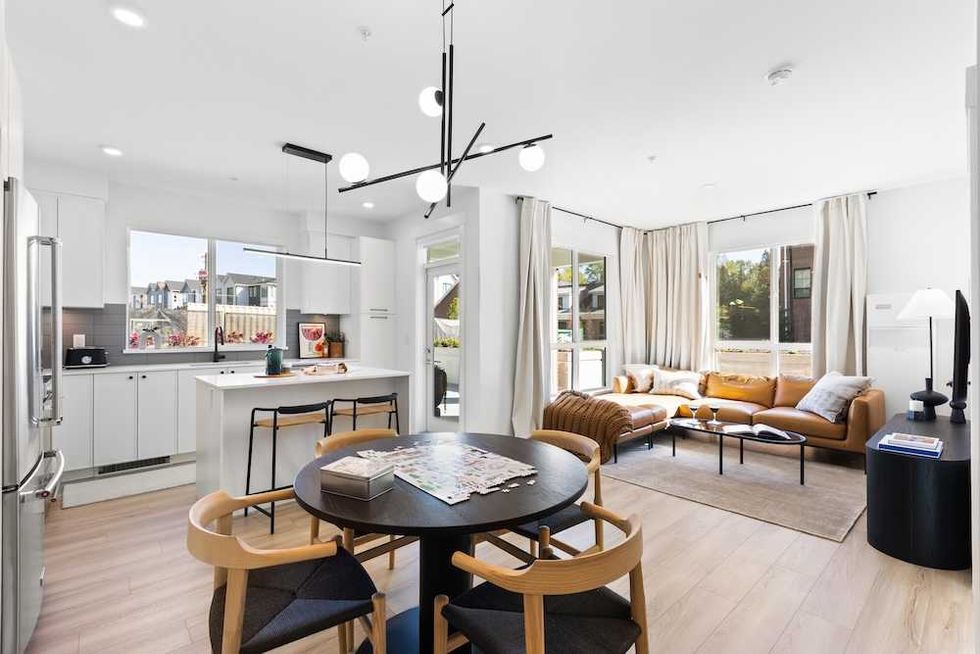 The Mason Suite Interior (Infinity Properties)
 The Mason Suite Interior (Infinity Properties)
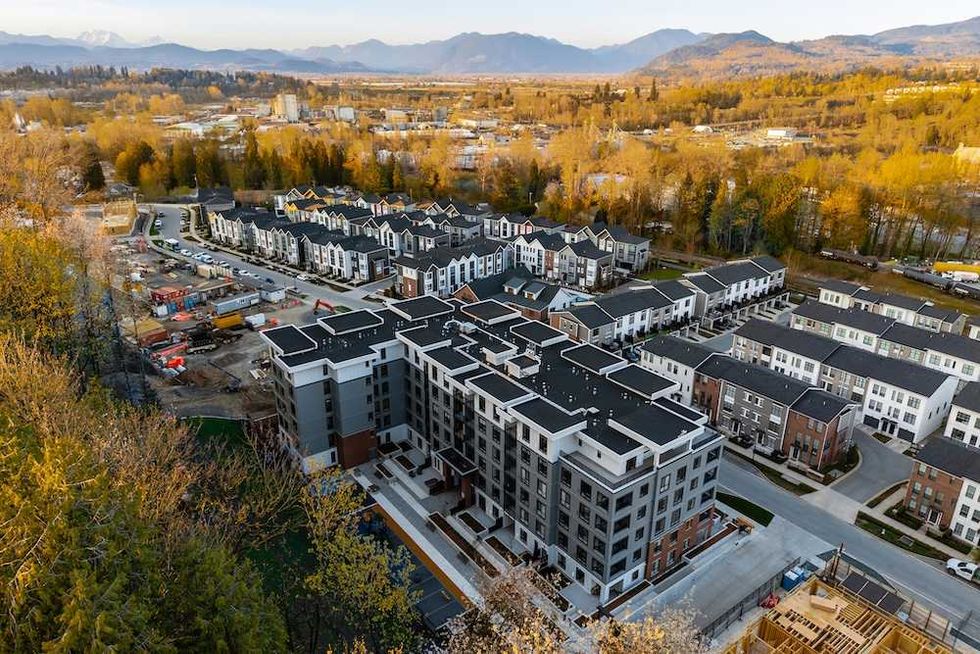 Rail District aerial (Infinity Properties)
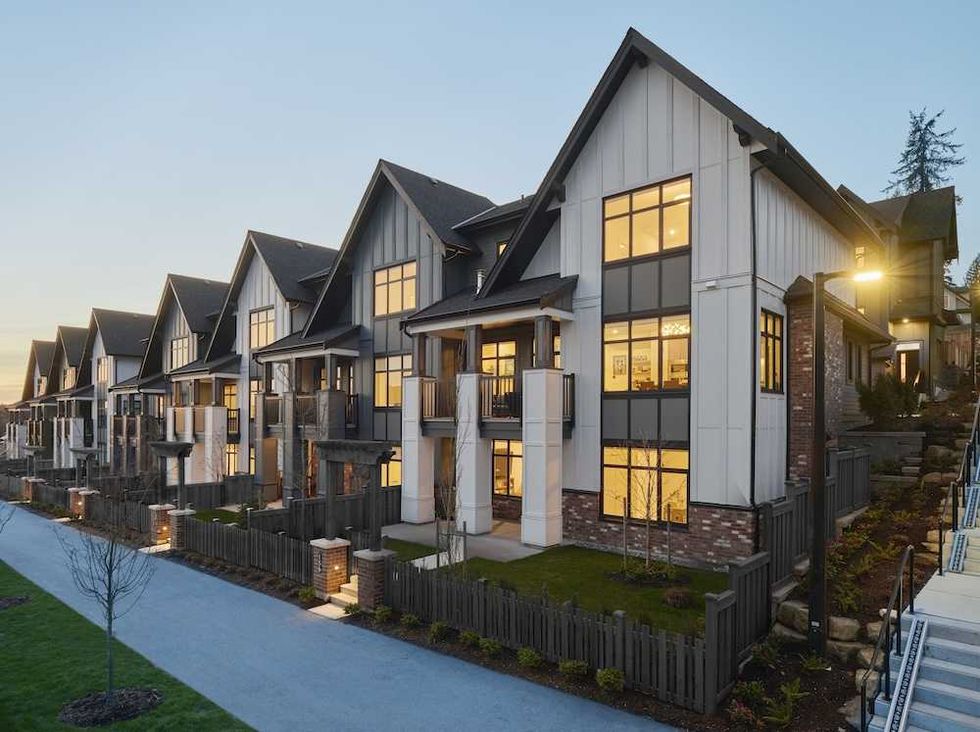 Versant (Infinity Properties)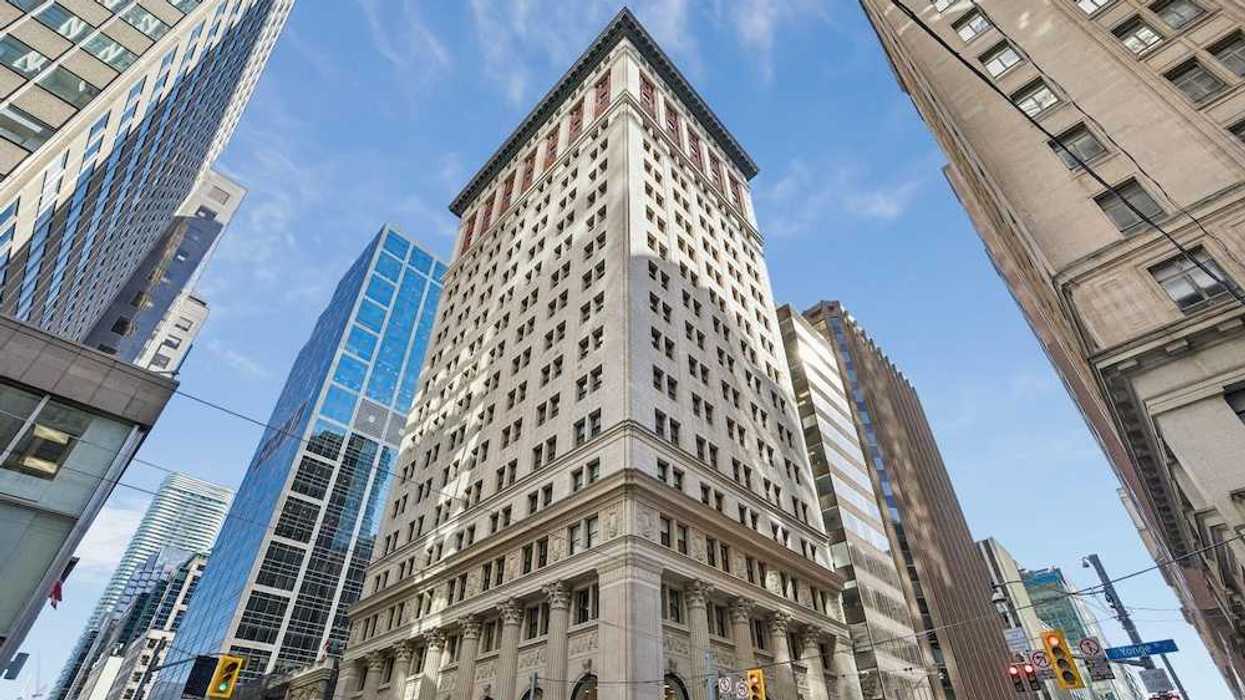
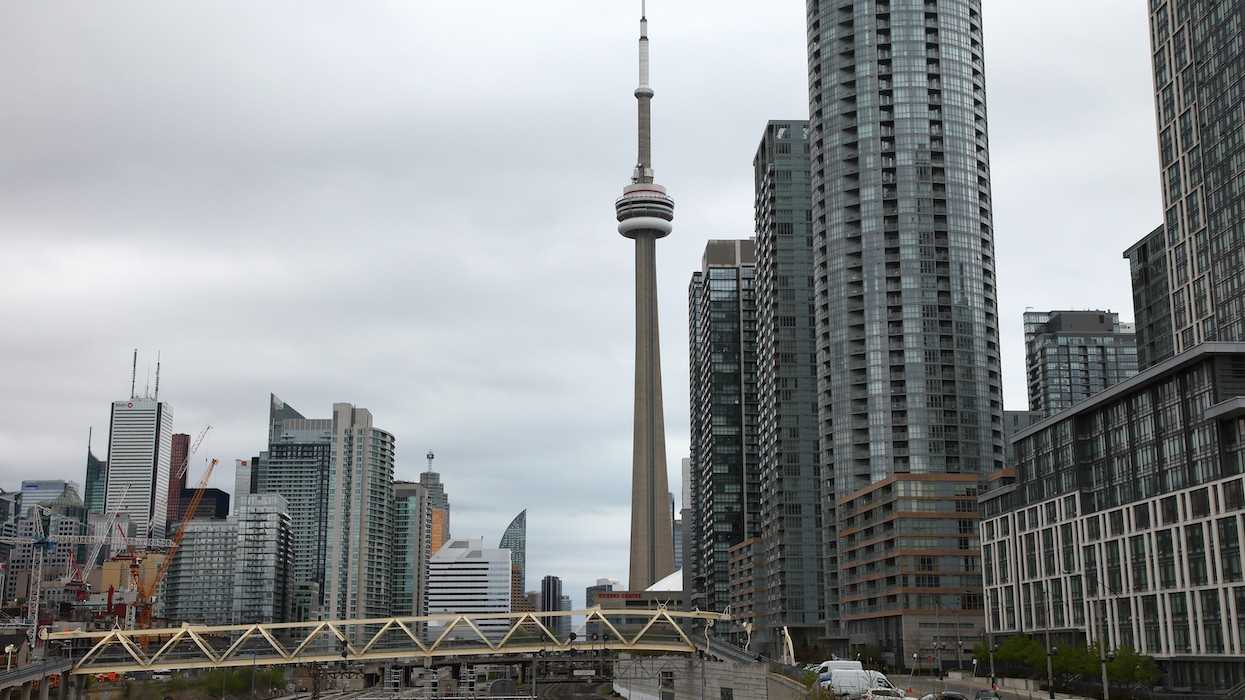



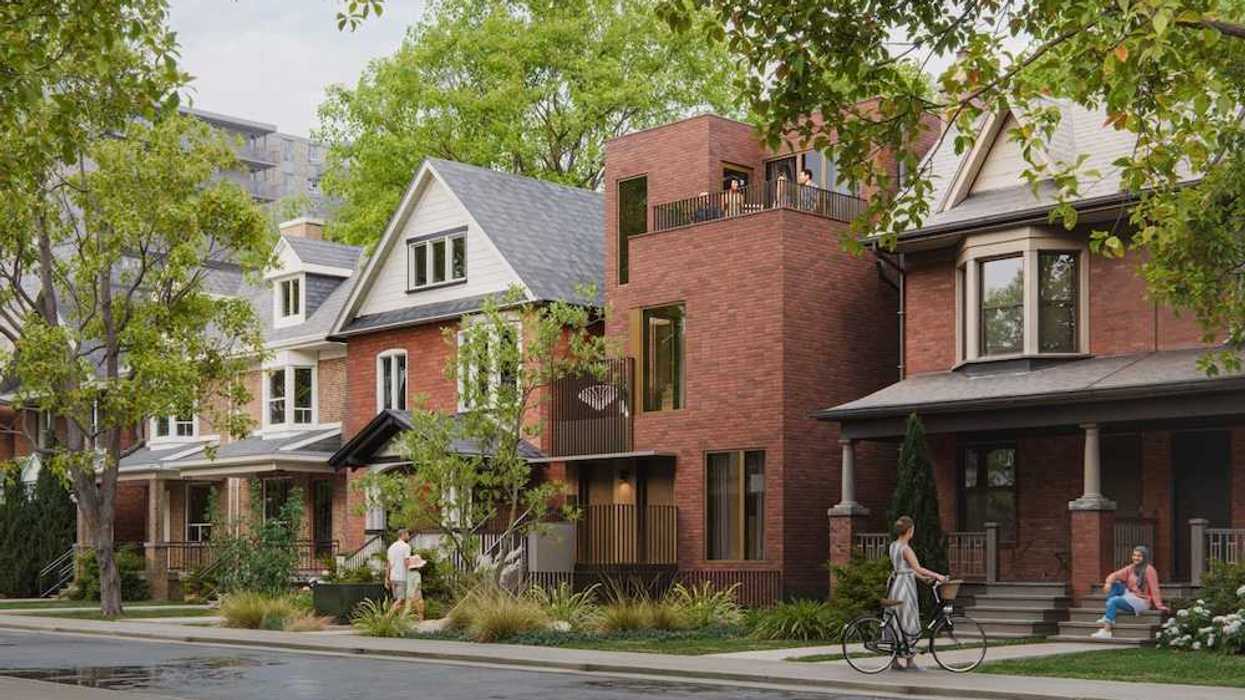
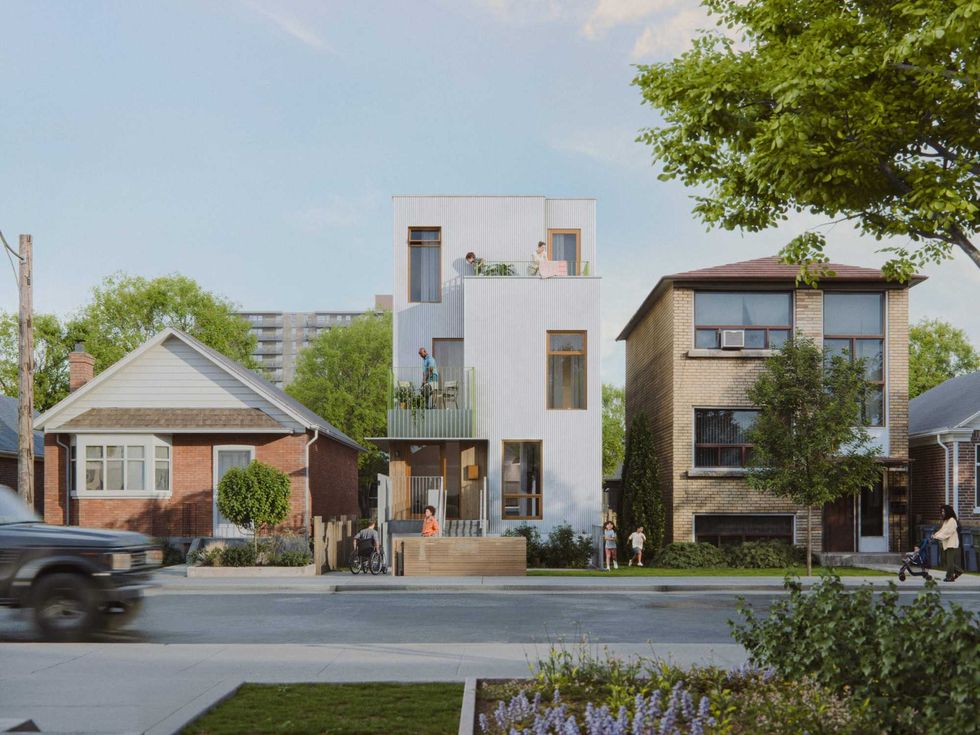 Narrow Fourplex (City of Toronto)
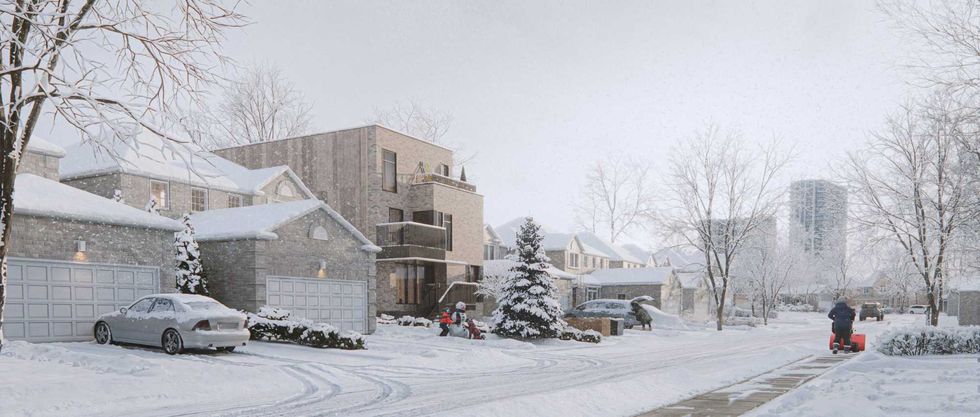 Wide Sixplex - Side View (City of Toronto)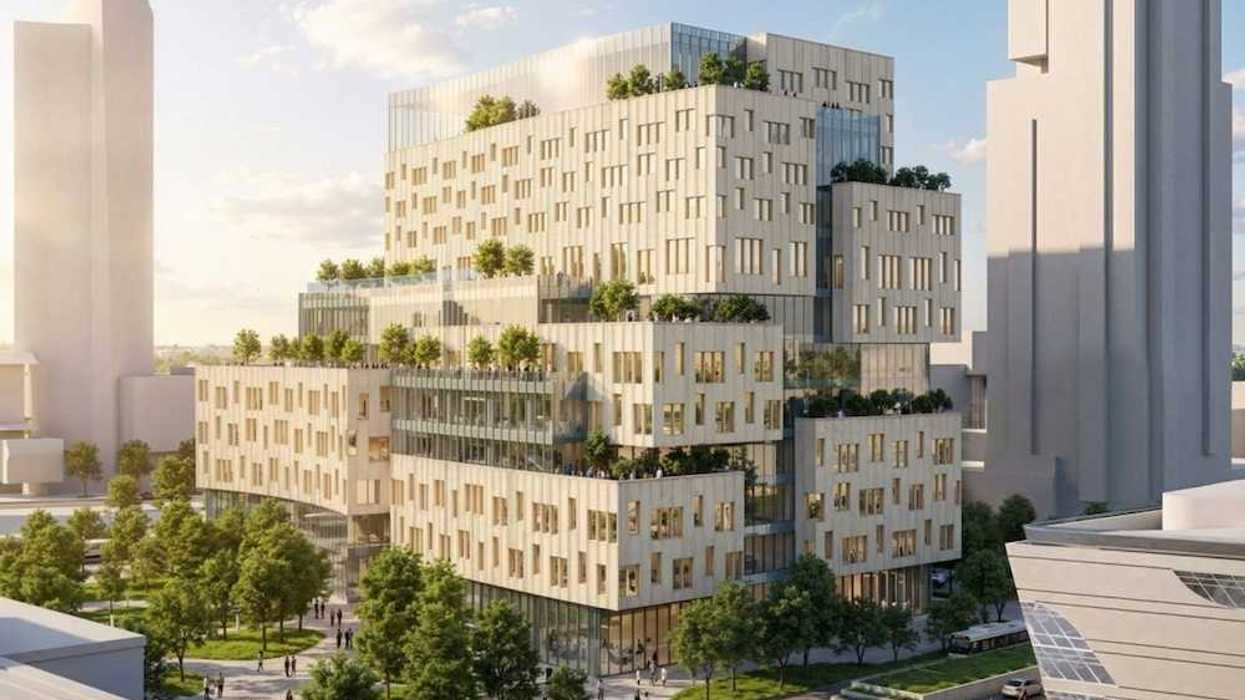
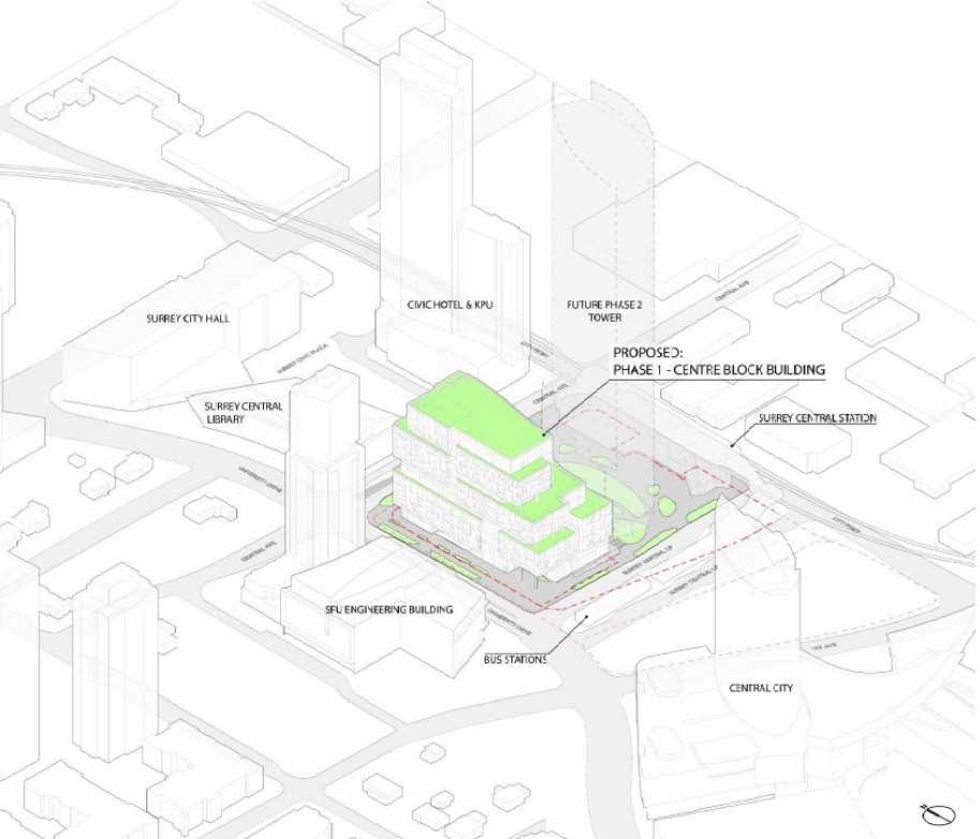 Centre Block and its surrounding context. (Stantec-Revery, SCDC)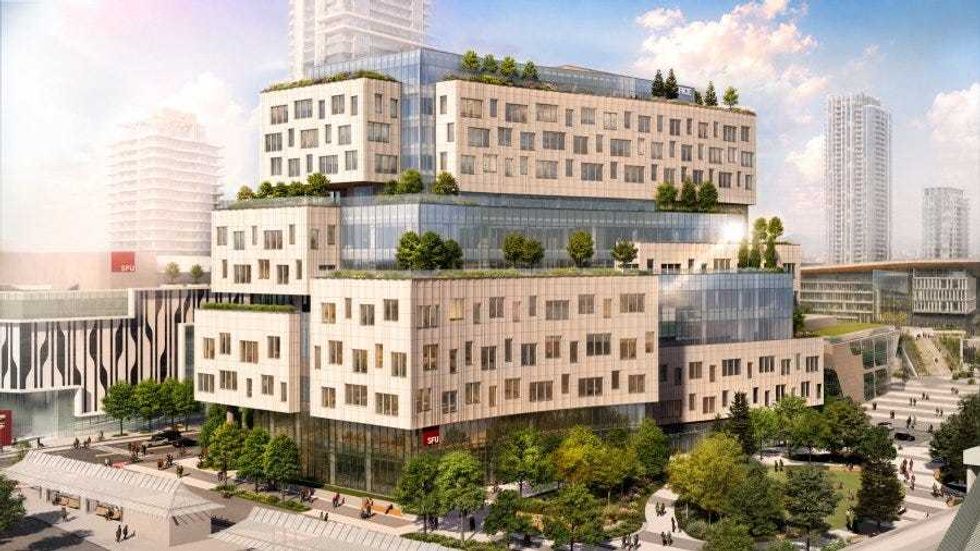
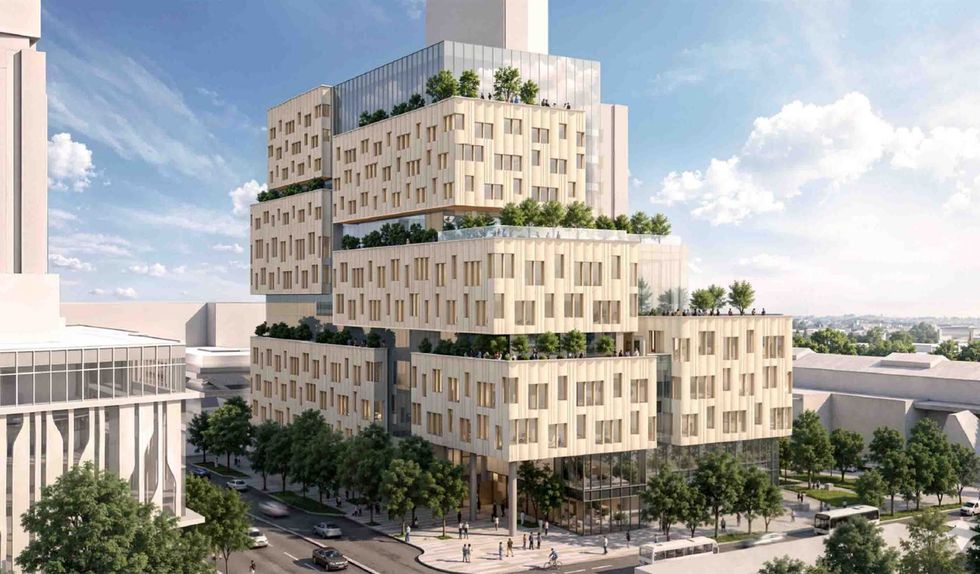 The 12-storey Phase One of Centre Block. (Stantec-Revery, SCDC)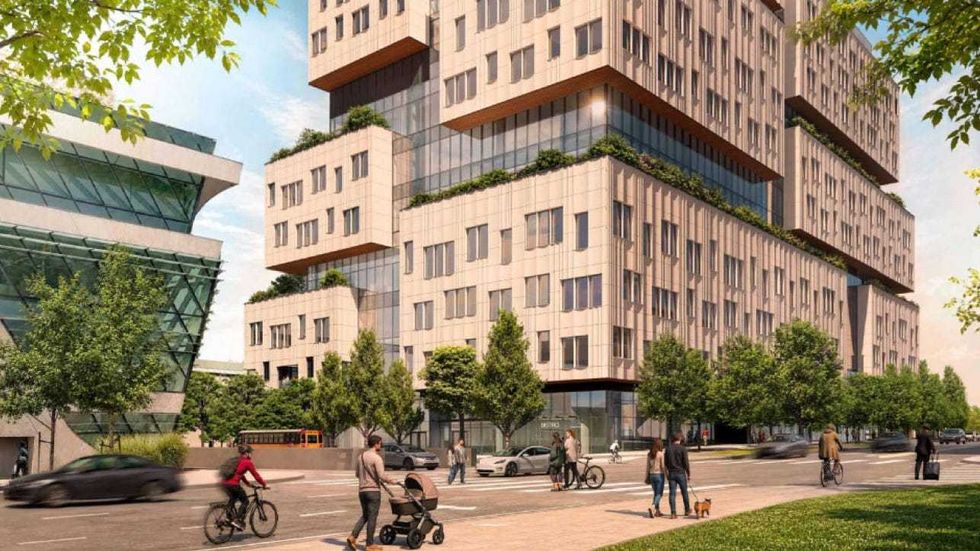
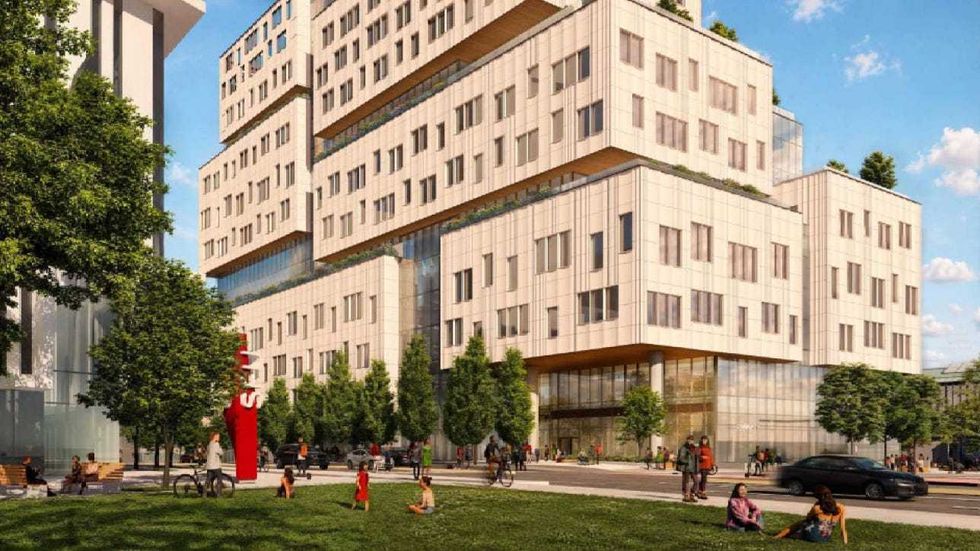 The 12-storey Phase One of Centre Block. (Stantec-Revery, SCDC)
 Mondria One, set for 1607 King Street East in Clarington, Ontario. (ICON Architects Inc., Monde Development Group)