Lease Agreement
Understand how lease agreements work in Canadian real estate, what they must include, and how they protect tenants and landlords alike.
May 22, 2025
What is a Lease Agreement?
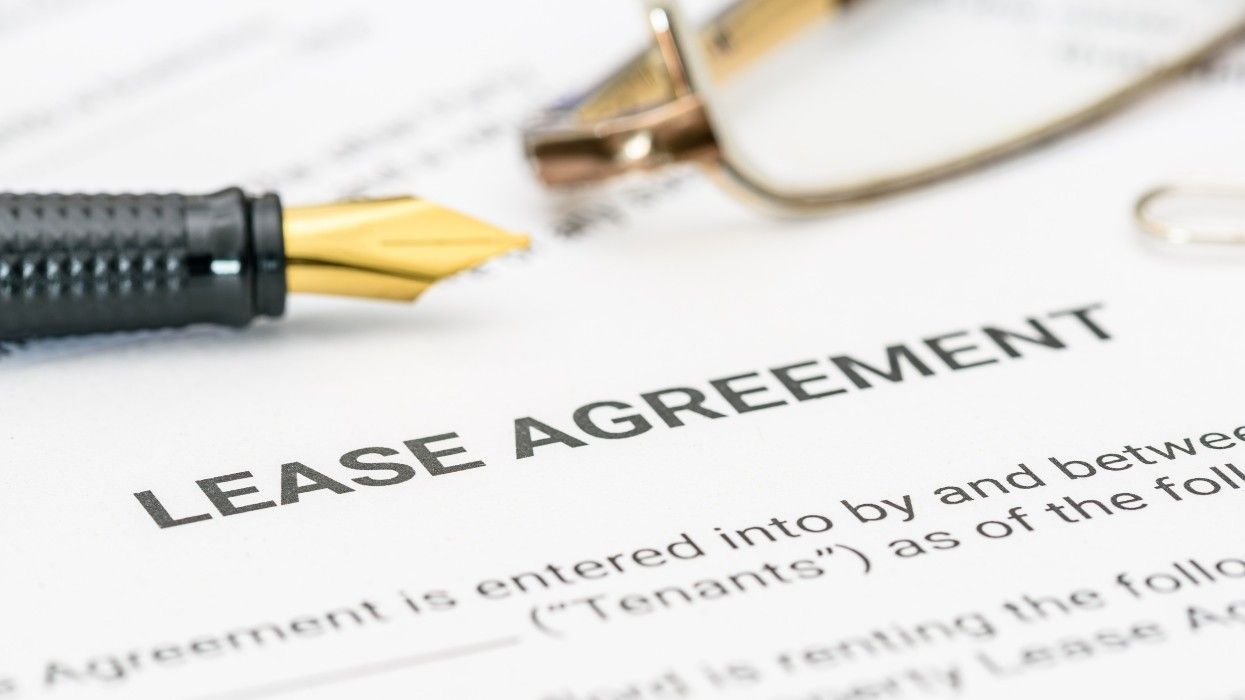
A lease agreement is a legally binding contract between a landlord and a tenant outlining the terms and conditions under which the tenant may occupy and use a property.
Why Lease Agreements Matter in Real Estate
In Canadian real estate, lease agreements are critical for defining the rights and responsibilities of both landlords and tenants.
A standard lease includes:- Monthly rent amount and payment schedule
- Term of lease (fixed-term or month-to-month)
- Security deposit details
- Rules for pets, smoking, guests, and repairs
- Termination and renewal clauses
Some provinces, like Ontario, require landlords to use a standard government-issued lease form. Both parties must sign the agreement, and landlords must provide a copy to the tenant.
Lease agreements protect both sides: landlords gain legal recourse in case of non-payment or damage, and tenants secure housing and tenancy rights. Clarity in the lease prevents disputes and ensures compliance with provincial tenancy laws.
Understanding lease agreements is vital for anyone renting out or moving into a residential property.
Example of a Lease Agreement
A tenant signs a one-year lease at $2,000/month, with rules prohibiting subletting without the landlord’s written permission and requiring 60 days’ notice before vacating.
Key Takeaways
- Legal contract between tenant and landlord.
- Defines rent, terms, and responsibilities.
- Required in all residential rental situations.
- Regulated by provincial tenancy laws.
- Must be clear to avoid disputes.
Related Terms
- Tenancy Agreement
- Landlord and Tenant Board
- Rental Rights
- Security Deposit
- Residential Lease
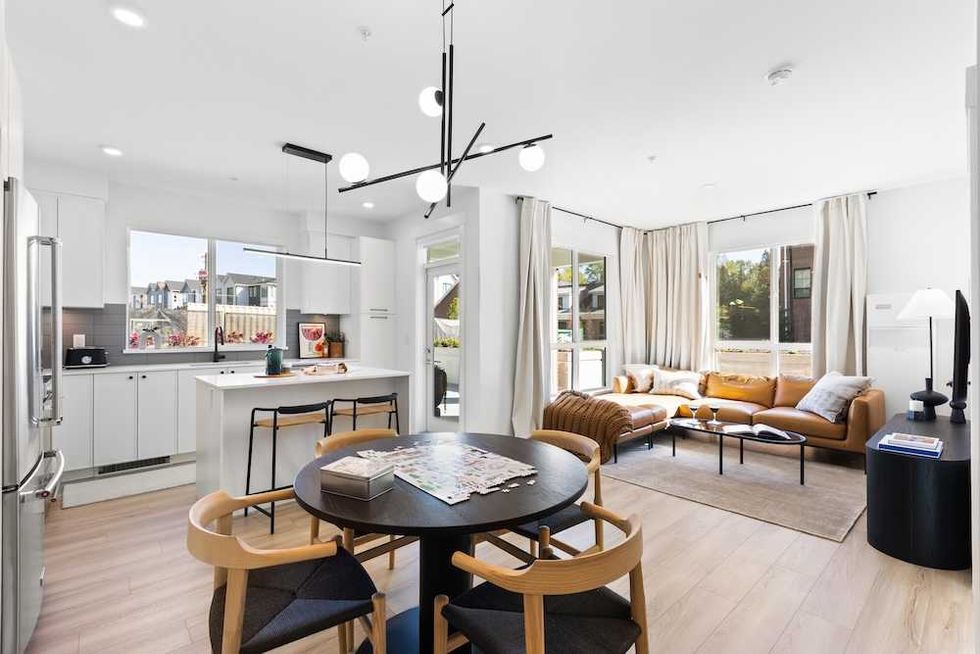 The Mason Suite Interior (Infinity Properties)
 The Mason Suite Interior (Infinity Properties)
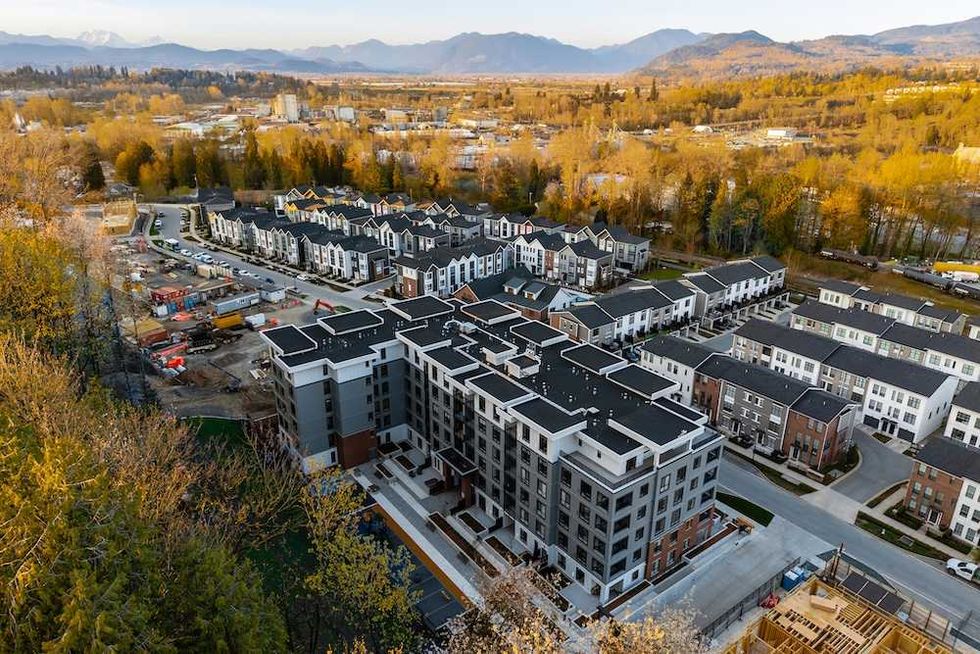 Rail District aerial (Infinity Properties)
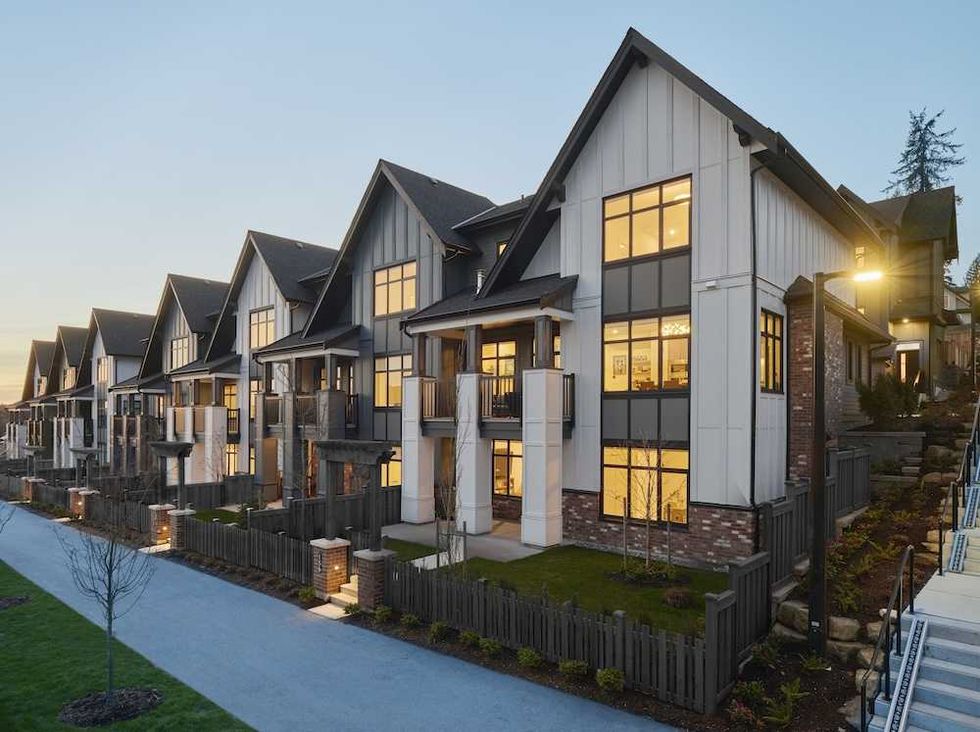 Versant (Infinity Properties)
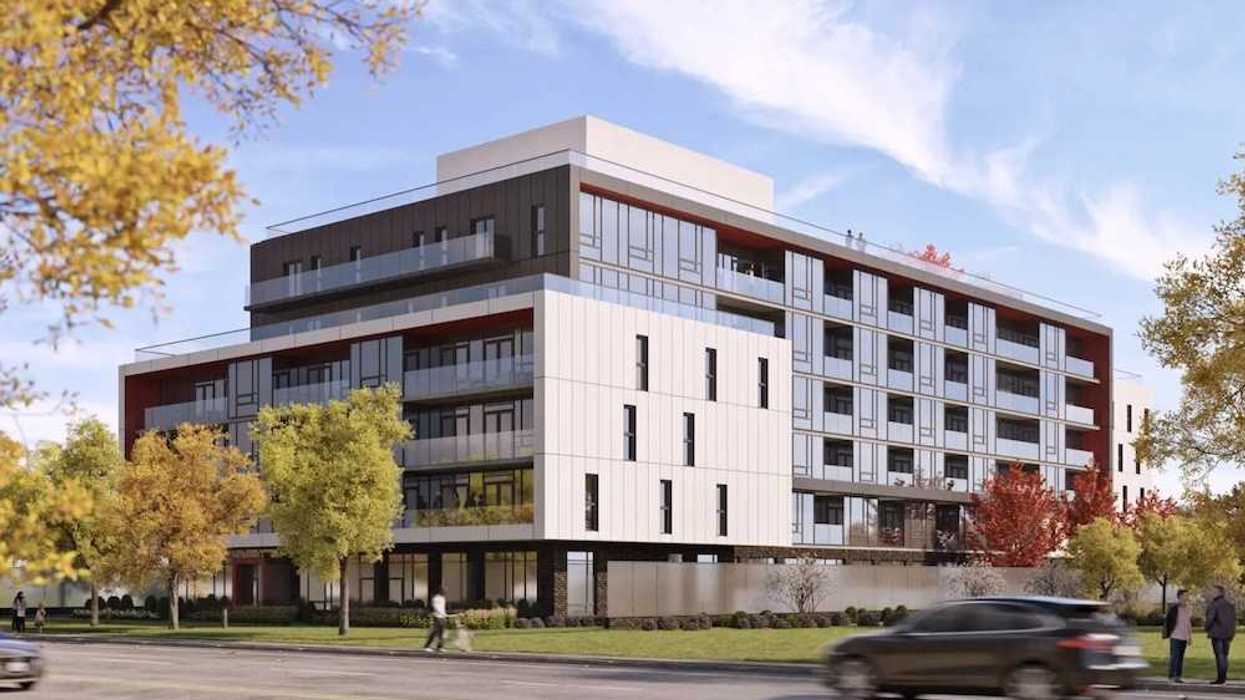
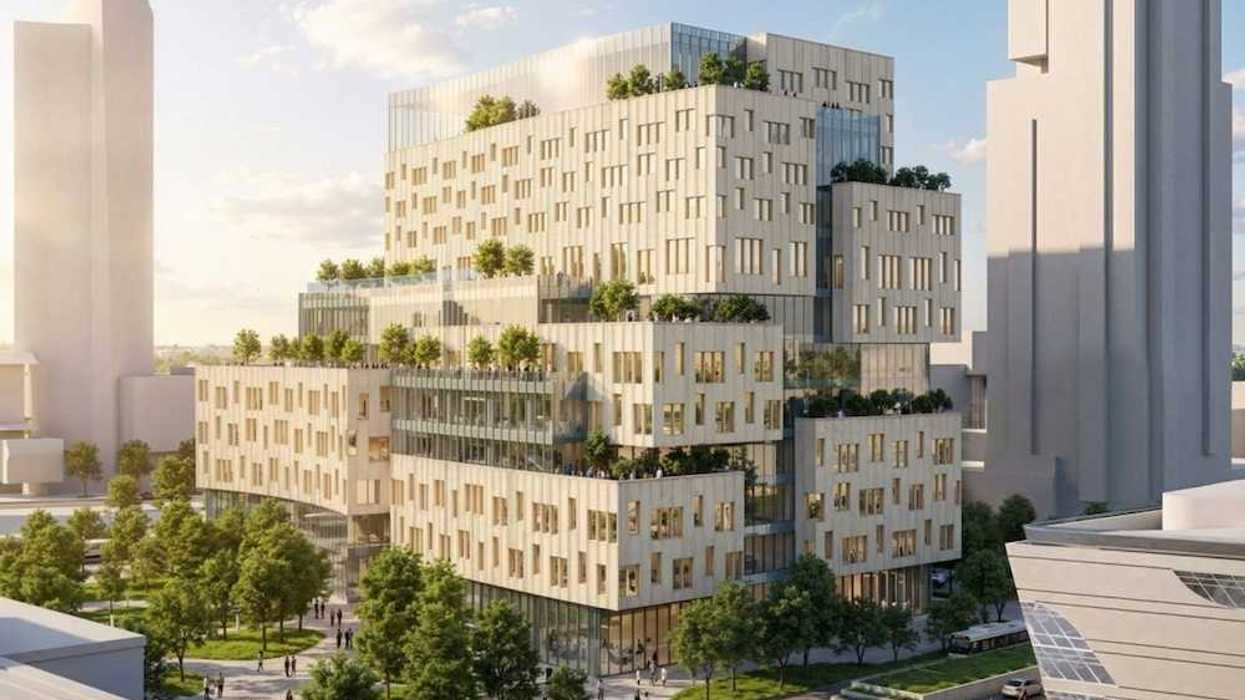
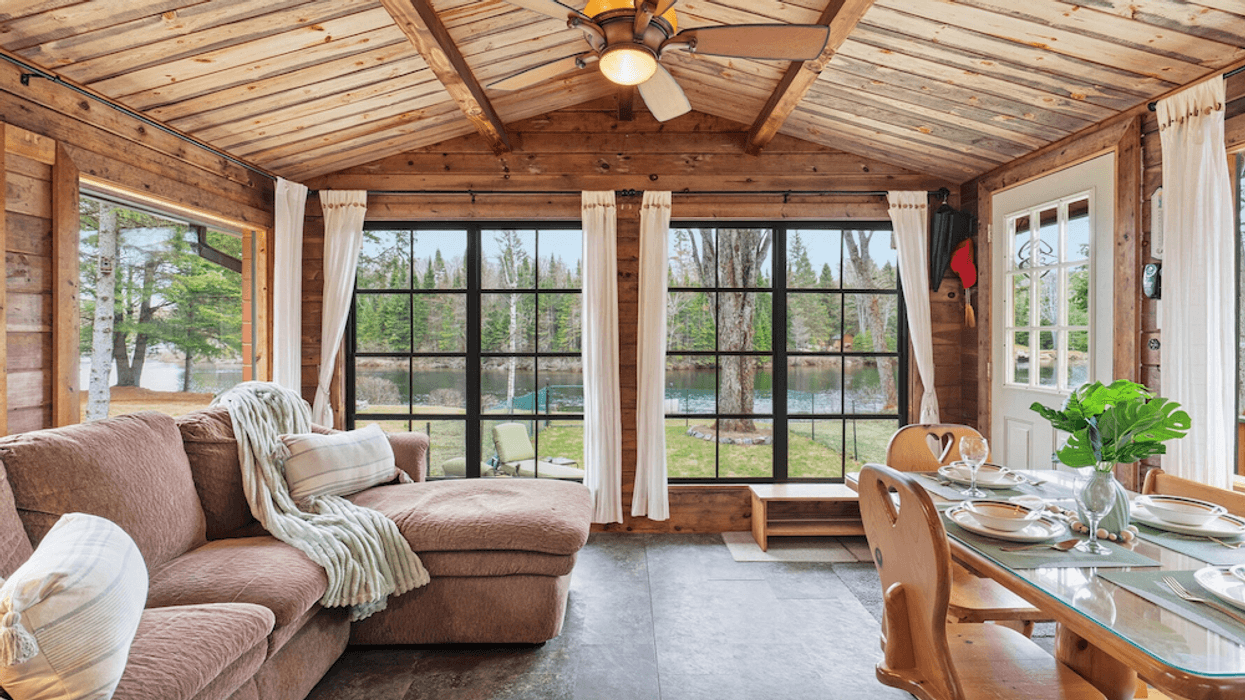

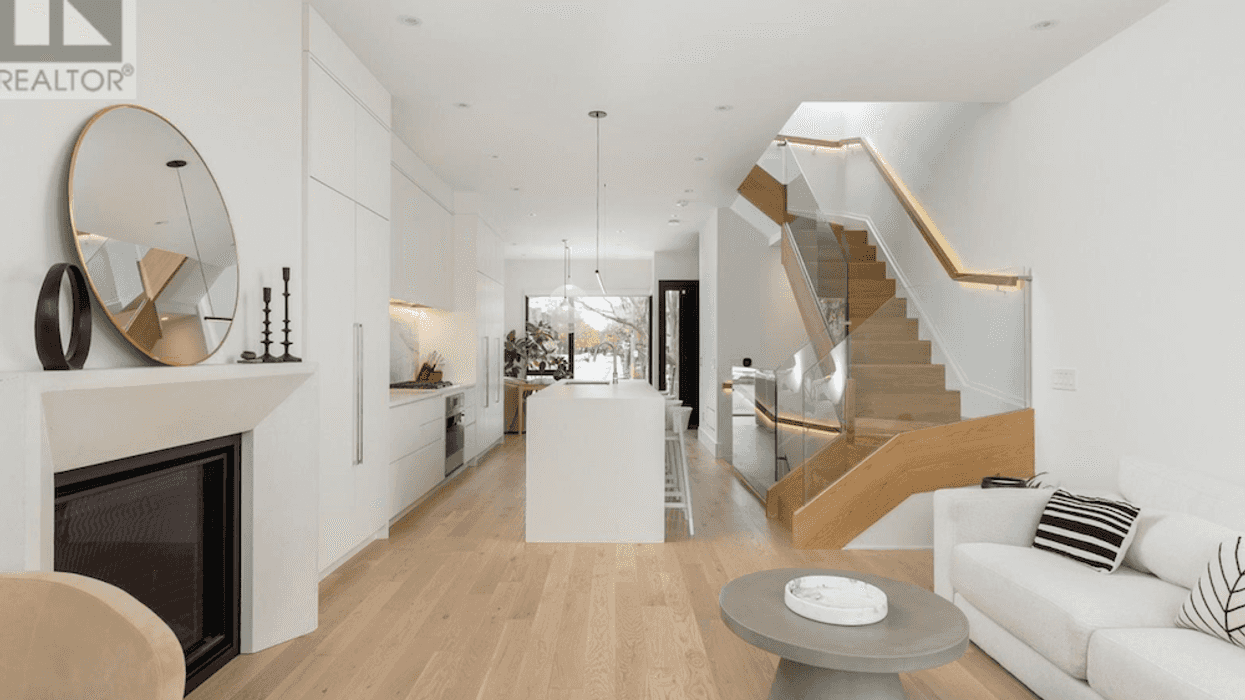


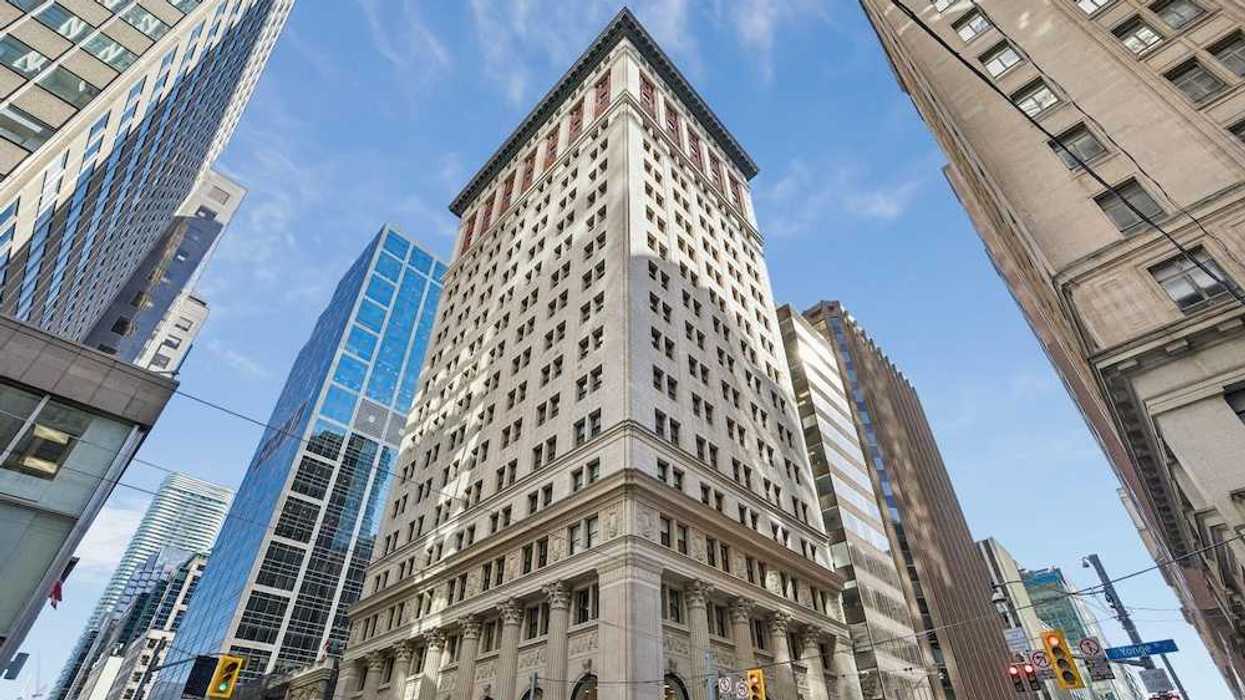
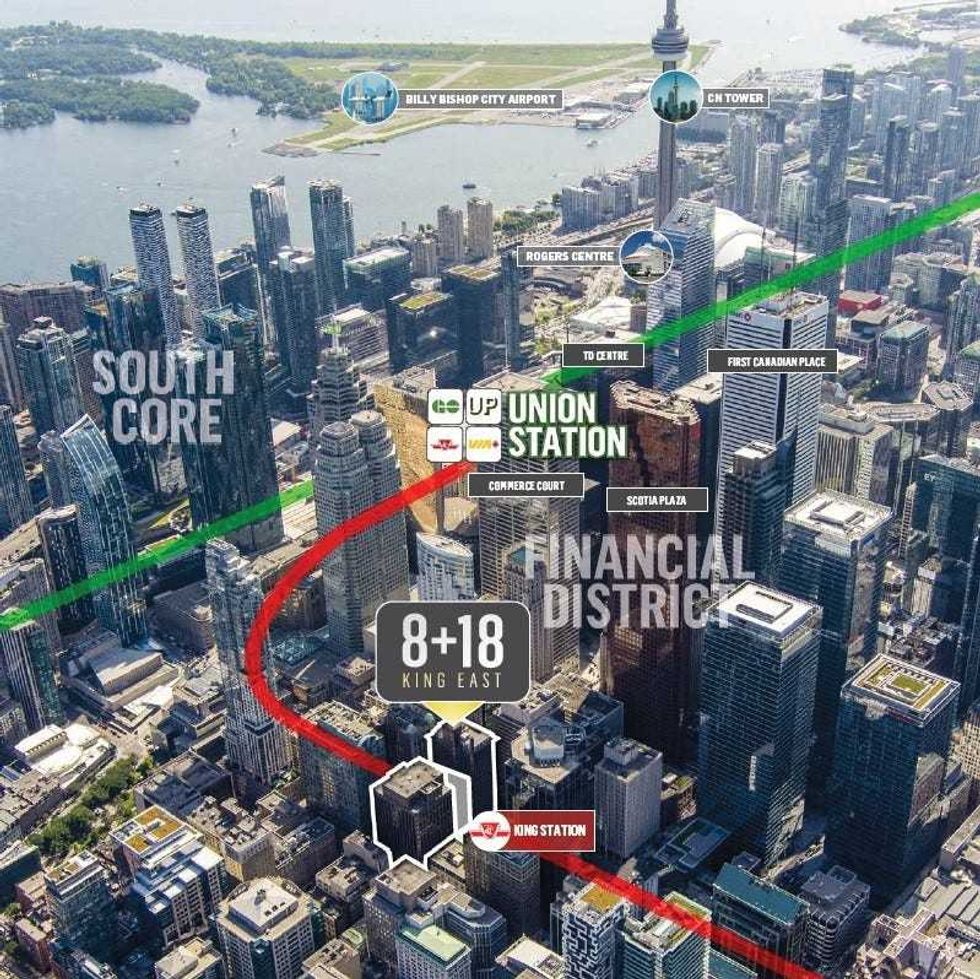 8 and 18 King Street East in Toronto. (RBC Capital Markets Realty)
 Interior photos of 8 and 18 King Street East. (RBC Capital Markets Realty)
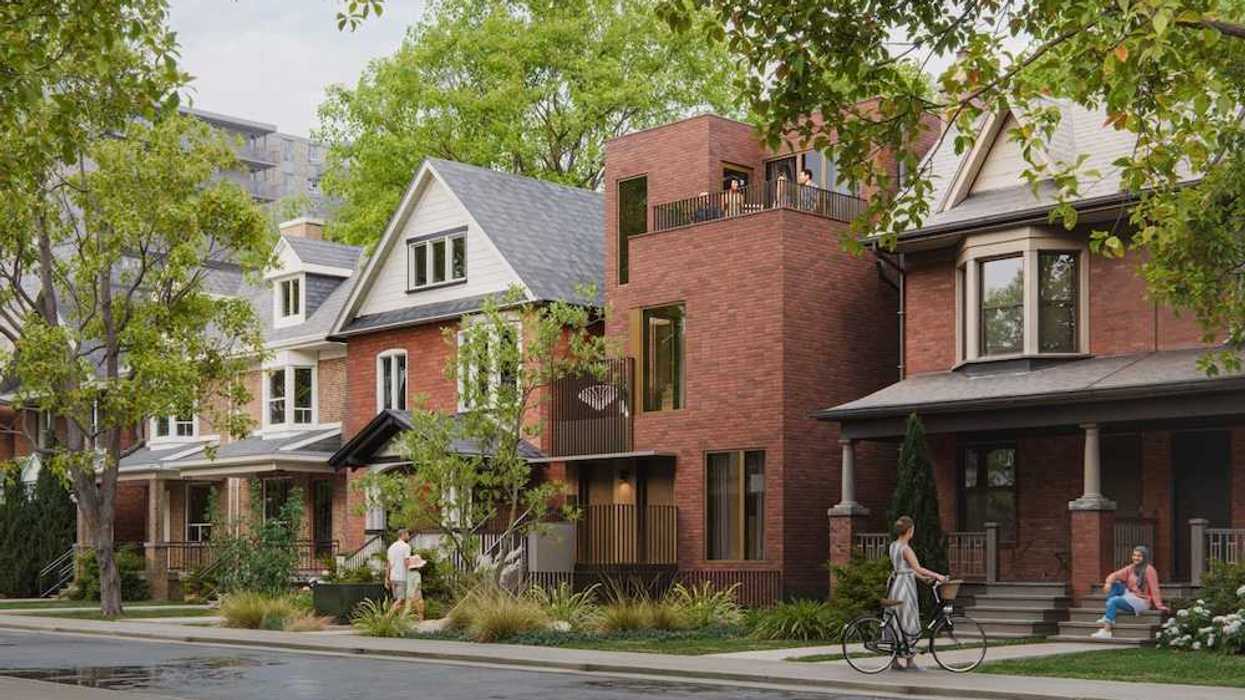
 Narrow Fourplex (City of Toronto)
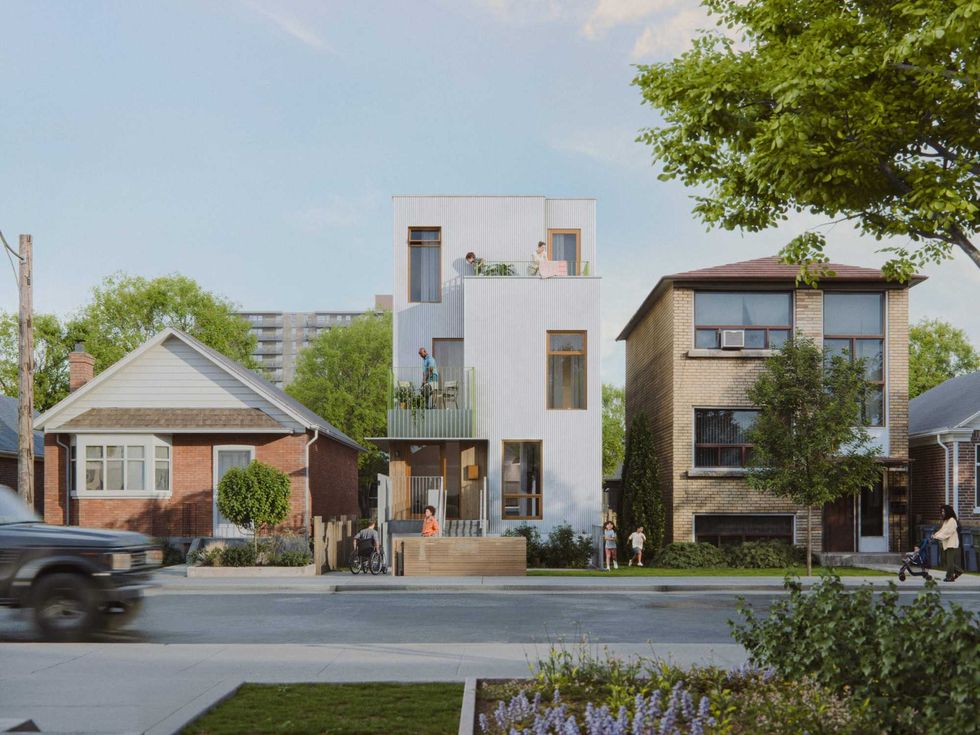
 Wide Sixplex - Side View (City of Toronto)