Escalation Clause
Learn how escalation clauses work in Canadian real estate offers — what they are, how they benefit buyers, and when to use them.

July 27, 2025
What is an Escalation Clause?
An escalation clause is a contract provision in a real estate offer that automatically increases a buyer’s bid above competing offers up to a maximum limit.
Why Escalation Clauses Matter in Real Estate
In Canadian real estate, escalation clauses help buyers remain competitive in multiple-offer situations without overcommitting on price.
Key features:
- Incremental increases triggered by competing offers
- A predetermined ceiling price
- Requirements for proof of competing bids
Understanding escalation clauses allows buyers and agents to structure competitive offers strategically.
Example of an Escalation Clause in Action
The buyer included an escalation clause to increase their offer by $5,000 over any competing offer up to a maximum of $950,000.
Key Takeaways
- Automatically raises offer price
- Includes a maximum price cap
- Useful in competitive markets
- Requires precise contract wording
- Helps avoid paying more than necessary

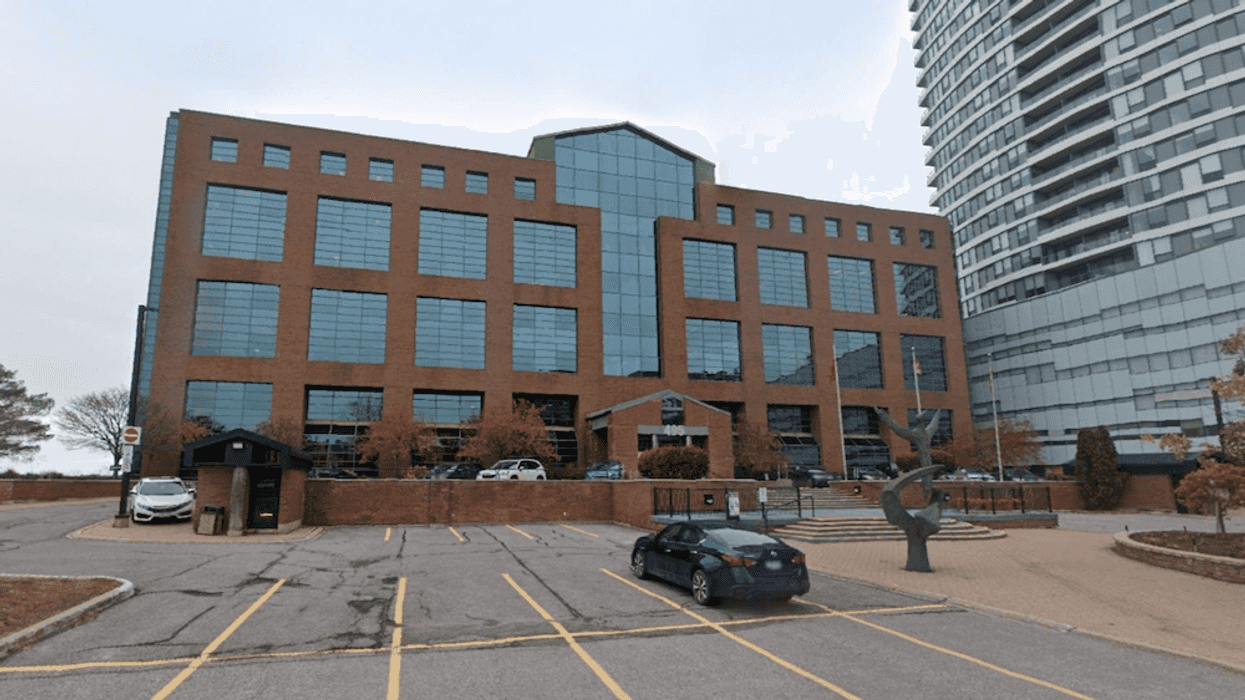
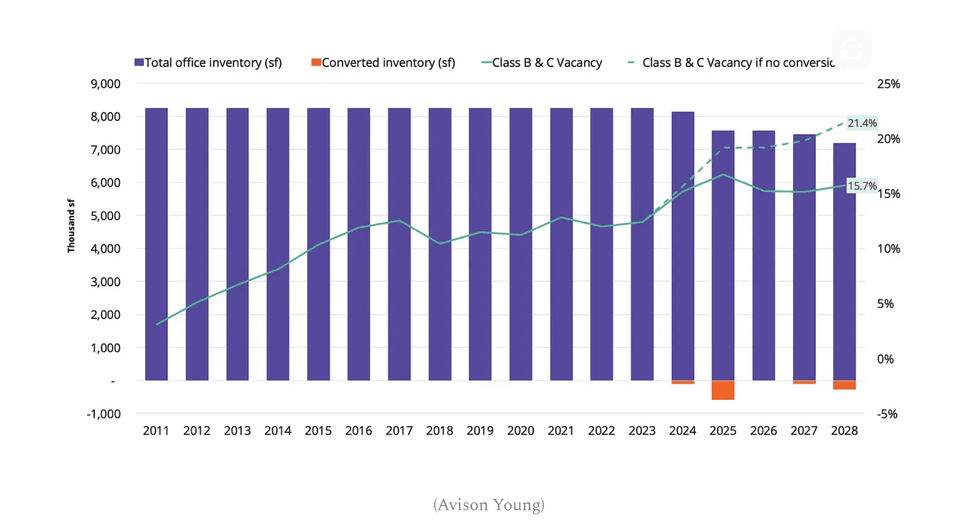 (Avison Young)




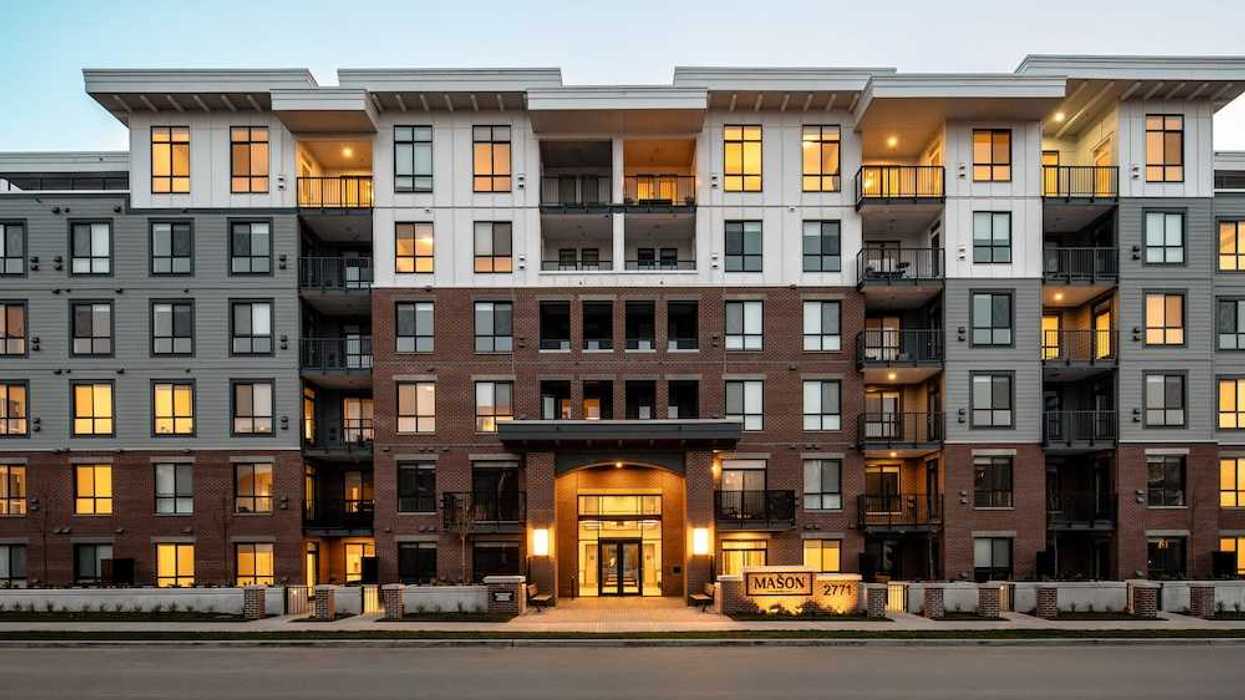
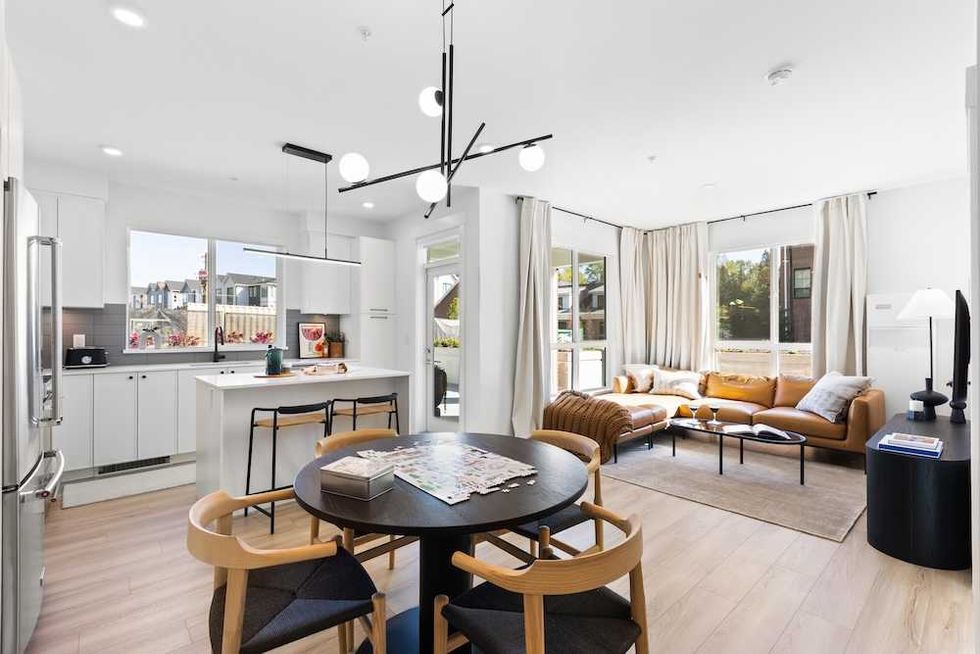 The Mason Suite Interior (Infinity Properties)
 The Mason Suite Interior (Infinity Properties)
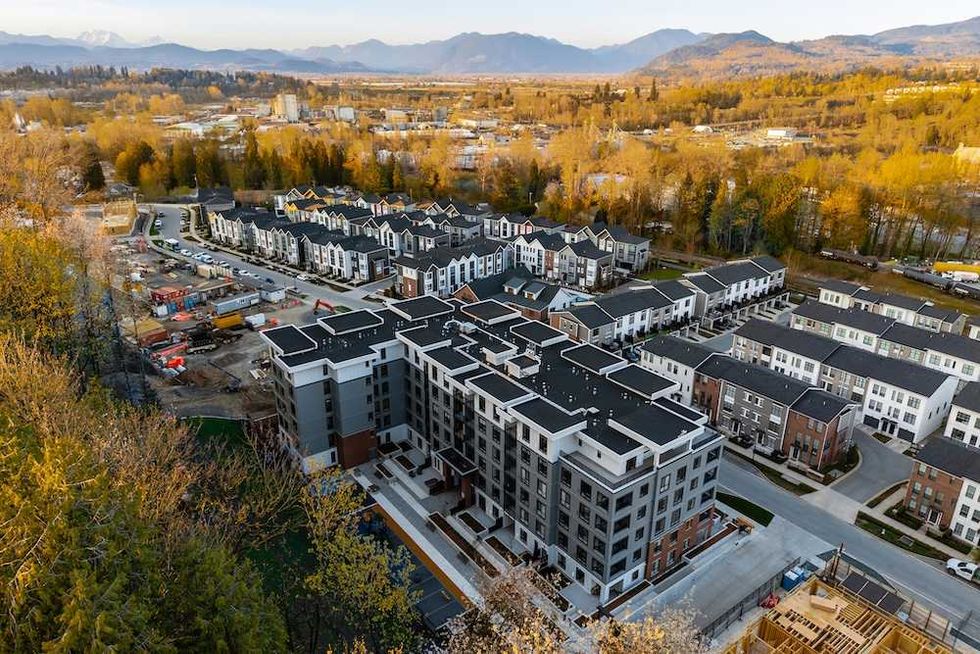 Rail District aerial (Infinity Properties)
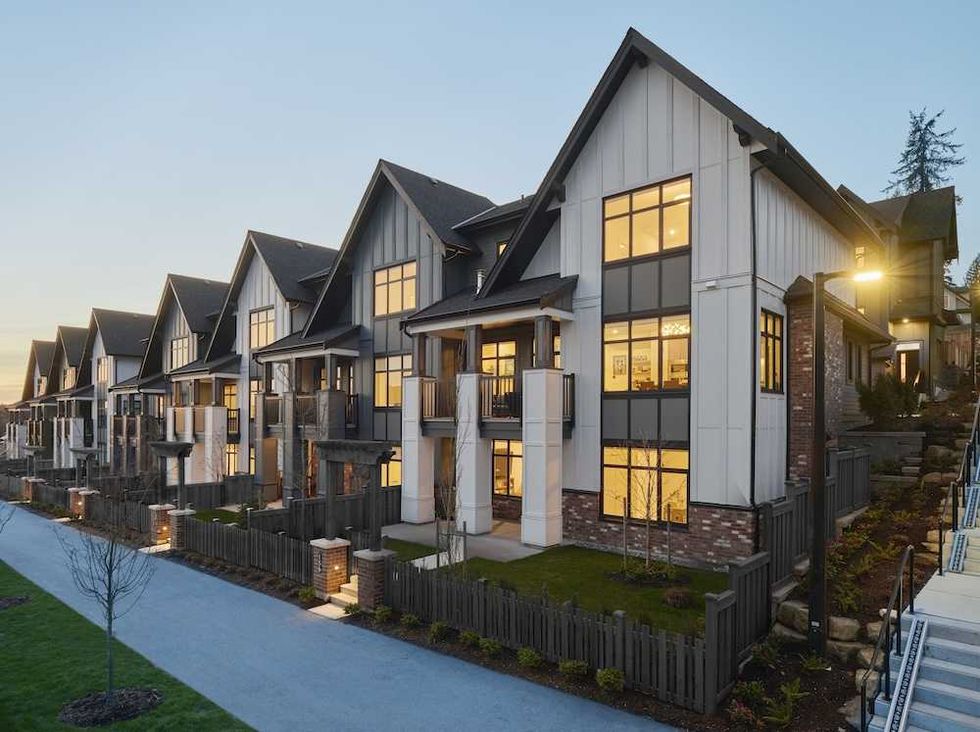 Versant (Infinity Properties)

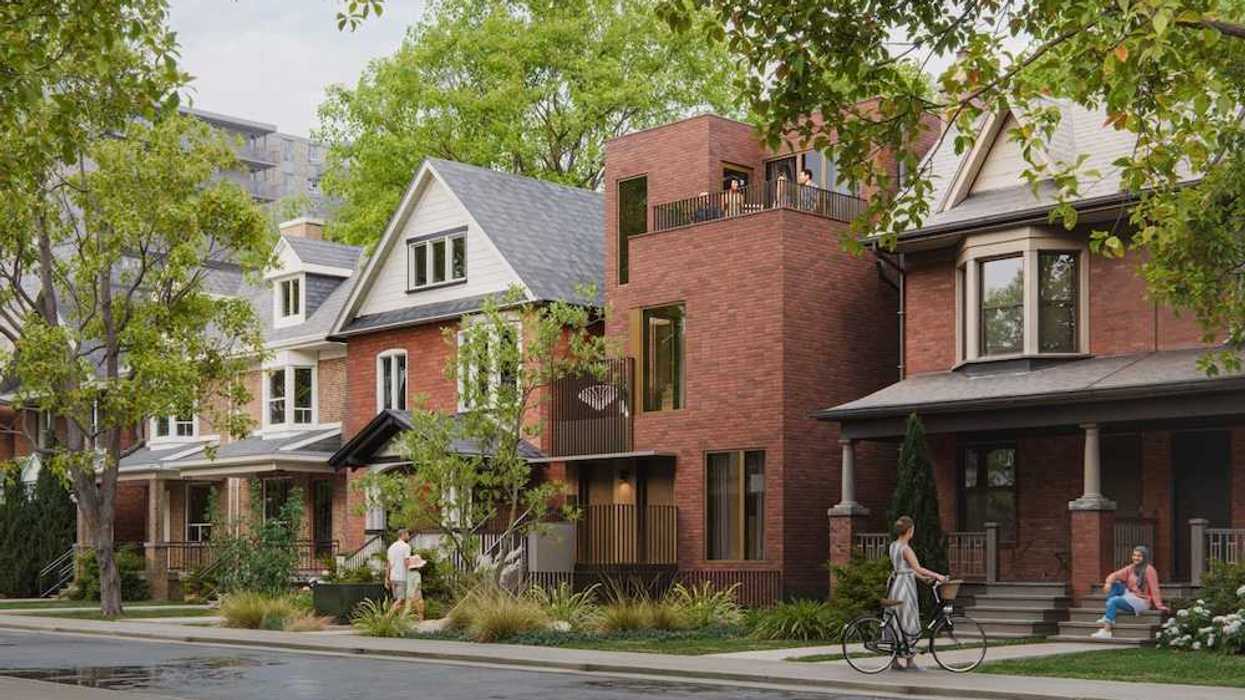
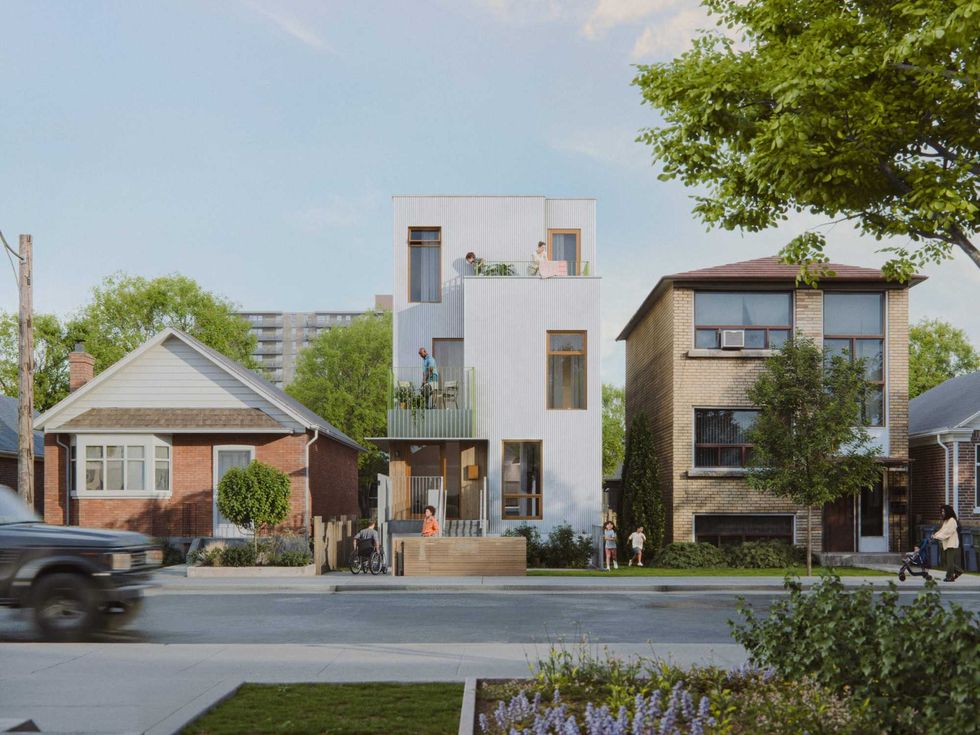 Narrow Fourplex (City of Toronto)
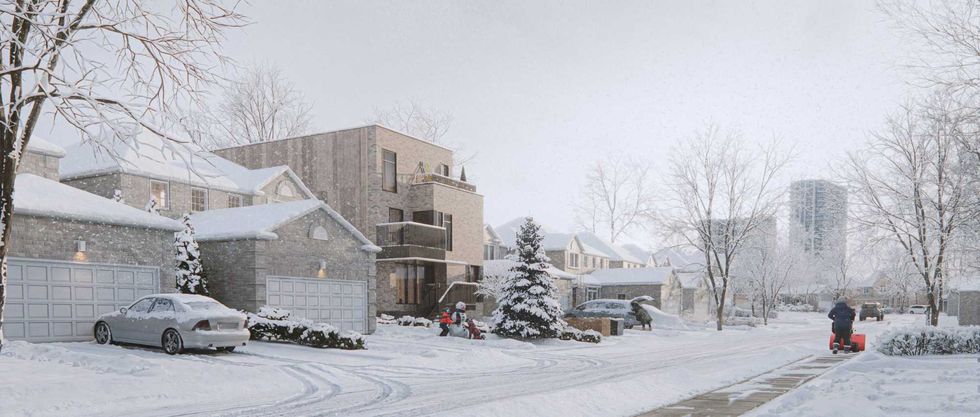 Wide Sixplex - Side View (City of Toronto)
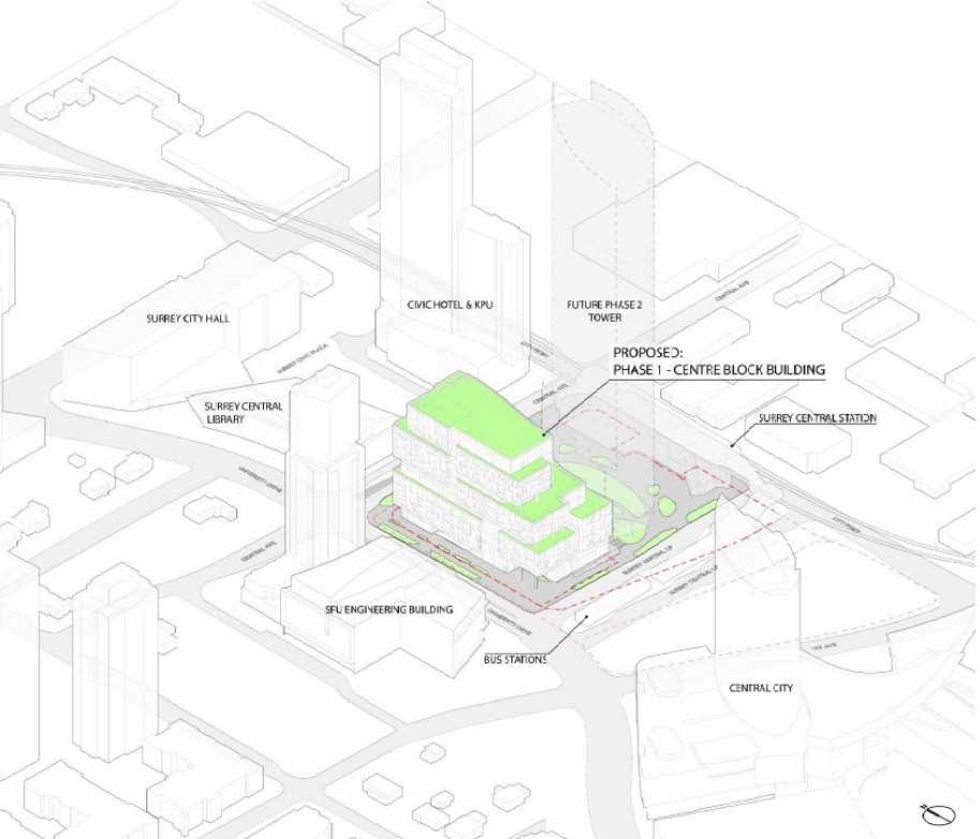 Centre Block and its surrounding context. (Stantec-Revery, SCDC)
 The 12-storey Phase One of Centre Block. (Stantec-Revery, SCDC)
 The 12-storey Phase One of Centre Block. (Stantec-Revery, SCDC)
 Mondria One, set for 1607 King Street East in Clarington, Ontario. (ICON Architects Inc., Monde Development Group)