Speculation and Vacancy Tax
The Speculation and Vacancy Tax (SVT) is a BC tax on vacant residential properties, encouraging rentals and funding affordable housing.

September 30, 2025
What is Speculation and Vacancy Tax?
The Speculation and Vacancy Tax (SVT) is a provincial tax in British Columbia targeting property owners who leave residential properties vacant for extended periods. It applies to both Canadian and foreign owners, with exemptions for primary residences, certain rentals, and qualifying circumstances.
Why Speculation and Vacancy Tax Matters in Real Estate
The SVT matters in real estate because it aims to increase available housing supply by discouraging property hoarding and vacancy. It also generates revenue that funds affordable housing initiatives in the province.
Example of Speculation and Vacancy Tax in Action
An investor owns a condo in Vancouver that sits empty for most of the year. They must pay the SVT unless they qualify for an exemption, such as renting the unit for a minimum number of months annually.
Key Takeaways
- Applies to vacant residential properties in BC.
- Targets both Canadian and foreign owners.
- Encourages rentals and increases housing supply.
- Exemptions include principal residence and qualifying rentals.
- Revenue funds provincial affordable housing initiatives.
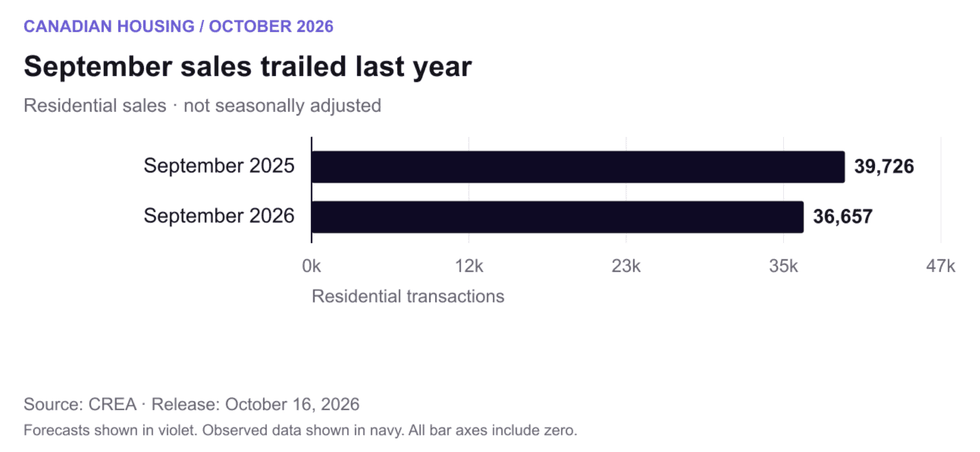 September residential sales, not seasonally adjusted; the annual comparison uses CREA’s revised figures. Chart:
 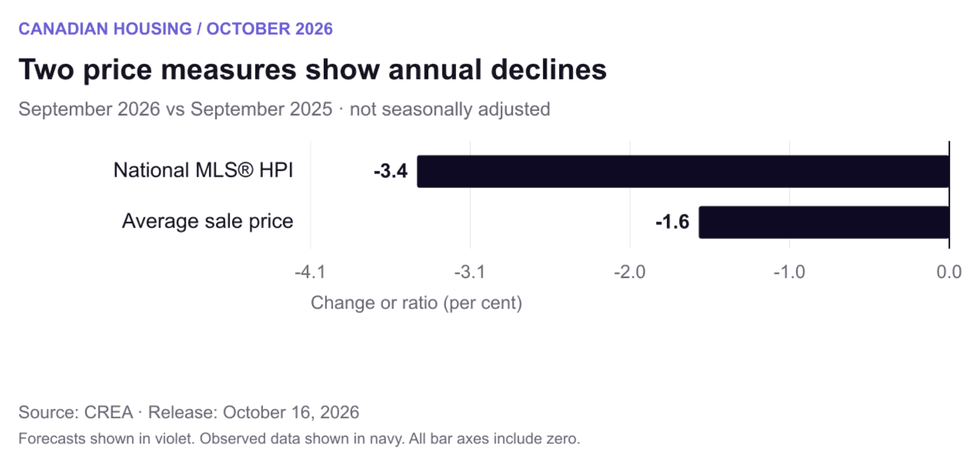 Annual changes in the unadjusted national MLS® HPI and average sale price. The average is affected by the mix of transactions. Chart:
 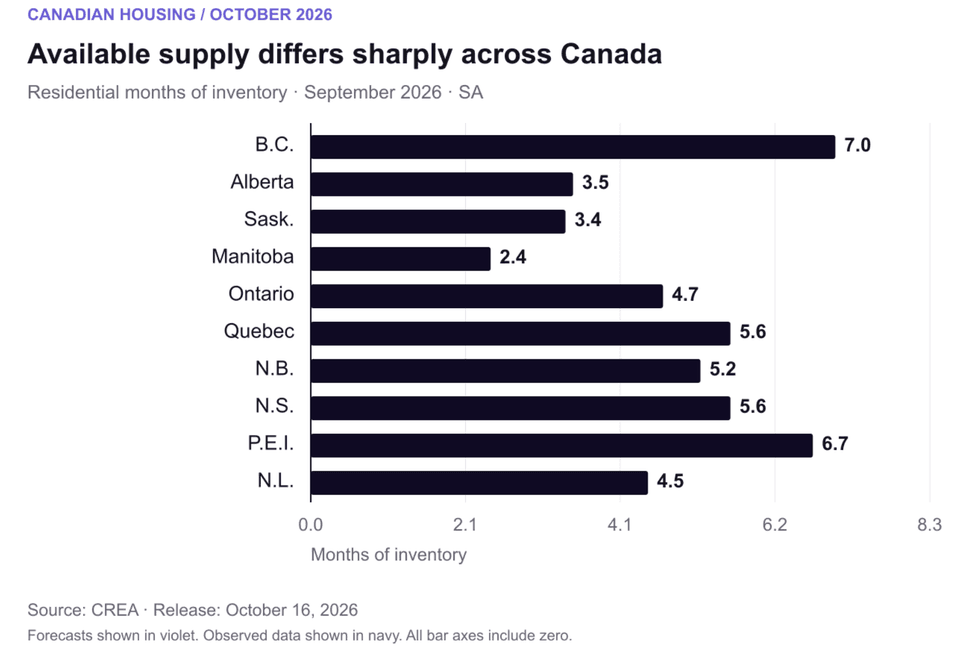 Seasonally adjusted residential months of inventory by province. Local property types can differ substantially. Chart:
 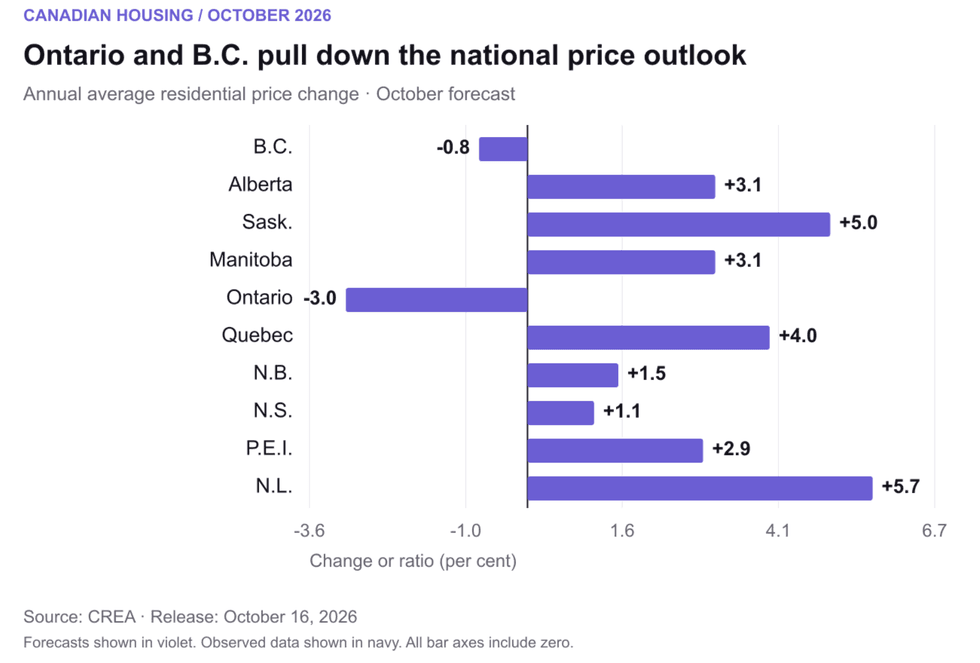 Ontario and B.C. are the two provinces with forecast annual average-price declines in 2026. Chart:
 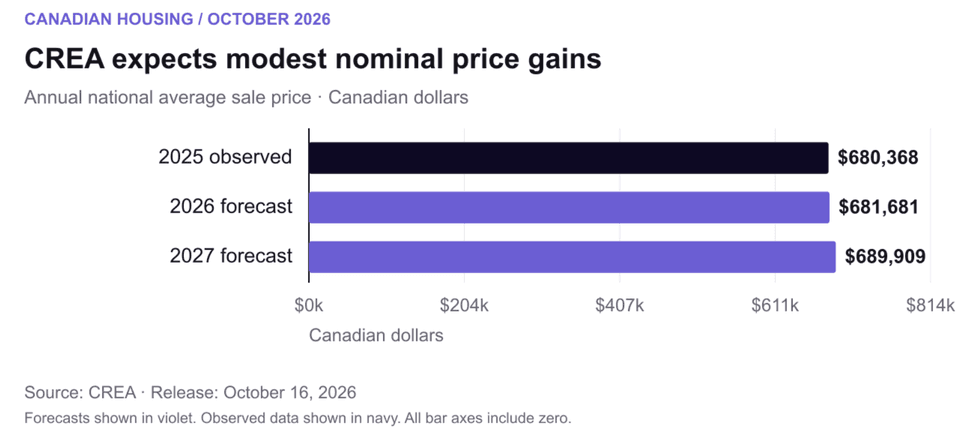 Annual average transaction prices in Canadian dollars. Forecast values are not December price targets. Chart:
 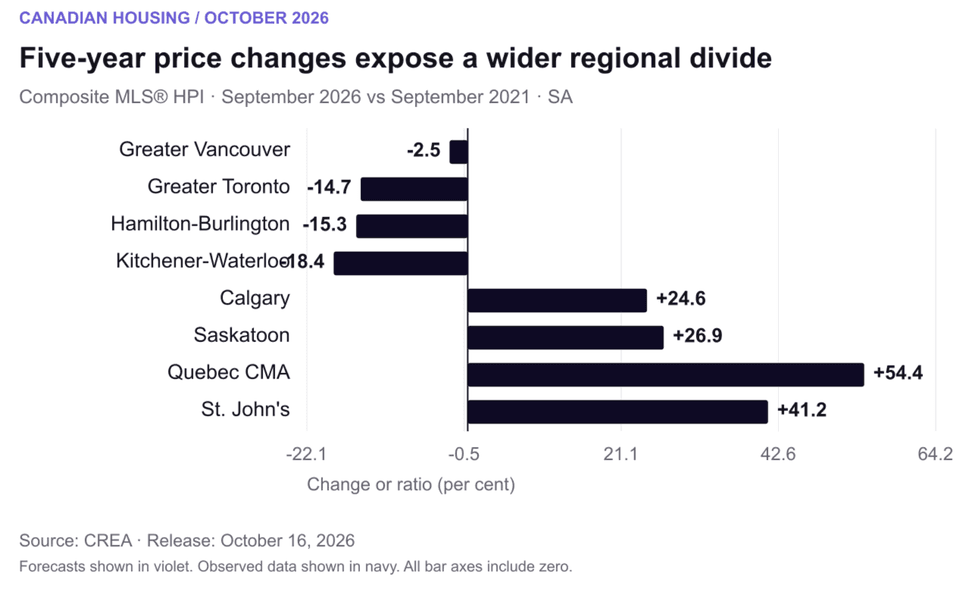 Five-year changes in seasonally adjusted composite MLS® HPI benchmarks, September 2021 to September 2026. Chart: