Permanent Financing
Understand permanent financing in Canadian real estate — what it is, when it applies, and how it supports completed projects.

August 01, 2025
What is Permanent Financing?
Permanent financing is long-term financing used to replace short-term construction or bridge loans once a property is completed and stabilized.
Why Permanent Financing Matters in Real Estate
In Canadian real estate, permanent financing provides developers and owners with predictable, long-term debt after project completion.
Key points:
- Typically a mortgage with fixed or floating rates
- Secured once occupancy and cash flow targets are met
- May be provided by banks, insurance companies, or CMHC
Understanding permanent financing helps developers plan exit strategies from construction financing.
Example of Permanent Financing in Action
The apartment building transitioned from its construction loan to permanent financing after achieving 95% occupancy.
Key Takeaways
- Replaces short-term construction or bridge loans
- Provides long-term financial stability
- Secured once property is stabilized
- May involve fixed or variable rates
- Key milestone in project lifecycle
Related Terms
- Construction Loan
- Bridge Financing
- Draw Schedule
- Mortgage Term
- Public-Private Partnership
 (Avison Young)
 The Mason Suite Interior (Infinity Properties)
 The Mason Suite Interior (Infinity Properties)
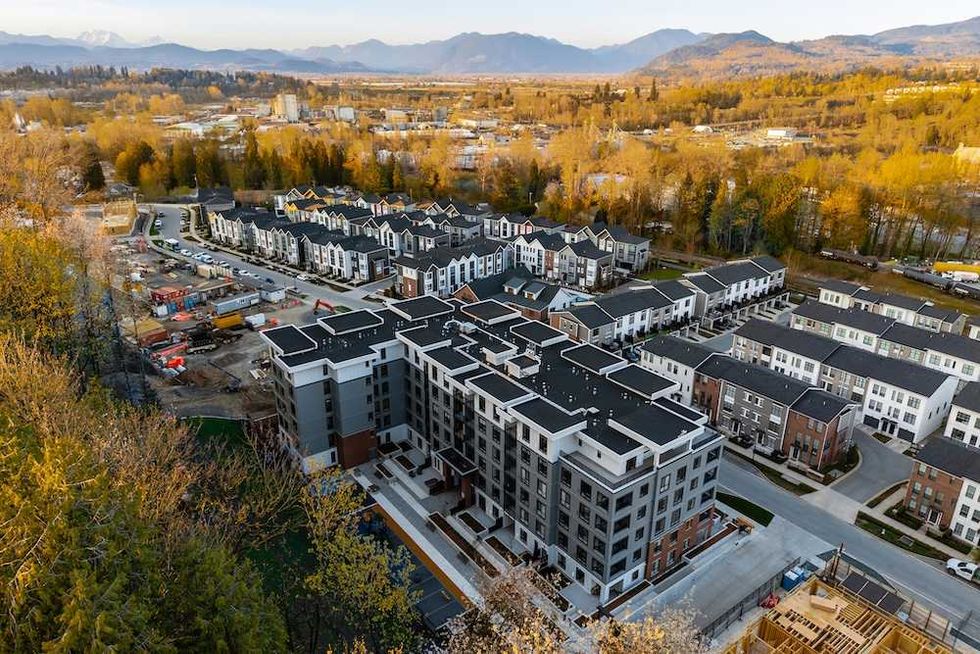 Rail District aerial (Infinity Properties)
 Versant (Infinity Properties)






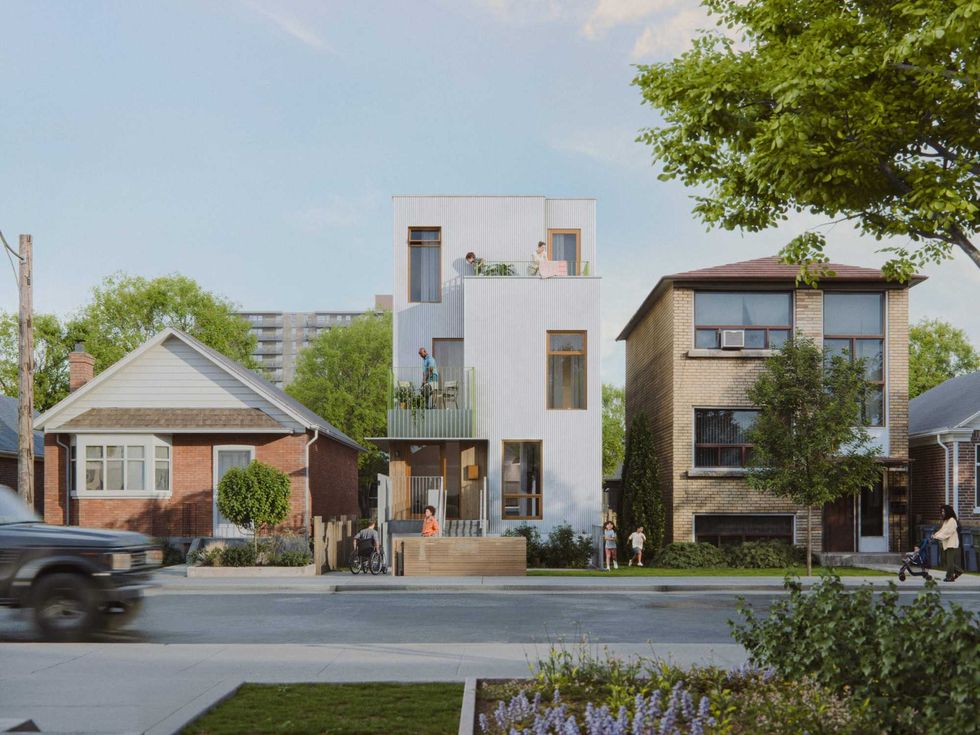 Narrow Fourplex (City of Toronto)
 Wide Sixplex - Side View (City of Toronto)
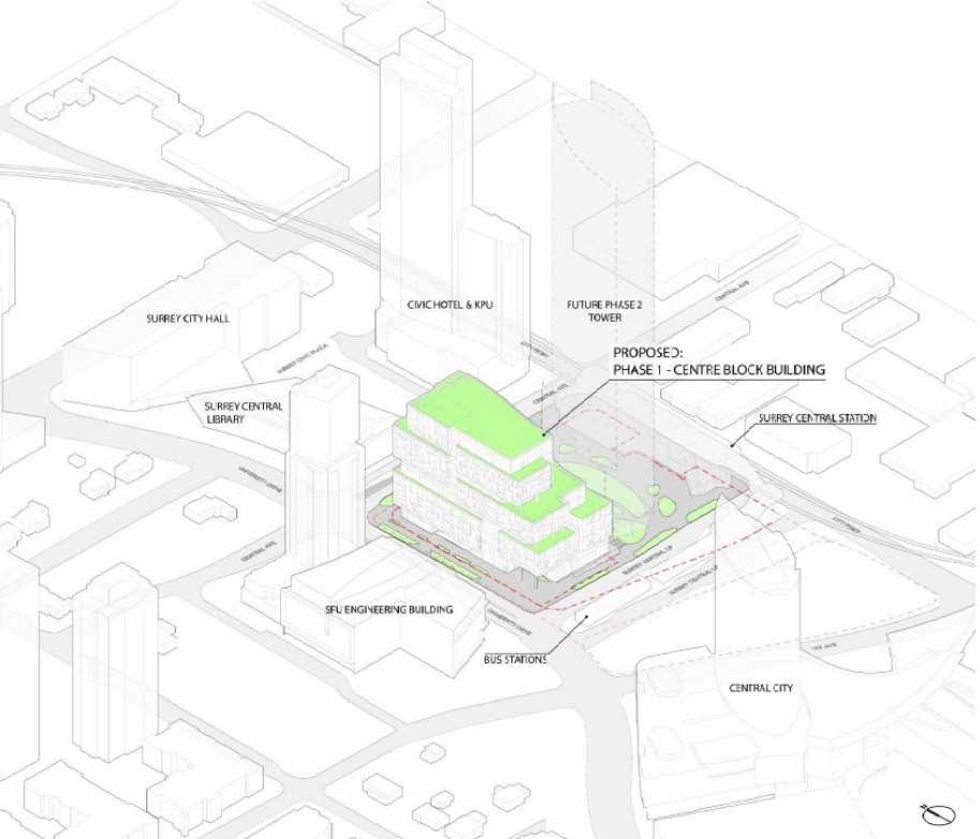 Centre Block and its surrounding context. (Stantec-Revery, SCDC)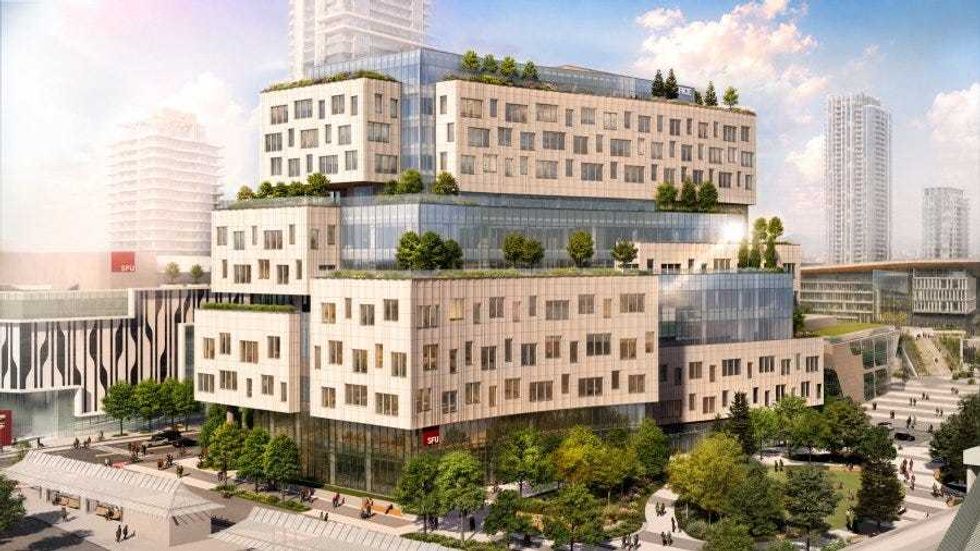
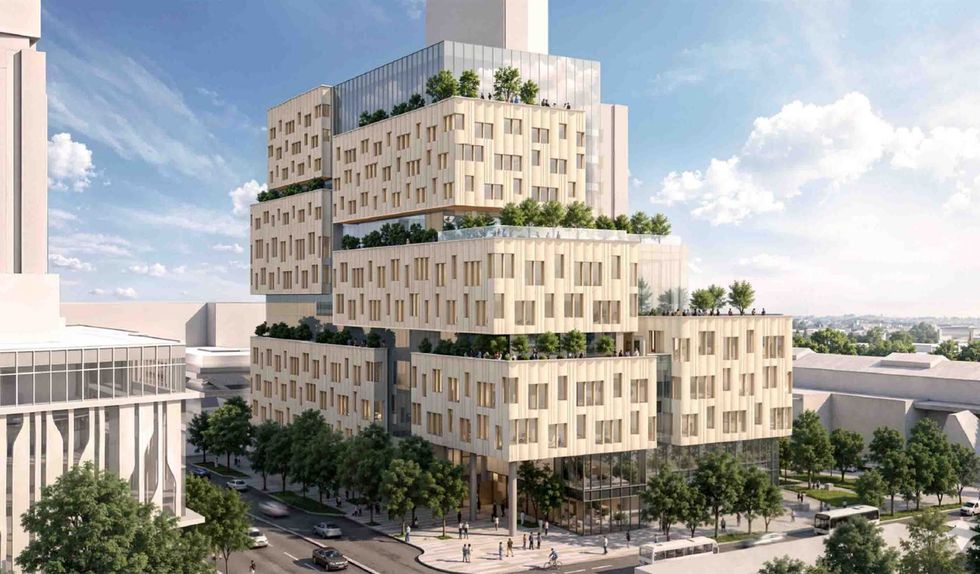 The 12-storey Phase One of Centre Block. (Stantec-Revery, SCDC)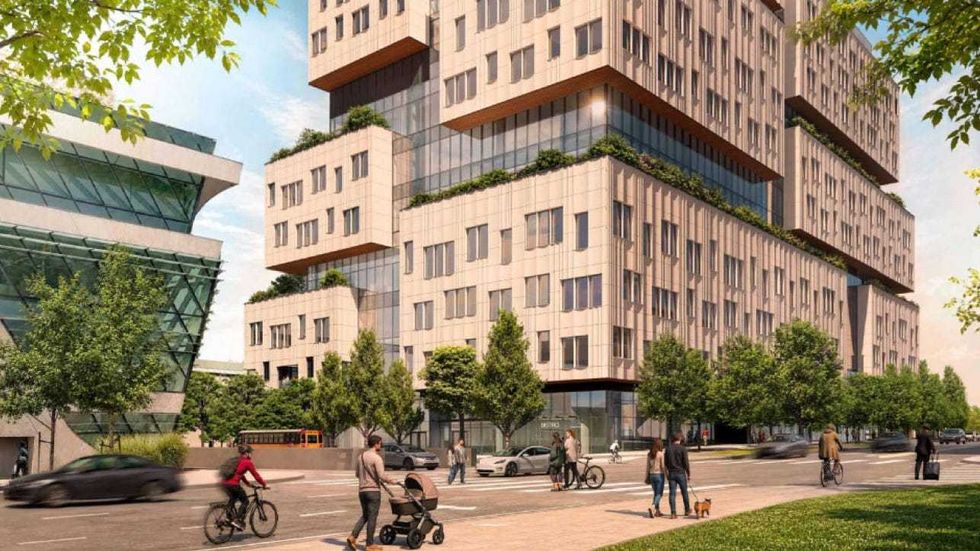
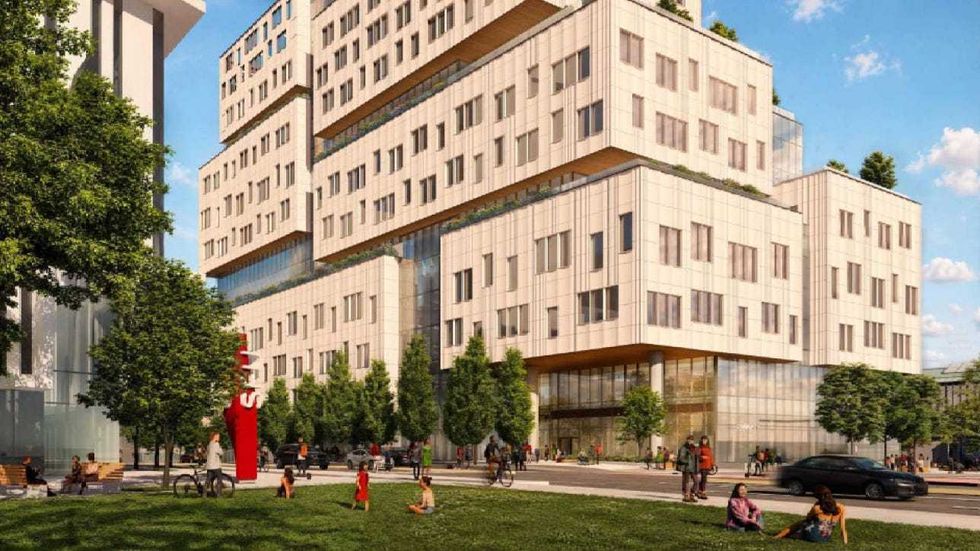 The 12-storey Phase One of Centre Block. (Stantec-Revery, SCDC)
 Mondria One, set for 1607 King Street East in Clarington, Ontario. (ICON Architects Inc., Monde Development Group)